REVIEW · TOKYO
Osaka: Kyoto By The Sea with Amanohashidate & Ine no Funaya
Book on GetYourGuide →Operated by JTOURSTORY · Bookable on GetYourGuide
A long sandbar plus floating fishing houses sounds like a postcard, and this trip makes it real. I love the slow-travel photo stops that let you look closely, and I love how the day mixes big scenic icons with smaller, quieter moments like Chionji Temple and its fan-shaped fortune slips. One thing to plan for: it’s weather-dependent, and some optional rides cost extra once you’re on site.
I also really appreciate the guide help. On past departures, guides like Yuri and Jo have been praised for being clear, organized, and willing to take group photos, even printing a souvenir Polaroid for the ride-along crew. Still, this is a short outing from Osaka, so you’ll want to keep lunch and extra activities efficient so you don’t feel rushed.
In This Review
- Key Points You’ll Remember
- Leaving Osaka for Kyoto by the Sea: What the Timing Really Feels Like
- Amanohashidate: Japan’s Bridge to Heaven in Person
- Amanohashidate View Land: Chairlift, Monorail, and the Sky Bicycle
- Chionji Temple: Fan-Shaped Fortune Slips and a Quiet Reset
- Kaisen Bridge and Amanohashidate Beach: Walks That Feel Like Travel, Not Transfers
- Ine no Funaya: The Floating Fishing Village You’ve Probably Seen Only in Photos
- Optional Boat Ride on the Water: Getting Closer Without Overcomplicating It
- Price and Value: $55 vs. the Costs You Might Add
- Guide Style and Photo Help: Yuri, Jo, and Jun Young Jo
- Practical Tips: How to Get the Most From This 3-Hour-Feeling Day
- Who This Tour Is Best For
- Should You Book This Osaka to Kyoto by the Sea Trip?
- FAQ
- How long is the tour?
- Where does the tour meet?
- What is included in the price?
- Are meals included?
- What optional activities cost extra?
- Is the tour stroller-friendly?
- Is the tour wheelchair accessible?
Key Points You’ll Remember
- Amanohashidate Bridge-to-Heaven sandbar view that connects heaven and earth when you look at it the right way
- Chionji Temple fan-shaped fortunes plus a calm stop that feels different from the coastal scenery
- Amanohashidate Beach + pine-lined walk with time to breathe the sea air and choose your own lunch
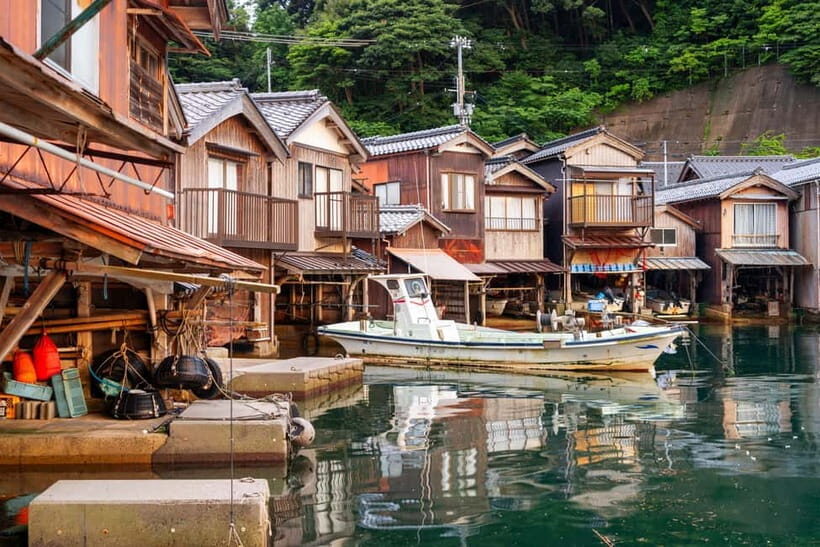
- Ine no Funaya floating funaya houses with boat garages on the ground and living spaces above
- Optional sightseeing boat ride (extra cost) for closer water views and reflections
- Guide photo support reported by multiple groups, including printed Polaroids
Leaving Osaka for Kyoto by the Sea: What the Timing Really Feels Like
This is a coast-focused day trip that starts early from Tsurutontan Soemoncho. You’ll ride by coach with an English-and-Korean speaking guide, and the pace stays relaxed enough that the day feels like sightseeing, not a sprint.
There’s a real “breather” built in at Kyotamba-Ajimunosato PA, where you get a short break and time for street food. That matters because once you hit the coast, you’ll likely want to focus on walking paths, photographing sandbar views, and doing optional activities without feeling drained.
A practical note: your schedule can shift due to traffic and weather, and the time you spend at each spot can flex by season. I’d plan your mindset around that. You’re coming for scenery and atmosphere, and the coast always has its own tempo.
You can also read our reviews of more tours and experiences in Tokyo.



Amanohashidate: Japan’s Bridge to Heaven in Person
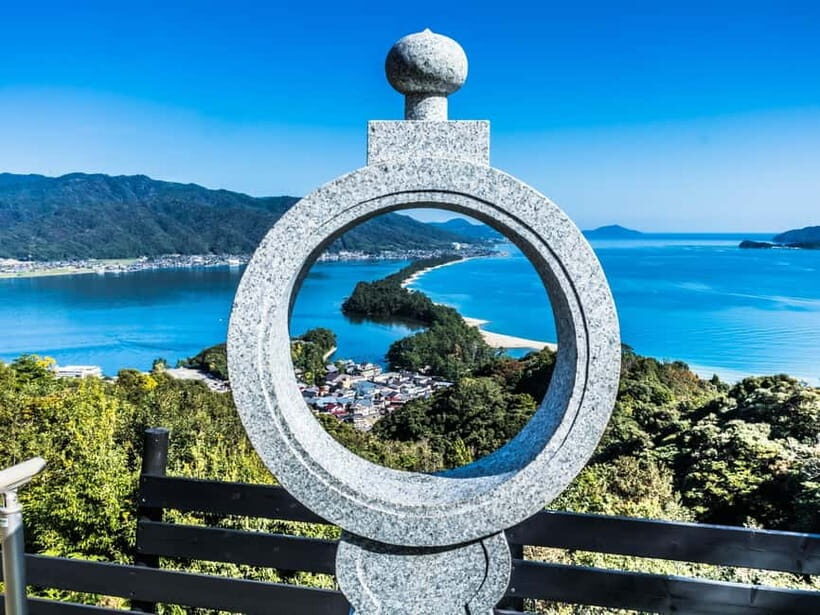
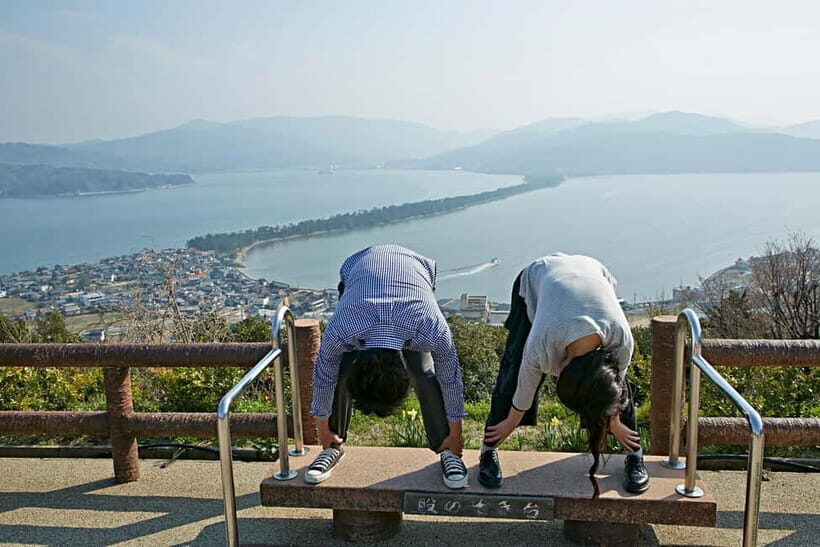
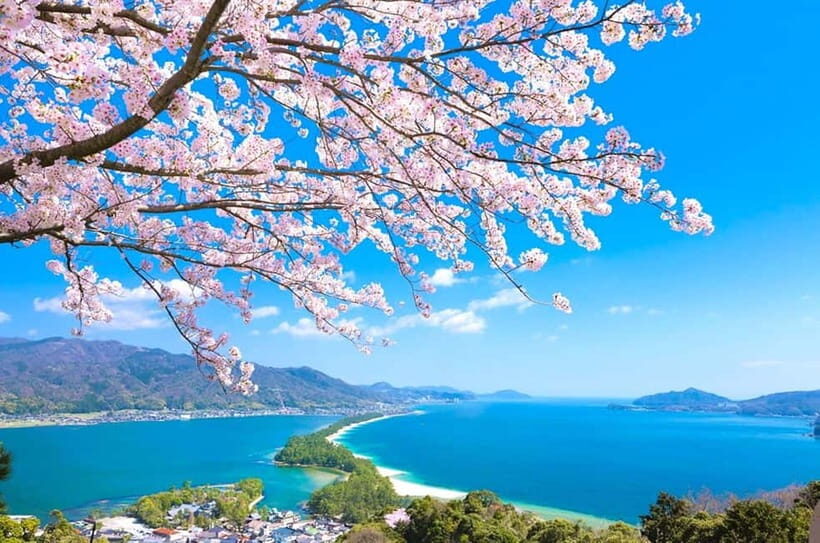
Amanohashidate is the star of the show, and it’s easy to see why it’s treated like one of Japan’s top scenic views. The sandbar stretches across Miyazu Bay and is lined with more than 5,000 pine trees. When you see it from the right angle, it looks like it’s bridging heaven and earth, especially when viewed upside down.
What I like most for your experience is that this isn’t just a “look once, move on” place. You get a real block of time at Amanohashidate itself, plus you can step onto paths and viewpoints to understand the scale. The coast setting also changes as clouds move, so the sandbar can look different in the morning light versus later in the day.
One consideration: the sandbar and viewpoints are outdoors. Wear shoes that work on walking surfaces, and bring something for wind. If the weather turns, your photos will look different too, but the view is still worth it.
Amanohashidate View Land: Chairlift, Monorail, and the Sky Bicycle
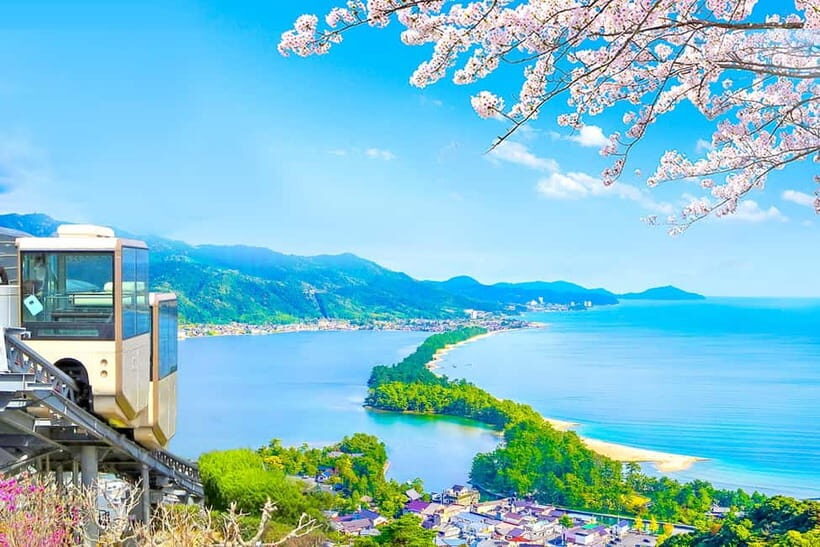
From the main sandbar area, you’ll go toward Amanohashidate View Land for scenic views from higher ground. This is where you can take in panoramic context, and it’s a helpful step if you want to understand how the bay curves around the pine-lined strip.
You can also add the optional chairlift or monorail for 850 yen, depending on what’s running and what you’re comfortable with. Either way, you’re aiming at better sightlines, and it’s a nice break from ground-level walking.
The standout option here is the sky bicycle, a pedal ride across a high-altitude track with big views around you. Is it for everyone? If you like active photo moments and don’t mind a short activity on a scenic platform, it’s a fun one. If you prefer slower sightseeing, you can skip it and still enjoy the viewpoints.
Chionji Temple: Fan-Shaped Fortune Slips and a Quiet Reset
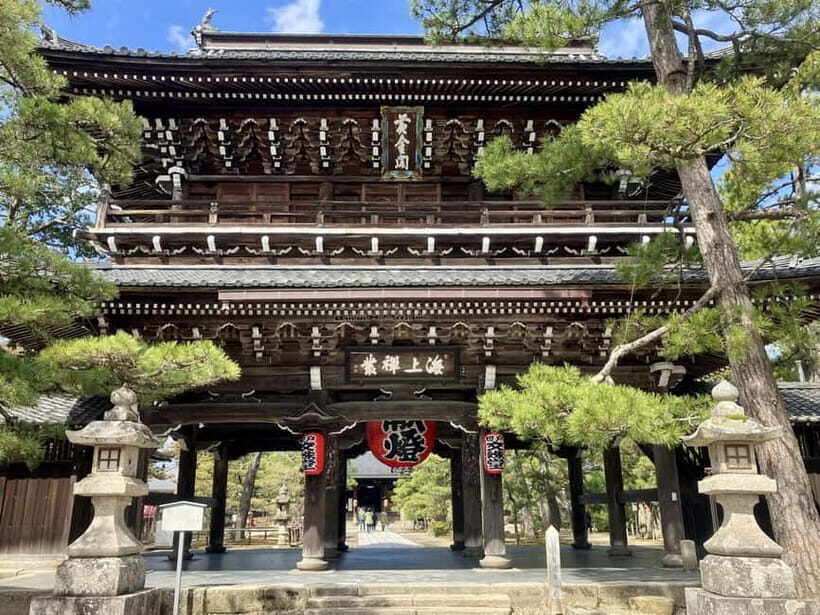
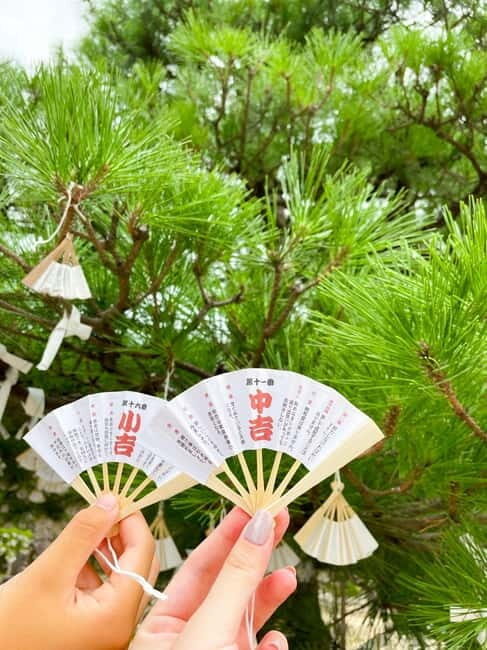
After the main scenic excitement, Chionji Temple brings a different pace. It’s a Buddhist site known for giant folding fan-shaped fortune slips, and you’ll have time to visit and experience that ritual up close.
This stop works well because it adds meaning to the day. Between sand and sea views, it’s easy to get stuck in “photo mode,” but the fortune slips are a simple, human moment: you pray for something personal like wisdom and success, then get your slip and move on calmly.
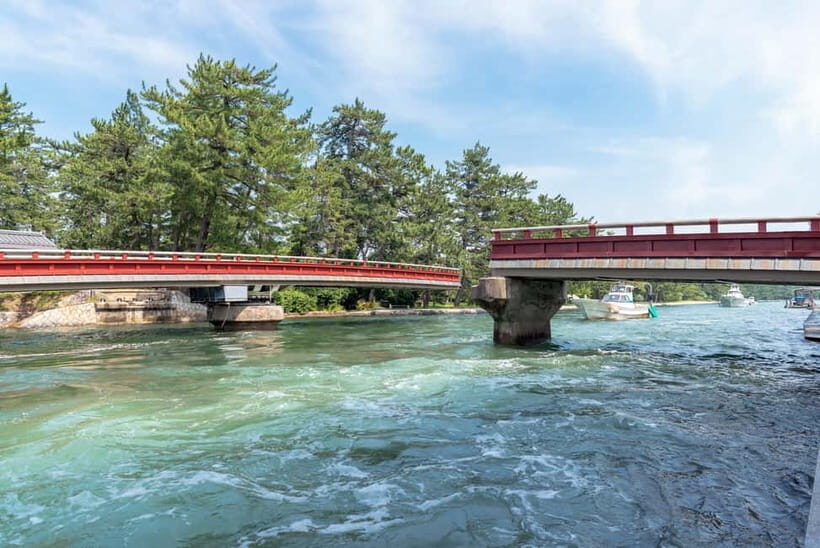
You’ll also cross Kaisen Bridge, described as a rotating bridge that opens for passing boats. That detail helps you feel like you’re watching the coast function, not just observing it.
If you’re the kind of traveler who likes a mix—scenery plus a small cultural practice—this is one of the best-balanced stops on the route.
Kaisen Bridge and Amanohashidate Beach: Walks That Feel Like Travel, Not Transfers
Once you’ve taken in temple and bridge scenes, the trip gives you a break and time at Amanohashidate Beach. This is where the day turns into a slower coastal stroll. You’ll get free time to walk, take photos, and enjoy the sea breeze, and it’s a great moment to reset after the earlier sightseeing.
There’s also an option to rent a bicycle for a leisurely ride along the pine-lined path. You’ll want to bring or buy any small essentials you need earlier, because once you’re at beach level, you’ll likely just want to keep moving.
Lunch happens during the Amanohashidate area time window, and it’s on your own. The good news is you’re in a tourist-friendly zone, so you’ll likely find local options nearby. The better news is that you’ll have the freedom to choose what fits your energy level—sit down for a proper meal or grab something quicker so you can use your time where the view is.
A small strategy: eat in a way that keeps you ready for walking. Coastal sightseeing is flatter than mountain sightseeing, but you’ll still rack up steps and photos.






Ine no Funaya: The Floating Fishing Village You’ve Probably Seen Only in Photos
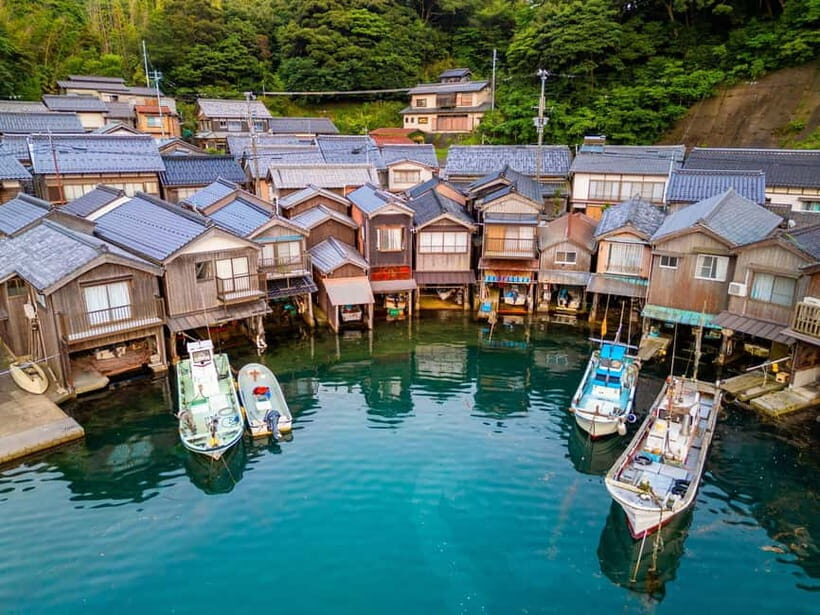
Then comes the part that often surprises people: Ine no Funaya. This seaside village is known for more than 200 traditional boat houses called funaya. These structures are built right on the water, with boat garages on the ground floor and living spaces above.
Seeing this in person hits differently than seeing it in a feed. The houses don’t look like buildings placed near water; they look like water is part of the architecture. The reflections and the tight cluster of houses create a postcard feel, but it also helps you understand a working coastal life.
You’ll spend time at Road Station Funaya no Sato Ine, which gives you an easy base for photos and exploration. I’d use at least part of your time there to look slowly at the details—rooflines, water edges, and how the boats and garages connect to daily use.
Optional Boat Ride on the Water: Getting Closer Without Overcomplicating It
There’s an optional sightseeing boat ride available for 1,000 yen, and if you’re the type who likes seeing a place from the water, it’s a strong add-on. The idea is simple: cruise along the bay so you can see the funaya up close and watch reflections shimmer on the surface.
One review detail worth knowing: some departures include a hawk-feeding moment during the boat ride. It isn’t something you should plan your whole day around, but it’s the kind of bonus that makes the ride feel lively.
If you do the boat ride, it helps to dress comfortably for wind and spray. Even on a calm day, sea air changes how you feel, and it also helps with photos—wind can dry up your concentration fast.
Price and Value: $55 vs. the Costs You Might Add
At $55 per person, the base cost is mostly about getting you efficiently between Osaka and the Kyoto-by-the-Sea coast with transport and a guide. You’re paying for time savings and guidance, not just for admission tickets.
Meals are not included, and that’s normal for tours like this. The benefit is you can choose lunch based on what you actually want to eat that day. You’ll also cover optional activities out of pocket.
Here are the extras you should budget for:
- Chairlift or monorail at Amanohashidate View Land: 850 yen
- Boat ride near Ine no Funaya: 1,000 yen
If you add both, you’re spending extra on top of the tour price, but you’re also buying two experiences that change how you see the scenery: higher viewpoints for Amanohashidate and closer water views for Ine no Funaya.
My take on value: if you’re comfortable with optional add-ons and you like photography, the trip is good value because it’s hard to stitch together these distant coastal sights on your own without losing time. If you prefer quiet walking only, you can keep costs down by skipping one optional activity and still see plenty.
Guide Style and Photo Help: Yuri, Jo, and Jun Young Jo
A tour lives or dies by the guide, and the guides on this route have gotten strong feedback. People specifically highlighted that guides like Yuri and Jo were polite, informative, and good at managing time so you had room to explore each stop.
You might also get extra photo help. In past experiences, guides have offered to take pictures for the group and even printed a Polaroid souvenir at the end. That’s not a guaranteed feature you can count on every time, but it’s worth knowing the standard reported is supportive and friendly.
The guide also helps you avoid frustration. One common win: not having to deal with long queueing for entry during key stops, so you can spend more time on the actual scenery.
If you care about getting great photos but don’t want to fuss with timing and angles, having someone coordinate group logistics helps more than you’d think.
Practical Tips: How to Get the Most From This 3-Hour-Feeling Day
Even though the day is short on paper, you’ll move enough that you should pack like you’ll be walking. Here’s what I’d do:
- Wear comfortable shoes you can stand in for long stretches.
- Bring a light layer for sea wind, plus a small umbrella if weather is iffy.
- Keep some cash ready for optional charges like the chairlift/monorail and the boat ride.
- If you want the chairlift/monorail or sky bicycle, plan to do it early in your View Land time window.
Staying flexible is part of the deal. Traffic and weather can adjust the exact flow, and the guide may modify the itinerary based on real-time conditions. That’s not a disaster; it’s the reason the tour stays workable.
Also keep expectations clear: this isn’t wheelchair accessible, and infant seating isn’t provided. If you’re traveling with a stroller, it is stroller-friendly, but you should inform the operator ahead so everything can be handled smoothly.
Who This Tour Is Best For
This is a great fit if you want:
- A coast getaway from Osaka without committing to full-day planning
- Iconic scenery (Amanohashidate) plus a totally different coastal world (Ine no Funaya)
- A guided day that keeps logistics simple while still leaving room to roam
- Photo-friendly stops with time to actually look around
If you love big sights and also like a small cultural pause, Chionji Temple is a nice balance. If you hate rigid schedules, you’ll probably appreciate that the pace leaves breathing space at multiple locations.
Should You Book This Osaka to Kyoto by the Sea Trip?
Book it if Amanohashidate and Ine no Funaya are on your list and you’d rather let transport and timing get handled. For $55 plus optional adds, you’re buying access to two very different coastal icons in one smooth run.
Skip or think twice if you only want deep, unhurried cultural study or you’re sensitive to weather and outdoor walking. Also, if you dislike optional activities, keep your budget simple and plan to enjoy the views from walking areas rather than paying for the extra rides.
If you want a practical, scenic break from city time, this one delivers: pine-lined sandbar views, fan-fortune temple calm, and floating funaya houses that make you stop and stare.
FAQ
How long is the tour?
The tour duration is listed as 3 hours.
Where does the tour meet?
Please be in front of Tsurutontan Soemoncho before 7:50 AM.
What is included in the price?
Transportation and an English-and-Korean speaking guide are included.
Are meals included?
Meals are not included, and you’ll have time for lunch on your own during the Amanohashidate stop.
What optional activities cost extra?
You may pay extra for the Amanohashidate chairlift or monorail (850 yen) and for the Ine no Funaya sightseeing boat ride (1,000 yen).
Is the tour stroller-friendly?
Yes, the tour is stroller-friendly. Let the provider know if you’ll bring a stroller.
Is the tour wheelchair accessible?
No, this activity is not wheelchair-accessible.