REVIEW · TOKYO
Tokyo:Daikoku JDM Street Culture Tour in wrapped 86
Book on GetYourGuide →Operated by Team Open Tours · Bookable on GetYourGuide
Midnight Rush is one of those rare Tokyo experiences that feels like you found the right door, not a tourist script. What I like most is the authentic street culture access and the fact it’s run by the people who actually live this world, including owner Jeremy from 303Garage.
You also get it in a small, private setup (up to 3 in your group), which keeps the vibe calm and personal instead of chaotic. The main thing to consider: this is a late-night, 11:30pm departure style tour, so it’s best if you can handle staying up and you’re there for car culture, not mainstream sightseeing.
In This Review
- Key things to know before you go
- The pitch: what makes Midnight Rush different
- Price and value: $174 per group, and what you get for it
- Where it starts: finding the grey garage in Shinjuku
- Your ride: an anime-wrapped GT86 and what that vibe signals
- The “Midnight Rush” experience: how a legal night drive feels in practice
- Meeting real car culture: what you’ll learn from Jeremy and the garage world
- Crowds, control, and why the tour avoids the tourist-trap feeling
- Who this tour is best for (and who should skip it)
- What can go wrong: the one caution I’d actually take seriously
- Timing and energy: handling a midnight start
- Camera and etiquette: how to get good moments without being a problem
- Accessibility and age: knowing the limits up front
- Languages and communication: English and Japanese guide support
- Should you book Midnight Rush?
- FAQ
- Where is the meeting point?
- What time does the tour depart?
- How long is the tour?
- What’s the price and group size?
- What languages is the guide available in?
- Is it suitable for children and is it wheelchair accessible?
Key things to know before you go
- Owner-led, local-run experience with Jeremy from 303Garage guiding you
- Private by design: small groups only, no buses or crowded meetups
- Legal and safety-first: you’re taken close to the action without racing or unsafe driving
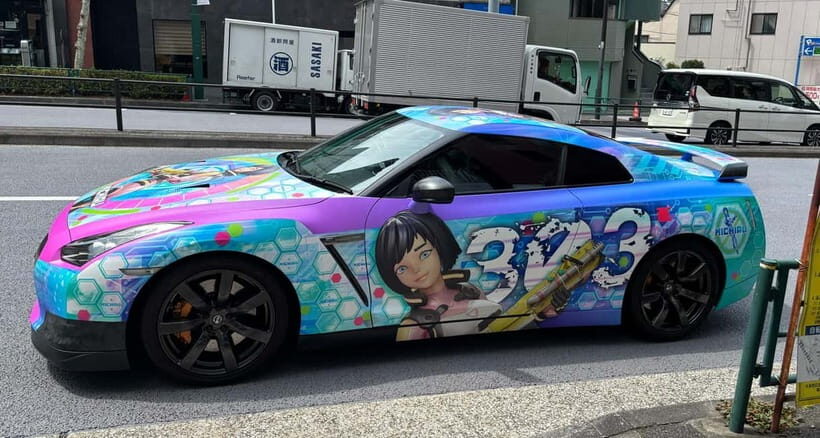
- A tuned, anime-wrapped GT86 as the core ride experience
- Shinjuku departures around 11:30pm from a clearly marked garage meeting point
The pitch: what makes Midnight Rush different
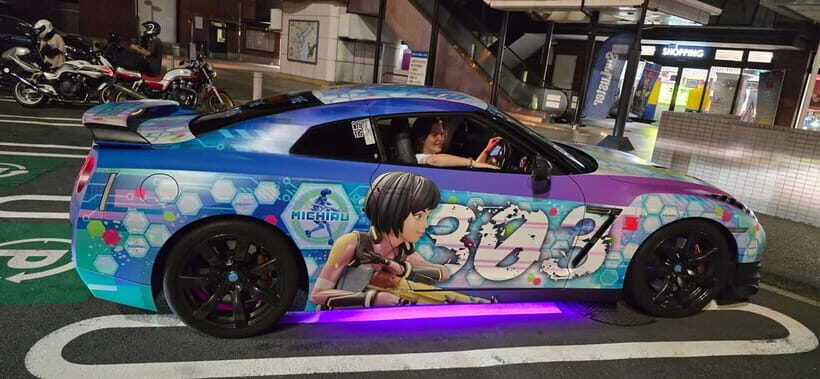
Tokyo has plenty of car talk. Night has even more of it. But Midnight Rush is built around the moment when the city quiets down and the car scene moves—still in a legal, family-friendly way.
The big difference is who’s behind it. This tour isn’t run by a distant operator. It’s tied to a tuning garage, run by Tokyo locals who know the streets and the people. You’re not being marched through a checklist. You’re getting the “how it works here” view: the cars, the codes, and the lifestyle around meets and late-night driving.
I also like the tone. The emphasis stays on respect and safety. You’re invited to watch and ask questions. You’re not being encouraged to race, and you won’t be sitting in some random rideshare where the whole thing becomes a generic city drive.
There’s one more practical difference that matters: the tour is private. That changes everything. You get time for real conversation, and your guide can adapt to how the night is going—quiet one moment, unexpectedly active the next.
You can also read our reviews of more tours and experiences in Tokyo.



Price and value: $174 per group, and what you get for it
Midnight Rush costs $174 per group, up to 3 people, and lasts about 3 hours. In a lot of Tokyo experiences, you’re paying per person. Here, the pricing model can be a better deal if you travel as a pair or a trio.
You’re paying for more than the drive time:
- The guide is the owner figure connected to the scene (Jeremy from 303Garage)
- The tour is insured and run as a registered tour business
- Road fees and taxes are included
- Drop-off in the city after the trip is included
Is it expensive? It can be, depending on how you compare it. But if you’re a car person—or you’re simply curious about what Tokyo looks like when it’s off-duty—this is the kind of night experience that costs more because it’s not mass-produced.
The one “watch-out” for value is that the exact car lineup can vary by night. The core concept is a tuned anime-wrapped GT86, but there has been at least one case where a booked car wasn’t operating and the group ended up with a different outcome than expected. If car specifics matter to you, I’d treat that as a reason to ask what vehicle you’ll be riding in before you commit.
Where it starts: finding the grey garage in Shinjuku
You meet in Shinjuku, at a grey building near the Gorilla restaurant. It’s close to a 7-11, and the opposite side has a blue sign with Mobius on it.
A smart tip: plan to arrive early. The garage opens about 20 minutes before departure, so you can get oriented without rushing. This is especially helpful on late-night meetups, when signage matters and you don’t want to lose time walking around.
Also remember: departure is around 11:30pm. So even if you land in Shinjuku earlier, it’s worth keeping that schedule in mind so you’re not sprinting at the last minute.
Your ride: an anime-wrapped GT86 and what that vibe signals
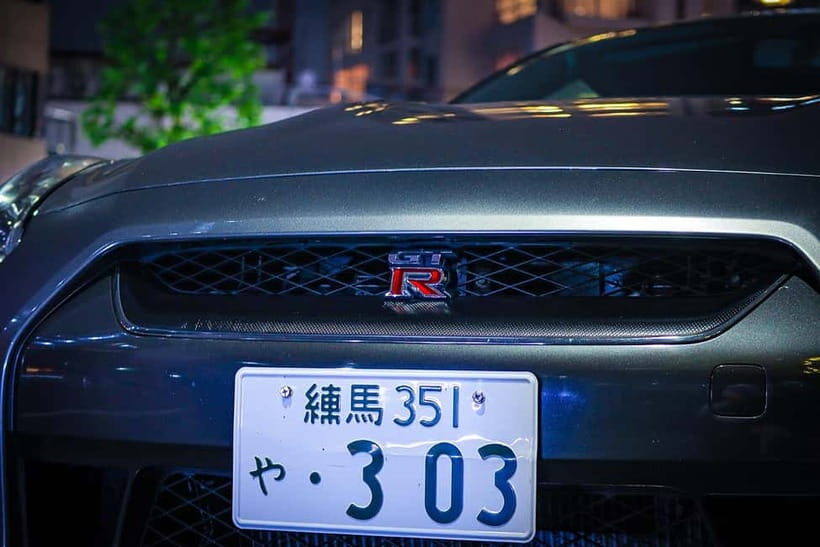
The heart of the tour is a tuned anime-wrapped GT86 experience. That detail isn’t just decoration. In Japan’s car culture, the visual language matters—wraps, decals, and styling become part of the identity of the car and the scene around it.
What you’re really buying is access to that identity at night. When the lights are on and the city is calm, the cars look different. Colors pop more. Sounds carry more. People tend to slow down just enough to talk, point, and recognize each other.
Now, about cars: you should go in with the understanding that this is a live scene, and sometimes the night changes. One booking reported a situation where the car they expected couldn’t be used due to a mechanical problem, and the tour outcome felt less like the promised drift-and-car-culture focus. That doesn’t mean it’s common, but it does mean you should be realistic: you’re experiencing a community at work, not a staged theme park.
The “Midnight Rush” experience: how a legal night drive feels in practice
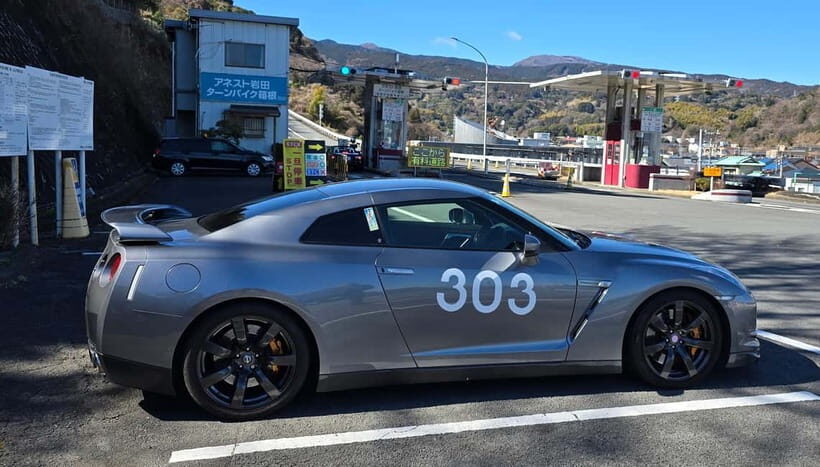
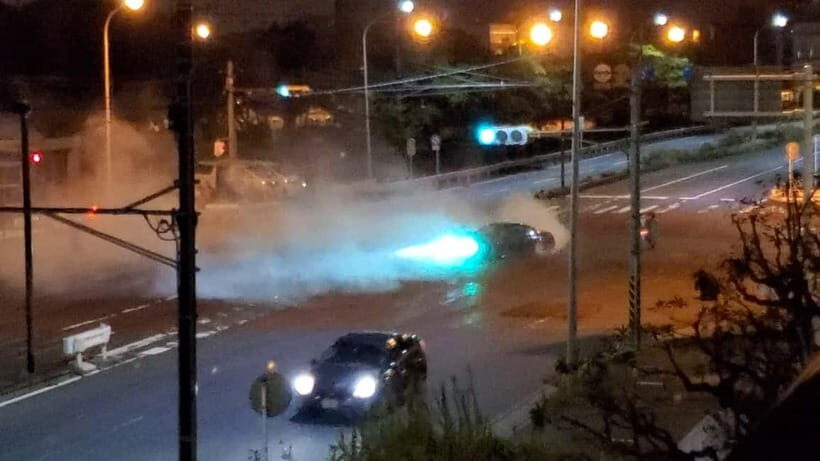
The tour runs for about 3 hours, and it’s built to take you through the night when streets are quieter and the scene becomes more visible.
Here’s what the rhythm feels like, based on how the experience is set up:
1) Meet, get briefed, and roll out
You’re guided from the start by the owner himself, so right away you get context: what kind of night this is, how they keep things legal, and what kind of “close to the action” means here.
2) Drive time that’s about location, not just motion
The point is not sightseeing stops as in a normal bus tour. It’s the contrast: Shinjuku looks one way during the day, and another way at midnight. Empty-ish roads make everything feel calmer and more intentional.
3) Short stop-offs at car meets
You’re not just riding through streets. You’ll be taken to meet moments where you can see other cars and understand how crews interact. The tour is designed to keep things respectful and family friendly while still feeling real.
4) A night that can shift
Some nights are quiet. Others get more active with spontaneous meets. That uncertainty is part of the excitement, because it mirrors how the scene actually works.
One other important factor: they do not participate in racing, and they do not encourage unsafe driving. This matters because it keeps the experience in the realm of what you can safely discuss later—car culture you witnessed, not danger you rode through.






Meeting real car culture: what you’ll learn from Jeremy and the garage world
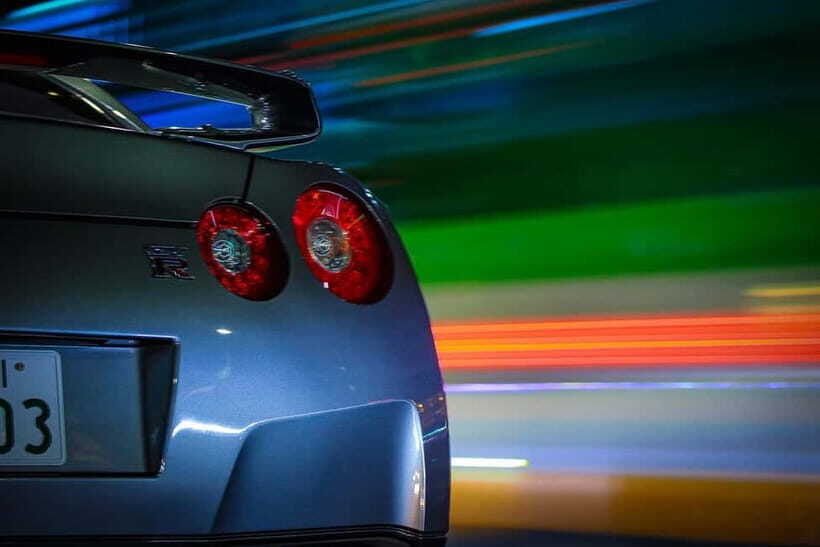
If you care about cars, the educational piece is a big part of the value. Jeremy is the kind of host who knows the scene from the inside, not just from watching videos.
You’ll likely learn:
- how the community operates and why it keeps moving at night
- how builds and car identity show up in styling and meets
- what draws people in, beyond the hype
- how to read the scene when you’re new to it
This is the kind of “local knowledge” you can’t fake with a generic guide. Even if you’ve watched JDM content online, being in the real places—and hearing the tone behind the culture—tends to land differently.
Also, you’ll be able to ask questions during the night. That’s the advantage of a private format. In a big group, questions get swallowed. Here, they can actually be answered.
Crowds, control, and why the tour avoids the tourist-trap feeling
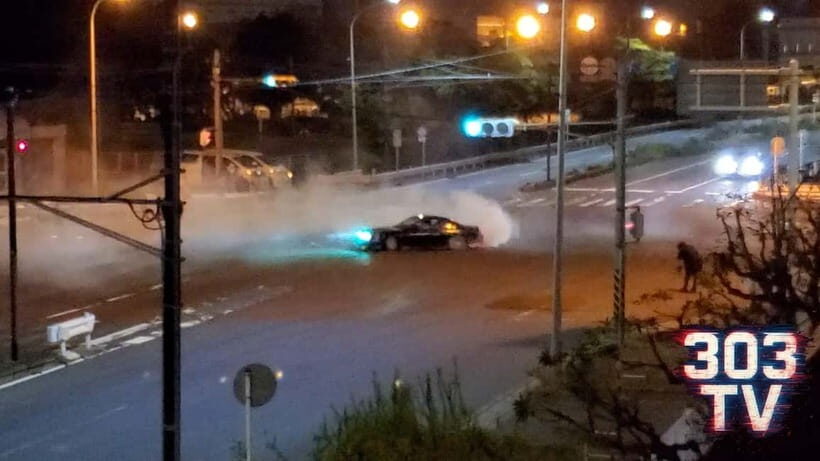
I appreciate that this tour isn’t built around crowds. Midnight Rush is not overcrowded and it’s intentionally small-group. No big buses. No gimmicks. That matters because street culture can feel awkward when you’re surrounded by people who are only there for the photo op.
Instead, the vibe is more like: you’re visiting a real hobby space after hours. You watch. You listen. You get a brief human explanation. And you get pulled away from the busiest daytime noise.
This also helps with safety and comfort. When fewer people are involved, it’s easier for the guide to manage the pacing and the rules around where you can be and what kind of behavior is expected.
Who this tour is best for (and who should skip it)
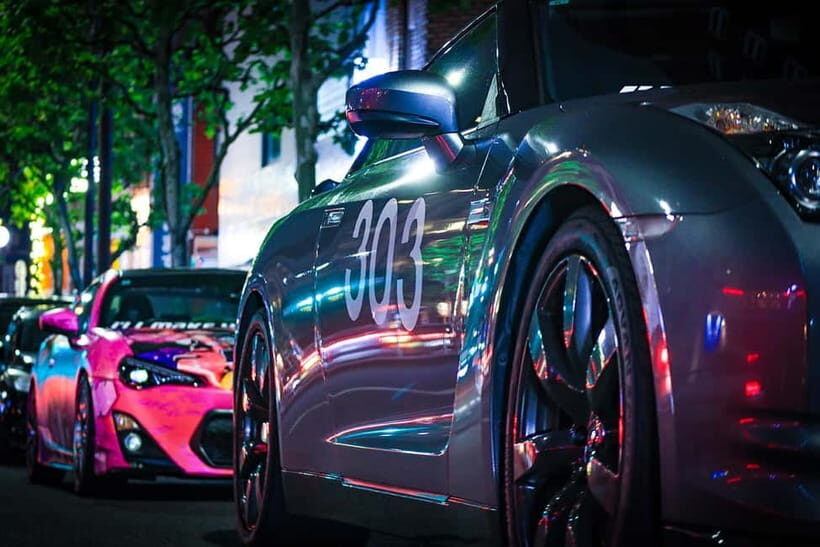
Midnight Rush is aimed at car enthusiasts and thrill-seekers who are curious about Tokyo’s underground scene—without the lawless angle.
You’ll likely love it if:
- you want a genuine night experience, not a daytime museum vibe
- you enjoy tuned cars, styling, and meets
- you prefer private tours over crowded group schedules
- you’re okay with a late departure and a night-drive format
You should consider skipping it if:
- you’re traveling with kids under 12 (it’s not suitable for them)
- you only want mainstream Tokyo sights (this is car culture at night, not landmark touring)
- you’re expecting guaranteed drifting displays on every single night, because the tour is designed around safe proximity and real-world spontaneity
What can go wrong: the one caution I’d actually take seriously
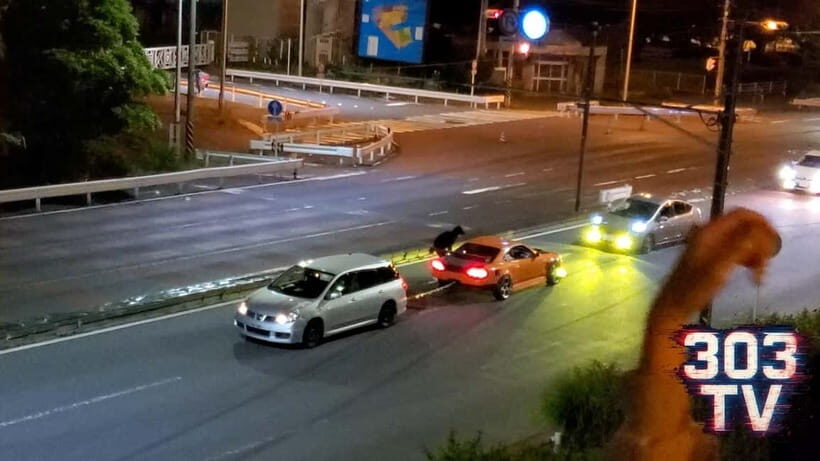
Everything about Midnight Rush is set up to be authentic and legal. Still, a real community scene means real-world variables.
The biggest practical risk is that the specific car experience may not match expectations if something mechanical comes up. One reported booking described a case where the car wasn’t operating and the tour outcome shifted, with the group not getting the promised elements beyond a car meeting vibe.
So here’s the advice I’d give you: if the exact car model or the drift-focused aspect is the whole reason you booked, message or ask ahead about what you’ll be riding in that night and what the experience tends to include. That’s the simplest way to reduce disappointment.
Timing and energy: handling a midnight start
This tour starts around 11:30pm, and it lasts about 3 hours. That puts it in the zone where:
- you don’t want to be hungry, but you also don’t want to eat too late and feel sluggish
- you need patience for late-night meeting points
- you should plan your day so you’re not running on fumes
If you’re the type who loves night photography, this is also a strong match. Cars under streetlight look different. Even without trying hard, the visuals feel cinematic.
Camera and etiquette: how to get good moments without being a problem
You’re encouraged to bring curiosity and cameras. Good. Just use common sense in a street-culture setting:
- keep your filming respectful and avoid blocking people or obstructing movement
- ask before getting close if the group looks busy
- remember you’re there as a visitor to a real hobby space, not as an outside production crew
Because the tour is family friendly and legal, it’s usually easier to blend in—if you act like a guest.
Accessibility and age: knowing the limits up front
Midnight Rush is wheelchair accessible, which is great for travelers who need that option. It’s also described as teen-friendly and welcoming to respectful guests of all backgrounds.
The clear limitation: it’s not suitable for children under 12. If you’re traveling with younger kids, you’ll need a different type of Tokyo tour.
Languages and communication: English and Japanese guide support
Your guide is available in English and Japanese, which matters a lot for a tour like this. Car culture has its own vocabulary, and the difference between a basic explanation and a real explanation can be huge.
If you speak some Japanese, you’ll probably catch even more. If you don’t, you’ll still get enough detail from the English guide coverage to understand what you’re seeing and why it matters.
Should you book Midnight Rush?
If you’re a car person, or you want one unforgettable “Tokyo at midnight” moment that actually feels real, I think you should book—especially if you’re traveling with one or two friends and want the best value from the per-group price.
Book it if:
- you can handle the late start and want a night-driving experience
- you’re curious about legal street culture and how the scene works
- you like private tours with a real host, not a crowd
Skip it if:
- you need guaranteed scripted entertainment
- drifting or racing action is your non-negotiable requirement
- you’re traveling with children under 12
One last practical move: since the experience is centered on a specific tuned ride and can vary, confirm what vehicle you’ll be in on your date. If that lines up with your expectations, this is exactly the kind of Tokyo tour that makes the city feel personal.
FAQ
Where is the meeting point?
You meet at a grey building near the Gorilla restaurant, close to a 7-11. The other side has Mobius on a blue sign, and the garage opens about 20 minutes before departure.
What time does the tour depart?
Departure is around 11:30pm, and the Shinjuku meeting point is in place before that.
How long is the tour?
The tour lasts about 3 hours.
What’s the price and group size?
It’s $174 per group, up to 3 people.
What languages is the guide available in?
The live tour guide is available in English and Japanese.
Is it suitable for children and is it wheelchair accessible?
It is wheelchair accessible, but it is not suitable for children under 12 years old.