REVIEW · OSAKA
Osaka Small Group Sashiko Japanese Craftmanship Workshop
Book on Viator →Operated by Pinpoint Traveler, Inc · Bookable on Viator
Sashiko is small stitches with big meaning. In Osaka, this 2-hour small-group workshop pairs a clear introduction to the craft with hands-on guidance from Jun, so you understand what you’re making and why it matters. I like the way the session starts with the history and symbolism behind Sashiko patterns, not just the mechanics. I also like that you’re leaving with a completed take-home piece (like a coaster) and the supplies are handled for you.
One consideration: you’re on your own for getting to the venue, and the activity can be canceled if weather is poor.
In This Review
- Key things to know before you go
- Osaka Sashiko Workshop: what you do in 2 hours
- Meet Jun and learn Sashiko’s practical roots
- The stitching part: geometric stitches you can actually finish
- What you take home (and why it feels worth it)
- Tools, materials, and guidance: the value math
- The relaxed atelier feel (plus what to expect from the vibe)
- The pattern meaning lesson: how symbolism turns into stitch choices
- Shopping corner next door: practical souvenirs that stitch well
- Price and logistics: what to plan for
- Who this workshop is best for
- Should you book it?
- FAQ
- FAQ
- How long is the Sashiko workshop in Osaka?
- What does the $68.29 price include?
- Who teaches the workshop?
- Will the workshop be in English?
- Is transportation included in the workshop price?
- How big is the group?
- What kind of item will I make?
- What is the meeting point address?
- Does it return to the meeting point after the workshop?
- Is weather an issue for this experience?
- Is free cancellation available?
Key things to know before you go
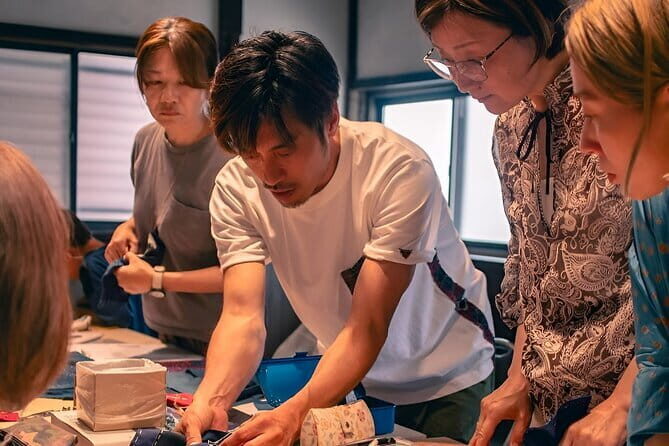
- Maximum 8 people means more time with the instructor and less waiting around
- English guidance with an experienced teacher, Jun
- You’ll learn basic Sashiko stitches on real fabric during the workshop
- Expect a short lesson on history and pattern meaning, from practical origins to symbolic design
- Tools and materials are included, so you won’t need to hunt down supplies
- There’s a nearby shopping corner with JunAle items, sewing kits, hand-dyed threads, and clothing
Osaka Sashiko Workshop: what you do in 2 hours
If you have a crafty afternoon blocked out, this is a great use of time. The workshop runs about 2 hours and is designed to be beginner-friendly while still satisfying if you already sew. You’ll start with a short cultural and historical context, then move into guided stitching, and finish by taking a completed item home.
The pace matters. A lot of workshops either rush you into making something or stay too theoretical. This one aims for the middle: enough background to make the stitches feel intentional, then enough practice so you finish with confidence.
A few more Osaka tours and experiences worth a look


Meet Jun and learn Sashiko’s practical roots
Sashiko literally means little stabs, and that detail sets the tone. The craft has deep roots in Japan, dating back to the Edo period (1603–1868), when it was used to reinforce and insulate clothing. Over time, the same sturdy technique became more than utility and grew into a pattern language with meaning.
In this workshop, you’ll get that story upfront. You’re not just memorizing stitch names. You’re learning how a practical method turned into a respected craft. That context is exactly what makes Sashiko feel more than a hobby for an afternoon.
The stitching part: geometric stitches you can actually finish
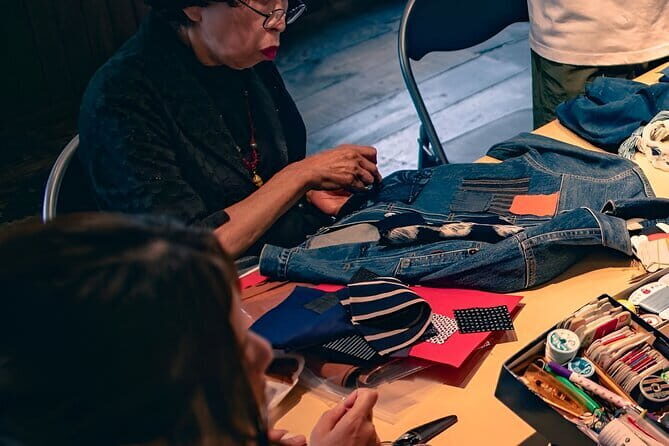
After the introduction, you’ll get the basic technique demonstrated, then you’ll work on your own project. The focus is on creating precise, geometric stitches on fabric. Even if you’ve never sewn before, you’re given the structure to follow and the time to repeat the stitch until it looks right.
This is where small-group size helps. With a maximum of 8 travelers, the instructor can help you adjust your rhythm and needle placement. If you get stuck, you’re not stuck for long.
The workshop also comes with the right kind of pressure: supportive, not rushed. You’re aiming to finish a take-home piece, so the session stays practical.
What you take home (and why it feels worth it)
You’ll leave with a completed Sashiko project, such as a coaster. Since the materials are provided, you don’t spend your trip chasing needles, fabric, or matching thread.
That take-home item is more than a souvenir. It’s proof you learned a real technique—something you can use, show, or remake later. Sashiko stitches are meant to be visible and intentional, so your coaster or finished piece becomes a small wearable idea in your everyday life.
Tools, materials, and guidance: the value math
At $68.29 per person, the first question is: what are you paying for? Here, a lot is included. The workshop provides all necessary tools and materials—fabric, needles, threads, and Sashiko-specific tools—plus an experienced instructor.
In other words, you’re paying mostly for instruction and a structured outcome. For a craft workshop, that matters. If you’ve ever bought supplies and then stalled at home, you already know the hidden cost of “self-guided learning.” This format reduces that risk.
Also, English instruction is included, which can dramatically change the experience. Learning a stitch by visuals is one thing; learning why it’s done that way is another.






The relaxed atelier feel (plus what to expect from the vibe)
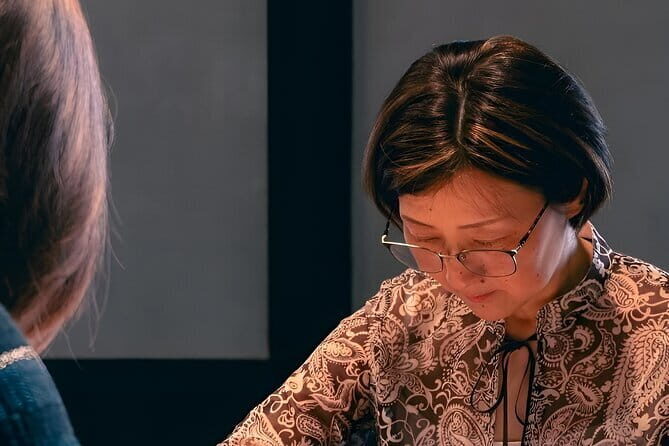
The workshop environment is described as relaxed and calm. That fits the craft itself. Sashiko is repetitive by design, and it rewards patience. In a setting that doesn’t feel hectic, you can focus on getting the lines even and the spacing consistent.
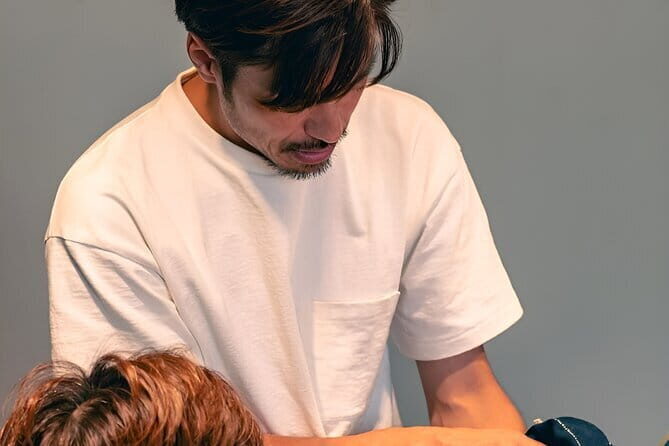
You’ll also get a lot of explanation in plain terms. The instructor, Jun, is patient and guides you step-by-step, including demonstrations of basic stitches and examples of Sashiko creations. If you’re the type who worries you’ll mess up, this is the kind of class that helps you keep going.
The pattern meaning lesson: how symbolism turns into stitch choices
This workshop includes cultural insights: the history, significance, and symbolism of various Sashiko patterns. Even if you don’t consider yourself a “culture person,” that part helps you look at your own work differently.
Geometric stitch patterns aren’t just decoration. They connect to tradition and the way patterns can communicate ideas. Learning a bit of that before you stitch changes how you pay attention while working. You’re not just copying. You’re participating in a visual system.
Shopping corner next door: practical souvenirs that stitch well
Right by the workshop area, there’s a little shopping corner. This matters if you want to keep the craft going after class. You’ll find JunAle original goods, sewing kits, hand-dyed threads, and clothing.
There’s also mention of discounts for cash payments, so if you’re keeping some yen on hand for small extras, it can pay off here. Even if you don’t buy anything, browsing is worth it because thread choices and fabric quality make a huge difference in Sashiko results.
Price and logistics: what to plan for
The big logistics are simple: you’re in Osaka, the workshop is about 2 hours, and you’re expected to make your own way to the meeting point. The address is 1-chōme-4-18 Shigita, Joto Ward, Osaka, 536-0015, Japan. The activity ends back at the meeting point.
You don’t have to worry about complicated add-ons. The workshop includes tools and materials, and you take your finished item home. If you like craft experiences that feel complete—start to finish—this checks that box.
One more small planning note: the experience is described as requiring good weather. If it gets canceled due to poor weather, you’ll be offered a different date or a full refund. So I’d try to book it as one of your flexible afternoon plans, not your last-stop itinerary piece.
Who this workshop is best for
This is a strong match if you:
- Want a small-group craft class with real instruction, not a rushed demo
- Like when culture is explained in context, especially Japanese tradition
- Prefer a structured activity that ends with an object you can use
It’s also fine if you’ve stitched before. The workshop covers the fundamentals and aims for precision, so even experienced crafters can appreciate the method and pattern meaning.
If you’re traveling with limited time, it’s also a good fit. Two hours is long enough to learn and finish something, but short enough not to steal your whole day.
Should you book it?
I’d book it if you want a calm, focused craft experience with a strong cultural backbone. The combination of English instruction, Jun’s guidance, and supplies included makes it feel low-stress and high-reward. You’re not just watching. You’re producing a finished piece and learning how to do it.
Skip it only if you hate hands-on activities or you’re looking for something strictly sightseeing-focused. This is about stitching, pattern meaning, and taking the technique home with you.
FAQ
FAQ
How long is the Sashiko workshop in Osaka?
It lasts about 2 hours.
What does the $68.29 price include?
It includes all necessary tools and materials, instruction from an experienced instructor, and you’ll take home a completed Sashiko project (such as a coaster). Cultural insights are also included.
Who teaches the workshop?
The workshop is guided by an experienced instructor named Jun.
Will the workshop be in English?
Yes. The guide language includes English.
Is transportation included in the workshop price?
No. You’re responsible for getting to the venue.
How big is the group?
This activity has a maximum of 8 travelers.
What kind of item will I make?
You’ll create a completed Sashiko project, such as a coaster, and take it home.
What is the meeting point address?
The meeting point is 1-chōme-4-18 Shigita, Joto Ward, Osaka, 536-0015, Japan.
Does it return to the meeting point after the workshop?
Yes. The activity ends back at the meeting point.
Is weather an issue for this experience?
The experience requires good weather. If it’s canceled due to poor weather, you’ll be offered a different date or a full refund.
Is free cancellation available?
Yes. You can cancel for a full refund up to 24 hours in advance of the experience start time.