REVIEW · YOKOHAMA
Private Daikoku Parking Area, Hakone turn Pike, Umihotaru Tours
Book on Viator →Operated by Fast Freds Private Car Tours · Bookable on Viator
Car culture in Japan starts at a parking lot. This private outing builds around the Daikoku Parking Area scene—iconic customized cars—then adds two scenic stops tied to Hakone. I especially like the simple one-price private setup for up to four people, and I love that your guide, Fred, helps you move through the moment without stress.
You’ll also get real variety: Umihotaru adds a different vibe with ocean views on a man-made island you reach by bridge or a tunnel under the sea. One watch-out: Mount Fuji views from the Hakone Turnpike area depend on the weather, and some days can be cloudy with low visibility.
In This Review
- Key Highlights You’ll Feel Right Away
- Why Daikoku Parking Area Is More Than a Photo Stop
- Private Yokohama Pickup and How the Day Flows
- Stop 1: Daikoku Parking Area and the Customized Car Culture Scene
- What to keep in mind at Daikoku
- Stop 2: Umihotaru Island for Ocean Views and Easy Food Time
- Why Umihotaru is a smart add-on
- Stop 3: Hakone Turnpike Parking Area for Fuji Views (When Clear)
- A few practical notes for Hakone Turnpike
- Price and Value: Paying One Group Price for Real Time
- Booking ahead: when timing matters
- What to Bring, What to Skip, and How to Enjoy the Stops
- Who This Tour Suits Best (And Who Might Prefer Something Else)
- Should You Book This Daikoku + Umihotaru + Hakone Route?
- FAQ
- How long is the tour?
- What does the tour cost and how many people can go?
- Where do we meet?
- Is this a private tour?
- Is there a mobile ticket?
- What is included, and what is not?
- Does the tour work on cloudy days?
- What’s the cancellation policy?
Key Highlights You’ll Feel Right Away

- Private car time for up to four: one group price means you’re not paying per person
- Fred’s car-scene know-how: he’s communicative and guides you on where to look and when to go
- Daikoku Parking Area focus: plenty of time to see customized cars and enjoy the atmosphere
- Umihotaru’s bridge-or-tunnel approach: a fun change of pace with great ocean views
- Hakone Turnpike twisty roads: scenic driving plus Mount Fuji odds when the sky clears
Why Daikoku Parking Area Is More Than a Photo Stop
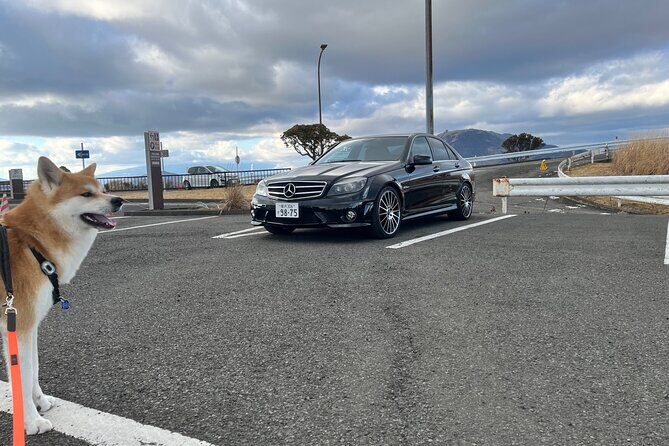
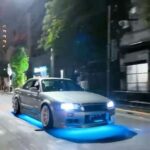
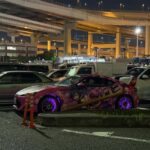
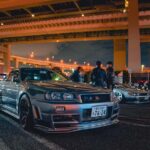
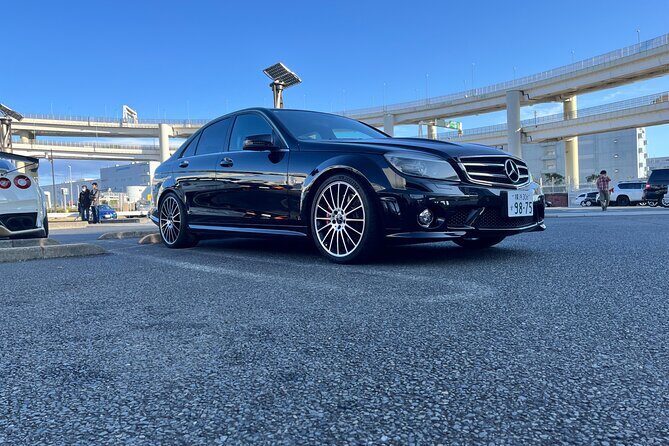
Daikoku Parking Area in the Yokohama region has a reputation for a reason. It’s where you can see the kind of customized Japanese car culture that looks bigger than life. Up close, the details are the point: the stance, the finishes, the way cars are set up for style and sound.
What makes this tour work is that it doesn’t treat Daikoku like a quick drive-by. You’re there long enough to actually take it in, and Fred’s guidance helps you avoid wandering around aimlessly while everyone else is focused on photos.
You can also read our reviews of more private tours in Yokohama
Private Yokohama Pickup and How the Day Flows
This is a private tour, meaning only your group goes. The pricing is per group (up to four passengers), which is a big deal if you’re traveling with friends or family rather than solo. Expect a total duration that can run from about 2 to 6 hours depending on the specific option you choose and how much time you spend at each stop.
You’ll meet at the designated pickup point in Yokohama: Minamisaiwai area at Fudeディーズポート (220-0005, Kanagawa, Yokohama, Nishi Ward, Minamisaiwai, 1-chōme6-31). The tour ends back at the same meeting spot, so you don’t have to think about getting yourself between attractions.
You’ll also receive a mobile ticket. That matters in Japan, where having everything ready on your phone saves time.
Stop 1: Daikoku Parking Area and the Customized Car Culture Scene
Daikoku is the heart of this outing, and it’s built around one simple idea: see cars, talk cars, and enjoy the vibe without rushing. The tour stop here is listed at about 2 hours, and the attraction is straightforward—customized Japanese cars in an outdoor setting designed for viewing.
Here’s what makes this better with a guide. Fred has a real passion for the car scene, and that shows in the way he helps you navigate. One of the most useful things he provides is practical timing advice—he knows when to go so you get the best experience out of the time slot you have. He’ll also share tips about how the night usually goes, which is handy if you’re not familiar with how Daikoku’s energy changes as the evening progresses.
Admission at this stop is free, so your money goes to the private transportation and the time you spend there, not extra entry fees.
What to keep in mind at Daikoku
- Bring a plan for photos, but don’t only chase pictures. Looking at car details takes time.
- Keep your expectations flexible. Daikoku is a scene, and what you see can vary by time and conditions.
- If you care about comfort, wear shoes you can stand in. Two hours passes faster than you think when you’re walking and looking.
Stop 2: Umihotaru Island for Ocean Views and Easy Food Time
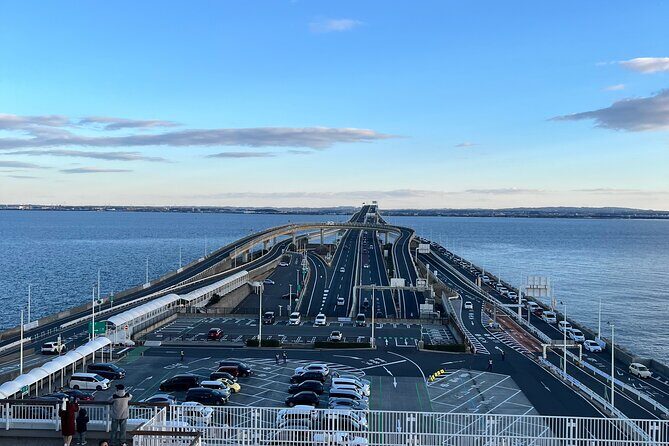
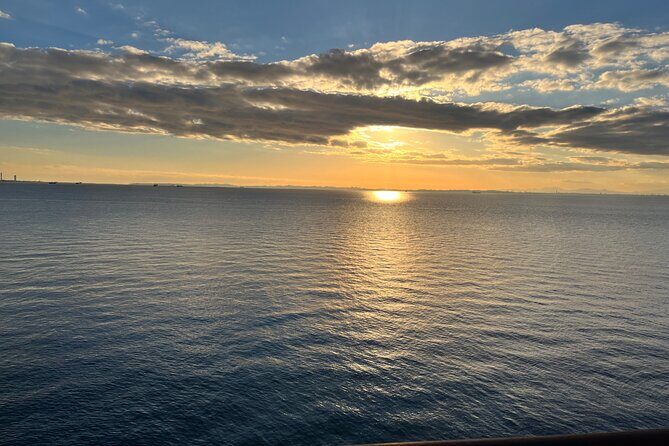
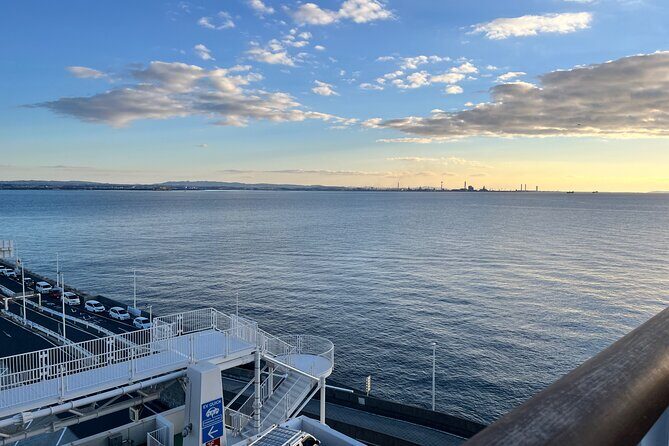
After Daikoku, the day shifts gears to Umihotaru. This man-made island is accessed either by bridge or via a tunnel that runs underneath the ocean. That concept alone makes it worth a stop, because you’re not just viewing water—you’re literally moving through a piece of infrastructure built to connect land and sea.
The tour includes admission time here (listed as included), and the main draw is the view. You can also grab a bite to eat or drink from the restaurants on the island, which helps if you don’t want to force lunch into a tight schedule.
Two hours at Umihotaru is a good pacing choice. It gives you enough time to walk, take photos, and get food without turning the island into a five-minute photo stop.

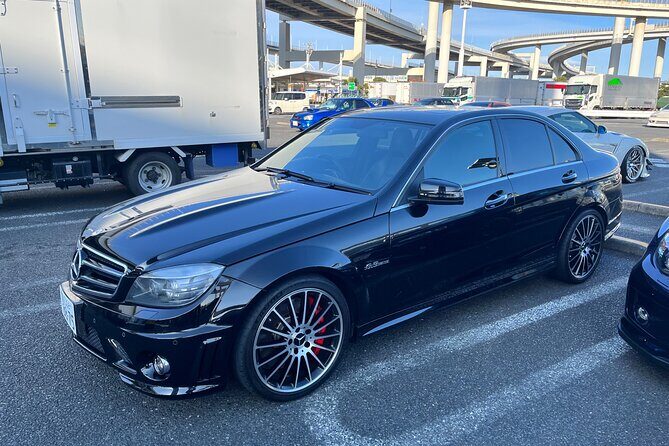
Why Umihotaru is a smart add-on
Daikoku is specific: cars. Umihotaru is different: water, sky, and a sense of being out near the coastline. That balance makes the whole tour feel less like a single-interest checklist and more like a real half-day in the area.
Also, because lunch and dinner aren’t included, the Umihotaru stop gives you an easy chance to handle a meal in a natural way—rather than eating whatever is closest.
Stop 3: Hakone Turnpike Parking Area for Fuji Views (When Clear)
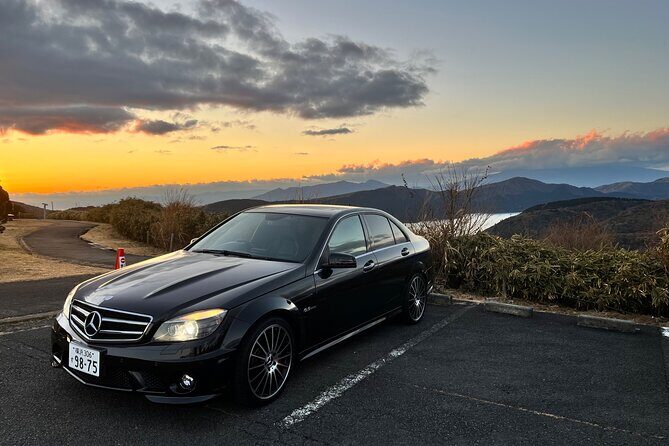
The final scenic piece comes with the Hakone Turnpike drive. You’ll head to the Hakone Turnpike Daikanyama Parking lot, and the idea is simple: enjoy the twisty roads and the views, including Mount Fuji when weather permits.
This stop is also scheduled at about 2 hours and includes admission. The big reality check is right in the description: some days are cloudy and have low visibility. That doesn’t make the stop pointless. Even without a clear Fuji, the drive on winding roads and the viewpoints from the parking area can still be enjoyable.
The tour timing matters here too. Fred can help you think about when visibility might improve, and he’s the kind of guide who gives practical tips instead of leaving you to figure it out on your own.
A few practical notes for Hakone Turnpike
- Keep your layers in mind. The tour depends on good weather, and temperatures can shift with elevation and coastal air.
- If Fuji is not visible, focus on the drive experience and the general scenery at the parking lot.
- Give yourself time to look. Parking lots at viewpoints are easy to rush through, but the best views take a moment to settle in.
Price and Value: Paying One Group Price for Real Time
The price is $130.64 per group for up to four passengers. On the surface, that’s a single number, but here’s what makes it feel like value: you’re buying private transportation that bundles multiple experiences without per-person pricing.
If you split that cost across a group, the effective price per person often looks much more reasonable than hopping between spots on public transit, especially when you’re trying to connect Daikoku with the Hakone side and then add Umihotaru.
You’re also getting the included extras that reduce decision fatigue:
- Bottled water is included
- Admission is free at Daikoku and included at Umihotaru and the Hakone Turnpike parking area
What’s not included is also important. Lunch, dinner, snacks, and alcoholic beverages are not included. That means you’ll need to plan meals yourself, but the itinerary is arranged so you can eat naturally at Umihotaru during the island stop.
Booking ahead: when timing matters
This tour is booked on average about 41 days in advance. If you want a specific day in a busy stretch or you care about optimizing the chance of clear views over Fuji, earlier booking makes your life easier.
What to Bring, What to Skip, and How to Enjoy the Stops
For a tour like this, your “gear list” is mostly about comfort and photo readiness. Daikoku and the viewpoint stops involve walking and waiting for the right angles.
Bring:
- Comfortable shoes for standing and walking
- A phone camera with enough storage
- A light layer for changing outdoor conditions
Consider skipping:
- Over-planning lunch far in advance, because you’ll have a built-in chance to eat at Umihotaru
- Packing heavy items you won’t use. The tour is about looking out and moving around at each stop, not long museum-style time
Also, use Fred’s tips. The reviews highlight how he guides the experience with timing and clear communication. When a guide tells you when to arrive and where to look, it saves you from wasting time figuring it out on the fly.
Who This Tour Suits Best (And Who Might Prefer Something Else)
This is a strong fit if you love cars, want to see Japan’s customized car culture in a real setting, and you don’t want the hassle of piecing together multiple transit legs across the region. It’s also ideal if you’re traveling with up to three other people and want one simple group price instead of paying per person.
It’s a good match for couples too, since two people can share the group cost. And for groups of friends, the “car scene” focus works well because the experience is easy to share—everyone sees the same cars and talks through what they like.
If you’re only chasing Mount Fuji in the strictest sense, keep your expectations flexible. The tour explicitly depends on weather for visibility, and low visibility days can happen.
Should You Book This Daikoku + Umihotaru + Hakone Route?
I’d book it if you want a mix of car culture and scenic Japan in one private day, with Fred handling the hard part: timing, navigation, and making the stops feel coherent. The one-price-per-group structure is a practical win for small groups, and the inclusion of bottled water plus entry for the scenic stops helps keep the day from turning into a pile of extra costs.
I’d think twice if Fuji visibility is your only priority, because the view depends on weather. If Fuji doesn’t show, you still get a memorable drive on twisty roads and the Umihotaru ocean setting, but the “wow” moment may be different than you planned.
If you’re excited about customized cars and you want a smooth, guided route that connects those sights without stress, this is one of the easier ways to make the most of your time near Yokohama.
FAQ
How long is the tour?
The duration is listed as about 2 to 6 hours, depending on the option and how you pace each stop.
What does the tour cost and how many people can go?
It costs $130.64 per group for up to 4 passengers.
Where do we meet?
The meeting point is at Japan, 220-0005 Kanagawa, Yokohama, Nishi Ward, Minamisaiwai, 1-chōme6-31 Fudeディーズポート.
Is this a private tour?
Yes. It’s private, so only your group participates.
Is there a mobile ticket?
Yes, the tour uses a mobile ticket.
What is included, and what is not?
Included: bottled water, Daikoku stop admission is free, and admissions at Umihotaru and Hakone Turnpike parking area are included. Not included: lunch, dinner, snacks, and alcoholic beverages.
Does the tour work on cloudy days?
The experience requires good weather. Mount Fuji views at the Hakone Turnpike stop are weather dependent, and some days can be cloudy with low visibility.
What’s the cancellation policy?
Free cancellation is available up to 24 hours in advance for a full refund. If you cancel less than 24 hours before the start time, the amount paid is not refunded. The cutoff is based on local time.
If you want, tell me your travel month and whether you care more about car culture or Fuji views, and I’ll help you decide which option to pick and how to plan your timing for the best odds.
![[1 Group Only] Osaka Street Food Tour for Family - What you eat on this tour (and what you’ll likely add)](https://images.thejapantraveler.com/wp-content/uploads/1-group-only-osaka-street-food-tour-for-family.jpg)