REVIEW · KYOTO
Kyoto: Newly Opened Sake Tasting – Sanjo Chasuian
Book on GetYourGuide →Operated by Sanjo Chasuian · Bookable on GetYourGuide
Sake tastes different when you change the cup. At newly opened Sanjo Chasuian, I like the straight, 80-minute format and the way a certified instructor greets you in kimono, setting the tone right away. One thing to consider: it’s a shared small-group session, so you’ll be tasting alongside other visitors rather than getting a private lesson.
My favorite part is the vessel lesson. You’ll sample sake in different cups, and you’ll learn how that choice can shift aroma and flavor. Bonus: it’s a quick 5-minute walk from Karasuma Oike station, which makes this an easy Kyoto plan when you want something focused but not time-consuming.
In This Review
- Key things to know before you go
- Kyoto sake tasting at Sanjo Chasuian: the vibe and what you’re really buying
- Getting there: Karasuma Oike is your friend
- The welcome in kimono and your first taste of the lesson
- The tasting plan: 7 sake types, snack pairing, and a welcome drink
- Why the vessel changes everything: cups, aroma, and your own preferences
- Your timeline: what the 80 minutes feel like on the ground
- Price and value: is $50 actually fair?
- Who this fits best (and who should skip it)
- Practical tips that make the tasting smoother
- Should you book Kyoto: newly opened Sanjo Chasuian sake tasting?
- FAQ
- How far is Sanjo Chasuian from Karasuma Oike station?
- How long is the Kyoto sake tasting experience?
- Is this a private tour or a group session?
- What’s included in the price?
- Is the instructor’s language English?
- What is the age requirement?
- What if I have dietary restrictions, need an interpreter, or want to cancel?
Key things to know before you go
- A freshly opened spot near Karasuma Oike: fast access from the subway, ideal for a tight itinerary
- A certified instructor in kimono: English guidance with real sake instruction behind it
- 7 sake types paired with snacks: the food isn’t filler; it’s part of the learning
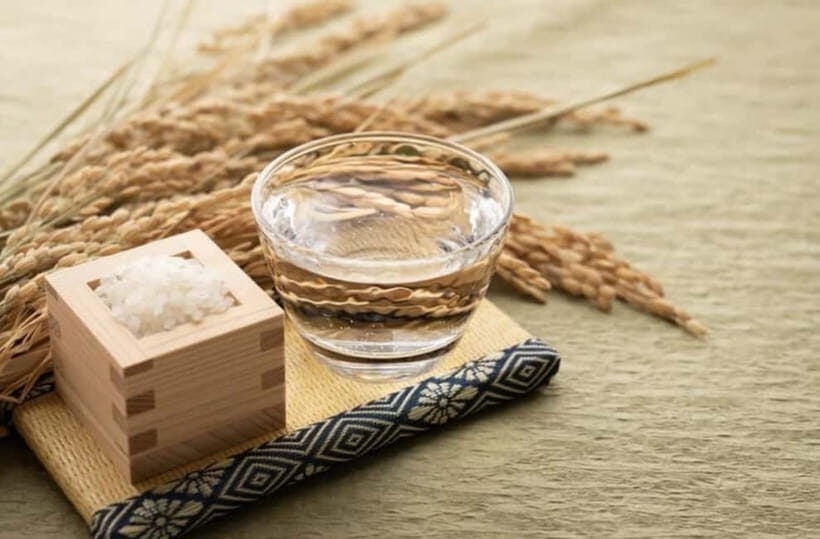
- Multiple sake vessels: you compare taste and smell by switching the cup
- Beginner-friendly tasting skills: you learn how to read labels and pick bottles you’ll actually like
Kyoto sake tasting at Sanjo Chasuian: the vibe and what you’re really buying
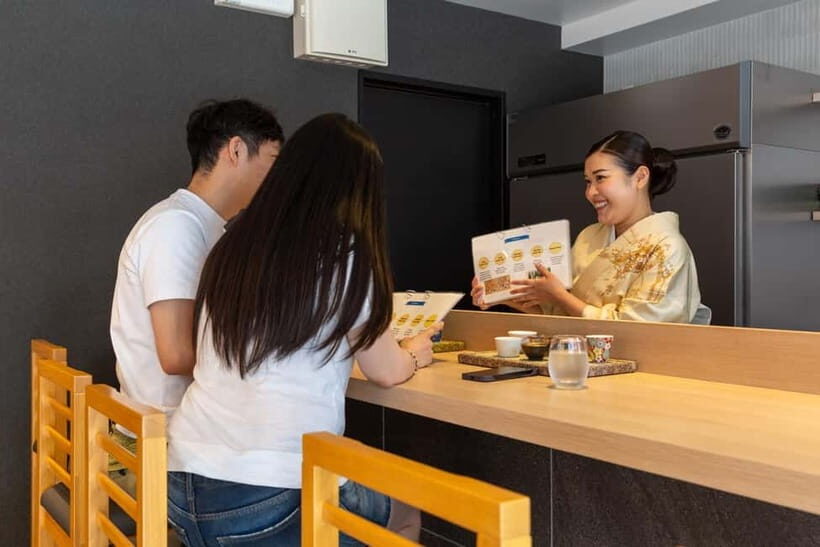
Sanjo Chasuian is the kind of place that feels made for people who want to understand what they’re drinking, not just knock back small pours. It’s newly opened, and the experience is designed to land in the sweet spot: enough explanation to make you smarter, but not so much that you feel dragged through a lecture. The pacing is built for an 80-minute session, with a small group limit of 6 participants.
The “real product” here is knowledge you can use later. You’re tasting 7 types of Japanese sake alongside snack pairings, and you’re also learning how sake is made, how regions and seasons affect flavor, and how to interpret what you see on labels. That means when you’re back in a shop—looking at rows of bottles that all sound the same—you’ll have a method to choose.
And yes, you’ll notice details you might otherwise miss. The experience leans hard into one practical idea: the same sake can taste different depending on the vessel. That’s not just trivia. It’s the fastest way to understand why people in Japan argue about cups, not just brands.
You can also read our reviews of more food & drink experiences in Kyoto
Getting there: Karasuma Oike is your friend
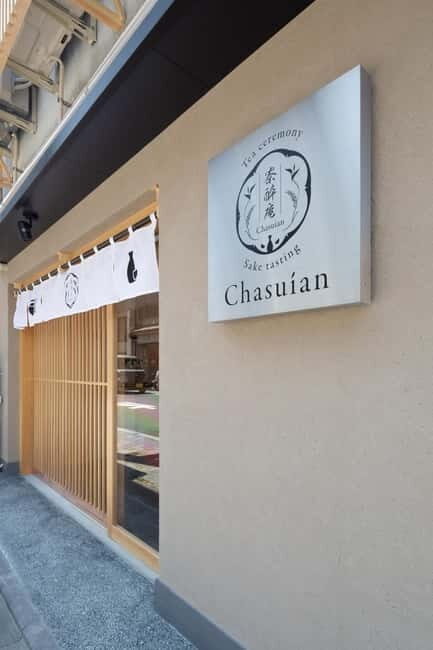
Location matters in Kyoto. This one is easy to plug in. You’ll be headed to Sanjo Chasuian, a 5-minute walk from subway Karasuma Oike station. The meeting instructions are simple: look for a big plate with the Sanjo Chasuian logo and name, open the door, and the staff will be waiting to welcome you.
Why I like this kind of setup: you’re not spending your whole evening negotiating transfers, wrong turns, and “where is this building” stress. Since the experience is only 80 minutes, you want a start point that doesn’t eat time.
The session also runs as a shared plan. That means you may not be the only group arriving at once, so it helps to be a little early. Even a 5–10 minute buffer keeps things smooth.
The welcome in kimono and your first taste of the lesson
You’re welcomed by a female instructor who holds the International Sommelier of Sake certification. She greets you in traditional kimono, which isn’t just for photos. It sets a respectful, cultural tone that matches what you’re about to learn.
Then the lesson starts. The instruction is in English, and the goal is confidence. You’ll get the basics of:
- sake history and how it’s rooted in Japanese culture
- brewing methods and how types of sake differ
- how to read and understand labels
If you’re a beginner, this is the key value. You don’t need prior knowledge to participate. The program is built to help you start thinking about sake like a person who can shop for it later, not like someone guessing at flavors.
Also, you’ll taste responsibly. There’s a clear rule that alcohol is strictly prohibited for anyone who is driving a car or riding a bicycle. If you’re biking in Kyoto, plan your timing so you’re not stuck making a hard call at the last minute.
The tasting plan: 7 sake types, snack pairing, and a welcome drink
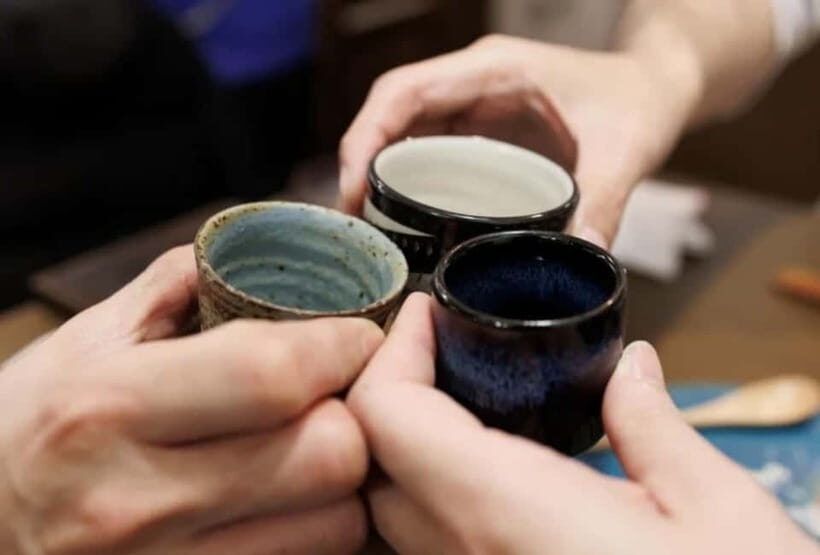
This is where your money turns into something you can taste. The experience includes a welcome drink plus 7 types of sake, for 8 sakes in total, along with snack pairing.
The way it’s framed matters. The snacks aren’t treated like an afterthought. Each pairing is designed so the food and sake share the spotlight. That’s useful because it teaches you a transferable skill: how flavors change when they meet something salty, savory, or starchy.
Here’s what you’ll likely find yourself doing as the tasting progresses:
- comparing aroma first, not just sipping
- thinking about sweetness, dryness, and overall balance
- noticing how the same sake can feel different once you switch to a new snack
- picking up practical pairing ideas you can use later when you order in a restaurant
And because it’s a small group session (max 6), the atmosphere stays interactive. It’s not a massive room where the learning floats past you.
Why the vessel changes everything: cups, aroma, and your own preferences
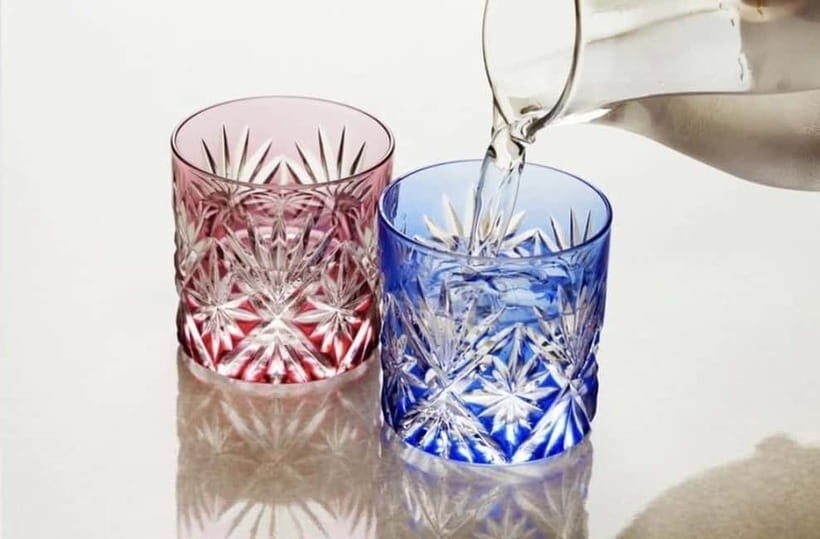
One of the most interesting parts is also the most “weird in a good way.” You’ll sample sake using a variety of sake vessels. The point isn’t just visual. The experience teaches that aroma and flavor can shift based on the cup or vessel you drink from.
In practical terms, that means you’ll get to compare:
- how the nose reacts when the drink hits the air differently
- how temperature perception can feel different depending on what you’re holding
- how your own preference changes when you stop thinking of sake as one fixed taste
This is also why I think this session works even for people who don’t consider themselves “foodies.” You’re not relying on fancy tasting vocabulary. You’re doing direct comparisons with your senses.
You’ll also be able to look at the visual side—shapes and design—but the real takeaway is personal. By the end, you’re not just saying which one you liked. You’ll have a better idea of what to look for next time.
You can also read our reviews of more drinking tours in Kyoto




Your timeline: what the 80 minutes feel like on the ground
The program runs 80 minutes. While the exact flow can vary by start time and group, the rhythm is usually this kind of sequence:
- Arrival and welcome
You’re greeted at the venue and seated either at table seats or a Japanese-style room.
- Intro lesson
You get guidance in English from the certified instructor. Expect sake basics plus tips on how to taste and how to read labels.
- First pours and snack pairing
You start tasting right away. The snack pairings help you understand the sake’s character rather than treating each pour as an isolated experience.
- Deeper tasting rounds
As you move through the 7 sake types, you’ll compare flavors and aromas with intentional attention.
- Vessel comparisons
This is the moment many people remember. You see and taste the difference that vessel choice makes.
- Wrap-up and next steps
The experience is designed to help you land on preferences. Many people finish by buying something they genuinely want to remember.
There’s also a shopping component. Your favorite sake and sake vessels can be purchased at the shop, so the lesson doesn’t evaporate at the end of the session.
Price and value: is $50 actually fair?
At $50 per person for 80 minutes, this isn’t a “spend less, learn less” experience. But it’s also not a high-end tasting where you pay for only luxury. The value comes from what’s included:
- welcome drink
- 7 types of sake (8 sakes total)
- snack pairing
- instruction in English by a certified instructor
- vessel variety, so you’re comparing more than just brands
If you compare it to the cost of buying multiple bottles and then doing “educated guessing” at home, the tasting format starts to look like a bargain. Especially because you’re learning how to pick sake based on what you actually like.
Also, there’s a grand opening discount running until September 15th. If your trip lands before then, that’s your best-case scenario for value.
In plain terms: this is worth it if you want a guided start into Kyoto’s sake world, and you’d rather learn the basics than wander a shop hoping luck does the teaching.
Who this fits best (and who should skip it)
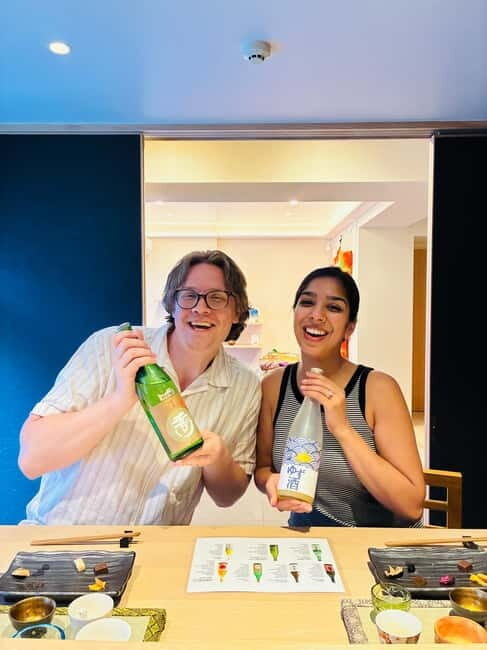
This Kyoto experience fits best if you:
- want a beginner-friendly introduction to sake
- enjoy food-and-drink pairings that feel purposeful
- like short sessions that don’t wreck your day
- are curious about how details like vessel shape taste
It may be less ideal if:
- you prefer private one-on-one instruction (this is limited and shared)
- you’re under 20 years old (participants must be 20+)
- you need a strictly non-alcohol experience, since the program includes sake tasting (with a specific rule only for people driving cars or bicycles)
If you’re traveling with an interpreter, you can still join. Just note that the interpreter is treated as a participating guest for the participation fee as well.
Practical tips that make the tasting smoother
A few small things can help you get more out of the session:
- Tell them dietary restrictions ahead of time. You can email or WhatsApp, and they’ll do their best to accommodate.
- Arrive a few minutes early. With a shared plan, timing keeps everything calm.
- Use the vessel lesson actively. Don’t just taste and move on. Pause and compare.
- Don’t over-plan right after. You’ll likely want a minute to process your favorites before jumping back into Kyoto walking.
If you’re the type who likes to understand what you’re buying, you’ll also enjoy the label tips. They’re the kind of knowledge that makes your next meal or store visit feel less like guessing.
Should you book Kyoto: newly opened Sanjo Chasuian sake tasting?
Yes, if you want a compact, guided sake experience with real instruction, snack pairings that matter, and a fun twist through multiple sake vessels. It’s also a strong choice because the location is convenient—just a short walk from Karasuma Oike—so you can fit it without turning your day into logistics.
Skip it if you’re looking for a private, longform tour, or if you’re not comfortable with an alcohol tasting format. And if you hate shared group pacing, take that drawback seriously.
If you’re on the fence, here’s the decision rule I’d use: book this when you want skills. The tasting teaches you how to choose, not just what to drink.
FAQ
How far is Sanjo Chasuian from Karasuma Oike station?
It’s about a 5-minute walk from subway Karasuma Oike station.
How long is the Kyoto sake tasting experience?
The duration is 80 minutes.
Is this a private tour or a group session?
It’s a shared plan group session with other guests. The small group is limited to 6 participants.
What’s included in the price?
You get a welcome drink, 7 types of sake (8 sakes in total), and snack pairing.
Is the instructor’s language English?
Yes. Guidance and explanations are offered in English.
What is the age requirement?
Participants must be 20 years of age or older.
What if I have dietary restrictions, need an interpreter, or want to cancel?
You should inform the provider of dietary restrictions by email or WhatsApp, and they will do their best to accommodate. If you come with an interpreter, the interpreter will also be charged the participation fee as one guest. You can cancel up to 24 hours in advance for a full refund, and you can reserve now and pay later.