REVIEW · TOKYO
Samurai experience: art and soul of the sword
Book on Viator →Operated by Arumachi · Bookable on Viator
A sword lesson without sparring is surprisingly intense. This Iaido experience in Tokyo focuses on the values behind the blade, starting with etiquette and bushido before you ever swing. I love that the master frames sword skill as restraint and responsibility, not aggression, and I especially like the up-close solo demonstration that makes the techniques feel real.
One thing to plan for: the option to use a real sword has an 18+ requirement and you must sign a waiver. Even without the real-sword add-on, you’ll still want to wear comfortable clothes for changing, and the class expects a moderate physical fitness level for the stances and movements.
In This Review
- Key things to know before you go
- Samurai etiquette and Iaido values: what this is really about
- Kuramae Station to the dojo: your 1.5-hour flow
- Changing into samurai attire: where the lesson begins
- Cutting practice with a sword: cardboard, timing, and control
- The real-sword tatami roll option: who should choose it
- Watching the master solo: why the final demo matters
- Price and value in Tokyo: is $216.86 worth it?
- Who this samurai class is for (and who it isn’t)
- Should you book Samurai Experience: Art and Soul of the Sword?
- FAQ
- Where is the meeting point?
- What time does the experience start, and how long is it?
- How big is the group?
- Is there a real-sword option?
- What are the age requirements?
- Do I need to sign a waiver?
- Do I get anything at the end?
Key things to know before you go
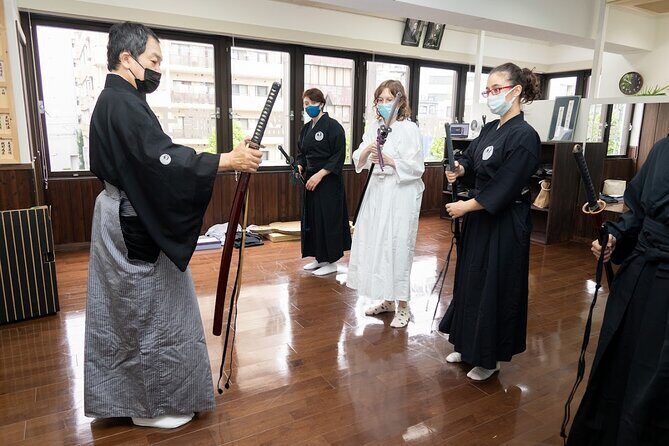
- Etiquette first, cutting second: you start with how to handle and respect the sword, not how to win a fight.
- Bushido as a lesson theme: discipline, courtesy, and restraint shape how you learn the movements.
- You practice with purpose: the session includes cutting a man-shaped cardboard target with a sword.
- Optional tatami roll cut: there’s an extra way to test your control using a real sword.
- Close-up master demonstration: you finish by watching the master solo so you can compare your effort to expert form.
- Small group size: the group caps at 10, which helps you get attention and stay safe.
Samurai etiquette and Iaido values: what this is really about
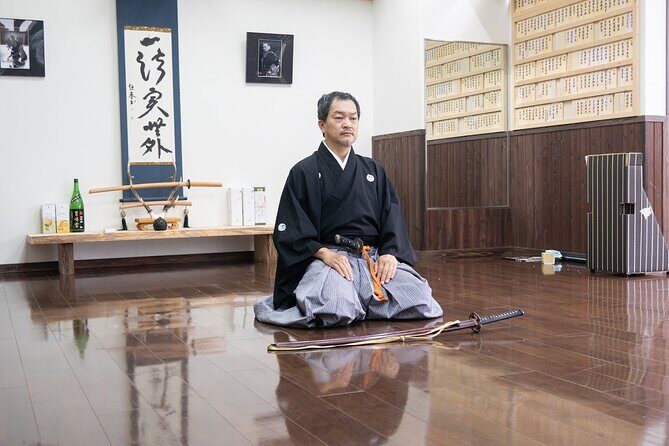
If your mental picture of samurai is all bravado, this class tweaks it fast. The lesson treats the sword as something you approach with humility and clarity. You don’t begin by learning flashy moves. You begin by learning how to behave around the sword and what bushido means in practice.
That difference is the whole point. In this Iaido style, the controlled, deliberate motion matters because it’s tied to decision-making. The blade isn’t portrayed as a tool for constant action. It’s presented as a last resort—something handled only when the situation demands it. That shift is both practical and memorable, because you can feel how the mindset changes your body mechanics.
I also like that the class doesn’t pretend modern tourists need to become warriors. Instead, it gives you a way to understand samurai thinking through etiquette, timing, and discipline. You walk out with a cleaner mental model: strength is not just physical. It’s self-control.
You can also read our reviews of more tours and experiences in Tokyo.



Kuramae Station to the dojo: your 1.5-hour flow
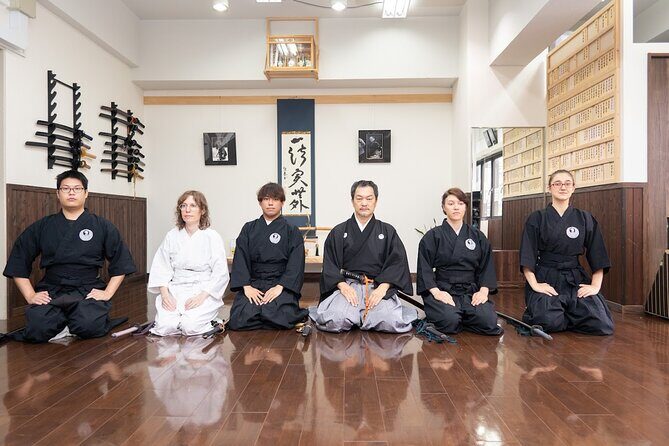
The experience starts at 9:00 am and returns you back to the same meeting point. Your meeting spot is Kuramae Station (2-chōme-3-1 Kuramae, Taito City, Tokyo 111-0051, Japan), and it’s near public transportation, which makes it easy to plug into a Tokyo morning.
Plan for about 1 hour 30 minutes total. That’s a short window, so the class moves with purpose. There’s no long lecture marathon. You change, learn the fundamentals, do the cutting practice, and then watch the master demonstrate. Because the group is kept to a maximum of 10, the pacing stays manageable and you’re not stuck waiting forever for your turn.
You’ll also use a mobile ticket, so have your phone ready. It sounds simple, but on busy Tokyo mornings, the smoother you keep check-in, the better the start feels.
Practical tip: wear pants you don’t mind adjusting with. You’ll be changing into samurai attire with a sword, and you’ll appreciate anything that lets you move comfortably.
Changing into samurai attire: where the lesson begins
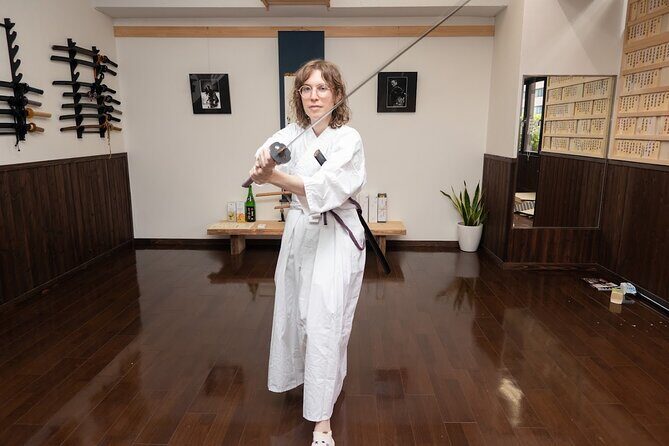
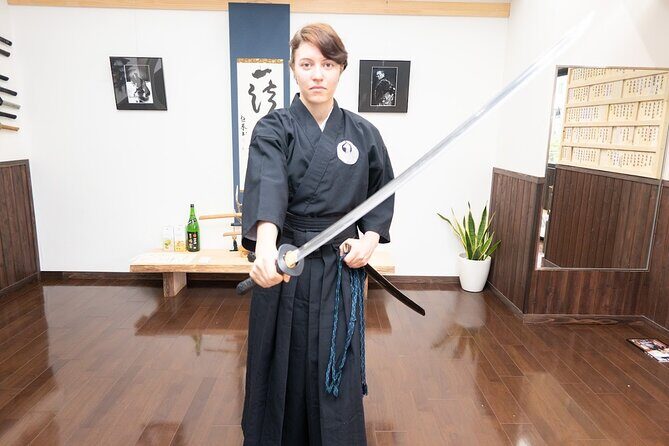
The class doesn’t start at the cutting target. It starts as soon as you arrive at the Iaido dojo. You change into samurai-style attire and take part in the proper setup around the sword.
That matters more than you might think. When the clothing and stance cues are part of the process, you stop treating the sword lesson like a casual demo. You become part of the ritual, even as a beginner.
Then the master brings you into the basics of how the experience flows. You’re taught the ideas behind sword handling and the kind of courtesy expected in the training space. The tone is calm, direct, and safety-focused. The biggest takeaway early on is that drawing or attacking isn’t something done lightly. In samurai thinking, you don’t rush. You decide, and you act with intent.
This is also where bushido shows up in everyday language: respect for the tool, respect for the people around you, and discipline in how you follow instructions.
Cutting practice with a sword: cardboard, timing, and control
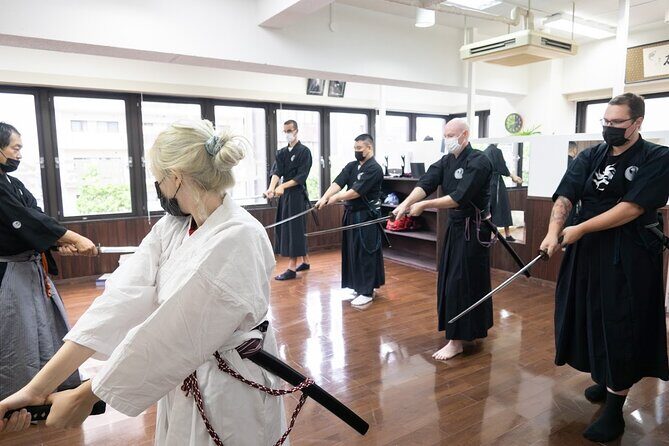
Once you’ve done the etiquette and setup, you move to the training action. In the main experience, you’ll cut a man-shaped cardboard target. The goal isn’t to power through. It’s to match the timing and movement that the master teaches.
Think of it like sports technique. If you throw all your strength at it, you lose form. If you focus on sequence and control, the cut becomes cleaner and the whole motion feels more coordinated. The class encourages exactly that.
The experience uses a style that many people associate with slicing mats or straw rolls. Even if you’re not doing the tatami cut in the base version, the lesson aims for the same kind of clean, efficient movement—sharp, precise, and controlled rather than wild.
You’ll likely find that your hardest part is not the physical act of swinging. It’s staying disciplined in the moment: listening, aligning your body, and executing what you were instructed to do. That’s where the bushido theme turns from talk into something you actually practice.
The real-sword tatami roll option: who should choose it
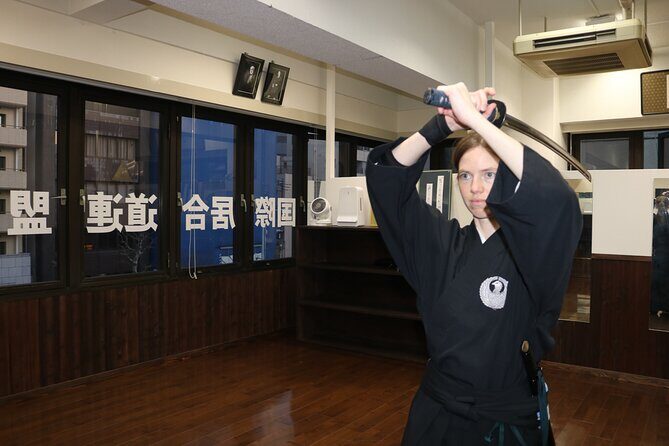
The standout upgrade is the chance to try a real sword cut on a rolled tatami mat. If you want a more intense and satisfying test of control, this option is the reason many people book.
But it comes with constraints. You need to be 18 or older, and you must sign a waiver before participating. You also have to follow the master’s instructions. That’s not a minor fine print detail. It’s the heart of why the cut is offered safely in a structured class.
If you don’t select the real-sword option, the minimum age is 5, and the lesson still includes changing into attire and learning the etiquette and Iaido flow. In other words, the base class is more beginner-friendly and easier to fit into different ages and comfort levels.
My suggestion: if you’re an adult who’s comfortable following instructions carefully and you want the clearest connection to the tradition, choose the real-sword tatami cut. If you’re unsure about nerves, keep it simple and focus on the etiquette and cardboard cutting practice. Either way, you’re learning the same values and structure—the upgrade just adds intensity.






Watching the master solo: why the final demo matters
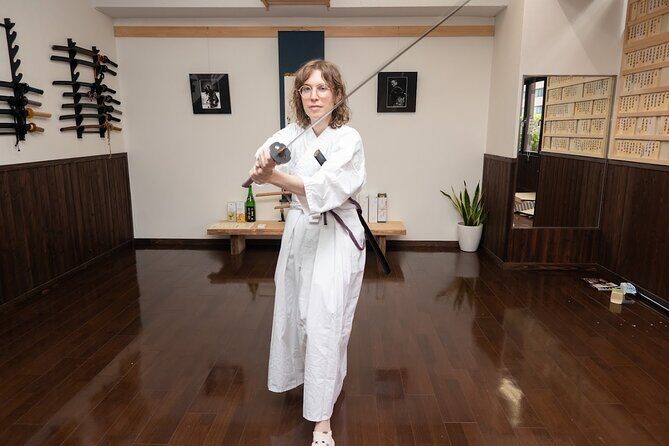
One of the most satisfying moments is the master’s solo demonstration up close after you finish your own practice. The point isn’t to make you feel small. It’s to show you what clean form looks like when technique and mindset line up.
When you’ve just spent time trying your cut, the difference becomes obvious. The master’s movements are controlled, economical, and timed so precisely that it looks less like force and more like inevitability. You also get a clearer sense of what the class means by restraint.
In fact, the shift from thinking of samurai as fighters to thinking of samurai as disciplined decision-makers clicks best after you watch that kind of focused solo work. You can then connect the earlier etiquette lesson to the final demonstration, so it all feels like one coherent experience instead of separate parts.
You’ll also receive a certificate of completion at the end. It’s a small touch, but in a class like this, it feels like a real milestone because you physically practiced the basics, not just watched.
Price and value in Tokyo: is $216.86 worth it?
At $216.86 per person, this isn’t a cheap souvenir activity. But it’s also not overpriced in the way that many “hands-on” experiences sometimes are, because you’re paying for several real things at once:
- a small group (max 10)
- hands-on practice within a structured dojo format
- instruction focused on etiquette and bushido, not just a photo-op
- an up-close solo demonstration by the master
- the optional real-sword tatami cut (subject to age and waiver)
In Tokyo, sword-related experiences can range from theatrical to instructional. This one leans firmly toward instruction. If you’re the type of traveler who likes understanding how traditions work—especially the discipline behind them—then the price can make sense because you’re buying time with an expert and a safe, guided practice format.
Who should consider it:
If you’re into martial arts culture, Japanese etiquette, or you simply want a different kind of Tokyo experience beyond temples and shopping streets, this gives you a physical, mental takeaway.
Who might hesitate:
If you want a long, sightseeing-based day or you’re hoping for lots of action with no rules, you may feel the emphasis on etiquette and restraint is slower-paced than you expected.
Who this samurai class is for (and who it isn’t)
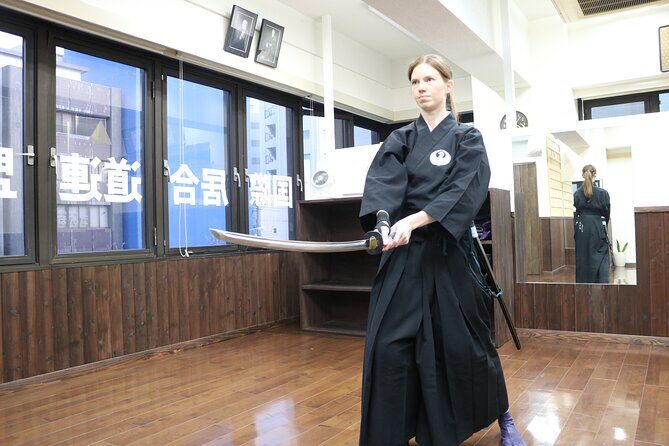
This works best for people who enjoy structure and instruction. You’ll get the most out of it if you’re curious about how samurai values translate into behavior and technique.
It can suit:
- adults who want to experience Iaido correctly, not just watch a demo
- travelers who like calm, disciplined cultural activities
- anyone who appreciates close-up instruction and a small-group setting
You might want to skip or adjust expectations if:
- you hate following detailed directions (the class stresses obedience to the master’s instructions)
- you expect nonstop cutting the whole time
- you’re not comfortable with stances and controlled movement, since there’s a moderate fitness level expectation
Should you book Samurai Experience: Art and Soul of the Sword?
I’d book it if you want something unusual in Tokyo that’s still grounded and respectful. This is not about dressing up and acting tough. It’s about learning sword etiquette, understanding bushido values, and practicing Iaido in a dojo setting with a real master and a small group.
Choose the real-sword tatami roll option if you’re 18+, want the extra intensity, and can commit to safety rules and the waiver. Skip it if you’d rather focus on learning the etiquette and your own controlled cardboard cut first.
If you’re on the fence because of price, here’s the simplest way to judge it: you’re paying for expert instruction, a guided practice format, and the chance to watch expert form up close. That combination is hard to replicate on your own in Tokyo.
If you want a deeper-than-average cultural experience with your hands involved, this one is a strong bet.
FAQ
Where is the meeting point?
You meet at Kuramae Station, 2-chōme-3-1 Kuramae, Taito City, Tokyo 111-0051, Japan. The activity ends back at the meeting point.
What time does the experience start, and how long is it?
It starts at 9:00 am and runs about 1 hour 30 minutes.
How big is the group?
The experience has a maximum of 10 travelers.
Is there a real-sword option?
Yes. There is an optional real sword experience where you can try cutting a rolled tatami mat.
What are the age requirements?
For the real sword option, you need to be 18 or older and you must sign a waiver. If you don’t opt for the real sword cut, the minimum age is 5.
Do I need to sign a waiver?
If you choose the real-sword option, you must sign a waiver before the experience.
Do I get anything at the end?
Yes, you receive a certificate of completion at the end of the experience.