REVIEW · TOKYO
Samurai Sword Training and Katazome Dyeing Experience in Tokyo
Book on Viator →Operated by 染の里おちあい 二葉苑 · Bookable on Viator
Tokyo rewards your curiosity fast—this one does it twice. You start with Katazome dyeing at 染の里おちあい (Somenosato Ochiai), then you move straight into samurai sword training at 武蔵国無外会. You’ll learn how Edo Komon patterns connect to samurai clothing, and you’ll also get hands-on time with the techniques, not just a watch-and-leave lesson.
What I like most is the mix of artisans’ craft instruction plus structured dojo training, so the day feels practical, not museum-y. I also like the small-group setup (up to 8), which makes it easier to ask questions when you’re dyeing and when you’re holding the toy sword.
One possible drawback: it’s only about 2 hours, so you’ll do a lot of focused activities rather than linger. If you prefer long, unhurried craft sessions or extended sword practice, plan to complement this with a separate visit.
In This Review
- Key things to know before you go
- Why this Tokyo combo of Katazome and Samurai training makes sense
- Stop 1 at 染の里おちあい: Edo Komon patterns and your tenugui
- Your tenugui dyeing: hands-on craft you can appreciate even if it’s your first time
- The 1-minute walk and shoe-off moment before 武蔵国無外会
- Inside 武蔵国無外会: sword demo, toy-sword defensive actions, then training
- What small-group attention really changes for you
- Price and time: does $97.73 feel fair?
- Who this experience is perfect for (and who should reconsider)
- Tips to get more out of your day
- Should you book this Katazome and Samurai training tour?
- FAQ
- How long is the experience?
- What time does the tour start?
- Where do I meet for the tour?
- How many people are in the group?
- What will I make during the Katazome workshop?
- What happens during the sword training portion?
- Is the ticket digital or physical?
- Where does the tour end?
- Can I cancel for a full refund?
Key things to know before you go
- Two workshops in one 2-hour block: dyeing first, sword training right after
- Edo Komon patterns for samurai kamishimo: you get cultural context before you start
- You make a usable souvenir: a dyed tenugui that you wrap as a headband
- Dojo format with real structure: demo, defensive actions with toy swords, then training
- Max group size of 8: more attention during both hands-on parts
Why this Tokyo combo of Katazome and Samurai training makes sense
This experience is built around a simple idea: learn with your hands, then test the lesson with your body. You’re not just seeing traditional arts—you’re working through the steps, from stencil-style dyeing to basic sword movements in a dojo setting.
I also like that the tour is designed as a tight sequence. First you build understanding through a cloth-pattern intro, then you do the dyeing yourself. After that, you step into the training space and the day shifts gears into controlled motion, starting with a demonstration and moving into practice with toy swords.
And yes, it helps that both halves happen in the Shinjuku-area Kamiochiai neighborhood. The schedule keeps momentum, so the culture-to-craft-to-training flow feels logical instead of chopped up.
You can also read our reviews of more tours and experiences in Tokyo.



Stop 1 at 染の里おちあい: Edo Komon patterns and your tenugui
The day starts at 染の里おちあい (Somenosato Ochiai), address listed in Kamiochiai, Shinjuku. You begin with a short introduction—about 10 minutes—that explains Edo Komon patterns and how they’re used in samurai kamishimo. It’s a quick setup, but it matters: it gives meaning to what you’ll be doing, so the dyeing doesn’t feel random.
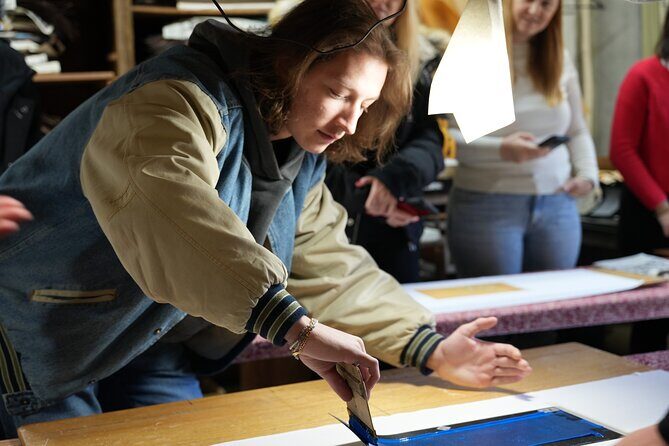
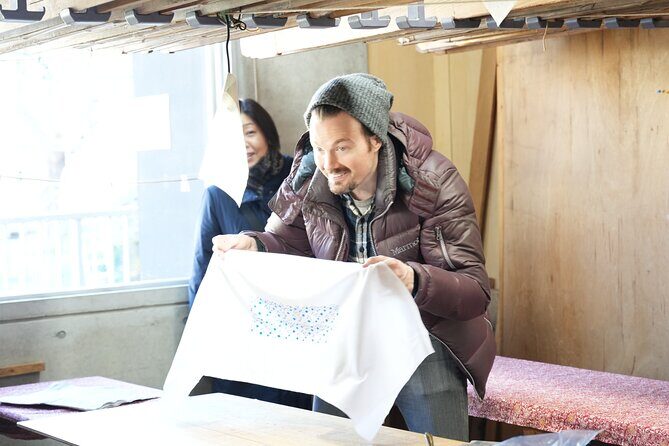
Then you move into the main hands-on part: a tenugui dyeing session for about 40 minutes. Tenugui is a small traditional cloth, and in this workshop you’ll dye yours using Komon pattern dyeing as part of the Katazome-style process.
After dyeing, you’ll wrap the dyed tenugui into a headband. That may sound like a small step, but it’s one of the best parts of this tour for practical travelers. You’re not leaving with a flat object in a bag—you’re leaving with something you can actually use right away back at home.
What to watch for during this stop:
- The instruction time is built in, so don’t worry about knowing anything beforehand.
- You’ll likely want to keep an eye on how the artisans guide the process, especially if you’re new to pattern work.
Your tenugui dyeing: hands-on craft you can appreciate even if it’s your first time
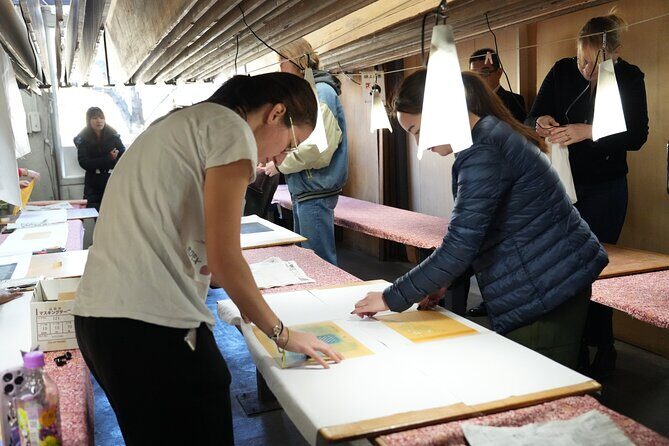
The workshop is paced to fit into the 2-hour total experience, so you’ll learn the core method and then get time to do the real work. That’s a big difference from tours where the “hands-on” is 10 minutes of touching a tool.
Here’s what the structure implies for you as a learner. In a short introduction, they set the pattern context (Edo Komon on samurai kamishimo). Then the 40-minute session is where you build muscle memory—following the artisans’ guidance, handling the dyed material, and working carefully enough to get the pattern effect you’re aiming for.
One smart practical tip: wear clothes that you don’t mind getting dye on—or at least that won’t make you anxious if a tiny stain happens. This kind of textile work is hands-on, and even careful setups can get messy.
Also, plan to treat your headband like the crafted item it is. It’s your dyed tenugui in wearable form, so handle it gently when you’re leaving.
The 1-minute walk and shoe-off moment before 武蔵国無外会
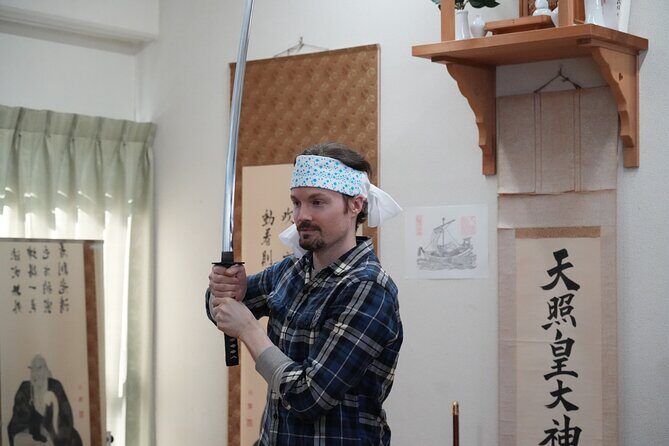
After you finish at 染の里おちあい, you’ll depart and take a very short walk—about one minute. Then you’ll take off your shoes and enter the dojo.
That quick transition does two things. It reinforces the cultural rhythm—craft to discipline—and it keeps you from feeling like the tour is a bus transfer between unrelated attractions. Even though it’s only a minute, the ritual of switching into dojo mode is part of how traditional practices communicate respect.
If you’re someone who hates awkward transitions, you’ll probably appreciate this one. It’s short, clear, and tied directly to the next activity.
Inside 武蔵国無外会: sword demo, toy-sword defensive actions, then training
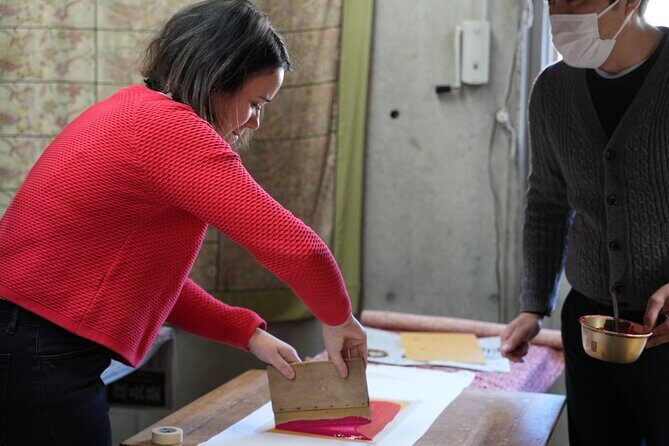
The second half happens at 武蔵国無外会, where the focus turns from dye patterns to movement patterns. The session runs about an hour and includes three distinct stages:
1) A real sword demonstration for about 15 minutes.
2) Defensive actions explained using toy swords for about 15 minutes.
3) Start of sword training for about 30 minutes.
That sequence is practical. You first see what the motion is supposed to look like with a demonstration. Then you learn how to think about defense and control without the complexity (or risk) of working with a live blade. Finally, you get your own training time.
What you’ll feel as a beginner is that the toy-sword approach makes it easier to focus on fundamentals: stance, spacing, timing, and the idea of defensive actions rather than flashy swings.
A small but important consideration: this is training time, not a private lesson. Even with a small group, you’ll still need to follow the group pace. If you’re hoping for advanced techniques or personalized corrections for every movement, you may find it limited—but for a first dojo experience, the structure is ideal.






What small-group attention really changes for you
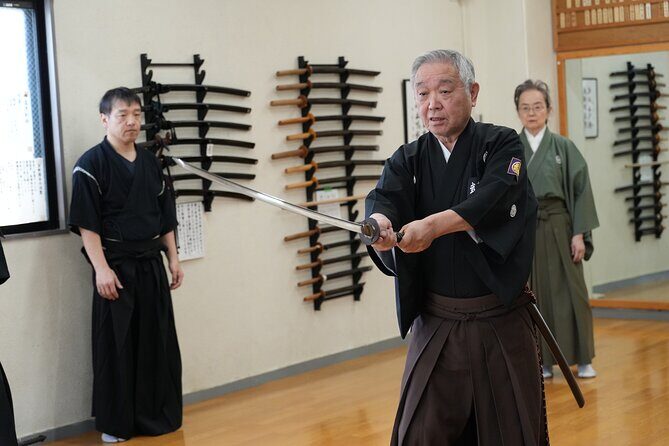
The tour caps at a maximum of 8 travelers. That matters more than it sounds, because you have two skill areas where questions are natural: textile dyeing and dojo training.
In the dyeing workshop, you’ll want clarification when something feels off—like how to handle the material or how to interpret the pattern instructions. In the dojo, you’ll want the same kind of guidance for defensive actions and form cues.
I also like that the tour is described as offering personalized attention in a small-group setting, and the feedback reinforces that the instruction covers both cultural meaning and technical aspects. In plain terms: you’re not just being shown what to do; you’re being taught why it matters.
Price and time: does $97.73 feel fair?
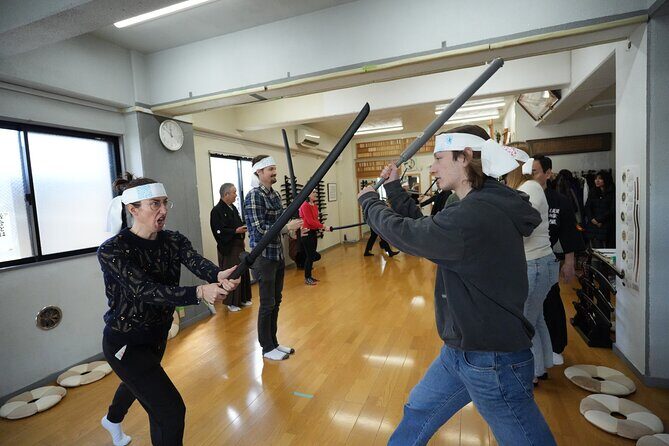
At $97.73 per person for around 2 hours, this isn’t a “cheap and cheerful” add-on. But it also isn’t overpriced when you break down what you actually get: a structured Katazome dyeing workshop (with instruction and hands-on time) plus a dojo training session with a demonstration and practice.
You’re also paying for expert-led instruction. Artisans guide you through the tenugui dyeing process, and dojo teachers guide the sword training segment. And the tour covers two locations and a seamless schedule from craft to training.
If your Tokyo day is packed, this is one of those rare experiences that gives you meaningful variety without turning into a full half-day commitment. It’s also bookable with a mobile ticket, which makes last-minute planning easier.
Who this experience is perfect for (and who should reconsider)
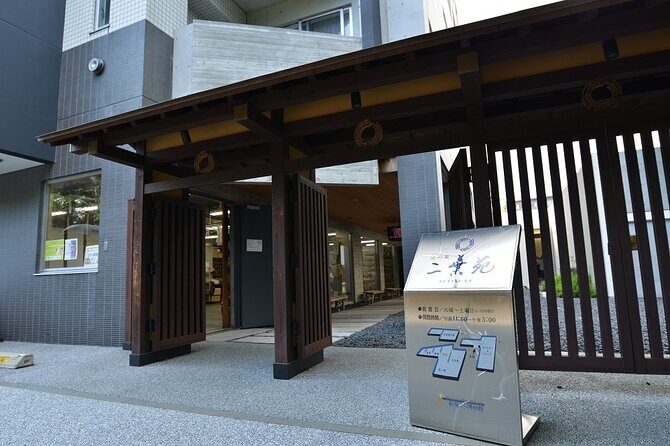
This is a strong match if you want a hands-on cultural activity that doesn’t require prior experience. You’ll learn the pattern context early, then do the dyeing yourself, then get guided sword practice using toy swords.
It’s also great if you like “two worlds in one day.” The craft side connects directly to samurai clothing patterns (Edo Komon on kamishimo), and the dojo side gives you a structured first encounter with sword discipline.
Who might want to reconsider:
- If you’re looking for long, deep practice time in either craft or sword training, the 2-hour format is compact.
- If you don’t enjoy guided group instruction and prefer fully self-paced time, the dojo training part will still be structured and paced with the group.
Tips to get more out of your day
A few practical habits will help you get better results and less stress:
- Ask questions during the short introductions. That’s where they set the framework for the dyeing patterns and the defense focus.
- Dress comfortably for the dojo portion. You’ll remove shoes and move for training, so don’t wear anything restrictive.
- When you wrap the dyed tenugui into a headband, treat it like a crafted item. Handle it gently so it stays presentable.
Also, plan to keep your day flexible. This experience disbands at the dojo, which is helpful—you won’t need to reverse-track across town to “end” the tour elsewhere.
Should you book this Katazome and Samurai training tour?
If you want a short Tokyo experience that feels real—part craft, part discipline—this is worth booking. The standout strength is the way the instruction connects meaning and technique: Edo Komon patterns linked to samurai kamishimo on the dyeing side, then a dojo session with a clear progression from demonstration to defensive toy-sword actions to your own training.
I’d book it if you like small-group attention and you want a souvenir that’s tied to what you learned (the dyed tenugui headband). I’d also book it if you’re new to both textiles and sword training and want guided structure without needing expertise.
I’d hesitate only if you need more time to practice, or if you dislike guided group formats. For most people chasing a “do it with your hands” cultural day in Tokyo, this hits a great balance.
FAQ
How long is the experience?
The experience is about 2 hours.
What time does the tour start?
The start time is 10:00 am.
Where do I meet for the tour?
You meet at 染の里おちあい 2-chōme-3-6 Kamiochiai, Shinjuku City, Tokyo 161-0034, Japan.
How many people are in the group?
The tour has a maximum of 8 travelers.
What will I make during the Katazome workshop?
You’ll dye a tenugui and then wrap it as a headband.
What happens during the sword training portion?
You’ll see a sword demonstration, learn defensive actions with toy swords, and then start sword training yourself.
Is the ticket digital or physical?
It uses a mobile ticket.
Where does the tour end?
The tour disbands at the dojo, at 武蔵国無外会 2-chōme-4-6 Kamiochiai, Shinjuku City, Tokyo 161-0034, Japan.
Can I cancel for a full refund?
Yes. You can cancel up to 24 hours in advance for a full refund. If you cancel less than 24 hours before the start time, the amount paid is not refunded.