REVIEW · TOKYO
Shibamata: Step Back into Old Japan!
Book on GetYourGuide →Operated by Wise Guides / Wise-Infinity inc. · Bookable on GetYourGuide
You can get a quieter Tokyo in one short walk. I like how this tour mixes street food with major cultural stops, and I also love the slow pace through gardens where you can actually pause. The biggest watch-out is that some shops may not take cards, so plan on cash.
What makes it work is the small group size (just up to 5) and an English live guide who helps you connect the dots fast. You’ll start near the famous Futen Tora and Sakura statues, then work your way through Taishakuten Temple’s approach and gardens, finish with a tea break at Yamamoto-tei, and head back. If you expect a fast, checklist-style tour, this one may feel pleasantly unhurried.
In This Review
- Key points before you go
- Shibamata: The calm pocket of Tokyo you can feel
- Meeting at Keisei Shibamata Station’s Tora statues
- Taishakuten Sandō street snacks and guided strolling
- Taishakuten Temple: wood carvings you’ll want to slow down for
- Tora-san Memorial Hall: a theme you don’t need to know beforehand
- Yamamoto-tei: green tea and garden calm on the way back
- What you’ll actually eat: snacks with Shibamata personality
- Price and value: what the $90 includes and why that matters
- Timing and pacing: why it may run close to 3 hours
- Who should book this Shibamata tour
- Should you book Shibamata Step Back into Old Japan?
- FAQ
- How long is the Shibamata tour?
- How big is the group?
- What language is the guide?
- What does the price include?
- Where does the tour meet?
- Should I bring cash?
Key points before you go
- Small group (up to 5) means you’re not stuck behind a crowd at the temple and garden stops.
- Taishakuten Temple is the star, with detailed wood carving and decorative color you’ll want to look at up close.
- Tora-san Memorial Hall makes the theme feel real, even if you’ve never heard of Tora-san.
- Yamamoto-tei tea break gives you a calm reset with traditional green tea and refreshments.
- Local snacks on Taishakuten Sandō help you sample Shibamata without guessing what to order.
Shibamata: The calm pocket of Tokyo you can feel
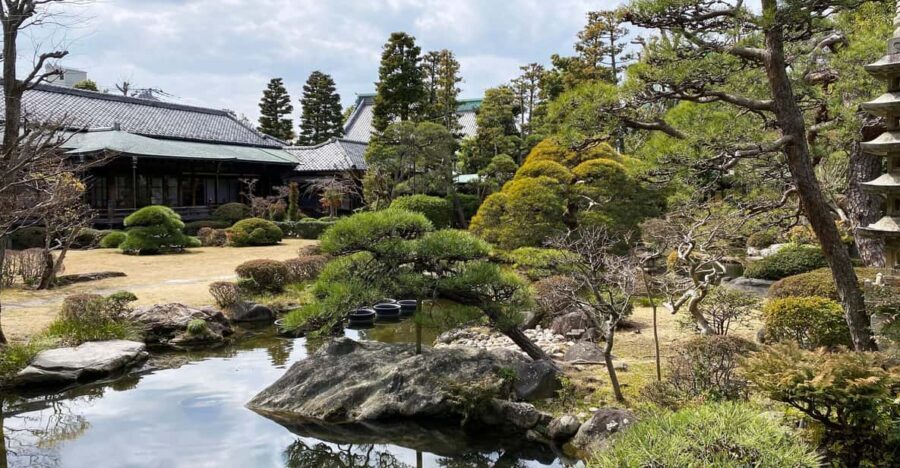
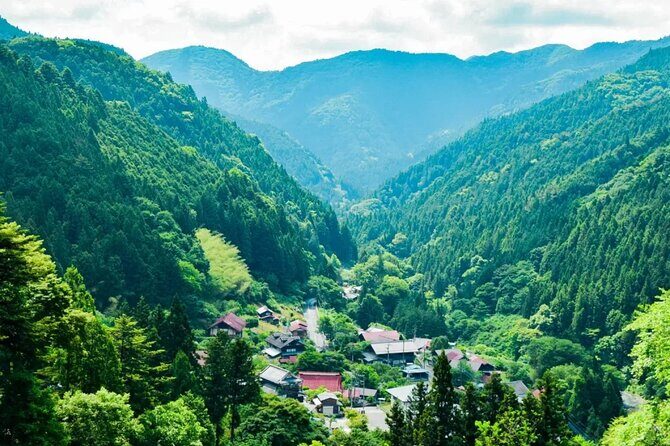
Shibamata sits in Honshu, and it has a different tempo than central Tokyo. On this tour, that difference starts immediately: you’re not rushing through famous landmarks. Instead, you’re walking through a traditional-feeling district where the goal is to look, snack, and learn in small pieces.
The calm comes partly from the route design. You spend time in the walking areas around Taishakuten Temple, and you slow down for gardens and tea. One of the best value parts is that the tour doesn’t just point at sights; it gives you a chance to experience them at human speed. That matters in a city where crowds can turn even a beautiful place into a blur.
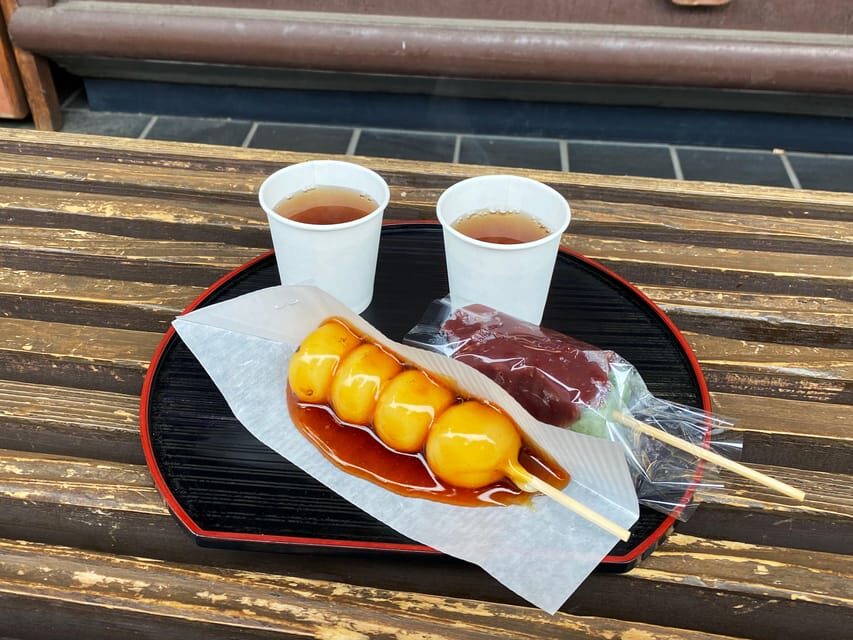
This is also an easy fit if you like hands-on culture. The tour includes tastings like grass dumplings, mitarashi dumplings, rice crackers, and a savory Japanese-style omelet, so you get a sense of everyday local life, not just architecture photos.
You can also read our reviews of more tours and experiences in Tokyo.



Meeting at Keisei Shibamata Station’s Tora statues
Your tour meets in front of the Futen Tora statue in front of Keisei Shibamata Station, with the Sakura Statue nearby. Getting oriented at the statues is smart, because they give you a simple visual landmark before the walk starts.
It also sets the tone. Tora in this neighborhood isn’t just a name on a ticket. It’s part of the local identity you’ll see echoed through the theme of the stops ahead, especially at the Tora-san Memorial Hall. Starting here means you’re not dropped into Shibamata with zero context.
If you’re arriving on your own, aim to get there a few minutes early. In this part of Tokyo, a small delay can turn into a big wait, especially when the group is capped at 5 people and the timing is tight.
Taishakuten Sandō street snacks and guided strolling
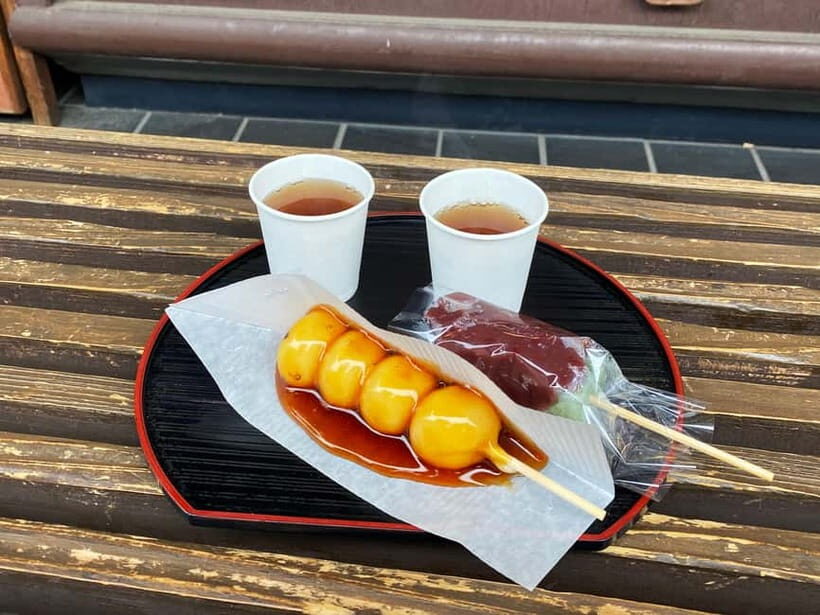
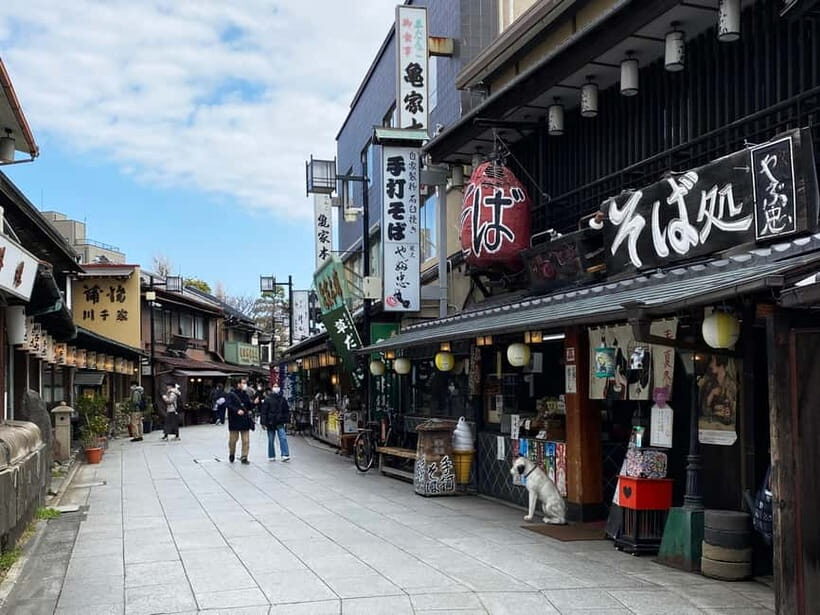
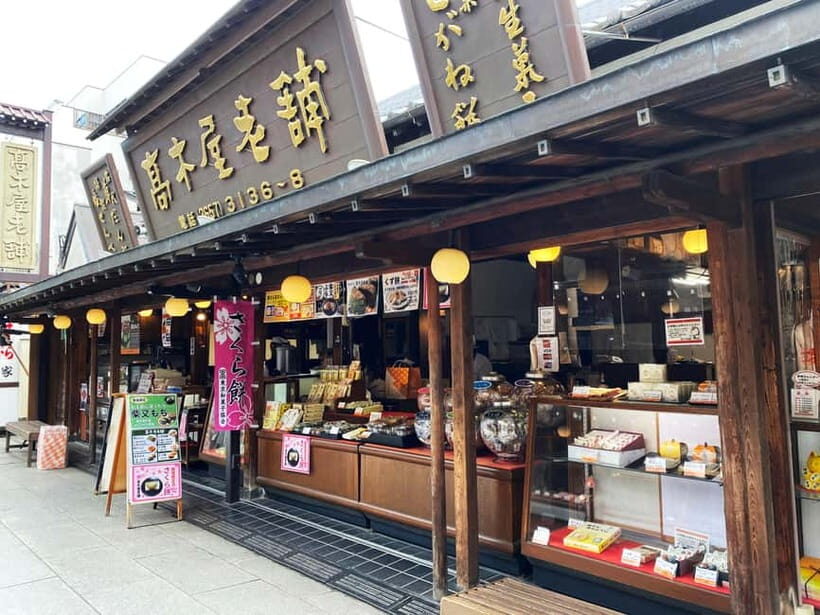
The first walking block takes you along Taishakuten Sandō, where you’ll have about 30 minutes of guided street time plus local snacks. This is where the tour earns its “practical travel” badge.
You’ll try local favorites like grass dumplings, mitarashi dumplings, rice crackers, and a savory Japanese-style omelet. Even if you’re not sure what each item tastes like, the guide helps you navigate the moment so you don’t waste time standing in front of a shop trying to decode everything alone.
A couple of practical notes make this stop more enjoyable:
- Bring some cash. The tour asks you to prepare because some shops may not accept cards.
- Don’t plan to eat only once. You’ll snack along the way, so keep your expectations for lunch flexible afterward.
The guided strolling also keeps you from doing the classic tourist thing: walking past the good details. Instead, you get nudged toward what to look for on the streets before the larger temple experience.
Taishakuten Temple: wood carvings you’ll want to slow down for
Next comes the highlight for most people: Shibamata Taishakuten. You’ll spend about 40 minutes on a guided visit focused on what makes the temple stand out.
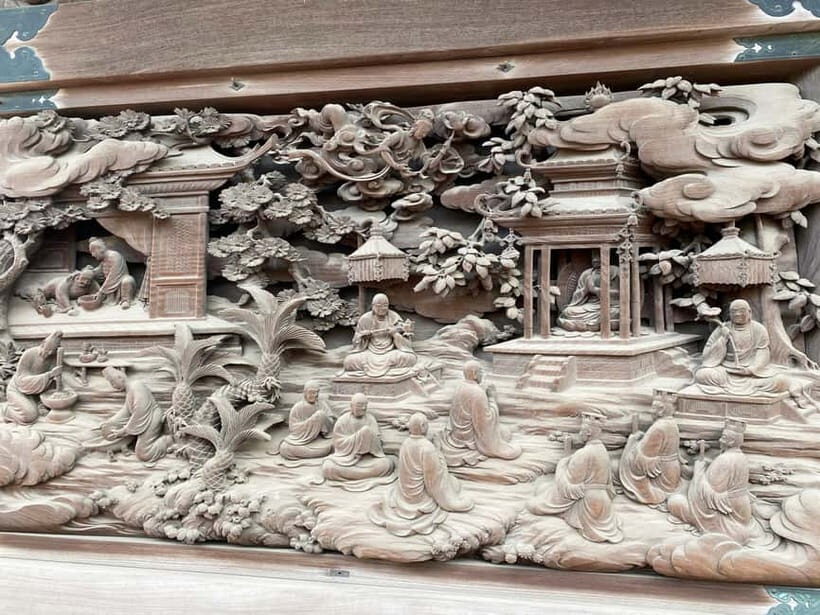
This place is famous for intricate wood carvings, detailed decorations, and colorful craftsmanship. The key word here is intricate. If you rush, you’ll miss it. If you slow down, you’ll notice layers: carved patterns, ornamental detail, and the kind of careful work that makes you feel like the builders intended you to look longer than one quick photo.
The temple experience also includes access to the Sculpture Gallery & Garden at Taishakuten, which is part of what you’re paying for. That blend is valuable: you get architectural impact, then you get calmer space where you can reset with a walk through the garden setting.
One more reason this stop lands well: a guided explanation turns “pretty carvings” into “I understand what I’m seeing.” And because your group is small, you’re not fighting for position in the best viewing spots.
Tora-san Memorial Hall: a theme you don’t need to know beforehand
After the temple, you’ll head to the Tora-san Memorial Hall for entry and a guided portion (about 20 minutes), plus a photo stop.
Here’s the good part: you don’t have to be a Tora-san expert to enjoy it. The hall is built around the idea of traditional living coming to life, which makes it feel accessible even if the name isn’t familiar to you. If you’ve never heard of Tora-san, you can still treat this as a window into local storytelling and everyday cultural display.
How to make this stop work for you:
- Listen to the guide’s explanation first, then look at exhibits with fresh eyes.
- Use the photo stop as a quick way to anchor the experience before you move on to the tea break.
This is also a strong “second anchor” after the temple. The architecture gives you one kind of wow. The memorial hall gives you another kind: a sense of how people show culture through objects, scenes, and themed spaces.






Yamamoto-tei: green tea and garden calm on the way back
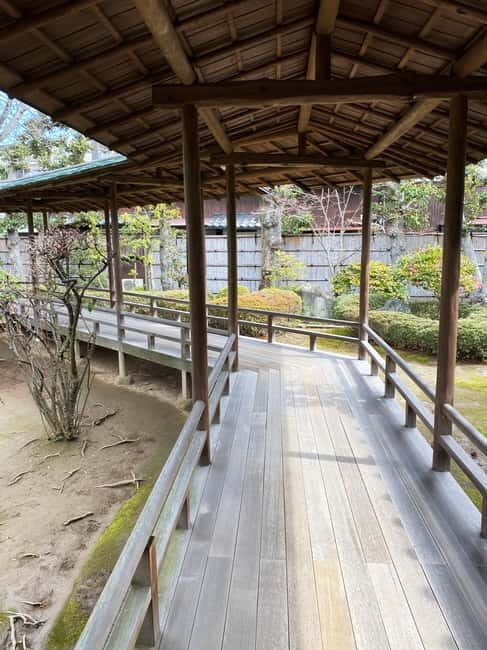
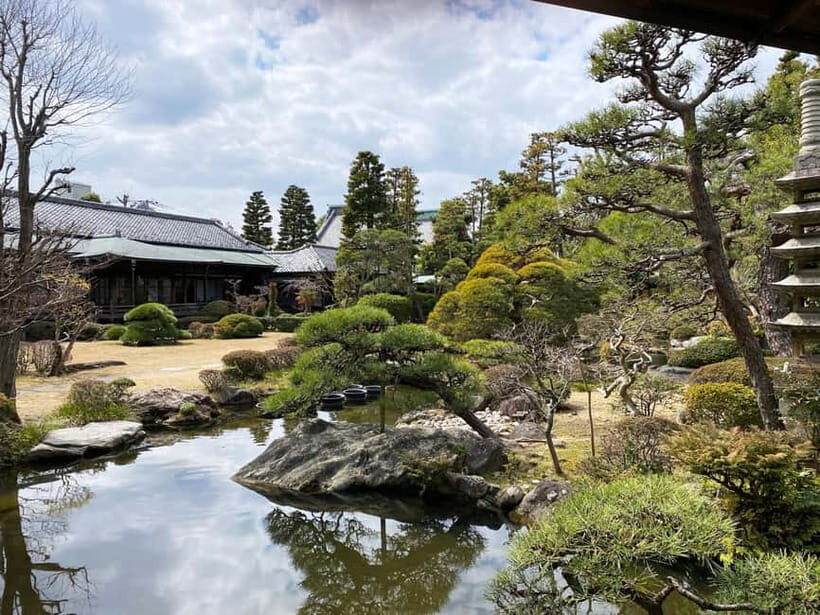
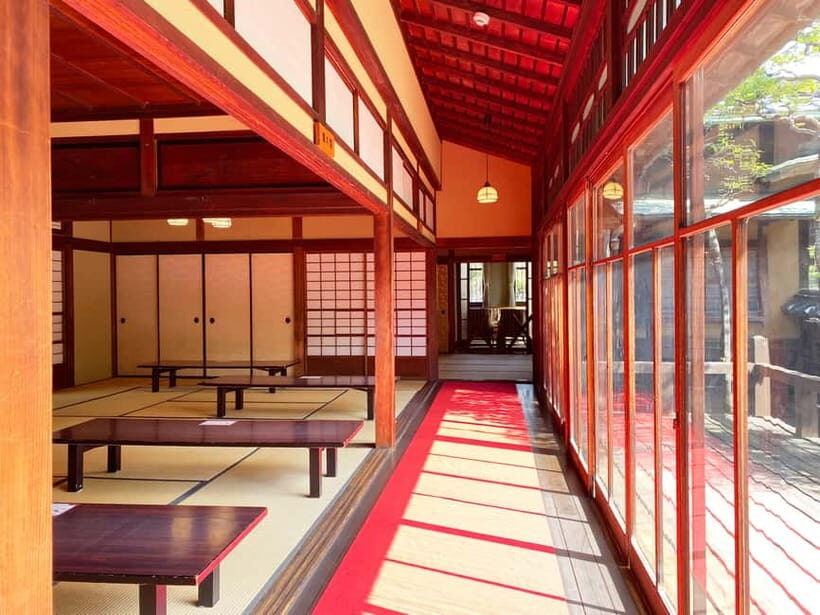
Yamamoto-tei is where the tour becomes restorative. You get a break time, a photo stop, traditional green tea, and scenic views on the way, with about 30 minutes at this stage.
Tea is included here, along with refreshments. The reason this part matters isn’t just taste. It’s timing. After temple walking and museum looking, the garden pace helps you breathe again and absorb what you’ve already seen. You’re not still “performing tourism.” You’re resting.
This stop also feels like a reward for the earlier snack and temple segments. You’ll likely appreciate the contrast: street energy earlier, then quieter garden stillness here.
If you’re planning to do more in Tokyo later, this tea break helps you avoid the travel fatigue spiral. It’s a built-in pause, not something you have to hunt down on your own.
What you’ll actually eat: snacks with Shibamata personality
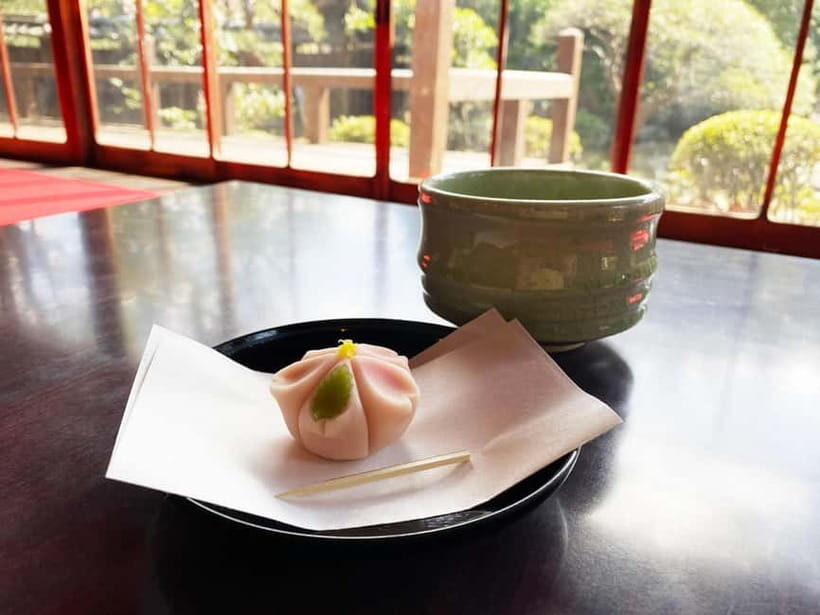
The snack list is one of the most fun parts of the experience because it’s specific. This isn’t vague food sightseeing. You’ll sample:
- Grass dumplings
- Mitara shi dumplings
- Rice crackers
- A savory Japanese-style omelet
Here’s how I’d treat these as a strategy: think of them as bite-sized samplers. You can taste multiple items without committing to a full meal, and that makes the tour’s timing more comfortable. If you go in hungry and then snack steadily, you’re less likely to feel drained by the time you reach the tea break.
Also, the guide can be useful here because you might want context on what you’re eating and when. Since the tour includes both street snacks and tea at Yamamoto-tei, you’re set up for a day that feels complete without turning into an all-day food mission.
Price and value: what the $90 includes and why that matters
At about $90 per person for roughly 3 hours, this tour prices like a “small experience” rather than a big bus-day. The big value is what you’re getting inside the ticket.
Your fee includes entry to:
- Tora-san Memorial Hall
- Sculpture Gallery & Garden at Taishakuten
- Access to Yamamoto-tei, plus refreshments
That’s a real cost component. Temple gardens, gallery access, and a guided visit add up faster than people expect when they try to piece it together on their own in small, pay-as-you-go chunks.
You also get English-language guidance and a small group cap (up to 5). That’s not just a comfort perk. It changes how much you can enjoy stops like the temple carvings and the garden paths, where you want room to look and ask questions.
The one thing not included is a souvenir fee. So if you love grabbing little keepsakes, plan for that extra spend.
Timing and pacing: why it may run close to 3 hours
The tour is listed for 3 hours, and the flow is designed around walking blocks, guided temple time, a museum visit, then tea and scenic views. In practice, you should treat it like a “about three hours” experience, not a razor-to-the-minute event.
That pace is actually part of the value. You’re not constantly changing locations every few minutes. You settle into each area long enough to enjoy it without feeling chased.
If you’re the type who likes a schedule that gives you room to think, this works well. If you only have a strict time window, double-check your day plan so you’re not relying on perfect timing.
Who should book this Shibamata tour
I’d point you toward this tour if you want:
- A quieter, more local-feeling side of Tokyo
- Real cultural stops: temple carvings, a themed memorial hall, and garden tea
- A small-group format where it’s easier to move and ask questions
- English guidance that helps you connect sights to meaning
It’s also a solid pick if you’re short on time but still want more than one stop. You get a street-food introduction, the main temple experience, and a calm tea finish.
If your travel style is all about museums and gardens, you’ll likely get a lot out of this. If you’re only interested in one famous photo spot, you may feel the rest is extra. But even then, the tea and garden reset can win people over.
Should you book Shibamata Step Back into Old Japan?
If you want Shibamata to feel like a real neighborhood day, this tour is a strong choice. The temple carvings, the garden-and-tea pacing, and the included admissions are the big reasons. And the small group size keeps it from turning into a crowded shuffle.
Book it if you enjoy:
- food tastings that are actually part of the route
- architecture you can look at slowly
- a guided story at both the temple and the Tora-san Memorial Hall
- ending with traditional green tea at Yamamoto-tei
Skip it only if you’re chasing a high-speed, high-volume list of major Tokyo sights. This is intentionally the opposite. It’s meant to slow you down and make Shibamata feel close, calm, and very human.
FAQ
How long is the Shibamata tour?
It lasts about 3 hours.
How big is the group?
The tour is a small group limited to 5 participants.
What language is the guide?
The live tour guide speaks English.
What does the price include?
The fee includes entry to Tora-san Memorial Hall, the Sculpture Gallery & Garden at Taishakuten, and access to Yamamoto-tei, plus refreshments at Yamamoto-tei.
Where does the tour meet?
You meet in front of the Tora-san statue in front of Keisei Shibamata Station.
Should I bring cash?
Yes. Some shops may not accept cards, so it’s recommended you prepare cash.