REVIEW · TOKYO
Shinto Shrine Tour: Explore Japanese Culture in Tokyo
Book on Viator →Operated by Japan Awaits · Bookable on Viator
Three shrines in Tokyo can feel like three lifetimes. This Shinto shrine tour is a smart way to learn Japanese culture, mythology, and Shinto practice without getting lost in etiquette or crowds. I like that it’s exclusively for your group, so you can ask questions and move at a human pace. I also love the focus on real-world shrine behavior—how to purify yourself, pray, and understand what you’re looking at.
The main thing to consider is that you’ll spend a good chunk of the time walking between sites. Even with public transport between shrines, you should assume you’ll be on your feet for much of the morning, and smart casual shoes matter.
In This Review
- Key Highlights You’ll Feel Right Away
- Why a Shinto Shrine Tour Makes Sense in Tokyo
- Meeting at Harajuku Station: Start Easy, Stay Focused
- Meiji Jingu: The Forest Shrine That Resets Your Brain
- Kanda Shrine: 1,270 Years of Tokyo Storytelling
- Tokyo Daijingu: O-Ise-sama in Tokyo and Prayers for Marriage Luck
- Shrine Etiquette: How the Guide Turns Confusion Into Confidence
- Public Transport Between Shrines: Less Transit Stress, More Shrine Time
- Price and Value: What $206.26 Covers (and Why It’s Not Just a Ticket)
- Walking, Comfort, and Smart Casual Shoes
- Who This Tour Is Best For
- Quick Reality Check Before You Book
- FAQ
- How long is the Shinto Shrine Tour?
- Where is the meeting point?
- What time does the tour start?
- Is the tour private?
- Are entrance fees included?
- Is public transportation included between shrines?
- What about food and drinks?
- Do I need hotel pickup or drop-off?
- What should I wear?
- What if I’m late?
- Is the tour affected by bad weather?
- Is it refundable if I cancel?
- Should You Book This Shinto Shrine Tour?
Key Highlights You’ll Feel Right Away
- Three shrines, one tight loop: You hit Meiji Jingu, Kanda Shrine, and Tokyo Daijingu in about 3 hours.
- Entrance fees are included: Fewer headaches at the gate, and you avoid wasting time figuring out ticket rules.
- A private group experience: Your guide can tailor explanations and keep the pace comfortable.
- English-speaking expert guidance: You’ll get context for myths, symbols, and how prayer works.
- Photo stops built in: You won’t be rushing through the best moments.
- Public transportation between shrines: You save time compared to piecing the route together yourself.
Why a Shinto Shrine Tour Makes Sense in Tokyo
Tokyo can overwhelm you fast: bright streets, tight schedules, and a lot of cultural stuff packed into small areas. A Shinto shrine tour solves a key problem—how to understand what you’re seeing without turning it into a random photo run.
Shinto isn’t just a setting for pretty gates and quiet courtyards. It’s tied to daily life, community values, and a whole system of etiquette that guides your behavior. With a guide, you’ll learn what the rituals are for and how to participate respectfully, even if you’re not a religion expert.
And because this is designed for a short visit, you get a concentrated overview of Tokyo’s Shinto world. Instead of hunting down one shrine and calling it a day, you see three very different places in one morning.
You can also read our reviews of more tours and experiences in Tokyo.



Meeting at Harajuku Station: Start Easy, Stay Focused
You meet at Harajuku Station at 9:00 am. It’s a convenient launch point because you can get there by public transport, and it also keeps the tour from turning into a long pre-walk through Tokyo.
Arriving on time helps. The guide waits up to 30 minutes after the scheduled start. After that, the tour can be considered cancelled, so treat the meeting time as real, not optional.
Dress matters. The stated dress code is smart casual. I’d interpret that as: comfortable for walking, but respectful for a religious site. If you’re unsure, go for modest and simple.
Meiji Jingu: The Forest Shrine That Resets Your Brain
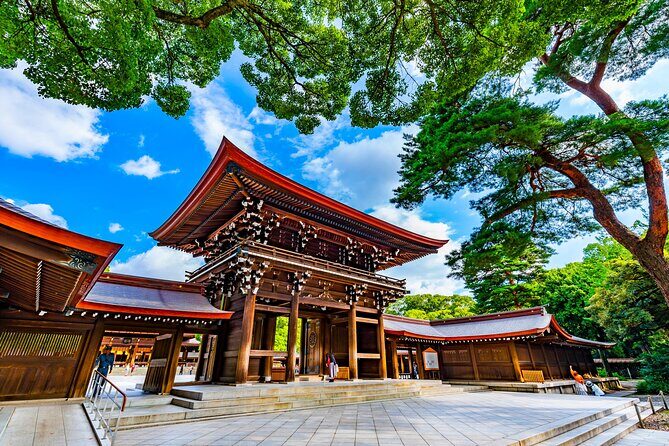
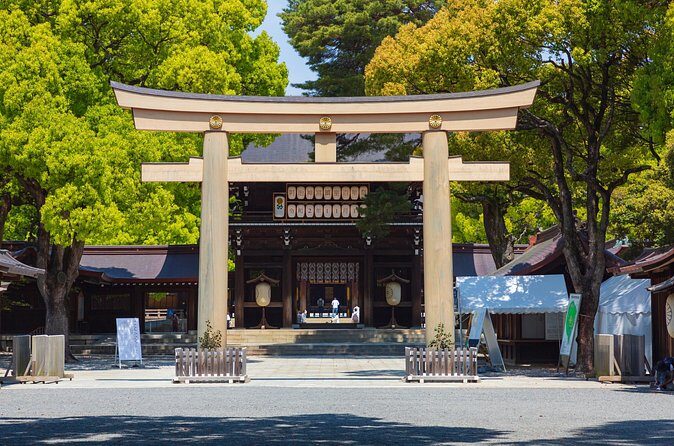
Meiji Jingu Shrine is your first stop, and it’s a great choice for a gentle beginning. You’re dedicated to the spirits of Emperor Meiji and Empress Shōken, but the real wow factor is how the grounds feel removed from the city.
The shrine is surrounded by a lush forest made from trees donated from different regions of Japan. That detail is more than decoration. It sets the tone: this is about connection and respect across the country, not just a Tokyo attraction.
You’ll spend about an hour here with the guide. Expect time to walk the approach, take photos, and learn what to do when you reach key ritual areas. A big value of a guided visit is that you’re not guessing. The guide helps you understand why people wash and purify, how prayers are typically made, and what symbols mean in plain language.
Tip for your visit: slow down at the entrance and watch how people behave. The guide will help you translate it into something you can actually follow.
Kanda Shrine: 1,270 Years of Tokyo Storytelling
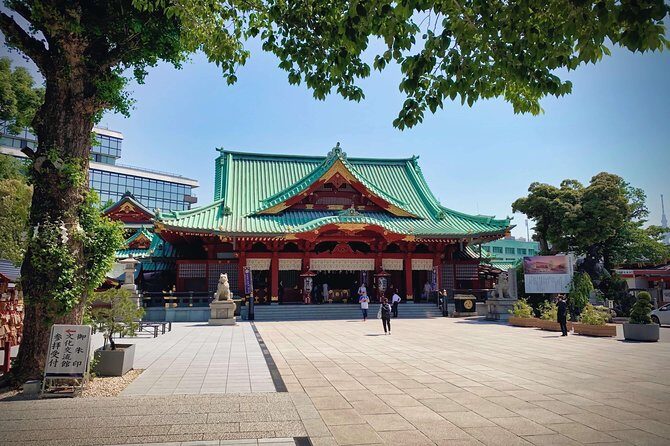
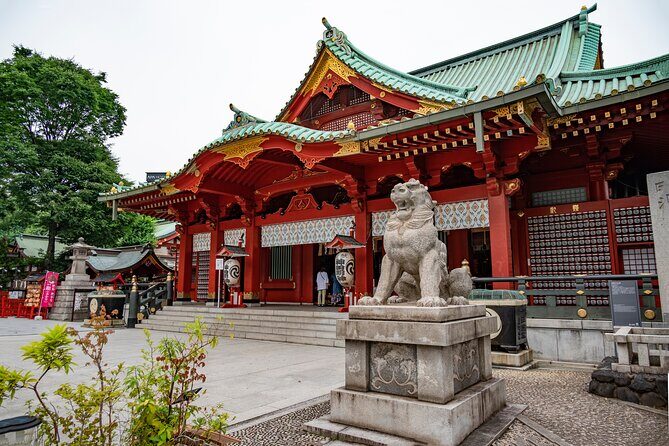
Next up is Kanda Shrine in Chiyoda. This is the stop that adds a stronger sense of history to the tour. The shrine dates back 1,270 years, though the current structure was rebuilt multiple times after fires and earthquakes.
That means Kanda Shrine isn’t just old—it’s resilient. When you learn that background, the architecture and ongoing ceremonies feel less like museum pieces and more like living traditions that have survived real disasters.
You’ll also get a full hour at Kanda. In practice, that time lets you do the two things most people skip: read a bit of the scene and learn how to move through it properly. With a guide, you’ll get context for what you notice—certain figures, offerings, and shrine features—so the visit becomes more than scenery.
If you love history that feels connected to everyday life, Kanda is the payoff stop. You’ll likely leave with a better grasp of how Tokyo layers the past over the present.
Tokyo Daijingu: O-Ise-sama in Tokyo and Prayers for Marriage Luck
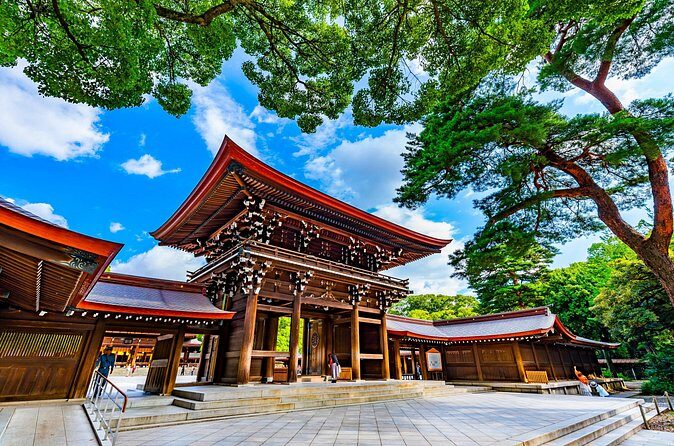
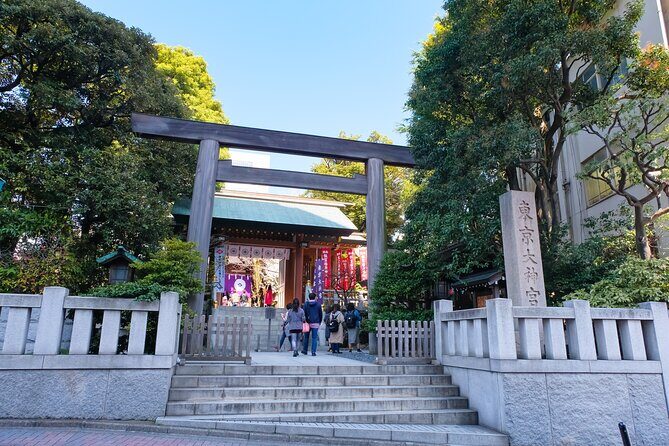
Your third shrine is Tokyo Daijingu, affectionately called O-Ise-sama in Tokyo. It’s famous for the deities enshrined here, and it also has a specific reputation tied to good fortune in marriage, especially for girls.
That focus gives the tour a personal angle. A shrine visit can feel abstract if you only hear general facts. But marriage-related prayers are easy to understand emotionally, and the guide can explain the logic behind the ritual in a way that doesn’t feel forced.
You’ll have about an hour at Tokyo Daijingu, enough time to experience the grounds, ask questions, and practice the etiquette you learned earlier. The nice thing about doing three shrines back-to-back is that the meaning starts to click. Once you understand how Shinto practice works at one site, the next location feels more legible.
Photo note: This is a popular shrine area. Entrance fees are included, so you don’t lose your momentum to ticket lines.






Shrine Etiquette: How the Guide Turns Confusion Into Confidence
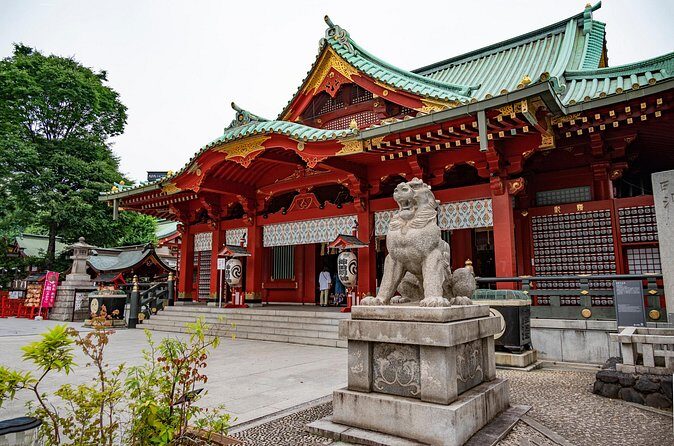
One of the highest-value parts of this tour is the way etiquette gets explained. You’ll learn about purification, prayer, and the idea of attracting good fortune and success.
If you’ve ever stood at a shrine unsure whether you should bow, where to stand, or what to do with offerings, you’ll appreciate this. The guide makes it practical: you’ll know what to do before you feel awkward doing it.
You’ll also understand Shinto practice as a way of life. That matters because Shinto isn’t presented here like a lecture about doctrine. Instead, you get the everyday logic—how rituals guide behavior and gratitude, and how worshippers show respect through actions.
In the guide lineup, people like Ami, Hitomi, Atsuko Kobayashi, Ken, Asami, and Katsunori Fugiwara have led groups (you may or may not get one of these exact names). In every case, the goal is the same: translate what you’re seeing into something you can follow in real time.
Public Transport Between Shrines: Less Transit Stress, More Shrine Time
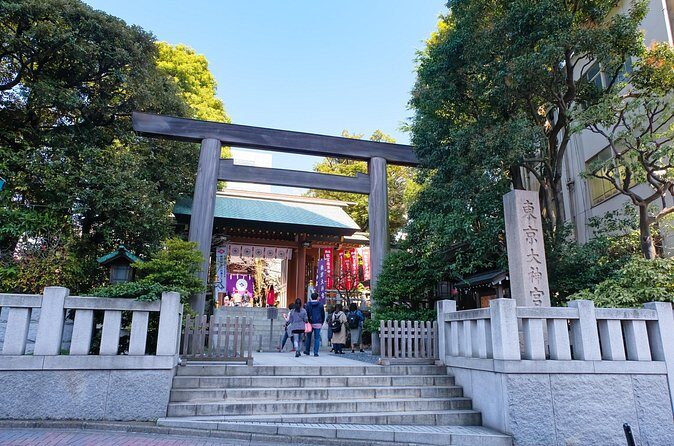
You’ll use public transportation between shrines. That keeps the tour efficient, which matters because you’re already packing three major sites into roughly three hours.
Why this helps you: Tokyo routing can be tricky if you’re juggling trains, station exits, and walking distances while also trying to arrive in time. Letting the guide handle the connections reduces mental load, and you can stay focused on what you came to see.
You’ll also get photo opportunities during the tour. That’s practical because shrine photos often happen in tight moments—between rules, crowds, and ritual space. Built-in stops mean you’re less likely to feel rushed.
Price and Value: What $206.26 Covers (and Why It’s Not Just a Ticket)
At $206.26 per person, the tour isn’t “cheap,” but it’s not random either. You’re paying for a professional English-speaking guide, included entrance fees, and organized movement between three shrines.
Here’s how that can translate into value for you:
- You avoid separate ticket purchases at each site.
- You get time savings: three shrines in one morning is hard to match on your own without planning.
- You gain context. A shrine visit without guidance can feel like you’re collecting images. With guidance, you collect meaning.
Is it the best deal for solo travelers? It can be, depending on how much a guide’s interpretation is worth to you. But this tour shines most if you’re a small group or a family that wants a guided experience without spending your limited time untangling logistics.
Walking, Comfort, and Smart Casual Shoes
The tour lasts about three hours, and while public transit helps between stops, you’ll still likely cover a fair amount of ground. One practical way to think about it: shrine grounds are rarely a quick straight line, and Tokyo station-to-shrine pacing adds up.
If you’re bringing mobility needs (or just want an easier day), choose comfortable shoes and plan for breaks. The tour is designed for most travelers, but it’s still a walking-focused cultural experience.
Also remember: smart casual is the dress code. That means no heavy hiking gear, but also no delicate shoes that punish you after a few thousand steps.
Who This Tour Is Best For
This is a strong fit if you:
- have limited time in Tokyo and want three major Shinto sites
- want Shinto explained as culture and everyday practice, not just religion trivia
- care about doing rituals respectfully, including purification and prayer etiquette
- prefer a group format that stays tight and private to your group
If you’re the type who loves wandering alone with a self-guided audio app, you might feel boxed in. But if you want clarity fast—what you’re looking at and what you should do—this tour is made for that.
Quick Reality Check Before You Book
You’ll get a lot of learning per hour, plus entrance fees included. The only real tradeoff is walking and the fact that your time is set and shared with your group.
If the idea of learning etiquette and meaning is what you want, this tour fits cleanly into a Tokyo itinerary. If you’re mostly chasing wide-open flexibility, consider a slower shrine plan.
FAQ
How long is the Shinto Shrine Tour?
The tour is approximately 3 hours.
Where is the meeting point?
The tour starts at Harajuku Station (address: 1 Chome-18 Jingumae, Shibuya, Tokyo 150-0001, Japan).
What time does the tour start?
The start time is 9:00 am.
Is the tour private?
Yes. It is exclusively for your group.
Are entrance fees included?
Yes. Entrance fees are included, so you don’t need to purchase separate tickets for the shrines.
Is public transportation included between shrines?
Yes. Public transportation between the shrines is included.
What about food and drinks?
Food and drinks are not included.
Do I need hotel pickup or drop-off?
Hotel pickup and drop-off are not included. The activity ends in a different location than the start point.
What should I wear?
The dress code is smart casual.
What if I’m late?
Even though it’s private, the guide will wait up to 30 minutes after the scheduled start time. If you don’t arrive within that time, the tour may be considered cancelled.
Is the tour affected by bad weather?
The tour is subject to favorable weather conditions. If cancelled due to typhoon or extreme weather, you’ll be offered an alternative date or a full refund.
Is it refundable if I cancel?
The experience is non-refundable and cannot be changed for any reason. A cancellation fee schedule may apply depending on how close you cancel to the event date.
Should You Book This Shinto Shrine Tour?
If you want a respectful, guided introduction to Shinto culture in Tokyo—and you want to see three major shrines without spending your whole morning figuring out logistics—book it. The included entrance fees, professional English guide, and structured pacing make it a solid use of limited time.
I’d especially recommend it if shrine etiquette matters to you. When you learn purification, prayer, and the meaning behind what you’re seeing, the whole experience stops being confusing and starts feeling personal.