REVIEW · KYOTO
Single- & multi-day Adventures within Kyoto Nara Osaka Kobe
Book on Viator →Operated by Kyosako Private Tours Japan · Bookable on Viator
Four cities, one private van route. This Kyoto–Nara–Osaka–Kobe experience is built for people who want big highlights without the hassle of buses or constant transfers, using a private vehicle and a plan you can adjust on the fly. You also get onboard Wi‑Fi and power outlets so your day stays practical, not just photo-focused.
I especially like the hands-on freedom: one group means you can spend a little longer where you care most, whether that is temple time, market wandering, or a slower break with views. I also like that your trip can run as a short hop between cities or stretch into a full multi-day circuit, which makes it easier to match your flight and hotel locations.
One thing to watch: the schedule packs in a lot of stops, and admission tickets are mostly not included, so you’ll want to budget for entry fees and be ready for occasional waits at major sights.
In This Review
- Key things that make this tour work
- How a Kyoto–Nara–Osaka–Kobe plan saves you time and stress
- Your private car setup: comfort, charging, and Wi‑Fi on the move
- Price and value: what $385 per group really means
- Day 1: Kyoto’s classic icons plus the northern Kyoto coast
- Day 2: Osaka-jo, the noodle-cup museum, and the food-street circuit
- Day 3: Nara deer temples plus Kyoto gardens and Uji tea time
- Day 4: Kobe’s hills, sake towns, Himeji’s white heron, and Rokko viewpoints
- What to watch for: fees, pacing, and when to ask for change
- Who this tour fits best (and who should choose another style)
- Should you book this private Kyoto–Nara–Osaka–Kobe experience?
Key things that make this tour work
- Private vehicle, just for your group so you keep control of pacing across multiple cities
- Wi‑Fi and 100V power outlets for charging phones, cameras, and laptops while moving
- Flexible itinerary you can change during the day based on your preferences and suggestions
- Mobile ticket support to keep check-in simple on the day
- Driver-guided logistics without crowds on the ride since you are not sharing a bus route with strangers
How a Kyoto–Nara–Osaka–Kobe plan saves you time and stress
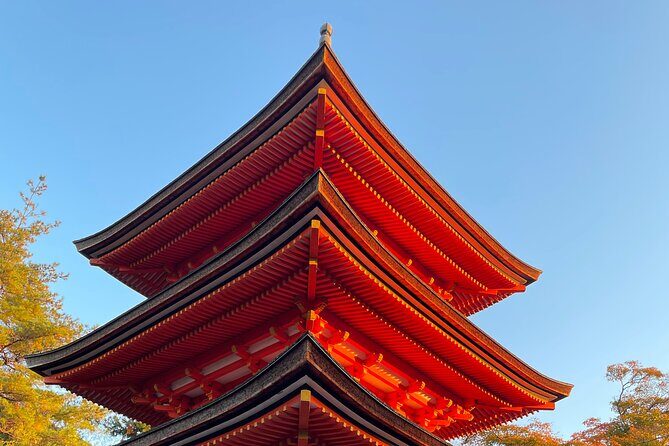
If you have even a few days in Kansai, the biggest problem is not seeing Japan. It is seeing it efficiently while you are juggling train schedules, transfers, and the “where do we meet the group?” chaos of shared tours.
This is designed around the idea that you should check off multiple cities in one go—Kyoto, Nara, Osaka, and Kobe—without being stuck on rigid timing. The private car is what makes that mindset practical. You spend less energy getting from point A to point B and more time on what you came for: temples, old neighborhoods, food streets, gardens, and a few scenic detours.
You also get flexibility in how long you go. If you want a one-day version, you can start in one city and end in another. If you want to stretch things out, the multi-day format lets you spread the sights so the day does not feel like one long dash.
You can also read our reviews of more tours and experiences in Kyoto.
Your private car setup: comfort, charging, and Wi‑Fi on the move
This experience includes an air-conditioned vehicle, and it stays with your group during your sightseeing window. That matters more than you might think in Japan, where summer heat and mid-day walking can drain you fast. Having your own car also means you are not forced to compress everything around a bus timetable.
Two practical extras are included:
- Wi‑Fi on board so you can handle maps, messages, and ticket confirmations while traveling.
- A 100V AC power supply for charging devices like cameras and laptops during excursions.
Also note what is not included: there is no restroom on board. That is not a dealbreaker, but it affects pacing. If your group is sensitive to bathroom timing, I’d plan to treat stops as your rhythm—not “we’ll figure it out later.”
Price and value: what $385 per group really means
The price is $385 per group (up to 8), with pickup and drop-off where you want. At first glance, that can look high if you are traveling solo or as a couple. But the value comes from the structure: you are paying for a private vehicle and flexible multi-city routing, not just a guided walking circuit.
If you are traveling with a small crew, the math shifts quickly. Even without knowing your exact headcount, you can think of this as group-based value: the more people you split it across, the more you convert that flat fee into “per-person convenience.”
One more value check: most major attractions on this route have admission fees that are not included. So your real budget is the tour fee plus what you spend for entry. I like tours where that is clear up front, because then you can plan ahead instead of counting cash at the gate.
Day 1: Kyoto’s classic icons plus the northern Kyoto coast
Day 1 starts with a mix that feels like Kyoto, then gently expands beyond it. You get temples and historic districts, but you also visit natural scenery and seaside atmospheres that many Kyoto-only days skip.
Before you go: expect lots of walking. Many stops are 30 minutes to 2 hours, which is great for variety, but you’ll want comfortable shoes.
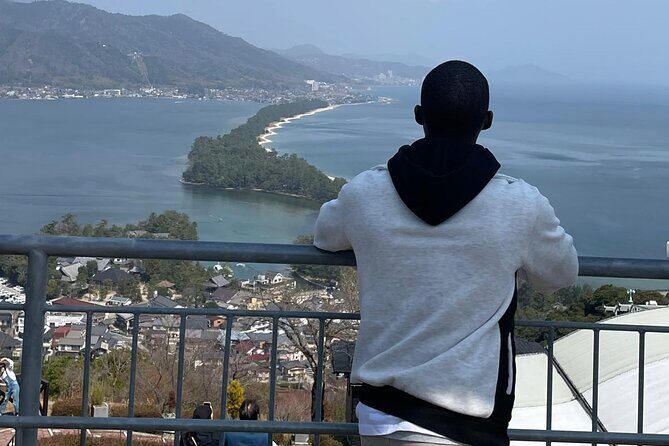
- Amanohashidate (about 2 hours): a pine-covered sandbar in Miyazu Bay with that “heaven bridge” vibe. The big appeal is the view and the way the landscape frames the water. Admission isn’t included here, so check the on-site ticket details.
- Ine no Funaya (about 1 hour): seaside boathouses lining the bay, plus Urashima shrine tied to the Urashima Taro folk tale. This is the kind of stop where you slow down for photos and coastline atmosphere.
- Arashiyama (about 2 hours): Kyoto’s western district known since the Heian era. You’ll get the classic Arashiyama feel, but it can be busy—arrive with a “wander, don’t sprint” mindset.
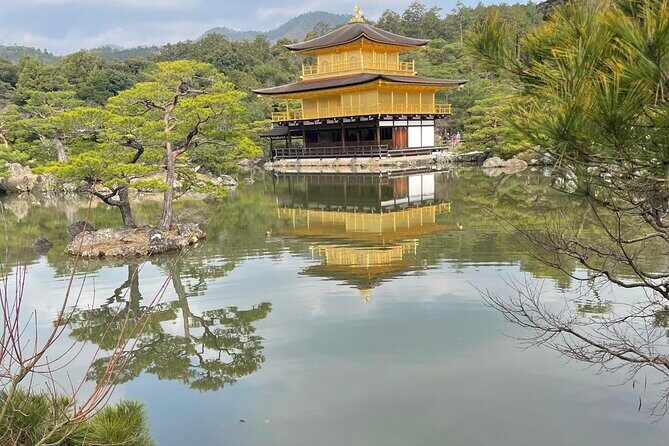
- Kinkakuji (Golden Pavilion) (about 30 minutes): Zen temple over a pond, famous for the iconic golden exterior. Even with a short stop, it’s a one-shot highlight.
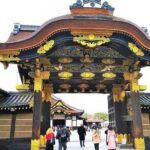
- Nijo Castle (about 1 hour): a UNESCO World Heritage site tied to the Tokugawa era. If you like historic architecture and atmosphere, this is worth your time even if you move fast.
- Kyoto Imperial Palace (about 1 hour): a former imperial residence until 1868. It’s a good pacing break from the more crowded temple circuits.
- Nishiki Market (about 45 minutes): Kyoto kitchen vibes—food stalls and specialty shops in a narrow stretch. Go hungry if you can.
- Ginkakuji (Silver Pavilion) (about 45 minutes): modeled after earlier inspirations, with a Zen-garden style that rewards quieter attention.
- Nanzen-ji (about 1 hour): a major Rinzai Zen temple complex with a temple hall and garden centered around a pond. It’s often less frantic than some first-timers’ favorites.
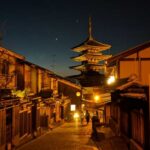
- Gion (about 2 hours): the geisha district area. You can sense the old-street energy even when reality is more modern than it looks in movies.
- Sanjusangendo (about 1 hour): the temple famed for 1001 statues of Kannon. This is a “wow in volume” stop—short on time, strong on impact.
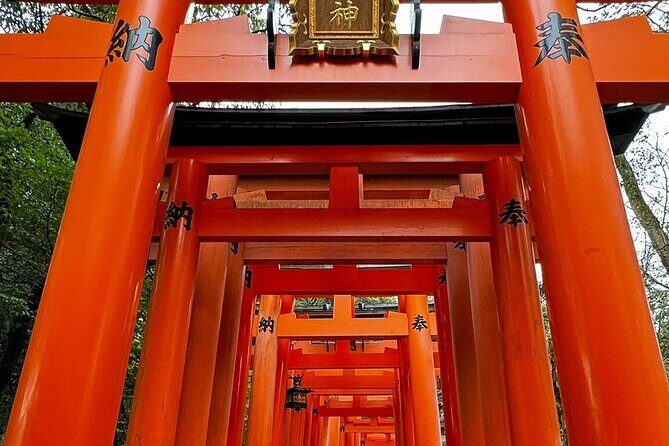
- Fushimi Inari-taisha (about 30 minutes): the famous torii gates for wishes tied to prosperity, family safety, and more. The best strategy is quick structure: arrive, get a sense of the gate lines, then decide how deep you want to go.
- Hozugawa River boat ride end point (about 2 hours): a hands-on river experience element. You’ll likely enjoy it most if you like a break from temple-to-temple motion.
- Kyotango (about 2 hours, admission free per the info provided): beaches like Shotenkyo Beach and the “singing sand beach” area called Kotohiki-hama are the vibe here. If weather is decent, this is an easy win.
- Amanohashidate Winery (about 2 hours, admission free per the info provided): a more relaxed stop for wine lovers and scenery-watchers, placed at the end of the day to cool you down.
Day 1 is a lot. But that’s also why it works: you get coastal scenery, classic Kyoto, and a finale that feels calmer than another temple gate.
Day 2: Osaka-jo, the noodle-cup museum, and the food-street circuit
Osaka Day 2 is the “big energy” day. You start with major landmarks, then shift into neighborhoods built around shopping and eating.
A helpful way to think about it: you’ll do at least two things each time—see a signature place, then slow down to experience the local street texture.
- Osaka Castle (about 1 hour): one of Japan’s best-known castles with a striking silhouette. Admission isn’t included, so plan for the ticket cost.
- CUP NOODLES MUSEUM OSAKA IKEDA (about 1 hour): instant ramen flavor history and the famous recreated hut where Momofuku Ando worked on ideas. Great if you want something fun and not only historical.
- Minoo Park (about 2 hours, admission free): a green escape outside Osaka with Minoosan Ryuanji Temple nearby. This is a good “reset” stop if the city crowds wear you out.
- Shinsekai (about 1 hour): the New World district linked to pre-WW2 themes and places like Tsutenkaku. It feels different from central Osaka shopping streets.
- Sennichimae Doguyasuji Shopping Street (about 30 minutes, admission free): specialist shops for things like cutlery and kitchenware. Even if you don’t buy, it’s interesting.
- Kuromon Market (about 45 minutes, admission free): Osaka’s Kitchen reputation is real here—seafood, meat, and produce under one roof. If you like sampling, this is a high-payoff stop.
- Hozenji Yokocho (about 45 minutes, admission free): a narrow alley with lanterns and cobblestones and a small temple atmosphere. It’s a nice contrast after the big markets.
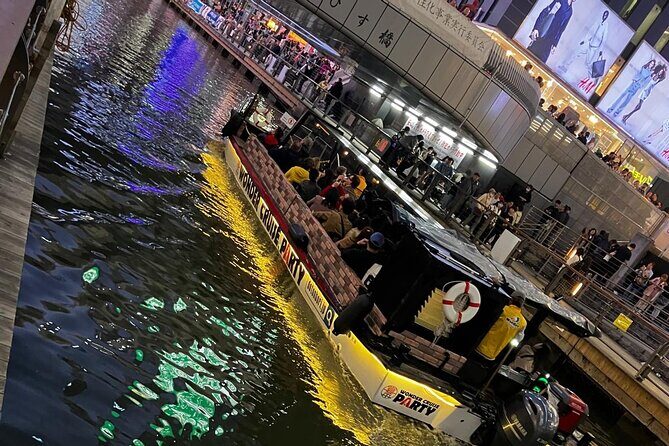
- Dotonbori (about 45 minutes, admission free): neon, canal-side energy, and street food vibes. It’s one of those places you understand immediately.
- Shinsaibashi-suji Shopping Street (about 1 hour, admission free): a major covered shopping street. If you want brands or simple street browsing, this is the place.
- Sumiyoshi Taisha Shrine (about 1 hour, admission free): a shrine tradition dating back close to two millennia, with distinctive Sumiyoshi-zukuri architecture. This is a calmer spiritual anchor.
- Tempozan Harbor Village (about 2 hours): a bay leisure area; Kaiyukan is referenced, but admission isn’t included. If aquariums are your thing, you’ll decide on tickets on the day.
- Hoshi no Buranko Bridge (about 2 hours, admission free): a suspension bridge with a 360-degree view described as great in autumn. Even outside peak season, it’s a strong viewpoint stop.
- Asahi Beer Museum (about 1 hour): a tasting and sensory-style museum option. Tickets aren’t included, but it’s a different kind of Osaka attraction.
- Tondabayasahi Jinaimachi (about 2 minutes): an extremely short stop for a historic townhouse-preserved district feel.
Day 2 works best if you enjoy food streets and don’t mind mixing serious sights with light, fun stops. It is also a day where your stomach and feet will need care.

Day 3: Nara deer temples plus Kyoto gardens and Uji tea time
Day 3 leans into old capital atmosphere and calmer pacing. You start in Nara with iconic “must-see” energy, then return to Kyoto’s side for gardens and neighborhood walks, and finish with Uji’s tea reputation.
- Nara Park (about 1 hour, admission free): deer roaming freely plus space for a relaxed first take on Nara. You’ll move slower here on purpose.
- Todai-ji Temple (about 1 hour): UNESCO World Heritage recognition and the giant bronze Buddha statue. If you like monumental religious architecture, this is a top anchor.
- Higashimuki Shopping Street (about 30 minutes): a covered arcade near the park, with restaurants and souvenir shops. If it rains, this kind of street is a lifesaver.
- Kofuku-ji Temple (about 1 hour): a 7th-century temple complex with pagodas and gardens. It pairs well with Todai-ji because the vibe is different but still historically grounded.
- Sanjodori Street (about 1 hour, admission ticket included): a shopping-and-dining street connecting Gion and Kawaramachi areas in Kyoto. Good for that in-between city feel.
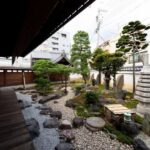
- Isuien Garden (about 1 hour, admission included): a traditional garden with pond, teahouse, and meticulously landscaped elements. This is where you slow down and let the day breathe.
- Kasuga Grand Shrine (about 1 hour): lanterns donated by worshippers, with bronze lanterns and stone lanterns lining approaches. This stop rewards paying attention to the details.
- Naramachi (about 30 minutes, admission included): old machiya merchant townhouse lanes and small cafes and shops. It’s one of the best ways to catch Nara’s character without rushing.
- Uji (about 2 hours, admission free): the southern Kyoto detour known for tea. You get terraces, green fields feel, and a break from the densest city blocks.
Day 3 is a balance day. You get big temple hits and then you get breathing space in gardens and old-town lanes. That mix is why it feels complete rather than exhausting.
Day 4: Kobe’s hills, sake towns, Himeji’s white heron, and Rokko viewpoints
Day 4 is where the itinerary becomes most “Kansai identity” in one sweep: Kobe’s port and neighborhoods, then Himeji’s grand castle, then Rokko’s viewpoints and a hot-spring style finale.
The order also makes sense: you start with nature/hills, move into sake and port history, then end with scenic elevation and relaxation.
- Mt. Rokko (about 2 hours, admission free): a mountain backdrop over Kobe, plus mention of Kobe Nunobiki Herb Gardens. This is your fresh-air start.
- Nada no Hitotsubi (about 1 hour): a sake-brewing district known for traditional methods and quality rice and water. It’s a smell-and-street knowledge stop.
- Kobe Shushinkan Brewery (about 1 hour): a sake warehouse area with shops and guided tours held once per day (timing varies with the schedule). If you like learning how products connect to place, this is a highlight.
- Port of Kobe Earthquake Memorial Park (about 1 hour, admission free): a moving museum space tied to the 1995 Great Hanshin Awaji Earthquake. Even if you are not expecting heavy content, it’s important.
- Kitano Ijinkan-gai (about 1 hour): foreign merchant and diplomat residences after the port opened. The architecture and history feel different from temple-heavy days.
- Chinatown (Nankinmachi) (about 1 hour): Chinese merchant history near Kobe Port and the Nanjing connection described by the neighborhood. It’s a food-and-culture contrast stop.
- Kobe Harborland (about 1 hour): shopping and commercial waterfront area. Good for a lighter, casual pace.
- Himeji Castle (about 1 hour): the white heron castle, Japan’s first UNESCO World Cultural Heritage site. Admission isn’t included, but even a one-hour window gives you the main impression.
- Koko-en (about 1 hour, admission ticket included): one of Japan’s scenic gardens with lakes, bridges, and historic buildings. This is where you feel “garden time” instead of “sight time.”
- Arima Onsen (about 1 hour, admission free): a well-known hot spring resort. The info notes a comfortable bath and footbath time, which is a strong way to end a long route.
- Rokko Garden Terrace (about 1 hour, admission free): an English garden style with meadow-like areas and a mix of garden moods.
- Rokko-Shidare Observatory (about 2 hours): a tree-like dome structure and panoramic views of Osaka Bay area, described from the Rokko mountains.
If you want the easiest “wow” ending, Day 4 is it—castle + viewpoints + an onsen-style decompression window.
What to watch for: fees, pacing, and when to ask for change
This tour’s biggest strength is variety across cities, and that means the day can feel full. Most stops are not long, so if you know you want to linger at something specific—like Fushimi Inari’s longer gate paths, or an extra walk in a garden—tell your driver/guide early.
Two practical realities:
- Admission tickets are mostly not included. Some stops are noted as free or ticket-included, but many major attractions are pay-on-site. That affects your total trip cost.
- There’s no restroom on board. Treat each stop break as a chance to rest, not as a bonus.
The good news is flexibility is built in. If you decide you want to swap one stop for another within the same day flow, you can usually do it with your own preferences in mind. In one strong review pattern, guides Kevin and Chi were praised for planning the day with frequent communication and flexibility, which is exactly what you want when the schedule is busy.
Who this tour fits best (and who should choose another style)
This is a great match if you:
- want multiple cities without living on public transit schedules
- like classic “big names” (Kinkakuji, Todai-ji, Himeji Castle) but also want street-life stops (markets, neighborhoods, shopping arcades)
- prefer a group of up to 8 where everyone shares the same pace and pickup points
You might want a different approach if you:
- love deep, slow museum-level days where you could spend hours at one site
- dislike paying on-site for entrances and prefer a fully bundled ticket price
Should you book this private Kyoto–Nara–Osaka–Kobe experience?
I think this is a smart booking for most first-timers who want the highlights, but with less stress than self-planning. The biggest reason is simple: you get a private vehicle, onboard Wi‑Fi, and the ability to shape the day around your interests instead of forcing everything into a rigid shared-bus grid.
Book it if you want convenience, broad coverage, and the option to stretch from a one-day city-to-city transfer into a full 4-day circuit. Skip it (or rethink) if you know you will need a low-pace, low-walking itinerary and you hate the idea of paying entry fees as you go.
If you do book, my best advice is to pick your top 3 priorities before you start—then tell Kevin and Chi (or whoever you’re assigned) early so your day has a clear spine, not just a long list of stops.