REVIEW · TOKYO
Small-Group Architecture Tour in Ginza, Tokyo
Book on Viator →Operated by Showcase Tokyo Architecture Tour · Bookable on Viator
Ginza looks like a postcard, but it’s the details that make it interesting. This 3.5-hour small-group architecture tour lets you slow down for regular photo pauses instead of racing past. I like the inside access to major stops (temple and theater especially), and I like that the guide ties what you’re seeing to how history and disasters shaped styles in this part of Tokyo. One drawback: the route is still mostly walking, so plan for frequent street crossings and a steady pace.
With up to 6 people, you get real time for questions and practical guidance on what to notice next. You’ll also get a cozy drink break along the way, which is a nice reset when the city heat or foot traffic kicks up. If you want a super-fast highlight reel, this format might feel a bit more intentional than you expect.
In This Review
- Key takeaways before you go
- Why Ginza’s architecture needs a slow walk
- From Tsukiji meeting point to a Ginza-focused route
- Photo stops that actually help you see
- Step Inside Tsukiji Hongwanji Temple
- Kabukiza Theater: architecture with a performance rhythm
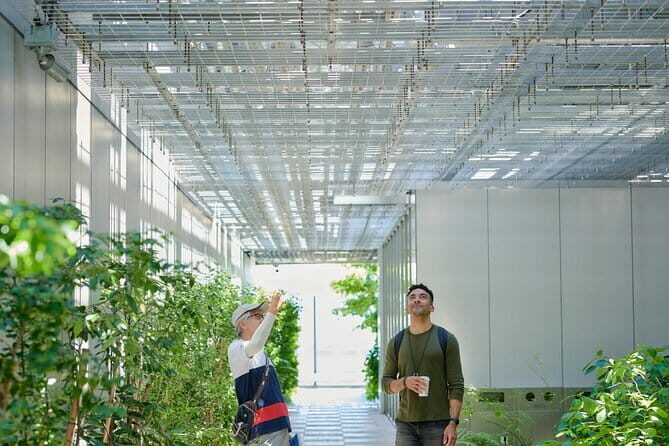
- The Nicolas G. Hayek Center: modern design you can step into
- Toyoiwa Inari Shrine: a fast reset stop
- Maison Hermes Le Forum: luxury architecture from the inside
- Mikimoto, UNIQLO, and Wako: reading retail façades like design
- Okuno Building: the last interior stop that leaves a mark
- Price and value: is $84.70 a smart deal?
- Who this Ginza architecture tour is perfect for
- Should you book this Ginza architecture tour?
- FAQ
- FAQ
- How long is the Ginza architecture tour?
- What is the group size?
- Are admission tickets included for the stops?
- Does the tour include a drink break?
- Where do I meet the tour?
- Where does the tour end?
- Is hotel pickup included?
- Is a mobile ticket used?
- Does the tour involve a lot of walking?
Key takeaways before you go
- Up to 6 people: You’ll get room to ask questions and stop when something catches your eye.
- Photo-first pacing: You’ll pause often, so you can actually frame buildings instead of snapping while walking.
- Inside major landmarks: Tsukiji Hongwanji Temple, Kabukiza Theater, the Nicolas G. Hayek Center, and other stops aren’t just exterior views.
- A guide with technical street-level context: Guides like Hal and Taka (both praised for strong architectural insight) help you read the city like a design problem.
- Short “breather” stops: Shrines and boutiques are brief, so you get variety without losing the main thread.
- Mobile ticket: Easy to manage on the go, since you don’t have to hunt for paper.
Why Ginza’s architecture needs a slow walk
Ginza is famous for luxury storefronts, polished stone, and big-name brands. But if you only glance while you’re on transit, you’ll miss the real story: how Tokyo layers different eras into the same few blocks.
This tour is built around slowing down. You walk between stops at an easy rhythm, with scheduled moments to take photos and get your bearings. That matters, because Ginza architecture isn’t just about one iconic building—it’s also about materials, entrances, signage layout, and how structures face the street at human height.
You’re also not stuck with a single type of architecture. The route mixes traditional spiritual space, a landmark theater, modern design institutions, and commercial buildings. That mix is what keeps the walk from feeling like sightseeing wallpaper.
You can also read our reviews of more tours and experiences in Tokyo.



From Tsukiji meeting point to a Ginza-focused route
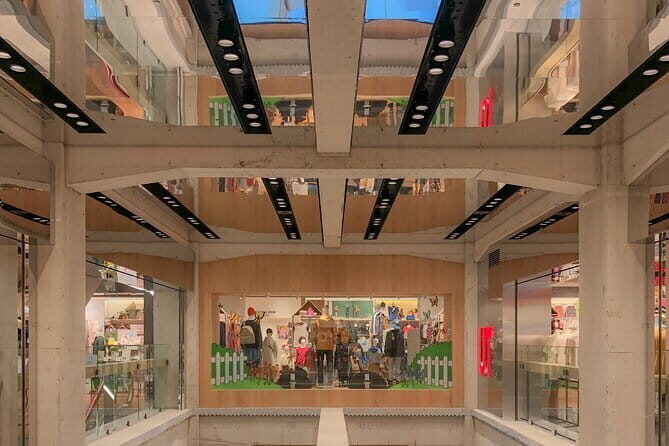
You start at Tsukiji Station (3-chōme), Exit 1 area, and the tour ends near the Ginza 4-chōme intersection in front of Mitsukoshi. That finish point is convenient if you want to continue wandering afterward, especially because Ginza’s department stores and covered pedestrian areas make it easy to transition into shopping or a café stop.
The guide’s framing is part of the value here. You’ll hear how the Shogun era and natural disasters influenced architectural styles you see in the area. You don’t need a textbook to enjoy it—you just need to pay attention to what changed and what stayed consistent: rooflines, structural logic, and how buildings protect the street-facing experience from weather and crowd flow.
Timing helps too. The tour is about 3 hours 30 minutes, so you’re not committing to an all-day marathon. Still, it’s long enough to see the district move from one kind of design problem to another.
Photo stops that actually help you see
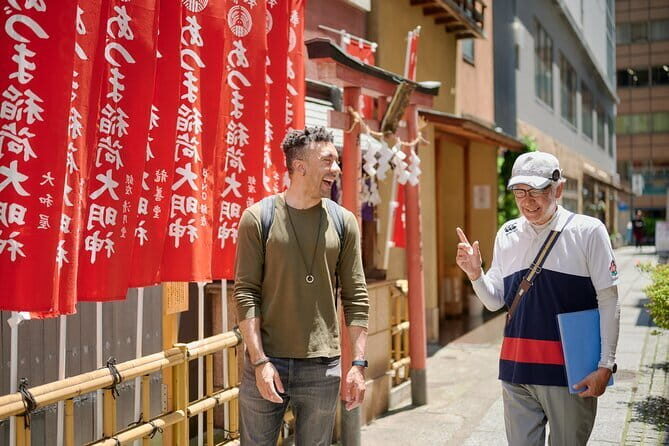
A lot of “architecture tours” in big cities turn into a sprint with a few obligatory slowdowns. This one feels different because the itinerary builds in frequent pauses for photos. That changes everything.
When you stop, you can look up without juggling your route plan. You can notice things like:
- how a façade changes at the corner (often where buildings “announce” themselves)
- how entrances are designed to guide people into lobbies or theaters
- where modern materials meet older stylistic cues
I also like that you’re encouraged to ask the guide for recommendations for more local architecture beyond the main stops. Ginza is easy to “consume” as shopping. This tour nudges you to “read” it like a designed environment.
Step Inside Tsukiji Hongwanji Temple
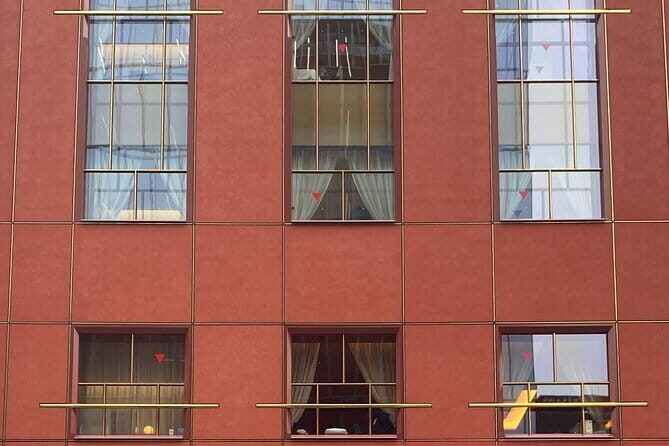
The tour includes an in-temple visit at Tsukiji Hongwanji Temple. It’s a short stop—about 10 minutes—but that’s the right length for a walking tour schedule. You’ll have a chance to go inside and see how the space works, not just pass by from the sidewalk.
Why this stop matters: it gives you a contrast point before you move into commercial and performance architecture. Ginza is visually dominant from the street, but temples often teach you to look differently—toward entrances, layout, and how visitors are guided through the experience.
Practical note: this is a temple interior segment, so wear shoes you can stand and move in comfortably. Also, keep your phone use respectful—this isn’t the moment for loud conversations or long filming.
Kabukiza Theater: architecture with a performance rhythm
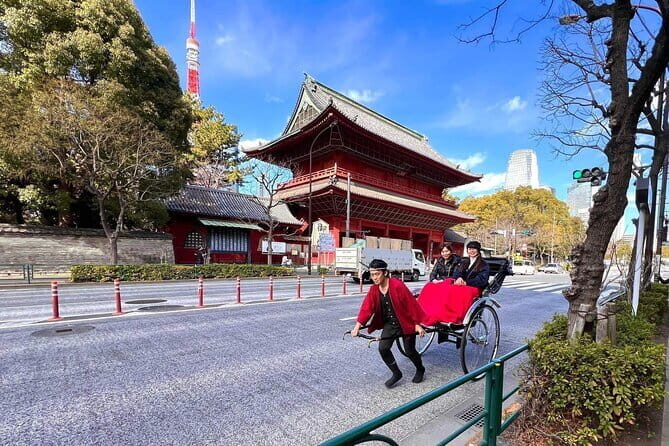
Next up is Kabukiza Theater, where you’ll go inside for about 20 minutes. Even if you don’t watch a show, theaters are great architecture lessons because the building has to serve crowds, sightlines, and movement.
This stop is especially useful if you like design that supports human behavior. A theater isn’t only a façade—it’s circulation and crowd control made visible. You’ll also get a break from the storefront intensity of Ginza, which can otherwise make architecture feel like an endless billboard.
The practical drawback: because it’s an interior visit, you may be in a space where you can’t linger forever. Still, 20 minutes is enough to get a feel for the scale and the interior character.






The Nicolas G. Hayek Center: modern design you can step into
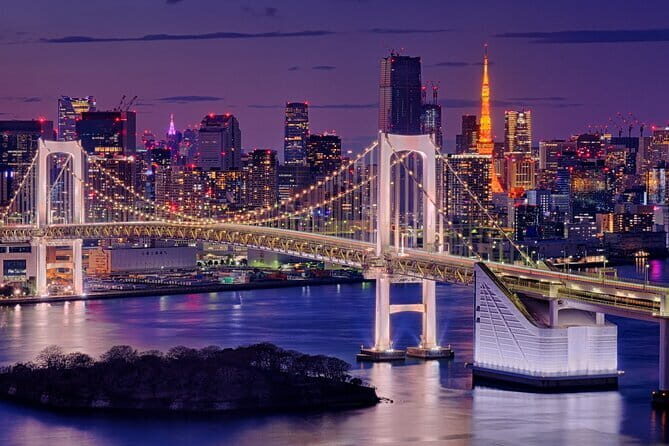
The Nicolas G. Hayek Center is another inside visit, around 15 minutes, and it’s a smart pivot in the tour. After temple and theater, you get a different energy—modern institutional space in the heart of a retail district.
This is also one of the stops that tends to stick with people, because it’s a chance to see how contemporary design functions in a very “traditional” Tokyo shopping neighborhood. If you’re the kind of traveler who likes to compare materials and layout choices, this stop gives you something to test your observations against.
Photo note: you’ll likely be more comfortable taking photos outside first, then snapping a few quickly inside only if allowed. The tour timing keeps you moving, so don’t plan on a long photography session here.
Toyoiwa Inari Shrine: a fast reset stop
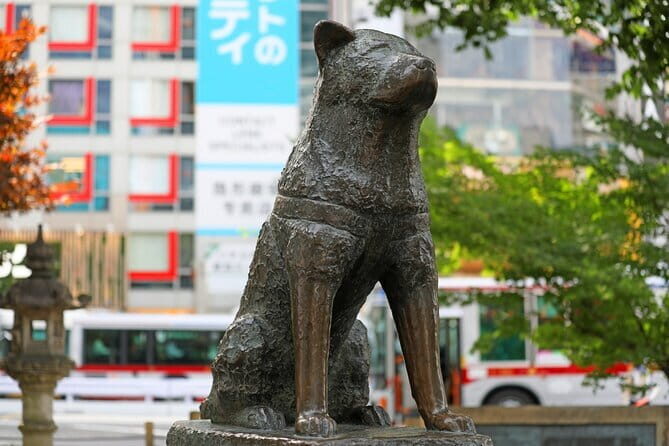
At Toyoiwa Inari Shrine, you’ll spend about 5 minutes. It’s brief, but short shrine stops can be powerful in an architecture tour because they re-ground you. After buildings with big commercial presence, you get a more compact sacred space where details feel more personal.
This is the kind of stop that works well for the tour format: a quick pause, a quick look, then back to moving. If you’re sensitive to crowds, this mini-break can be a welcome change of pace.
Maison Hermes Le Forum: luxury architecture from the inside
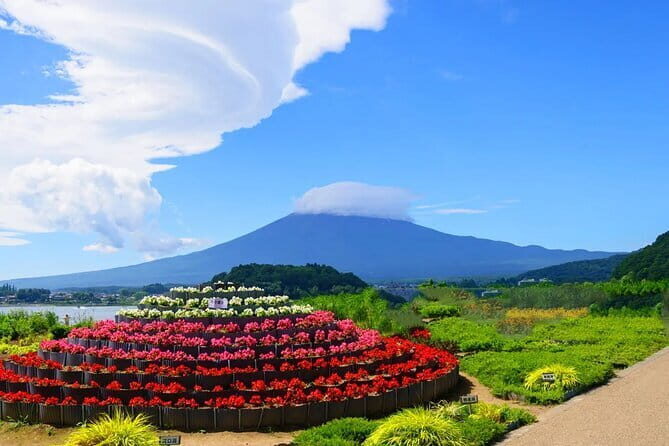
You’ll visit Ginza Maison Hermes Le Forum inside for about 15 minutes. This kind of stop can be hit-or-miss on generic walking tours, because luxury spaces can feel like they’re all branding and no architecture.
Here, the value is that you’re not just looking at products. You’re looking at how the building organizes space—how entrances and display areas work as part of the architecture. The guide context helps you see beyond the storefront noise.
One consideration: luxury interiors can feel strict about where you’re allowed to stand or photograph. Even without any explicit rule provided, it’s smart to keep it low-key and follow staff cues.
Mikimoto, UNIQLO, and Wako: reading retail façades like design
The middle-to-late part of the walk shifts into Ginza’s commercial style. You’ll see places like:
- Mikimoto Boutique Ginza 2-chome (inside if you have time, about 5 minutes)
- UNIQLO Tokyo (view from outside, about 10 minutes)
- Mikimoto Ginza 4-chome Honten (outside view, about 5 minutes)
- Wako Ginza (outside view, about 10 minutes)
This section is where Ginza’s architecture becomes obvious even if you’re not hunting for it. You’ll start noticing how retail buildings use light, entrances, window display rhythm, and signage placement to create movement and identity.
Why this matters: a lot of architectural travelers ignore retail because it’s “not serious.” But retail is where you can see the street-level mechanics of design—how people enter, pause, and keep walking.
Timing reality: some inside moments depend on time (Mikimoto Boutique is specifically conditional). If you’re someone who hates uncertainty, keep your expectations flexible. You’ll still get plenty of outside views regardless.
Okuno Building: the last interior stop that leaves a mark
The final interior visit is Okuno Building, about 10 minutes. It’s a short finish, but interior architecture tends to linger in your memory more than exterior-only stops because it changes how you experience scale.
Think of this stop as a “closure chapter.” By this point you’ve seen temples, theaters, modern design space, and retail façades. Okuno Building gives you another lens, and you’ll likely find yourself comparing details: spacing, entrances, and how the building handles the street-facing relationship.
Price and value: is $84.70 a smart deal?
At $84.70 per person, this isn’t the cheapest walk in Tokyo—but it can be good value if you care about inside access and guided context.
Here’s where the price feels justified:
- Multiple inside visits (temple, theater, Hayek Center, luxury interior, and other building interiors)
- Small group size (max 6), which is rare for a district as busy as Ginza
- A cozy drink pause included, which saves you time and makes the tour feel human
- A local licensed tour guide, with an architecture/urban-planning bent noted in guide reviews (people specifically mention strong technical insight and energy)
A downside in plain terms: you’re paying for structure. If you already know the buildings you want, or if you’re traveling with someone who wants a pure shopping loop, you might find the itinerary too “tour-driven.” But if your goal is to see architecture with guidance and not just wander, this cost can feel fair.
Also, keep in mind that the experience requires good weather. If the tour is affected, you’ll be offered a different date or a refund—so check forecast the morning of.
Who this Ginza architecture tour is perfect for
This tour is ideal if you:
- like architecture explanations that connect to real-world design choices
- want a walkable route without getting swallowed by Ginza’s crowds
- enjoy a guide who can answer questions, not just recite a route script
- want inside access to a mix of temple, theater, modern, and commercial spaces
It’s less ideal if you:
- hate walking in a city environment (moderate fitness is expected)
- prefer self-guided architecture hopping with no scheduled stops
- expect a focus only on ultra-famous skyscrapers
For families or mobility-limited travelers, the key factor is the walking portion. The stops are short, but the transit between them still counts.
Should you book this Ginza architecture tour?
If you want to experience Ginza as more than shopping, yes, I’d book it. The best reason is the blend of inside visits plus photo-friendly pacing in a tight district, with a guide who helps you notice what matters. The small group size is the quiet hero here—less herd energy, more actual conversation.
Book it especially if you’re the type who looks at buildings and wonders how they’re engineered to handle people, weather, and history. If that’s you, this walk turns Ginza from scenery into a readable city.
FAQ
FAQ
How long is the Ginza architecture tour?
The tour runs about 3 hours 30 minutes.
What is the group size?
The experience has a maximum of 6 travelers.
Are admission tickets included for the stops?
Yes. Each listed stop shows Admission Ticket Free, and the tour includes those visits.
Does the tour include a drink break?
Yes. A cozy pause with drinks along the way is included.
Where do I meet the tour?
You meet near Tsukiji Station, Exit 1 at 3-chōme 15-1 Tsukiji.
Where does the tour end?
It ends at the Ginza 4-chōme intersection, in front of Mitsukoshi department store.
Is hotel pickup included?
No. There is no hotel pickup or drop-off.
Is a mobile ticket used?
Yes. The tour provides a mobile ticket.
Does the tour involve a lot of walking?
Yes, it’s a walking tour with multiple stops and site-to-site movement, suitable for moderate physical fitness.