REVIEW · TOKYO
Tokyo Full Day Tour with a Local Expert Guide
Book on GetYourGuide →Operated by Jewel Tours Japan · Bookable on GetYourGuide
One crossing, five classic Tokyo stops. This full-day route strings together Shibuya Crossing, palace grounds, an ancient temple, old-school Yanaka streets, and a final big view from Tokyo Tower—all with a local guide to explain what you’re actually seeing.
I especially like the mix of famous icons plus neighborhood walking in Yanaka, where the pace slows and you can shop and snack without turning the day into a photo sprint. I also like that you get real guidance on where to go next, how long to linger, and how to keep the day moving even when conditions change. One drawback: food, drinks, and any paid temple fees aren’t included, and there’s no private car, so you’ll want some cash and comfortable shoes.
In This Review
- Key things worth your time
- How the Day Flows: Shibuya to Tokyo Tower in One 8-Hour Loop
- Shibuya Crossing: Screens, Crowd Rhythm, and Photo Time
- Imperial Palace Grounds: A Calm Walk with Real Meaning
- Senso-ji Temple: Old Tokyo, Shared by Everyone
- Yanaka District Alleys: Traditional Shops and Real Snack Time
- Tokyo Tower Panorama: The Big View That Makes the Day Make Sense
- Budgeting the $116 Price: What’s Included and What You Pay For Yourself
- Guide Style and Pacing: Helpful Photos, Flex Adjustments, and Q&A
- Who This Tour Suits (and the over-95 note)
- Should You Book This Tokyo Full Day Tour?
- FAQ
- How long is the Tokyo full day tour?
- Where does the tour start and end?
- What are the main stops on the tour?
- Is food included in the tour price?
- Are transportation costs included?
- Are entrance fees for temples and shrines included?
- What languages is the guide available in?
- Is the tour private?
Key things worth your time

- Shibuya Crossing first: you start with Tokyo’s energy meter on day one.
- Imperial Palace history in walking form: learn the meaning of the grounds, not just the scenery.
- Senso-ji Temple as a story stop: the oldest temple in the city gets context while you walk.
- Yanaka alley time: traditional streets, small shops, and snack breaks for souvenirs.
- Tokyo Tower panorama: end with the skyline view that makes the whole day click.
- Guide flexibility: pacing and small adjustments happen so you don’t feel rushed.
How the Day Flows: Shibuya to Tokyo Tower in One 8-Hour Loop

This is built like a smooth sightseeing circuit. You meet your guide at your Tokyo accommodation, then you head straight to Shibuya Crossing. From there, the day moves through major landmarks—Imperial Palace and Senso-ji Temple—before shifting into a more old-world Tokyo mood in Yanaka. It ends with the payoff view from Tokyo Tower, then you get transferred back to your hotel.
Why that order works: you get your big, modern Tokyo moment early, when your energy is highest. Then you balance it with older Tokyo—temples, gardens, and quieter streets—before finishing with a “put it all together” skyline view. You’re not bouncing between far-off corners all day. You’re walking a logic-based route that helps you understand how Tokyo layers new and old.
There’s one planning consideration. You’ll be walking and doing light sightseeing for hours, so pace yourself with snacks and water. Also remember that entrance fees for the paid parts of temples and shrines are not included, so bring a little extra budget for tickets.
You can also read our reviews of more guided tours in Tokyo
Shibuya Crossing: Screens, Crowd Rhythm, and Photo Time
You start at Shibuya Crossing, the pedestrian scramble famous for the big video screens and the constant flow of people. It’s loud, bright, and oddly hypnotic. What makes it more than just a place to stand is that you’re there with a guide who can point out what you’re looking at—how the intersection works and what makes it feel like the center of Tokyo’s modern life.
I like starting here because it’s a fast way to get bearings fast. Your brain learns where things are by seeing the landmark that everyone talks about. You also get a built-in moment to shake off jet lag energy. If you arrive early or the weather is weird, having a guide helps you adjust what you do next without losing the whole day.
A small heads-up: Shibuya is crowded. That’s the whole point. Wear shoes you can stand in, and expect that the “best view” spots fill up quickly. If you care about photos, it helps to ask your guide where to stand for a clean shot before you move on.
Imperial Palace Grounds: A Calm Walk with Real Meaning
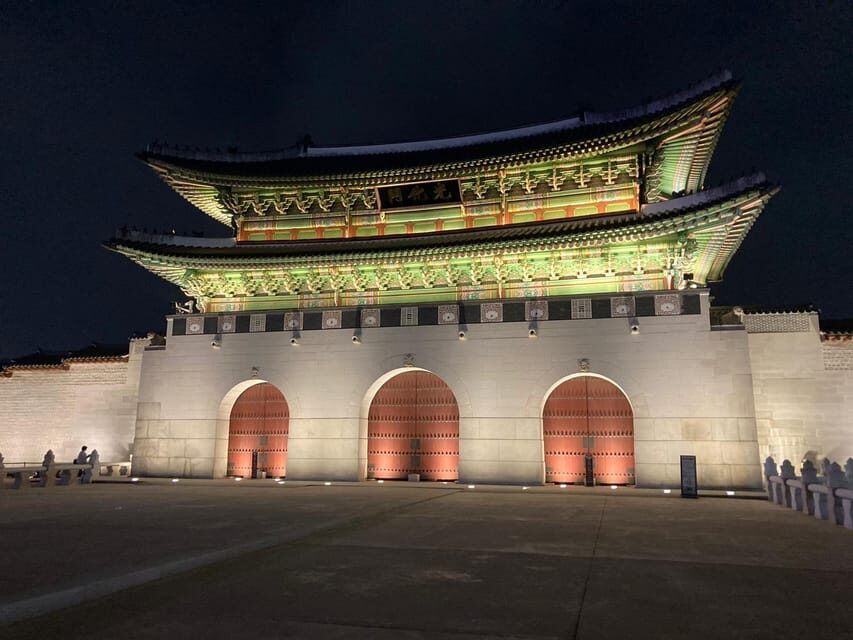
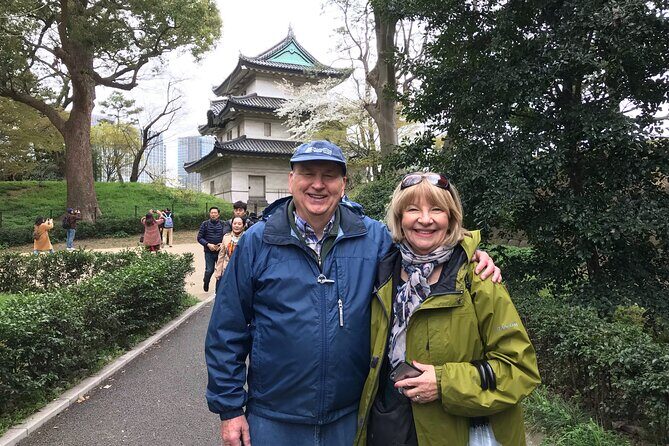
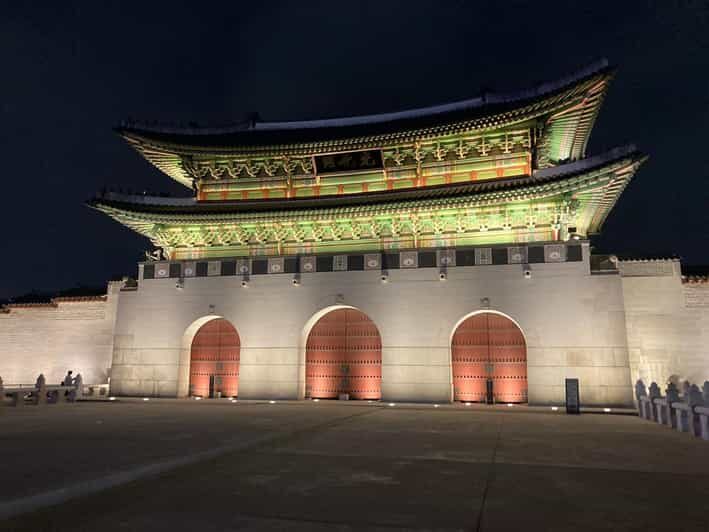
Next comes Tokyo Imperial Palace. Even if you only catch parts of the grounds during your visit, the setting changes the tone of the day. The atmosphere is quieter and more open than Shibuya. That contrast matters. It’s Tokyo showing you the other side of itself: order, ceremony, and space.
This stop is valuable because it’s not just sightseeing-by-brain. Your guide shares the history and significance of the palace area in a way that makes the walls, gardens, and walkways feel purposeful. You’re not memorizing dates. You’re learning what the site represents and why it matters in Japan.
You’ll also visit parks and gardens as part of the day. That’s not wasted time. Garden walking breaks up the harder crowds and gives your feet a moment to recover. It’s also where you can slow down and actually notice details like how the grounds are laid out for movement and viewing.
The consideration here is simple: palace-related areas can include sections that may require paid entry. The tour notes that fee-paying attractions aren’t included, so if you want to see every option, be ready to pay on the spot.
Senso-ji Temple: Old Tokyo, Shared by Everyone
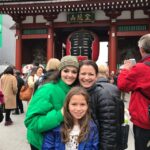
Then you move to Senso-ji Temple in Asakusa. This is the oldest temple in Tokyo, and that age shows in the way people move through the space. It’s not a quiet museum experience. It feels lived-in—tourists, locals, families, and everyone sharing the same lanes.
What you’ll enjoy most is the guide-led context. Temple visits are easy to treat as a checklist: gate, main hall, photos, done. With this tour, you get a story thread, so the sights land harder. You understand what you’re seeing and why certain behaviors—how people approach, where they look, how they pause—are part of the ritual.
You’ll also get time within the broader temple area to take in the scene, and then the route carries you onward without leaving you stranded. That matters in Tokyo. You can easily waste time trying to figure out where the next “must-see” is while the day ticks away.
One thing to plan for: temple grounds can have paid sections. The tour covers the main guided experience, but fee-paying attractions are not included. Bring some cash or a card for those adds, especially if you want to enter specific paid areas.
Yanaka District Alleys: Traditional Shops and Real Snack Time
After the big landmarks, the day turns into neighborhood wandering in Yanaka. This is where you feel the Tokyo that keeps its shape through changing decades. The tour walks you through winding alleyways lined with traditional shops, and that’s the sweet spot for souvenirs.
Yanaka is also where you get your street-food moment. Food and drink aren’t included in the package, but you’ll have the chance to sample snacks and pick up tasty treats you can bring home. For many first-timers, this is the part that ends up being the most memorable. It’s hands-on. It’s less “look at a building” and more “taste Tokyo.”
Here’s the practical tip: go hungry, but not starving. You’re walking and tasting throughout the day, and it’s easier to enjoy small bites when you’re not too full too early. If you want souvenirs, use the snack stops as a scouting mission. Once you’ve seen what’s available at one shop, it’s easier to spot what you’ll actually want to carry.
Because this part depends on your guide and your group pace, you should expect flexibility. If you want extra time for browsing, this tour is designed to allow reasonable adjustments during the day.
A few more Tokyo tours and experiences worth a look



Tokyo Tower Panorama: The Big View That Makes the Day Make Sense
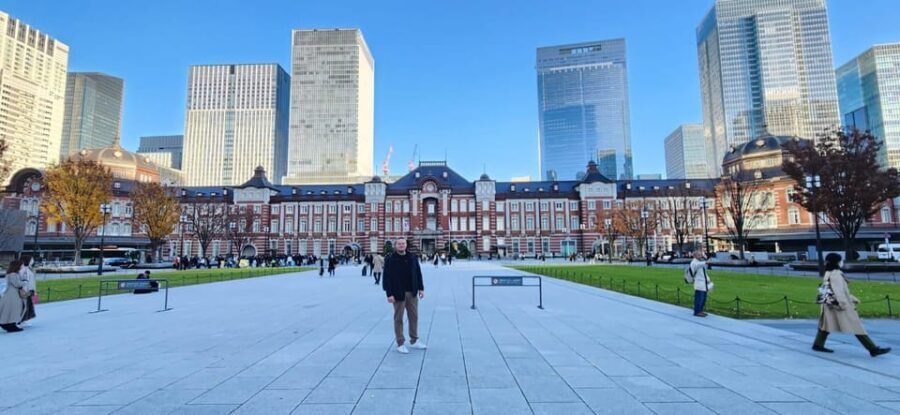
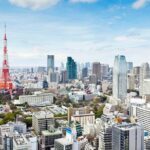
You finish at Tokyo Tower, one of the most recognizable silhouettes on the skyline. The tour frames this as a panoramic viewing moment—seeing landmarks from above so the whole day connects in your mind.
This last stop is smart for first-timers. After Shibuya, palace grounds, temple streets, and Yanaka alleys, you’ve got a lot of separate images in your head. A top-down view gives you geography. You start to understand distances and direction. It’s also where you can take photos that look like Tokyo, not like “a street we stood on.”
Keep expectations realistic. Viewing decks can be busy, and you’ll want to plan for queues and crowds. Still, it’s usually worth it because the payoff is instant and satisfying.
Also remember the tour notes that fee-paying attractions aren’t included, which can matter for specific observation options. If Tokyo Tower entry options vary by time and access, your guide will help you choose what fits the day and your budget.
Budgeting the $116 Price: What’s Included and What You Pay For Yourself
At $116 per person for an 8-hour day, this tour is priced like a guided “high-value hits” package. You’re paying for the structure: pickup coordination, guided walks, and expert interpretation of major landmarks plus neighborhood time.
What’s included:
- Hotel pickup and drop-off (on foot, not via a private car)
- Visits to parks and gardens
- Shibuya Crossing
- Temples and shrines as part of the guided route (with note that paid entries are not included)
What you should budget separately:
- Food and drink
- Transportation costs
- Fee-paying attractions
This is the main reason the tour can feel like a steal or a splurge depending on your spending style. If you buy a few street snacks and keep transit simple, you’ll likely stay within a comfortable budget. If you plan to eat full meals at multiple stops and add several paid entries, your day cost climbs.
The guide’s role helps. You’re told your guide will work to keep costs low while staying flexible. That can mean advice on where to snack, how to move efficiently, and what paid options are truly worth it for your interests.
One more value note: the itinerary is long enough to feel like a real day, not a two-hour highlights reel. If it saves you time from figuring out logistics and translations on your own, the price starts to make sense fast.
Guide Style and Pacing: Helpful Photos, Flex Adjustments, and Q&A
The quality of your day will depend heavily on your guide, and this tour leans into that. You get a live guide in English or Japanese, and the tone is practical: how to move through Tokyo, what to notice, and how to keep timing from slipping.
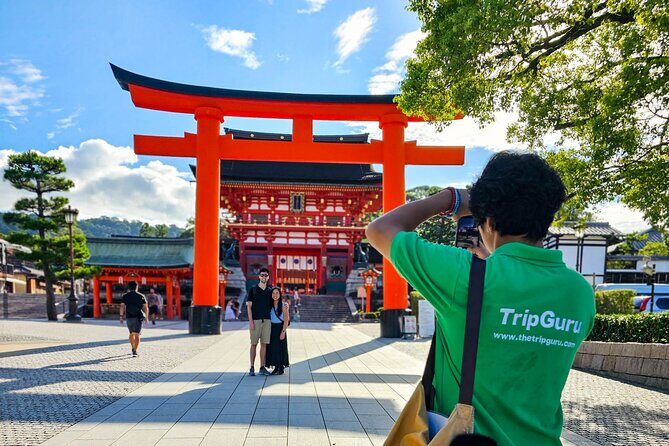
From what I’ve seen in how this experience is described, guides can be very responsive to your group’s needs. There’s mention of being attentive to wishes, making sure you have enough time at each stop, and even helping with photos so you’re not trapped holding your phone awkwardly in a crowd. Another big plus is flexibility. If it rains or plans need tweaks, having a guide and a planning team that can problem-solve makes the day feel less stressful.
You’ll also get learning through questions. If you’re the type who likes to ask why something is done a certain way, this tour tends to reward that. Instead of a one-way lecture, the guide’s explanations and your questions feed each other, and the stops feel more personal.
The one thing to bring is your own curiosity. A tour like this doesn’t just hand you facts—it turns them into a story you can walk through. If you show interest, you’ll get more out of it.
Who This Tour Suits (and the over-95 note)
This works best if you want a full-day sampler of Tokyo without having to plan every turn. It’s a good match for:
- First-time visitors who want landmark context plus local neighborhood walking
- People who like both big sights and smaller streets with shops
- Anyone who prefers a guided pace instead of figuring trains and exits all day
It’s also labeled as wheelchair accessible, which is a meaningful plus for mobility needs. Still, you should expect a lot of walking during an 8-hour day, and the tour is noted as not suitable for people over 95 years. If you’re on the edge of that range or dealing with mobility limits, you’ll want to ask specific questions before booking.
Also consider whether you enjoy crowds. Shibuya will be busy. Tokyo Tower can be busy. If you want quiet sightseeing only, this may feel like too much energy.
If you like structure and want your day to feel efficient, you’ll probably love the way this tour strings stops together and keeps you moving.
Should You Book This Tokyo Full Day Tour?
I’d book it if you want the quickest path to a real first-day understanding of Tokyo: modern Tokyo at Shibuya, historical grounding at the palace and Senso-ji, local flavor in Yanaka, then a skyline view to tie it together. The guide component is the heart of the value, especially for navigating timing, paid entries, and where to spend time versus move on.
Skip it (or at least compare) if you hate crowds, you don’t plan to pay any extra for attractions, or you’d rather do Tokyo at your own speed with no structure. Since food and transportation costs aren’t included, you’ll also want to think about your own daily spending style.
If you’re flexible about what you eat and willing to carry a bit of cash for paid sites, this tour is a strong way to turn one day into a memory with context, not just photos.
FAQ
How long is the Tokyo full day tour?
The tour lasts 8 hours.
Where does the tour start and end?
You’ll be picked up in Tokyo at your accommodation (or any location you choose in Tokyo) and the tour ends with a return transfer back to your hotel.
What are the main stops on the tour?
The day includes Shibuya Crossing, the Imperial Palace area, Senso-ji Temple, Yanaka district walking with shops, and a panoramic visit at Tokyo Tower.
Is food included in the tour price?
Food and drink are not included. You’ll have opportunities to buy snacks and souvenirs, and the guide can help you keep costs low.
Are transportation costs included?
No. Transportation costs are not included, though you’ll get help staying efficient with your guide.
Are entrance fees for temples and shrines included?
Fee-paying attractions are not included in the tour, so you may pay separately for ticketed parts.
What languages is the guide available in?
The live tour guide is available in English and Japanese.
Is the tour private?
It is described as a private group, but it is not a private car tour. Pickup and drop-off are on foot.