REVIEW · TOKYO
Edo Tokyo & Japanese Culture Tour with Government Licensed Guide
Book on Viator →Operated by Japan Guide Agency · Bookable on Viator
Tokyo’s Edo roots are closer than you think. This private, government-licensed English tour turns Tokyo history into a guided route you can actually follow, with time for hands-on stops like sumo culture in Ryogoku and ukiyo-e at the Sumida Hokusai Museum. You’ll pick 3–4 sites from the Edo-focused list for about 6 hours, mostly on foot, with public transport as needed.
I especially like the customization. If you’re into architecture, you may get a guide who points out details you’d miss alone, including what to look for in Edo-style building design. I also like the how-to help you can get for Tokyo transit—one of the best perks is learning practical moves like how to use an IC card and navigate the system with less stress.
One consideration: entry fees, meals, and transit costs aren’t included, so your day can cost more than the headline price. Also, the Imperial Palace stop is outside only, so don’t plan on going inside.
In This Review
- Key things I’d circle before you go
- Why this Edo Tokyo day works better than DIY
- Price and value: what $154.37 really buys you
- Imperial Palace grounds: meaningful, but outside only
- Ryogoku Kokugikan and sumo culture you can feel
- Sumida Hokusai Museum: ukiyo-e art made approachable
- Kanto Earthquake Memorial Museum: rebuilding as a real story
- Ryogoku Edo Noren: food court with an Edo costume
- Nihonbashi and the Sumida River: old roads and water in the frame
- Edo-Tokyo Open Air Architectural Museum and Fukagawa Edo Museum
- Edo-Tokyo Open Air Architectural Museum
- Fukagawa Edo Museum
- How guides tailor your day and help with real Tokyo movement
- Who should book this tour
- Should you book the Edo Tokyo & Japanese Culture Tour?
- FAQ
- Is this tour mostly walking?
- How long is the tour?
- What sites can I choose from?
- Does the tour include Imperial Palace entry?
- Are entrance fees included?
- Are meals included?
- What about transportation costs during the tour?
- Is there pickup?
- Is this a private tour?
- Can I cancel for free?
Key things I’d circle before you go
- Government-licensed English guide you can ask questions to, not just follow
- Choose 3–4 sites from an Edo-themed menu instead of being locked into a fixed crawl
- Mostly walking, optional public transport for a realistic Tokyo pace
- Good history hits like the Kanto Earthquake Memorial Museum and Edo-period neighborhood recreations
- Transit confidence boost (including IC card basics) when you need it
- Private format so your timing and interests can actually shape the route
Why this Edo Tokyo day works better than DIY
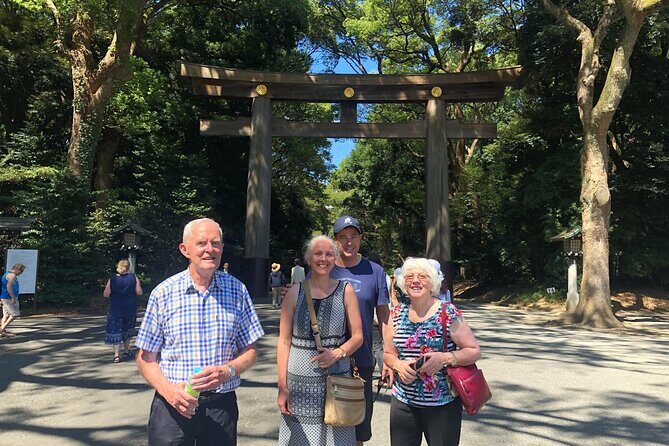
Tokyo has layers. The trick is knowing where to stand so the past shows up. That’s what this tour does: it strings together places tied to Edo-era life and its aftershocks, then adds a guide who can explain the why behind the what.
The private setup matters. Even with a 6-hour window, I’d rather have a guide pace the day around your interests than march with a big group and hope you catch the key points. Here, you choose 3–4 stops from the list, which is perfect if you want depth instead of checking boxes.
The other big win is the guide’s real-world problem-solving. Tokyo public transport can feel like a puzzle at first. In practice, the best moments on tours like this aren’t just photos—they’re the small instructions that help you move from place to place without wasting time. I’ve seen guides specifically help with IC card use and local transit navigation, which can turn the whole day from confusing into doable.
Finally, the tour leans into Edo Tokyo’s “real places,” not only big-name landmarks. That’s why Ryogoku’s sumo world works so well, and why the Edo museums and architecture stops are worth carving time for.
You can also read our reviews of more guided tours in Tokyo

Price and value: what $154.37 really buys you
At $154.37 per person, you’re paying for a licensed guide’s time and the structure that makes Edo Tokyo make sense. What you’re not paying for is the day’s extra costs: transport fees, entrance fees, and lunch.
So here’s how I think about value for this tour:
- If you’re already planning to visit museums or paid sites anyway, the guide becomes a multiplier. You’re not just seeing places—you’re also understanding them.
- If you’re expecting a fully inclusive tour with no extra spending, you’ll want to budget for tickets and transit ahead of time.
- Because it’s private and customizable, the guide time can be used efficiently. That matters in Tokyo, where time gets eaten by getting lost or backtracking.
The fact that most people book about 20 days in advance is a hint of demand. If you’re traveling in a busy season, booking earlier can help you lock in the specific guide availability you want.
Imperial Palace grounds: meaningful, but outside only
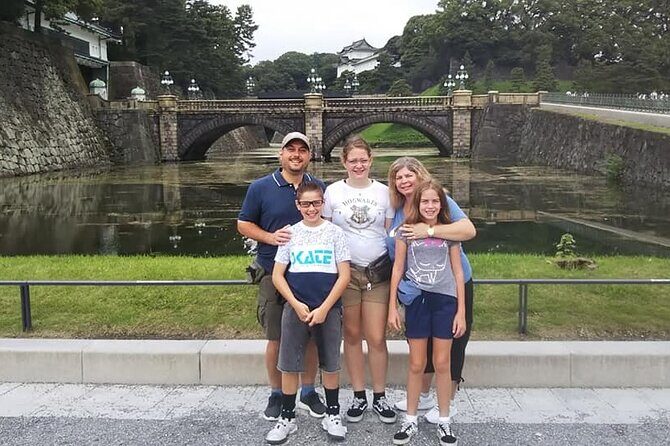
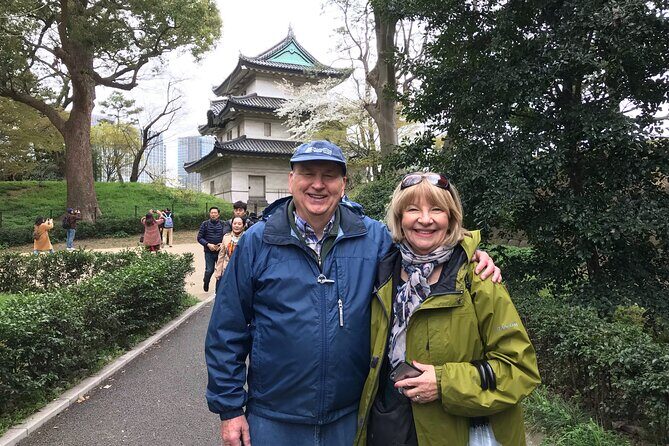
The Imperial Palace stop focuses on location and context, not palace interiors. The area you’ll see is on the former site of Edo Castle, with the palace grounds surrounded by moats and landscaped areas that helped define the old fortress city.
This works well for anyone who wants an anchor for the day: Edo Tokyo basically grew out of this center of power. Even if you don’t go inside, the placement tells the story—why the shogunate was where it was, and how the city’s geography followed.
Drawback to plan for: don’t assume there’s an interior visit. If you were hoping to tour inside the palace buildings, this stop won’t match that expectation. You’ll still get an important historical orientation, but you should treat it as a “see the grounds and understand the past” moment, not a full palace tour.
Ryogoku Kokugikan and sumo culture you can feel
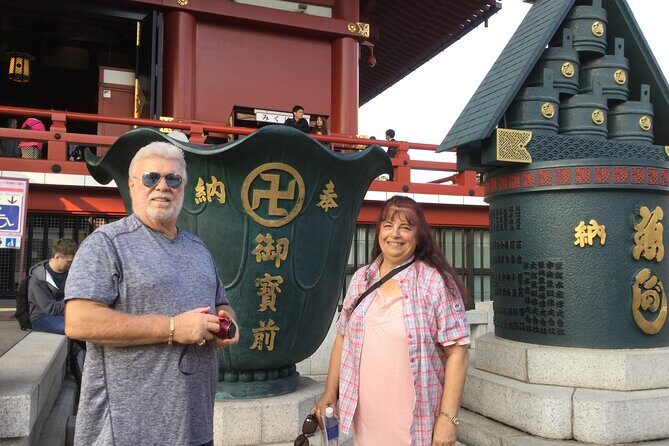
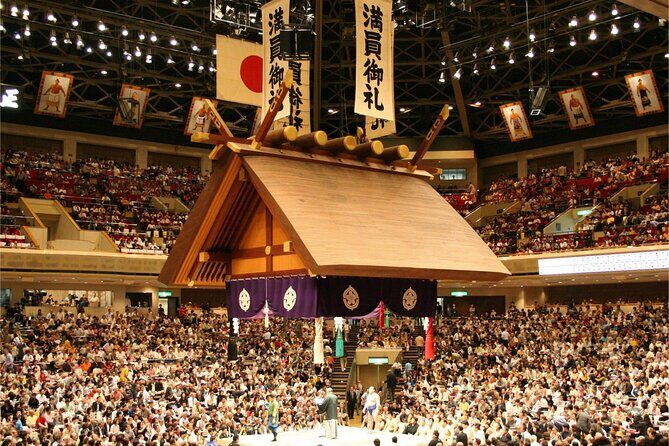
Ryogoku is the heart of sumo culture in Tokyo, and the stop at Ryogoku Kokugikan gives you a practical way to see why. This district is tied to sumo stables, sumo-focused restaurants, and the sport’s ecosystem.
What I like about this stop is that it’s not just about watching sumo. It’s about seeing where the culture lives—daily life around the stadium and the surrounding area. Even if you’re not a huge sports fan, sumo still connects to discipline, ritual, and social structure. A good guide can help you connect those dots without turning it into a lecture.
You’ll likely spend around 30 minutes here. That’s enough time to get bearings and understand the role Ryogoku played in Edo-to-modern Tokyo, without eating your whole schedule.
If you’re picky about timing: this is one of the most “area-based” stops. So build in some flexibility. If you choose Ryogoku, you’ll get the most out of it by slowing down a bit and letting the guide point out what matters around the stadium zone.
Sumida Hokusai Museum: ukiyo-e art made approachable
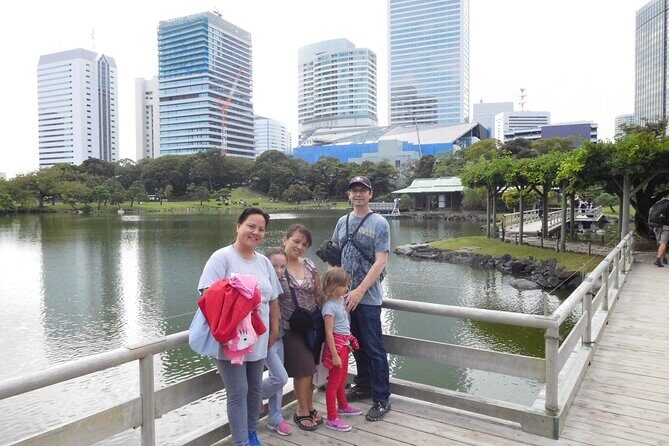
The Sumida Hokusai Museum is dedicated to Katsushika Hokusai, one of the most recognizable names in ukiyo-e woodblock printing. This is a great pairing with the rest of an Edo day because ukiyo-e art wasn’t created in a vacuum—it reflected what people saw, bought, and believed.
The museum stop also gives you a break from outdoor walking. Around 30 minutes is usually a solid window for focusing on a few key displays rather than trying to cover everything.
What you’ll get from a guided visit: context. A guide can point you toward the kinds of details that make Hokusai special—how his subjects and style relate to everyday Edo life and changing tastes. Even if you’ve seen ukiyo-e prints before, this stop helps you connect images to place.
Potential drawback: entrance is not included, so plan for tickets. Also, if you’re traveling when you want maximum time outdoors, this museum slot may feel like a trade-off. It’s worth it, but it depends on your priorities.





Kanto Earthquake Memorial Museum: rebuilding as a real story
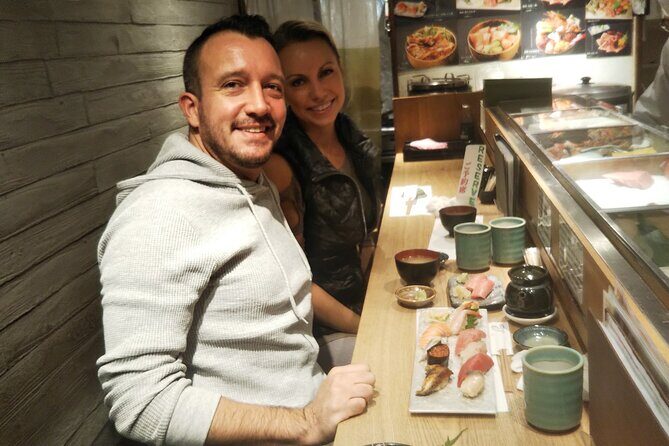
The Kanto Earthquake Memorial Museum is where the day shifts from Edo culture to modern Tokyo’s turning point. You’ll learn about the Great Kanto earthquake and how Tokyo rebuilt after it.
This stop matters because it explains why Tokyo became the city you recognize now. Edo Tokyo built certain patterns—city layout, neighborhoods, and commerce routes—but the earthquake forced massive change. A guide can connect these eras so the story doesn’t feel like two unrelated chapters.
With about 1 hour allocated, you’ll have time to take in the exhibits and ask questions. That’s important here. Earthquake history can go abstract fast unless someone helps you frame what’s relevant to daily life: resilience, engineering lessons, and the way communities re-formed.
Consideration: entrance fees aren’t included, so budget for the ticket. And if museums usually feel heavy for you, make sure this stop isn’t replacing something lighter you really wanted.
Ryogoku Edo Noren: food court with an Edo costume
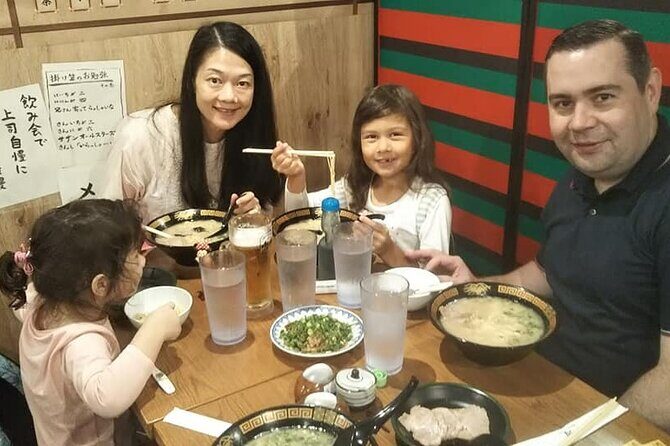
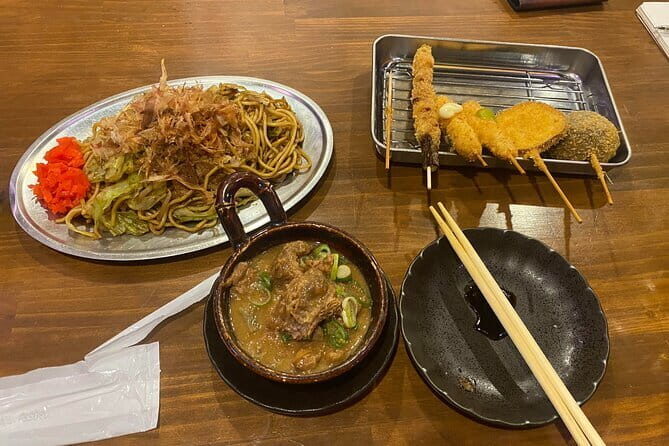
Ryogoku Edo Noren is where the day turns playful. You’ll have time around 45 minutes to eat Tokyo-style dishes in a food court styled to look like Edo period Japan.
This kind of stop can be a hit or miss depending on what you want from food. The upside is that it’s easy, fun, and a good way to sample something without planning a separate meal location. The Edo-themed styling also keeps you in theme without needing another paid museum entry.
How to make it worth it: treat it as a cultural break, not a gourmet pilgrimage. Use the time to reset, eat something you can pronounce and enjoy, and then head back out with your energy back on.
Also note: meals aren’t included in the tour price, so you’ll pay for what you order. Still, it’s a convenient way to keep the day moving without spending extra time commuting to a restaurant.
Nihonbashi and the Sumida River: old roads and water in the frame
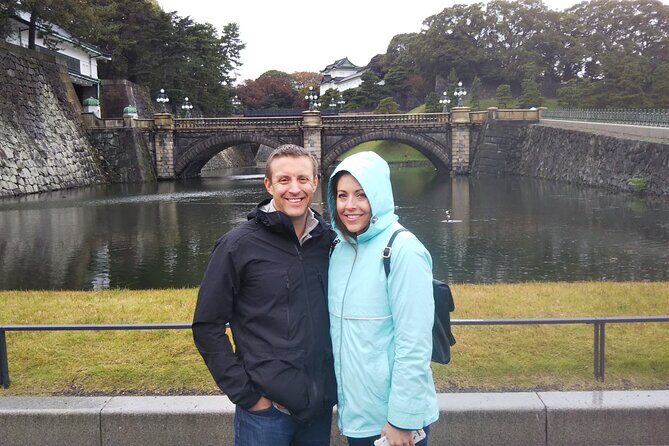
Nihonbashi is one of the places that makes Tokyo’s history feel geographic. It was once the starting point of five main roads running through and across Japan, and it prospered as a center of Edo-era commerce and movement.
This is the kind of place where a guide helps you look up and around. Tokyo has an incredible ability to hide old meaning under modern structures, and you’ll get more out of the stop if you know what to notice: why this spot mattered, how roads pulled people and goods, and how that links to what Tokyo became.
Then you have the Sumida River (Sumidagawa). The river is one of Tokyo’s main waterways and a familiar one for visitors. It starts north of Tokyo and runs eastward through eastern areas, shaping neighborhoods along its route.
If your schedule includes both Nihonbashi and the river, you’ll get a nice rhythm: commerce hub energy, then water-and-walk views. It’s also a good way to break up museum time.
Possible drawback: time for these “in-between” stops can vary depending on which paid sites you choose. You may want to keep your expectations flexible and let the guide adjust the order to reduce backtracking.
Edo-Tokyo Open Air Architectural Museum and Fukagawa Edo Museum
These two stops are the architecture and “daily life reconstruction” side of the Edo story, and they’re often the reason people choose this type of tour.
Edo-Tokyo Open Air Architectural Museum
This museum offers an off-the-beaten-path look at Japanese culture through buildings and built environments. It was established in 1993 by the Tokyo Metropolitan Government, which signals official support for preserving an Edo-focused feel.
You’ll have only about 15 minutes listed for this stop, so the experience here depends heavily on pacing and what your guide chooses to prioritize. With a short slot, you want the guide to point out the most informative buildings or areas first.
Fukagawa Edo Museum
Fukagawa Edo Museum recreates an entire Edo-era neighborhood, with streets, houses, shops, and the kind of scene that helps you picture everyday life. This one is scheduled for about 30 minutes.
What I like about the neighborhood recreation concept is that it answers the question Tokyo guides don’t always cover: what did daily living look like beyond major events? If you want your Edo Tokyo day to feel tangible, this stop helps.
Consideration: these museum-type stops usually mean more ticket costs. Since entrance fees aren’t included, your final total depends on exactly which sites you choose from the list.
How guides tailor your day and help with real Tokyo movement
Customization is one of the most valuable parts here. You choose 3–4 sites, and your guide shapes the order and timing so you spend energy on what you care about.
In practice, the guides bring different strengths. One guide helped with IC card use and public transport navigation so the day stayed smooth. Another had excellent communication and tailored the route to what the group wanted. Another focused on architecture and aesthetics, bringing attention to visual details beyond the obvious. And yes, some guides will even help you document your group with photos and follow up after the tour.
That mix is why I like this format. It’s not only about seeing Edo artifacts; it’s also about turning Tokyo logistics into part of the learning. When you’re not guessing where to go next, you can actually pay attention to the culture in front of you.
One more practical note: the tour is primarily a walking route, but you may take public transport. That’s a good compromise in Tokyo. You get real street time, but you’re not stuck walking every single meter if weather, distance, or timing makes it smarter to ride.
Who should book this tour
This is a strong match if:
- You want an Edo-themed day with a licensed English guide
- You like history but also want practical help getting around
- You’d rather choose 3–4 meaningful stops than see everything poorly
- You’re curious about sumo culture, ukiyo-e/Hokusai, and Edo architecture and neighborhood recreations
You might skip (or reduce expectations) if:
- You only want free, outdoors-only sightseeing
- You expect the Imperial Palace interior visit
- You don’t want to budget separately for entrances, meals, and transit
This one is also ideal for people who prefer a private day. You get flexibility, and your guide can slow down for questions without derailing the whole group.
Should you book the Edo Tokyo & Japanese Culture Tour?
I’d book it if your goal is to understand Edo Tokyo, not just photograph it. The guide-driven learning, the option to choose 3–4 stops, and the practical transit support (including IC card basics) make it feel like money well spent—especially if you plan to enter at least a couple paid sites anyway.
Just go in with two clear expectations: entrances and meals cost extra, and the Imperial Palace stop is about the grounds, not an inside visit. If that fits your style, this tour is a smart way to get a guided, culturally grounded Edo Tokyo day without turning your trip into a map-reading marathon.
FAQ
Is this tour mostly walking?
Yes. It’s primarily a walking tour, and the pickup is on foot within a designated area. You may also take public transport during the day.
How long is the tour?
The duration is about 6 hours.
What sites can I choose from?
You can customize your tour by choosing 3–4 sites from the Edo Tokyo and Japanese culture options listed, such as the Imperial Palace area, Ryogoku Kokugikan, the Sumida Hokusai Museum, the Kanto Earthquake Memorial Museum, Ryogoku Edo Noren, Nihonbashi, and the Edo-Tokyo Open Air Architectural Museum and Fukagawa Edo Museum.
Does the tour include Imperial Palace entry?
No. This tour does not include access to the inside of the Imperial Palace.
Are entrance fees included?
No. Entrance fees are not included, though guide entry fees are covered only for sights listed under what to expect.
Are meals included?
No. Lunch or meals are not included.
What about transportation costs during the tour?
Transportation fees are not included. The tour may use public transport, and you’ll need to cover those costs yourself.
Is there pickup?
Pickup is offered, but it’s on foot (you meet the guide within a designated area of Tokyo).
Is this a private tour?
Yes. It’s a private tour/activity, meaning only your group participates.
Can I cancel for free?
Free cancellation is available. You can cancel up to 24 hours in advance for a full refund.