REVIEW · KYOTO
Tea Ceremony Experience in Traditional Kyoto Townhouse
Book on Viator →Operated by Ami Kyoto · Bookable on Viator
Tea tastes better inside an old Kyoto townhouse. This hands-on matcha workshop and tea ceremony takes place in a machiya (traditional wooden townhouse) about 80 years old, so you get a close-up feel for how Kyoto’s homes were built for daily life. My favorite part is the hands-on brewing, where you actually whisk and serve your own cup instead of just watching.
One thing to consider: since the session runs about 1 hour, it’s a focused, step-by-step experience rather than a slow, hour-after-hour deep immersion. If you’re the type who loves lots of wandering time between activities, plan for this to be a concentrated stop in your day.
In This Review
- Key highlights worth planning around
- An 80-Year-Old Machiya Stop in Kyoto’s Shimogyo Ward
- The Hands-On Matcha Workshop: Learn by Doing
- The Tea Ceremony Side: Ritual, Meaning, and Technique
- Organic-Farm Matcha and Why It Matters for Your Cup
- Kyoto Sweets Pairing: What You Eat With Your Tea
- How the 1-Hour Format Works (No, You Won’t Feel Rushed)
- Price and Value: Is $27.59 Worth It?
- Practical Notes: What to Expect on the Day
- Who This Kyoto Matcha Ceremony Suits Best
- Should You Book This Machiya Matcha Experience?
- FAQ
- How long is the tea ceremony experience in the Kyoto townhouse?
- How much does it cost per person?
- What’s included in the experience?
- Is hotel pickup or drop-off included?
- Where does the experience meet?
- Is there a mobile ticket?
- How big is the group?
- How far in advance should I book?
- When will I get confirmation after booking?
- What is the cancellation policy?
- FAQ
- How long is the tea ceremony experience in the Kyoto townhouse?
- What’s included in the experience?
- Is hotel pickup included?
- What is the meeting point address?
- What is the maximum number of travelers?
- Do I need to print anything?
- When do I receive confirmation?
- Is the location near public transportation?
- Is the experience suitable for most people?
- What is the refund window if I cancel?
Key highlights worth planning around
- An 80-year-old machiya townhouse setting in central Kyoto
- Real hands-on matcha preparation, not just a demonstration
- Clear, simple guidance that makes the steps feel doable
- Personalized coaching for your own cup and technique
- Organic-farm matcha plus tea-ritual background tied to monks and samurais
- Japanese sweets served with your tea, paired for the experience
An 80-Year-Old Machiya Stop in Kyoto’s Shimogyo Ward
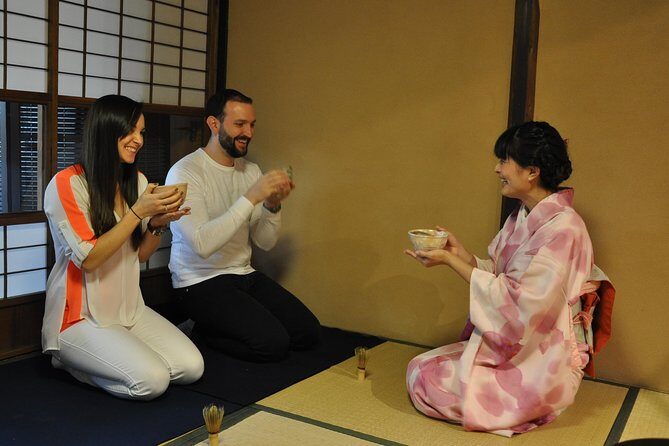
You start by heading to Ami Kyoto at 605 Nishidachō, Shimogyo Ward. This matters, because Shimogyo is convenient for getting around, yet you still feel that old-Kyoto flavor when you step inside a preserved townhouse setup.
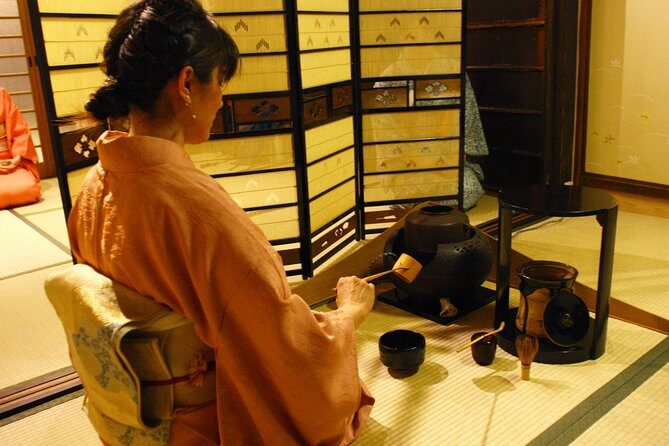
The main “wow” is the machiya itself. These are the classic narrow wooden townhouses Kyoto is famous for—built to work as a home, with space that makes sense for daily routines. Here, you’re not just peeking from the doorway. You’re there in the room where the tea experience happens, so you can notice details like the calm, practical layout. It’s the kind of setting that makes the ritual feel less like a show and more like something people actually learned and practiced.
Another subtle win: the atmosphere keeps you present. You’re not bouncing between crowded attractions. Instead, you’re settling into a small, quiet activity where the focus is on tea preparation. If you like experiences where you can hear the instructions clearly and follow along step-by-step, this format will suit you.
You can also read our reviews of more tours and experiences in Kyoto.



The Hands-On Matcha Workshop: Learn by Doing
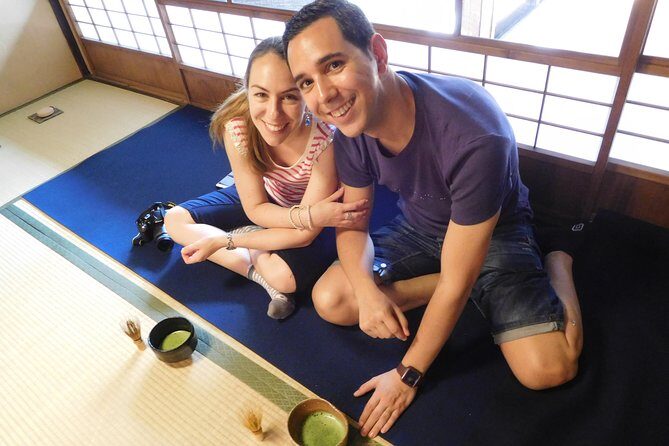
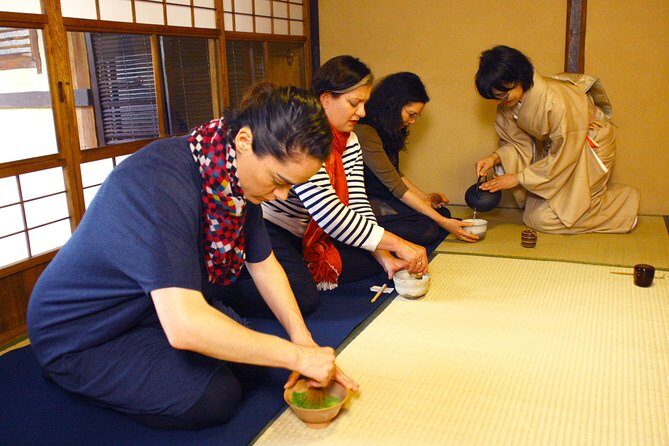
This experience is built around one simple idea: you learn matcha by making it. After you’re welcomed in, you get the basics and then you get your hands involved—so you can taste the difference that good technique makes.
The workshop is designed to walk you through matcha prep in a way that feels clear and manageable. From the way people describe the hosts, the explanations land with a “we can do this” tone: simple, professional, and thorough enough to make the steps stick. That’s important, because matcha isn’t hard in theory, but it can feel confusing if nobody breaks it down.
Here’s what you should expect from the hands-on portion:
- You’ll follow guided steps for preparing matcha.
- You’ll work with a bowl of matcha green tea during the session.
- You’ll get coaching so your whisking and pouring match what the ritual expects.
Even if you’ve had matcha in cafés before, this is a different experience. Café matcha is often about flavor. This is about process. And process changes everything: the consistency, the way the tea looks, and how smooth it tastes all depend on getting the preparation right.
One more thing I like: the workshop doesn’t just hand you tools and hope for the best. It’s structured, so you know what you’re doing and why. That makes it more satisfying than a quick “press button, taste tea” situation.
The Tea Ceremony Side: Ritual, Meaning, and Technique
Once the workshop steps are underway, the session connects the practical actions to the tea ceremony as a cultural ritual. You don’t just learn how to make a cup—you also hear background on the ritual and why it matters.
The experience includes context about the tea ceremony’s history, specifically noting that it was once favored by monks and samurais. That detail helps you understand why the ceremony is built around restraint, focus, and respect. You’re not just performing a sequence for entertainment. You’re participating in a tradition that values attention.
In the tea ceremony part of the experience, you’ll also see a demonstration and then practice with your own cup. What makes this feel especially worthwhile is the personalized attention. The session is small—maximum of 6 travelers—so it’s easier for the hosts to guide you while you’re actively doing the steps.
This part tends to be the moment where “fun” turns into “I get it.” When you slow down enough to follow the ritual’s pacing, matcha becomes more than a drink. It becomes a small, repeatable practice: whisk, observe, taste, and reset.
Also, don’t underestimate how much a good explanation can change your experience. People consistently mention that the hosts’ instructions are clear and easy to follow, and that the demonstration is thorough. That combination is what keeps you from feeling lost.
Organic-Farm Matcha and Why It Matters for Your Cup
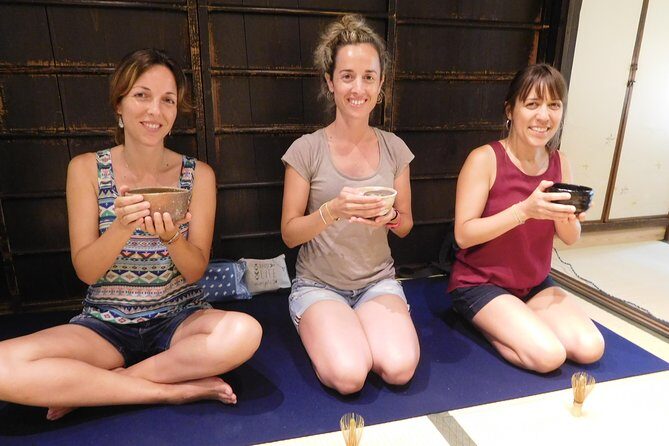
A big part of matcha is quality, and this experience highlights that you’ll learn with top-quality matcha sourced from an organic farm. That detail is more than marketing. When the matcha base is solid, your technique becomes the variable you’re actually learning.
If you’ve had matcha that tasted bitter, chalky, or flat, you already know quality differences are real. Using a better matcha makes it easier to notice what technique is doing. For example:
- Whisking properly helps get the right texture.
- The way you serve and drink affects how the flavor lands.
- The ritual pacing can help you notice aroma and taste more clearly.
You don’t need to be a matcha nerd to benefit. But you will taste the improvement when the matcha is good and the instructions help you bring out that quality.
Kyoto Sweets Pairing: What You Eat With Your Tea
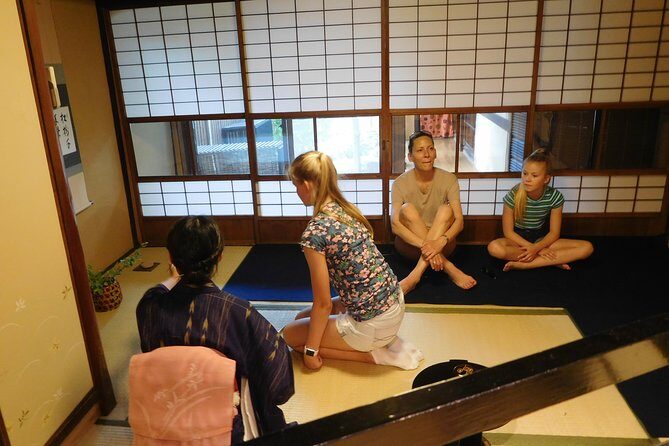
A matcha ceremony is half your cup and half what surrounds it. Here, you get Japanese sweets included with your tea.
People note that the hosts are professional and kind, and that the session makes the experience enjoyable—part of that comfort comes from the fact that you’re not tasting matcha alone. You’ll have something sweet alongside your drink, which helps balance matcha’s natural profile.
The overview also mentions cakes from a famous Kyoto confectionary. Even if you don’t obsess over brand names, the point is the same: the sweets are part of the experience design. They’re not random snacks thrown in at the last minute.
I like this pairing because it makes the experience feel complete. You taste the tea, you pause, you take a bite, and the flavor contrast helps you stay engaged. If you’re someone who loves food moments that connect directly to culture (instead of just standing near it), you’ll probably enjoy this part a lot.




How the 1-Hour Format Works (No, You Won’t Feel Rushed)
This is about 1 hour total. That short duration might worry you if you’re hoping for a long, multi-course ceremony. But for many people, the shorter time is exactly what makes it approachable.
Here’s why the timing works:
- You get guided steps without decision fatigue.
- The group stays focused, so the hosts can teach effectively.
- You finish with a cup you made yourself, not just a lecture.
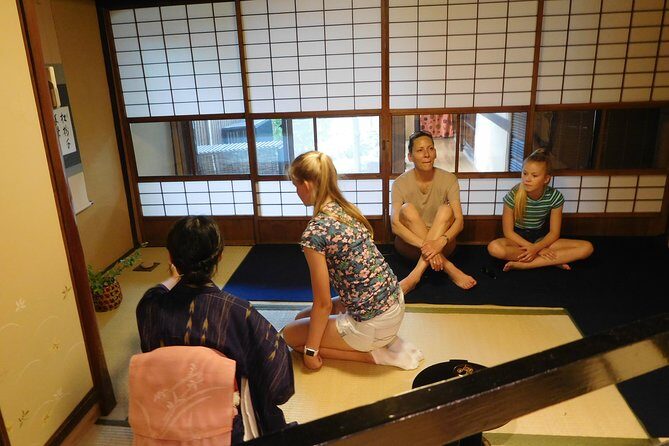
The experience is also capped at 6 travelers, which helps keep the pace steady. In a larger group, you’d often wait longer to be helped or corrected. In a smaller setting, you can get the kind of hands-on support that makes a difference.
My advice: treat the 1 hour as a dedicated tea block. Plan to arrive a few minutes early so you can settle in. Then put your phone away during the main steps. You’ll get more out of the tasting and the technique if you’re not half distracted.
Price and Value: Is $27.59 Worth It?
At $27.59 per person, this isn’t a budget-only experience. You’re paying for three things at once:
- A traditional townhouse setting (machiya) in Kyoto
- A hands-on matcha workshop plus a tea ceremony experience
- Included matcha and Japanese sweets
Compared with paying separately for a tea class and then still needing to buy your own snacks or drinks, the all-in approach feels fair. You also get a meaningful “practice outcome.” You don’t leave just knowing facts. You leave having made your own cup and tasted it.
Where value really shows up is in the teaching format. Many tastings are passive. This one is active. If you like learning by doing, the price starts making sense fast, because your time and the instruction are tightly connected to what you taste.
If you’re only casually curious about matcha, you might find it more exciting to do a simple matcha café visit instead. But if you want technique, context, and the ritual experience in a real wooden townhouse, this price lands in the sweet spot.
Practical Notes: What to Expect on the Day
This is a mobile ticket experience, and it runs right back to the meeting point. Hotel pickup and drop-off are not included, so you’ll want to build your day around getting yourself to 605 Nishidachō, Shimogyo Ward.
The location is described as near public transportation, which is helpful. Kyoto can be tricky if you’re trying to time everything perfectly, so having an easy transit approach reduces stress.
A few practical things that will help your experience go smoothly:
- Arrive a bit early so you don’t walk in rushed.
- If you’re sensitive to heat or strong smells, take your time during whisking and tasting. Matcha is fragrant and can feel intense if you’re expecting something milder.
- Wear something comfortable. Even though it’s only about an hour, you’ll be moving through the steps.
Also, confirmation is received within 48 hours of booking, subject to availability. Since the group is capped at 6, it’s smart to book when your dates are solid.
Who This Kyoto Matcha Ceremony Suits Best
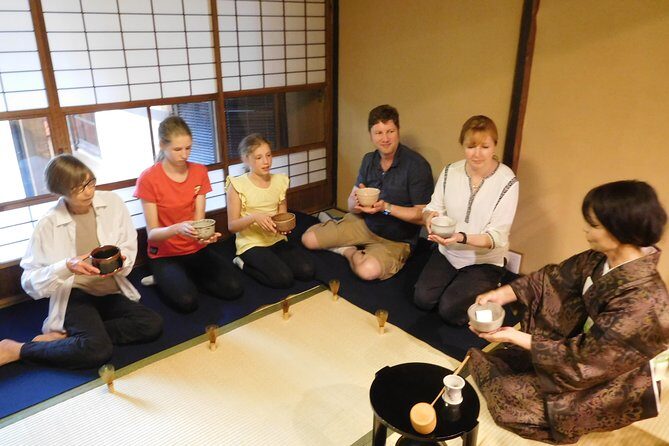
This is especially good for:
- Matcha fans who want to go beyond “tastes good” and learn how technique changes the cup
- People who like hands-on cultural experiences in small groups
- Anyone interested in Kyoto’s traditional townhouse life and how it connects to tea culture
- Families and mixed ages who want something structured, not chaotic
It may be less ideal if you’re looking for a long, multi-hour ceremony with extended silence, multiple course pairings, or lots of free time for photos and wandering. This is focused and instruction-driven.
If you like clear explanations, you’re in luck. The experience is described as having explanations that are clear and simple, with thorough demonstration. That combination is a big deal if you don’t want to feel awkward or confused.
Should You Book This Machiya Matcha Experience?
If you want an authentic Kyoto-feeling experience where you actually learn the steps of making matcha, I’d book it. The townhouse setting, the hands-on brewing, the small group size, and the included sweets make it feel like more than a quick tourist stop.
Skip it only if you’re set on a longer, slower ceremony format or you don’t care about matcha beyond trying it once. For most people who come to Kyoto hungry for real culture you can participate in, this hits a sweet balance: traditional setting + practical learning + a cup you made yourself.
FAQ
How long is the tea ceremony experience in the Kyoto townhouse?
It lasts about 1 hour.
How much does it cost per person?
The price is $27.59 per person.
What’s included in the experience?
You’ll receive a bowl of matcha green tea and Japanese sweets.
Is hotel pickup or drop-off included?
No, hotel pickup and drop-off are not included.
Where does the experience meet?
The meeting point is 605 Nishidachō, Shimogyo Ward, Kyoto, 600-8397, Japan.
Is there a mobile ticket?
Yes, the tour uses a mobile ticket.
How big is the group?
The maximum group size is 6 travelers.
How far in advance should I book?
On average, this is booked 19 days in advance.
When will I get confirmation after booking?
Confirmation is received within 48 hours of booking, subject to availability.
What is the cancellation policy?
You can cancel for a full refund up to 24 hours in advance of the experience’s start time (based on local time).
FAQ
How long is the tea ceremony experience in the Kyoto townhouse?
It lasts about 1 hour.
What’s included in the experience?
You’ll get a bowl of matcha green tea and Japanese sweets.
Is hotel pickup included?
No, hotel pickup and drop-off are not included.
What is the meeting point address?
605 Nishidachō, Shimogyo Ward, Kyoto, 600-8397, Japan.
What is the maximum number of travelers?
Up to 6 travelers.
Do I need to print anything?
No. It’s a mobile ticket.
When do I receive confirmation?
Within 48 hours of booking, subject to availability.
Is the location near public transportation?
Yes, it’s described as near public transportation.
Is the experience suitable for most people?
Most travelers can participate.
What is the refund window if I cancel?
Free cancellation is available up to 24 hours before the start time for a full refund.