REVIEW · TOKYO
Tokyo Ikebana Wellness Art Experience near Shinjuku
Book on Viator →Operated by Ikebana Wellness Art Experience in Tokyo · Bookable on Viator
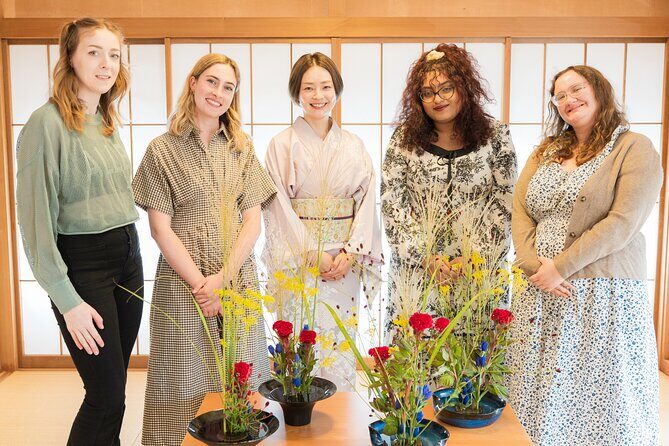
Fresh flowers, no pressure, big results. That’s the vibe of this 90-minute beginner Ikebana session in Tokyo, where you learn the art behind Japan’s flower-arranging tradition and actually make something beautiful by the end. The workshop is designed for all ages, keeps the group small (up to 5), and centers on hands-on practice with step-by-step coaching.
What I love most is the personal guidance from Ai-sensei, plus the way the lesson connects practical steps to the meaning of Ikebana. The history portion (the art’s 600-year roots) doesn’t feel like a lecture; it’s paired with photos of the instructor’s work and then you immediately try your own interpretation.
One thing to consider: you’ll leave with a living arrangement, so you’ll want to plan how you’ll handle it for the rest of your day back on your feet and on transit.
In This Review
- Key things that make this Ikebana class work
- A beginner-friendly Ikebana workshop near Shinjuku
- Meet Ai-sensei and the Japanese-style room
- How the 90 minutes usually unfold (and what you’ll do)
- 1) A guided intro to Ikebana and its mindset
- 2) A hands-on build with step-by-step coaching
- 3) You compare your piece to the others (and realize it’s personal)
- 4) Wrap-up: your arrangement goes with you
- What you learn beyond flowers: styles, tools, and flower personality
- The value: $52.71 for a small-group, take-home art experience
- Who this Ikebana class is best for
- A practical tip for enjoying your take-home arrangement
- Should you book this Ikebana session?
- FAQ
- Is previous experience in Ikebana required?
- How long is the workshop?
- Where do I meet the instructor?
- How many people are in the group?
- What will I make, and can I take it home?
- Is instruction available in English?
- What if I need to cancel?
Key things that make this Ikebana class work
- Small group size (max 5) means you get corrections and encouragement instead of feeling rushed
- Ai-sensei teaches step-by-step in English, so first-timers can follow without prior knowledge
- You learn the basics plus styles and tools (not just how to copy one arrangement)
- Your arrangement is take-home so the lesson continues in your hotel room
- Seasonal flowers and branches keep the experience feeling real and current
- Even the same flowers change the outcome, based on balance, direction, height, and leaf placement
A beginner-friendly Ikebana workshop near Shinjuku
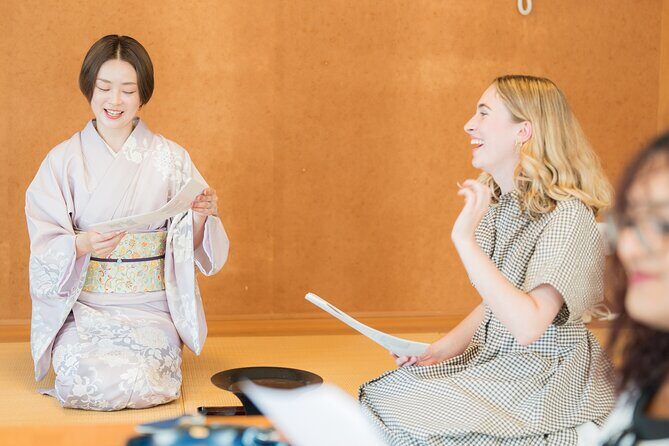
Ikebana has a reputation for being fancy and hard. This class quietly fixes that. You don’t need experience, you don’t need special art skills, and you don’t even need to know what you’re doing with the flowers when you walk in. The point is simple: you’ll learn the basics, make an arrangement, and understand why it looks the way it does.
The meeting point is in Nakano (Tokyo), at 3-chōme 8 M Square, and the session starts at 1:00 pm. If you’re basing yourself around Shinjuku, this is a practical side-quest: you get a quieter, more focused Japanese cultural experience without going too far out of the city.
The group is kept to a maximum of five travelers, which matters more than you’d expect. In a group that small, the instructor can slow down when someone needs extra help, and you’ll get specific guidance on how to handle the stems, how to think about balance, and how to make adjustments without fear.
You can also read our reviews of more tours and experiences in Tokyo.



Meet Ai-sensei and the Japanese-style room
The experience is run by Ikebana Wellness Art Experience in Tokyo, but the star of the lesson is the instructor—review after review singles out Ai-sensei as kind, careful, and genuinely attentive. That tone comes through in the way people describe the session: people show up nervous, then relax once the instruction starts.
The setting is described as a clean facility with good access from the station, and the room is often noted as a bright, open Japanese-style space. That combination is underrated. Ikebana asks you to slow your hands down and really look at shape and line. When the room feels calm and easy to navigate, it’s easier to focus on the stems instead of getting distracted by stress.
Before you build anything, you get a real introduction to what Ikebana is trying to express—its cultural background, the main styles, and how tools and vases fit into the practice. In the reviews, people mention learning about the history, the origin, and flower-vase and tool basics. The goal is to help you understand what you’re making, not just finish a craft project.
How the 90 minutes usually unfold (and what you’ll do)
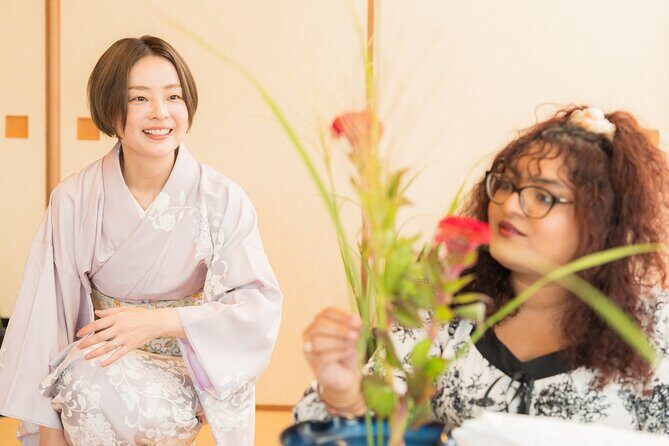
This is a 1 hour 30 minutes workshop, and it moves in a way that keeps first-timers from getting overwhelmed. Since there’s no complicated “tour route,” your learning comes in clear phases: you arrive, learn, make, then finish with your take-home piece.
1) A guided intro to Ikebana and its mindset
You start with an introduction to Ikebana—specifically its long background (the session mentions 600-year-old history), plus the cultural context behind the styles. You also see photos of the instructor’s works, which helps you connect the theory to real examples.
What I like here is that it sets expectations. Instead of treating Ikebana like a puzzle with one correct answer, you’re encouraged to understand the “rules” and then apply them in your own way. That’s why so many people comment on creativity: the class teaches structure, not sameness.
2) A hands-on build with step-by-step coaching
Next comes the part you came for: you create your own arrangement. The instruction is described as gentle and careful, with explanations that make it easier to keep going even if you’re brand new.
From the reviews, the coaching tends to focus on practical details like:
- Direction of branches
- How to cut and handle stems
- How to position leaves so the balance looks intentional
- How height changes the whole mood of the arrangement
One repeated theme: people are surprised how much one small adjustment can change the final look. Reviews mention moments like changing the height of flowers, taking out a single leaf, or shifting stems so the composition feels different. That’s a big part of why Ikebana feels like art and not just “put flowers in a container.”
And yes—many people say they were worried it would be difficult, then felt comfortable once they understood the basics. That’s exactly what you want in a first lesson.






3) You compare your piece to the others (and realize it’s personal)
When you see what others create—even with similar flower materials—the class suddenly clicks on a new level. Several reviews mention the same flowers producing very different results, and the fun of noticing how each person’s choices shape the look.
This is where Ikebana becomes more than technique. Even if everyone uses the same stems, your eye decides the “story.” That’s why people describe the session as therapeutic, calming, and even confidence-building.
4) Wrap-up: your arrangement goes with you
You finish with a completed arrangement that you can take home. The experience is set up so you can enjoy it during your stay—for example in your hotel room.
This matters for value. You’re not just learning a cultural lesson and leaving with photos. You leave with something tangible that keeps teaching you how Ikebana changes as the flowers settle.
What you learn beyond flowers: styles, tools, and flower personality
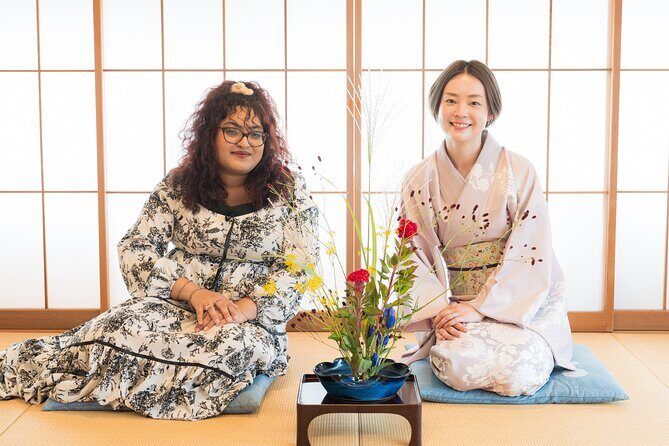
A big reason this class scores so high is that it covers more than one narrow skill. People mention learning:
- Main styles of Ikebana
- Basics of how to grow or manage Ikebana
- Tool and vase explanations
- How to judge the personality of flowers
That last point shows up constantly in the reviews. People notice that a single flower or branch carries its own character—and Ikebana is about listening to that character and building around it. Once you accept that idea, composition starts to feel less like forced decoration and more like respectful arrangement.
The class also spends time on the cultural side: not just that Ikebana is old, but why it developed and what it’s meant to express. That gives your arrangement meaning, even if you didn’t know a thing before arriving.
One more practical plus: instruction is specifically described as available in English. That’s huge for Tokyo workshops, where some classes assume language comfort. Here, first-timers consistently say they could follow and ask questions.
The value: $52.71 for a small-group, take-home art experience
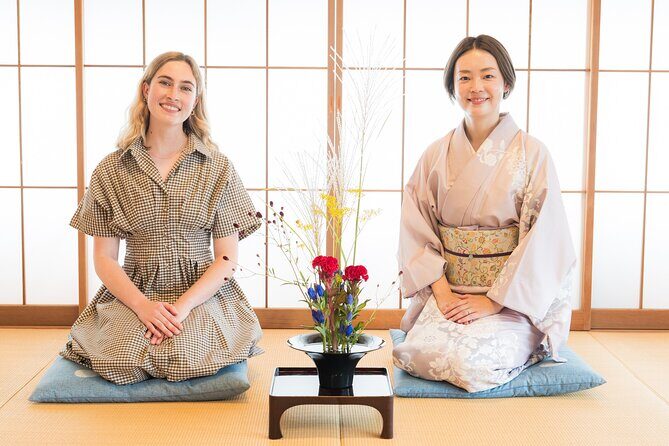
At $52.71 per person for about 1.5 hours, you’re paying for three things:
1) a guided art lesson (with coaching),
2) a small group (so you get attention),
3) materials and a take-home result.
If you’ve done DIY classes before, you know the pain point: either you get left alone with supplies, or the class is so rushed you leave with something “okay” instead of something you feel proud of. In this workshop, the small group size and the step-by-step approach are what justify the price.
And the take-home arrangement is part of why the time feels worth it. Even if you’re only in Tokyo for a short visit, you get an art piece you can display, and the lesson becomes a memory that lasts longer than photos.
Also note the mobile ticket format. That’s small, but it reduces friction once you’re in the city.
Who this Ikebana class is best for
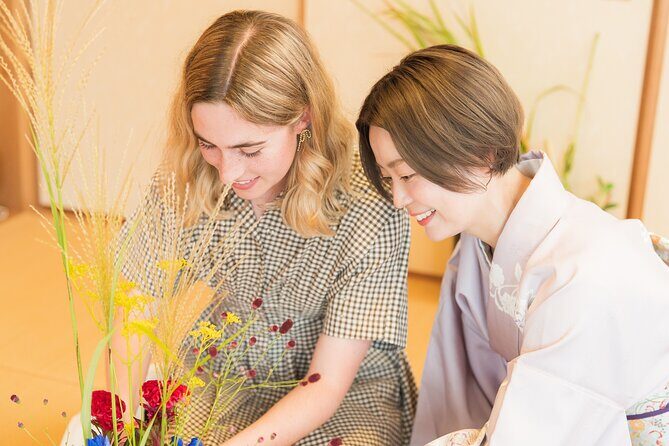
This is a strong fit if:
- you want a low-stress activity with clear instructions,
- you’re curious about Japanese culture but don’t want to rely on museum time,
- you like hands-on activities that feel calming,
- you want something for solo travel or a small group with friends.
It also works well for people who thought Ikebana would be too “classy and difficult.” Reviews repeatedly mention that first impressions change fast once the lesson explains the rules and shows how they apply with seasonal stems.
If you’re traveling with family or friends, the workshop size helps. You’re not stuck in a long, crowded room with no chance to get individual support.
A practical tip for enjoying your take-home arrangement
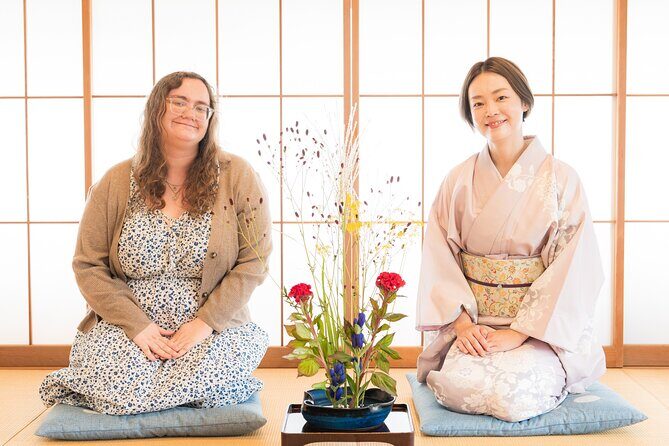
Since you’ll be walking around Tokyo before and after the session, treat your arrangement like something delicate. The workshop result is meant to be enjoyed at home, including your hotel room, so plan your schedule accordingly.
If you’re thinking ahead, consider choosing this activity on a day when you’re not rushing to a late-night train connection. That’s the simple way to keep the experience smooth: enjoy the lesson, then treat the flowers gently on the way back.
Also, don’t be surprised if the finished look changes over time. That’s part of the nature of fresh materials, and many people find that watching the arrangement evolve makes the memory more vivid.
Should you book this Ikebana session?
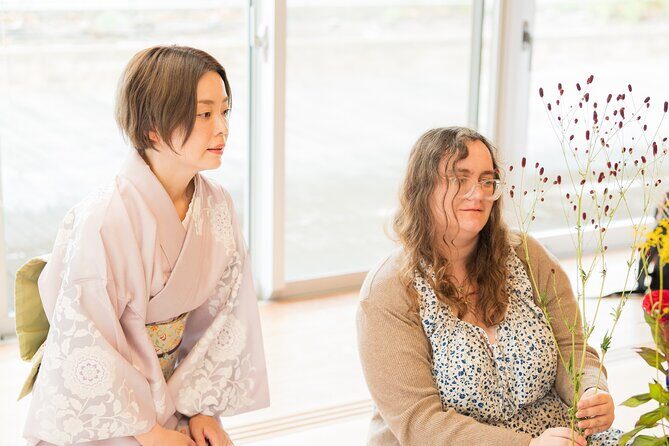
I’d book it if you want a real beginner lesson that’s not watered down. The strongest reasons to choose this workshop are the careful coaching, the English instruction, and the fact that you’ll create something you can take home. The small group (max 5) makes it feel personal, and the focus on both technique and meaning helps your arrangement feel intentional.
Skip it if you’re looking for a high-energy, sightseeing-style activity. This is quiet, hands-on, and focused. If you want movement and big city views during the activity itself, this won’t be that.
But if you want a genuinely Japanese experience with fresh seasonal stems, a clear structure, and a take-home art piece, this is a very sensible use of time near Shinjuku.
FAQ
Is previous experience in Ikebana required?
No. The workshop is designed for beginners, and there’s guidance step by step so you can participate without prior knowledge.
How long is the workshop?
It’s about 1 hour 30 minutes.
Where do I meet the instructor?
You meet at 3-chōme 8 M Square, in Nakano City, Tokyo. The session starts at 1:00 pm, and the experience ends back at the meeting point.
How many people are in the group?
The class has a maximum of 5 travelers, which supports more personal attention.
What will I make, and can I take it home?
You’ll create your own Ikebana arrangement during the workshop, and you can take your artwork home to enjoy later during your stay.
Is instruction available in English?
Yes. Reviews mention that Ai-sensei taught the process in English, making it easier for first-timers to follow.
What if I need to cancel?
This experience is non-refundable and cannot be changed. If you cancel, the amount you paid is not refunded.