REVIEW · TOKYO
Tokyo: Izu Scenic Oceanview Train, Volcano, Coast Day Trip
Book on GetYourGuide →Operated by TAIHOU CO,LTD · Bookable on GetYourGuide
That sea-breeze train is the main show. You’ll get big-window views on the Resort 21 as the city fades and coastal scenery takes over, then climb to Omuroyama for a circular 360-degree viewpoint that feels like a postcard you can walk on.
Two things I really like: the Pacific cliff-hugging train segment (that short ride between Katase-Shirata and Izu-Inatori), and the way the day mixes nature with a couple of fun stops like Izu Cactus Park. One drawback to weigh: the schedule can feel tight, and there’s no food included, so plan for snacks and keep your pace realistic.
In This Review
- Quick take: what makes this Izu tour click
- Morning in Tokyo Mode Gakuen: early start, real payoff
- Resort 21 oceanview train: the cliff, the wind, the wow moment
- Omuroyama extinct volcano: the 360 trail and the matcha-pudding vibe
- Izu Cactus & Animal Park: greenhouses, friendly animals, and a DIY souvenir
- Jogasaki Coast and Kadowaki Suspension Bridge: the waves do the talking
- Ito Marine Town: snacks, omiyage, and seaside rest-area energy
- How the day really flows: timing, walking effort, and when you might feel rushed
- Price and value: why $90 can make sense (and when it won’t)
- Who this tour fits best
- Should you book this Izu ocean and volcano day trip?
- FAQ
- What time does the tour start at the meeting point?
- How long is the tour?
- How big is the group?
- What language support is provided?
- Is the Omuroyama chairlift included?
- Is food included in the tour price?
- What train route is part of the experience?
- How long is the Jogasaki Nature Trail?
- What should I bring?
- Will the driver accompany us inside attractions?
Quick take: what makes this Izu tour click
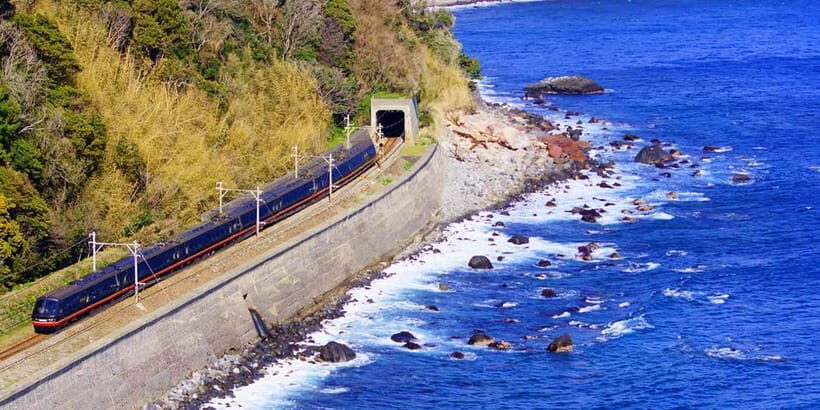
- Resort 21 coastal windows: the 5-minute ocean stretch between Katase-Shirata and Izu-Inatori is the star moment
- Omuroyama summit loop: a 360-degree trail with views toward Mt. Fuji, Sagami Bay, Hakone, and Izu’s Seven Islands
- Izu Cactus Park surprises: greenhouses with 1,500+ cacti and succulents plus friendly animals like squirrel monkeys and kangaroos
- Kadowaki Suspension Bridge: a 48-meter-long, 23-meter-high crossing above roaring waves
- Jogasaki Coast viewpoints: a 9km nature trail shaped by volcanic activity, with rock formations and sea views
Morning in Tokyo Mode Gakuen: early start, real payoff
This is an 11-hour coastal escape built around getting out of central Tokyo early. You meet at Tokyo Mode Gakuen (1-7-3 Nishi-shinjuku) at 6:45AM and depart at 7:00AM. Expect a smooth start: you’re in an air-conditioned coach with a multilingual professional driver, and the group stays small (limited to 9).
Why the early timing matters: Izu looks best in daylight. By the time you hit the first nature viewpoints, you’re not stuck in half-dark photos or crowded evening bottlenecks. You also get a cleaner look at sea color as your day moves from mountains down toward the Pacific.
One practical note: Japan coach seats can be snug. If you’re tall or picky about legroom, wear comfortable clothes and consider bringing a layer for the train ride later.
A few more Tokyo tours and experiences worth a look



Resort 21 oceanview train: the cliff, the wind, the wow moment
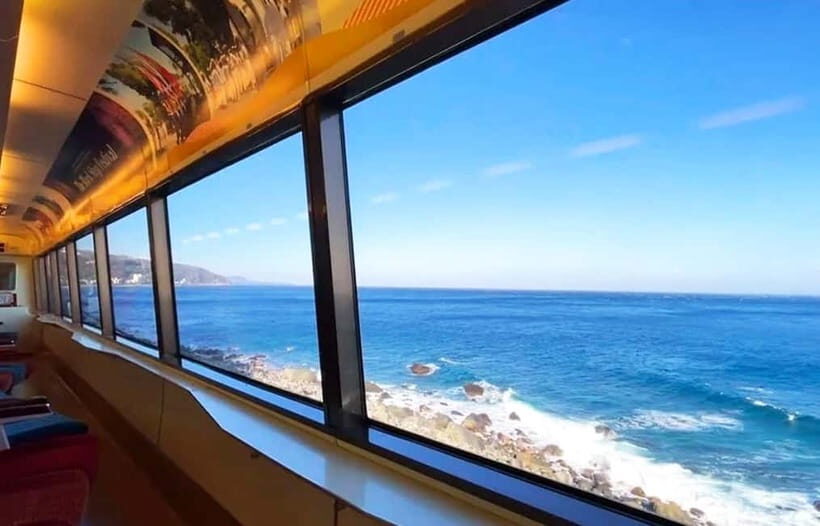
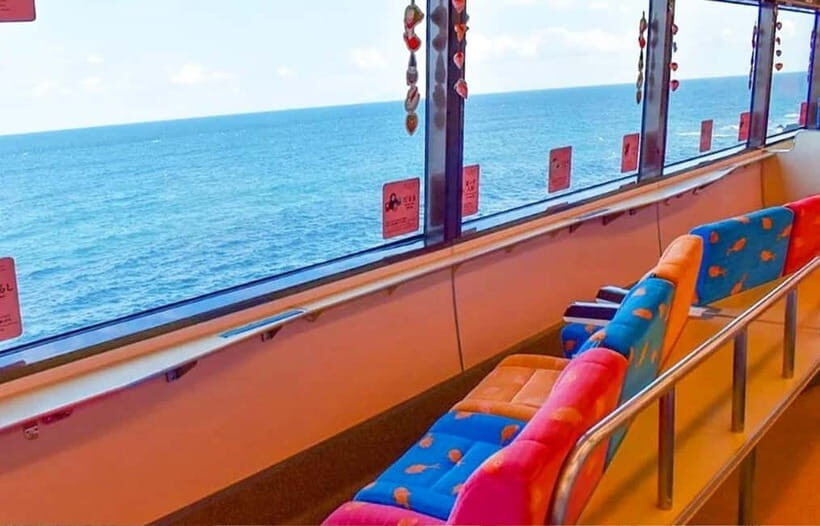
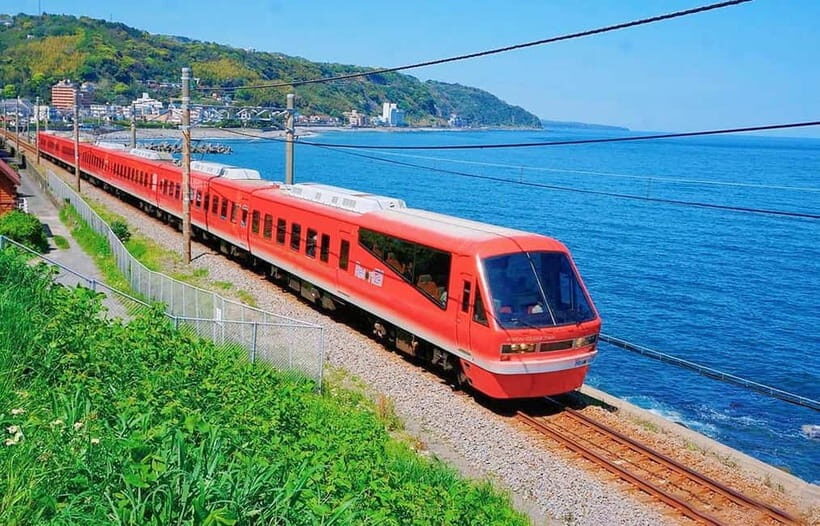
After reaching Izu-Kogen Station, you ride the Resort 21 limited express. This is where the tour earns its name. The windows are a big deal here. Instead of looking at the coast through tiny slits, you get an up-close feel for blue water and rocky shoreline.
The highlight segment is the 5-minute stretch between Katase-Shirata and Izu-Inatori. That’s the part where the train seems to run almost alongside the ocean—waves can feel close enough to make you lean toward the glass.
A tip for enjoying it: be ready before the segment starts. People often spend those first minutes settling in. If you want the best shots, have your phone/camera ready and your seat chosen early.
Also, don’t expect constant narration. The driver provides simple commentary during the trip, but you’re not touring like a guided museum. This is more about being present for scenery, and less about explanations.
Omuroyama extinct volcano: the 360 trail and the matcha-pudding vibe
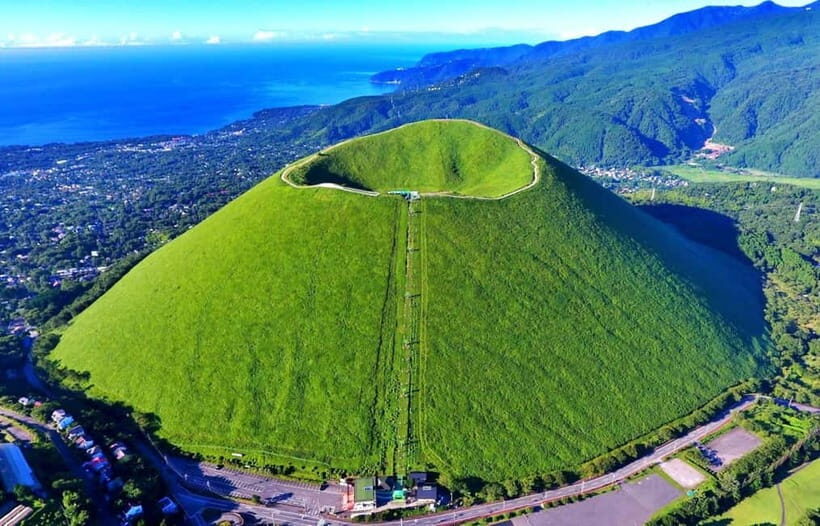
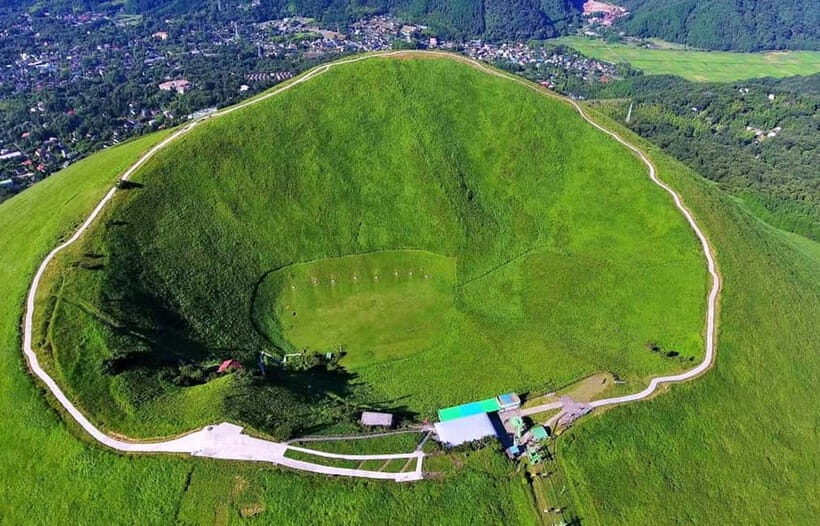
Omuroyama is an extinct volcano with a clean cone shape. It’s often compared to a giant matcha pudding, and the comparison is pretty fair once you see how rounded the top looks from below.
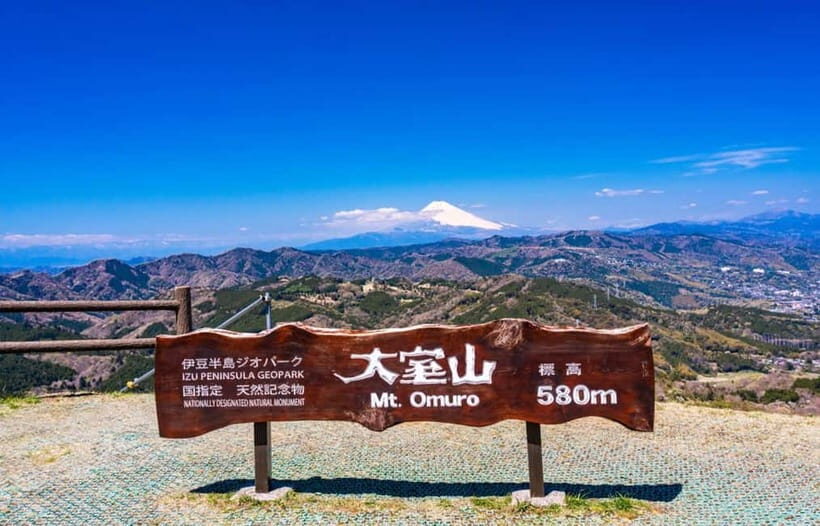
From the base, you take a scenic chairlift that’s described as a short ride (about 6 minutes), and then you reach the summit where you can walk a 360-degree circular trail. The views you can catch are wide-ranging: Mt. Fuji (when visible), Sagami Bay, the Hakone mountains, and Izu’s Seven Islands floating offshore.
Even if you don’t get Mt. Fuji in your exact frame, Omuroyama still works as a viewpoint stop because you’re high enough to see layers of coastline and mountain ridgelines. It’s one of those places where the weather changes how it looks, so going in with flexibility helps.
What to watch for:
- The chairlift is optional in the sense that you may need to pay the lift fee separately.
- You’ll want comfortable shoes for the walking path, even if the route is described as a trail rather than a strenuous hike.
- If clouds roll in, you may get more “coast line and sea textures” than “big mountain postcard,” but it still remains scenic.
Izu Cactus & Animal Park: greenhouses, friendly animals, and a DIY souvenir
Next comes a playful change of pace at Izu Cactus Park. This isn’t just a garden stop. It’s built around themed greenhouses and animals, which makes it feel lighter than the volcano and coast segments.
Here’s what to expect:
- Five themed greenhouses with 1,500+ cacti and succulents from around the world
- Animal encounters like squirrel monkeys and kangaroos (the animals roam freely, and you can interact)
- A DIY succulent potting option, where you can make something you take home
One seasonal detail worth knowing: in winter, capybaras have hot spring baths at the park. So if your trip overlaps that season, this stop may feel extra cute and photogenic.
This is also a stop where you can reset your body. If you’ve been standing for viewpoints, greenhouse time gives you a more relaxed pace. Just keep in mind the day’s timing. This park can be a highlight, but it’s still part of an 11-hour schedule, so don’t plan on spending all afternoon.
If you’re thinking about the optional zoo entrance fees: the information you received notes zoo entrance can be optional, so confirm on the day whether you’re automatically included in that part.
Jogasaki Coast and Kadowaki Suspension Bridge: the waves do the talking
Once you reach the Jogasaki area, the tone shifts to dramatic ocean scenery. The Jogasaki Coast is shaped by volcanic activity from about 4,000 years ago, which is why you get those rugged lava cliffs meeting cobalt-colored sea.
The first big photo-and-walk stop is the Kadowaki Suspension Bridge. It’s 48 meters long and 23 meters high, suspended over roaring waves. If you’re the type who likes a short adrenaline moment without a full hike, this hits the sweet spot.
Then you continue to the Jogasaki Nature Trail, a described 9km route with epic viewpoints and volcanic rock formations.
A helpful reality check: 9km is a lot for a half-day window. Your time is limited by the group schedule and the order of stops. Plan to walk with intention:
- Wear shoes you trust on uneven ground.
- Expect wind, and bring layers if it feels cool near the sea.
- Stop often for photos, but keep moving so you don’t lose your turn for the bridge or later return segments.
If conditions are choppy or the route is crowded, your pace may slow. This part of the day can feel physically more “active” than the cactus and train segments, even though it’s still sightseeing.






Ito Marine Town: snacks, omiyage, and seaside rest-area energy
Before heading back to Tokyo, there’s a quick stop at Ito Marine Town. This is a seaside rest area style stop, focused on practical fun:
- Local food
- Omiyage shopping (souvenirs)
- Ocean views
- Seaside sweets and ice cream options
- Hot spring skincare goods
Even if you’re not a huge shopper, this is often where you can handle your food problem—since the tour doesn’t include meals. It’s a good moment to buy something you’ll actually eat comfortably (especially if you have any dietary needs or prefer smaller bites).
If you’re traveling with cash-only habits, this stop is also helpful because you’ve been told to bring cash.
How the day really flows: timing, walking effort, and when you might feel rushed

This is a big coverage day: train + volcano summit loop + cactus/animal park + bridge + nature trail + rest-area stop back in Tokyo. That’s the charm, but it also explains why the schedule can feel intense.
The most important thing to understand is how the tour balances viewpoints versus time inside each place. You’re not touring with the driver accompanying you deep inside every attraction. The driver provides transportation and simple commentary, but you’ll be exploring on your own inside stops.
So if you need extra hand-holding like where to go first or how long you have at each point, you might have a tougher day than expected. The structure sounds straightforward, but you may still want to mentally plan:
- Take photos quickly at each viewpoint
- Save longer curiosity for the park
- Keep energy for Jogasaki Trail and the bridge
Also, plan for the possibility of delays. Bad weather, traffic, or holiday crowds can push the return time and can lead to shortened or rescheduled stops. Try not to book anything tight right after the tour.
Price and value: why $90 can make sense (and when it won’t)
At around $90 per person for an 11-hour day, you’re paying for a lot of logistics:
- Scenic train ticket
- Round-trip air-conditioned transportation by coach
- A professional multilingual driver
- Expressway tolls, vehicle fuel, and parking fees
- Small group size (4 to 9)
The value equation changes once you factor in what’s not included:
- Food and drinks
- Omuroyama lift fee (optional activity)
- Zoo entrance fees (optional activity)
That means your real daily cost depends on how much you want to spend on chairlift, animal-related entry, and meals. If you’re the type who likes to eat out and buy souvenirs, budget extra. If you bring snacks and keep purchases modest, the tour can feel like a smart shortcut that bundles the best scenic parts of Izu into one day.
Given the focus on train scenery and coastline, this trip is especially good if you don’t want to stitch together separate transportation and timing on your own.
Who this tour fits best
I think this day trip is a good match if you want:
- One-day Izu highlights without complicated planning
- Scenic train time and ocean viewpoints as your main priority
- Comfortable shoes and a willingness to walk when you arrive at the coast
It may be less ideal if you:
- Need lots of guidance inside each stop (the driver doesn’t accompany you)
- Get stressed by tight schedules or limited meal planning
- Are sensitive to missing a built-in lunch time
Also, the tour isn’t suitable for wheelchair users, based on the provided information.
Should you book this Izu ocean and volcano day trip?
Book it if you’re chasing views: the Resort 21 coastal ride, the Omuroyama 360 viewpoint, and the ocean drama at Kadowaki Bridge and Jogasaki Coast are the heart of this experience. For $90, the bundled transport and train access make it easier than doing it solo, especially with a small group and an early departure that actually uses daylight.
Skip or think twice if you need a very structured, step-by-step tour experience and a guaranteed meal break. Since food isn’t included and there’s no guaranteed lunch plan described, bring snacks just in case, and be ready to manage your own timing on foot.
If you want a day that feels equal parts transport magic and seaside walking, this is the kind of trip you’ll remember.
FAQ
What time does the tour start at the meeting point?
You meet at 6:45AM and depart at 7:00AM from Tokyo Mode Gakuen (1-7-3 Nishi-shinjuku, Shinjuku-ku, Tokyo).
How long is the tour?
The duration is 11 hours.
How big is the group?
It’s a small group limited to 9 participants, and the operation is described as 4 to 9 participants.
What language support is provided?
The driver provides English, Chinese, and Japanese.
Is the Omuroyama chairlift included?
The Omuroyama lift fee is listed as an optional activity, so it’s not included.
Is food included in the tour price?
No. Food and drinks are not included.
What train route is part of the experience?
You ride the Resort 21 limited express from Izu-Kogen Station, including a described 5-minute scenic segment between Katase-Shirata and Izu-Inatori.
How long is the Jogasaki Nature Trail?
The Jogasaki Nature Trail is described as a 9km path.
What should I bring?
Wear comfortable shoes and bring cash.
Will the driver accompany us inside attractions?
No. The driver provides simple commentary during the trip but will not accompany guests inside the attractions.