REVIEW · TOKYO
Tokyo: Original Street Kart Experience from Akihabara
Book on GetYourGuide →Operated by Reservation Center · Bookable on GetYourGuide
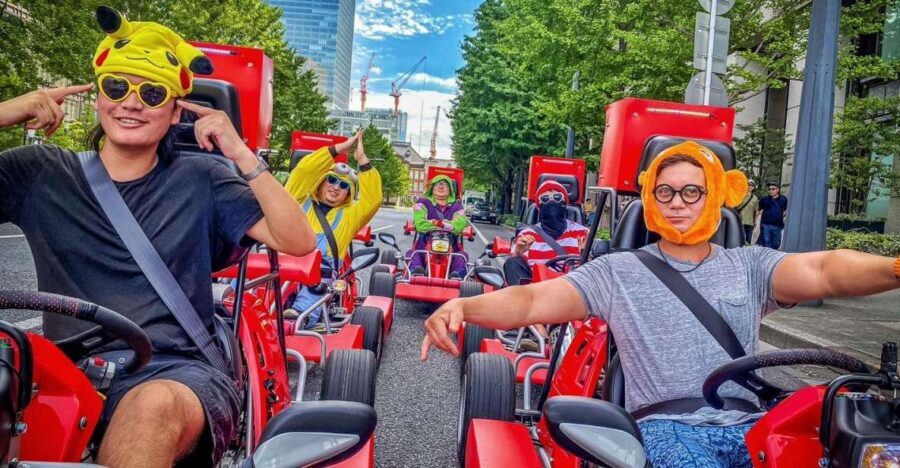
Tokyo on four wheels is a real rush. You’ll steer a custom-made go-kart through some of the most camera-friendly parts of the city, all while dressed as an anime or game character, with guides like Johnny helping the vibe stay fun and safe. Two things I like a lot: the pure adrenaline of real street driving and the way your costume turns the whole ride into a moving photo moment.
My other favorite part is how the tour uses the city like a live backdrop. You’ll roll past Tokyo landmarks in a route that hits Marunouchi (with Tokyo Station energy) and then swings toward Ginza, while onlookers wave and smile as you pass. The one real drawback: before you can drive, you must sort out the required driving documents correctly, and the ride is only 1 hour, so it’s not a long, slow sightseeing day.
In This Review
- 5 Key Things to Know Before You Go
- Meeting Street Kart Akihabara at the Glass Doors (And Getting Ready Fast)
- What the Route Feels Like: Akihabara to Marunouchi to Ginza
- Costumes That Actually Work on a Bike-Kid Go-Kart Vibe
- Tokyo Station-Style Photo Moments: Digital Data Plus Souvenir Prints
- Safety on Real Streets: Guides, Hand Signals, and a Formation Ride
- The $51 Price: What You Get, What You Pay Extra, and How It Adds Up
- Your Driver’s License Paperwork: The Part You Must Not Rush
- Not Everyone Should Ride: Body, Vision, Hearing, and Footwear Rules
- Choosing Day vs Night: When Tokyo Lights Make the Ride Better
- Should You Book Street Kart Akihabara? My Practical Take
- FAQ
- How long is the Street Kart Akihabara experience?
- Where do we meet for the tour?
- Do I need an International Driving Permit to drive?
- Are costumes included?
- Can I bring a cellphone or use my own action camera?
- Is this tour safe and guided?
5 Key Things to Know Before You Go
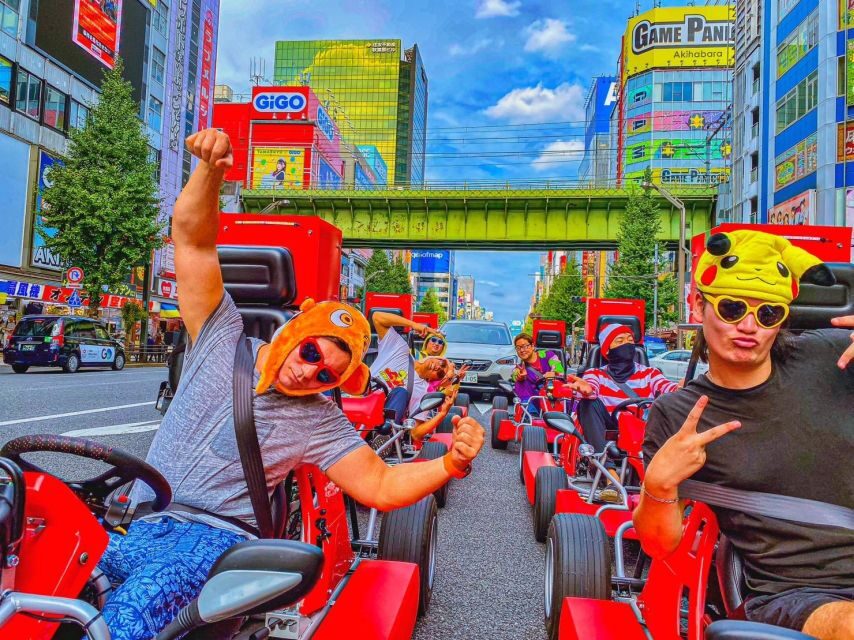
Real-road street karting with a guide – You follow instructions and keep formation, not solo drifting.
Costumes are part of the fun – Anime/game character dressing is included.
Tokyo Station and Ginza are built into the route – Expect big-city sights and great photo stops.
You get photo data after – Guides take lots of pictures and deliver them afterward.
Docs are not optional – You’ll need a valid International Driving Permit (or special translation rules for some countries).
Meeting Street Kart Akihabara at the Glass Doors (And Getting Ready Fast)
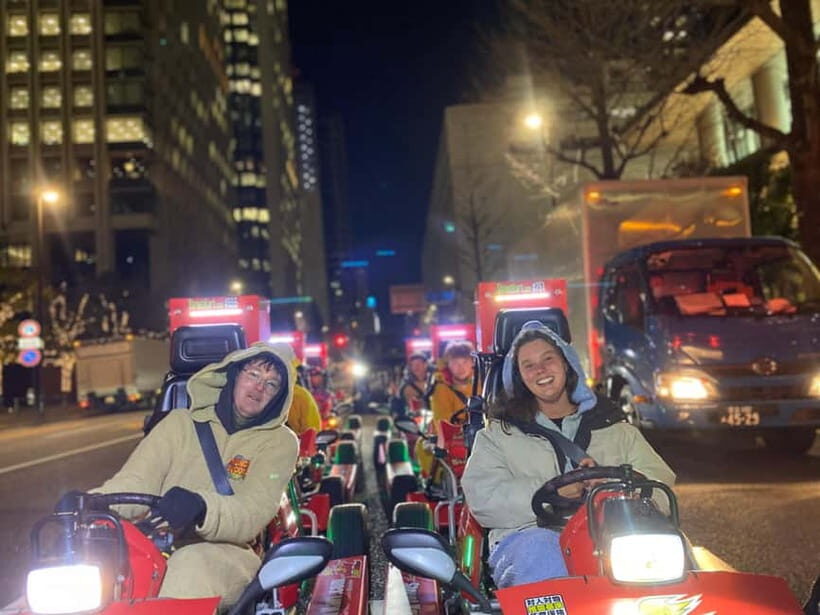
The meeting spot is straightforward once you know what to look for: find the go-karts of Street Kart Akihabara 1 through the glass doors of the building. This matters because you’ll want time to check in, get your safety briefing, and pick your costume without rushing.
Check-in is usually quick because the group is small—limited to 6 participants. That small size helps in two ways. First, your guide can keep an eye on everyone. Second, you spend less time waiting around and more time on the street.
Before you ride, you’ll go through the basic rules and setup. You’ll choose a costume from the options available for the tour, then get geared up for a custom kart ride. The biggest practical note: follow the shoe rules. No high heels, no sandals/flip-flops, and no slippers. You want secure footwear so you can brake and steer confidently.
Also plan to leave certain personal items behind. Your phone is not allowed during the kart portion, and that’s worth taking seriously. You’ll be getting photos from the guide, so you don’t need to hold your own camera to capture the moment.
You can also read our reviews of more tours and experiences in Tokyo.



What the Route Feels Like: Akihabara to Marunouchi to Ginza
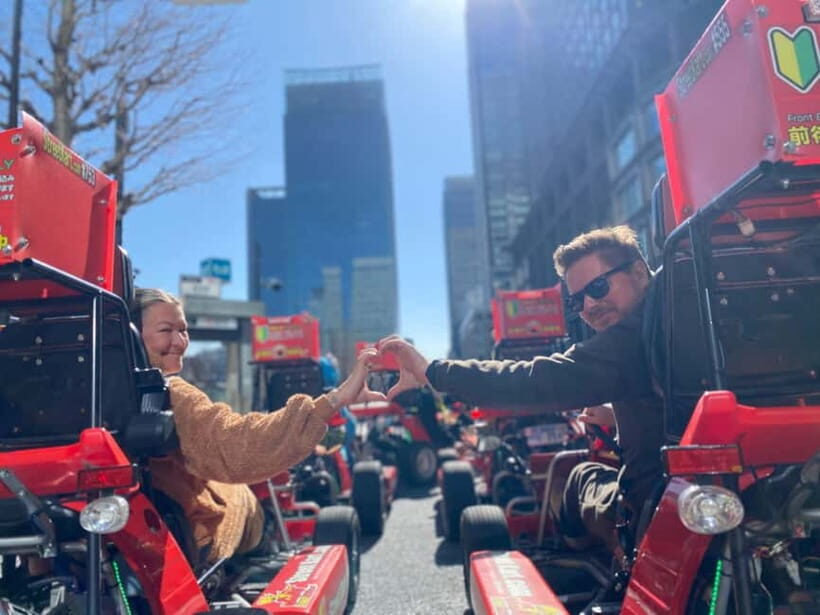
This tour is designed to do two things at once: give you fast, fun driving and put you in front of classic Tokyo backdrops. You’ll start out in the Akihabara area, which sets the tone immediately. Akihabara is about games, anime, and the kind of pop culture that makes your costume feel extra natural.
Then the route swings through key central districts:
- Marunouchi, with the business-district vibe and a look toward the Imperial Palace area in the background.
- Tokyo Station, including a sense of scale—this is the hub for 28 platforms, so it hits differently when you’re close enough to feel the traffic flow and architecture.
- Ginza, Tokyo’s luxury shopping zone, where your costume pops even more against the polished streets.
How it feels behind the wheel depends on the time of day. If you go at night, you’re more likely to get that Tokyo lights effect that people rave about: city glow, brighter reflections, and a night-drive mood. If you go earlier, the experience still works because you’re moving through dense areas with constant visual interest.
One more thing to understand: this is a 1-hour experience. That sounds short until you’re actually driving and realizing the city rhythm is the point. Still, you might find yourself wanting a bit more time in the most dramatic neon-style blocks. If your dream is maximum “downtown lights, constant spectacle,” choose your timing carefully.
Costumes That Actually Work on a Bike-Kid Go-Kart Vibe
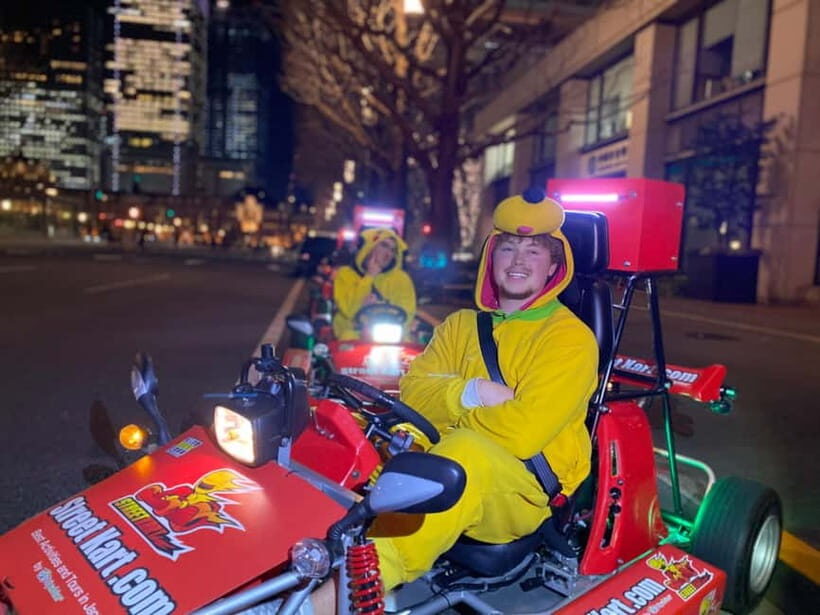
Costumes are included, and the whole thing is built around dressing as a character from games, anime, and animation. It’s not just a cute add-on. Your outfit is basically part of the street-kart spectacle.
The practical trick is picking something you can move in. You’ll be steering and braking, so avoid anything that’s likely to tangle or restrict your legs. Since your shoes are regulated, go for a costume that pairs well with closed-toe, secure footwear.
The payoff is immediate and very Tokyo. People wave, smile, and take photos of you as you roll by. It’s a strange and wonderful feeling to watch strangers react to your character in motion, especially as you pass major city landmarks.
Guides also help keep the group together, which makes costume photos easier. In at least some cases, guides also took plenty of photos of the group throughout the ride, and I’d treat that as your “costume documentation plan.” You’ll leave with digital photo data afterward.
Tokyo Station-Style Photo Moments: Digital Data Plus Souvenir Prints
This tour is built for pictures, and they don’t leave it to chance. You’ll receive photo data after your ride, and the guides take photos during the tour—often lots of them—so you’re not stuck hoping someone captures your best angles.
In several cases, guides also handled printed photos as a small souvenir at the end. That kind of physical take-home is rare with city activities, and it’s a nice touch if you like something you can place on a trip shelf without searching through a phone gallery later.
Here’s how to maximize the photo value. Show up ready to be photographed. Smile when you’re stopped, and pay attention when your guide gives you cues—some guides use hand signals to keep everyone safe and aligned. When you follow those cues, you naturally position yourself better for group shots at stoplights and photo stops.
Also remember: your own phone is not allowed during the drive, so lean on the guide’s camera plan. If you’re thinking about video, read the action-camera section next, because your options affect your budget.
Safety on Real Streets: Guides, Hand Signals, and a Formation Ride
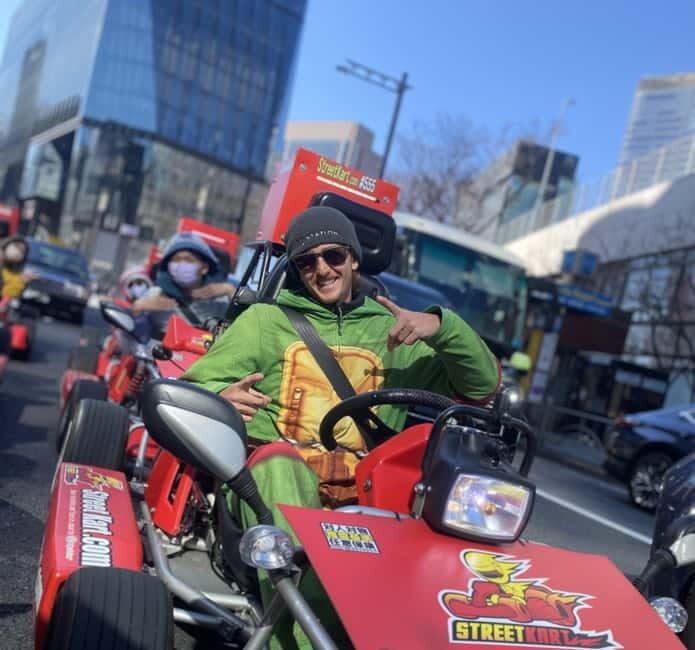
One of the strongest parts of this experience is how seriously they handle safety while still keeping it fun. You’re driving among other vehicles on real roads, which means you need clear instructions and consistent pacing.
Expect a full safety briefing, and you’ll likely watch a safety video as part of the prep. During the ride, guides keep things organized by leading from the front and managing formation. Some guides also use hand signals at intersections and when the group needs to follow tighter spacing. That’s a big deal when you’re concentrating on steering and not on reading the entire traffic situation.
The guide quality seems to be a real differentiator. People highlighted guides such as Mads, Billy, Usama, Khan, Michael, Marky, Sam, and Mike for being communicative, patient, and enthusiastic about making sure everyone stays safe. Even when people were nervous at first, the guides focused on rules and comfort, then turned it into a ride everyone could enjoy.
If you’re worried about confidence driving in traffic: focus on the process. The karts are custom for the experience, but your job is to follow the guide’s pace. You don’t need to be a city racer. You need to be a calm participant.






The $51 Price: What You Get, What You Pay Extra, and How It Adds Up
At $51 per person for a 1-hour street kart tour, the value comes from what’s bundled—not just the kart time.
Included:
- Tour on a custom-made go-kart
- Live guide (English)
- Costume rental
- Photo data afterward
So you’re paying for an experience package that covers the kart, the “Tokyo street” element, and the photo deliverable. Costume rental alone would cost money in many cities if you were doing it separately.
Not included are the action-camera extras:
- Action camera rental fee
- Micro-SD purchase fee (to save video footage)
- Camera mount rental fee (to attach the camera)
If you’re the type who wants a helmet-cam feel, budget for those added charges. And based on practical feedback, don’t assume you can bring and mount your own setup easily. The operator’s plan is generally designed around their own equipment and mounts, not a DIY attachment.
One more value note: this is a small group experience. Limited to 6 participants, it feels more personal than big group tours, and that helps both safety and photo attention.
Your Driver’s License Paperwork: The Part You Must Not Rush
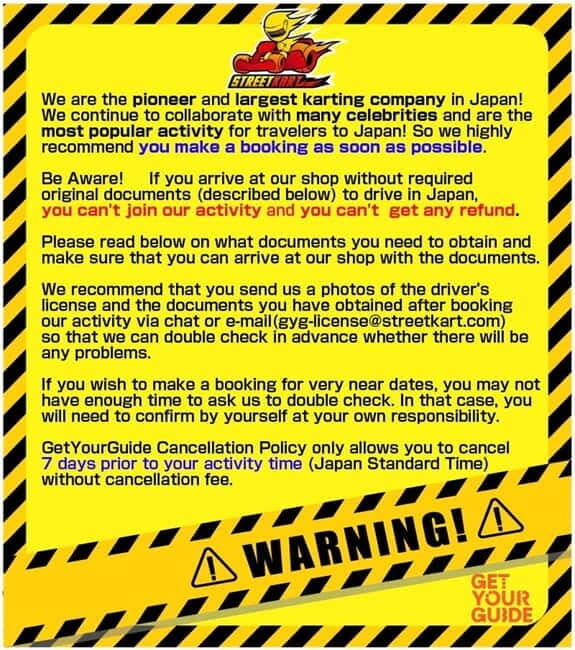
This tour has a strict requirement: ALL participants need to obtain special documents to drive in Japan. And it’s not a vague “bring your ID.” It’s very specific.
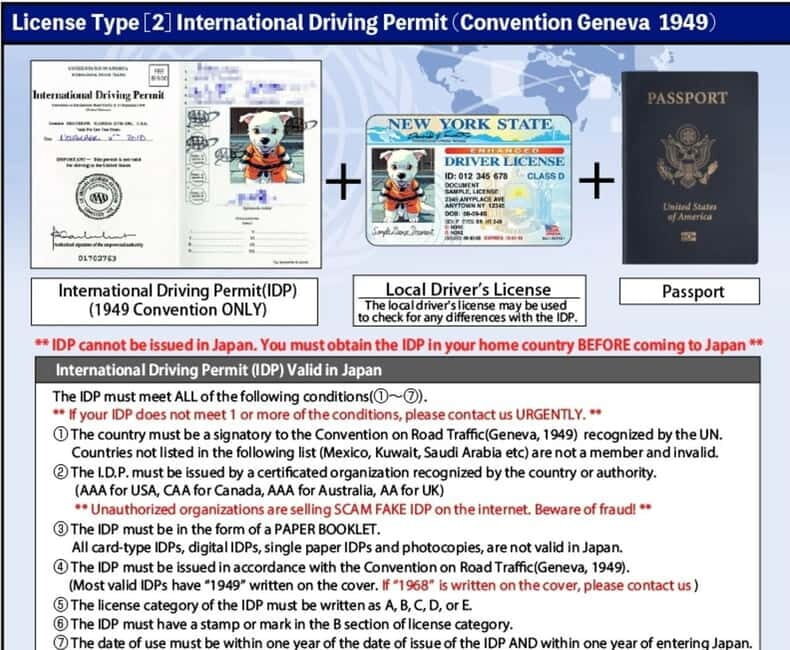
For most countries, you’ll need an International Driving Permit (IDP) in the booklet format compliant to the 1949 Geneva Convention. Two key rules matter:
- Valid IDPs can only be issued by the same country that issued your domestic license.
- You cannot obtain the IDP online while traveling.
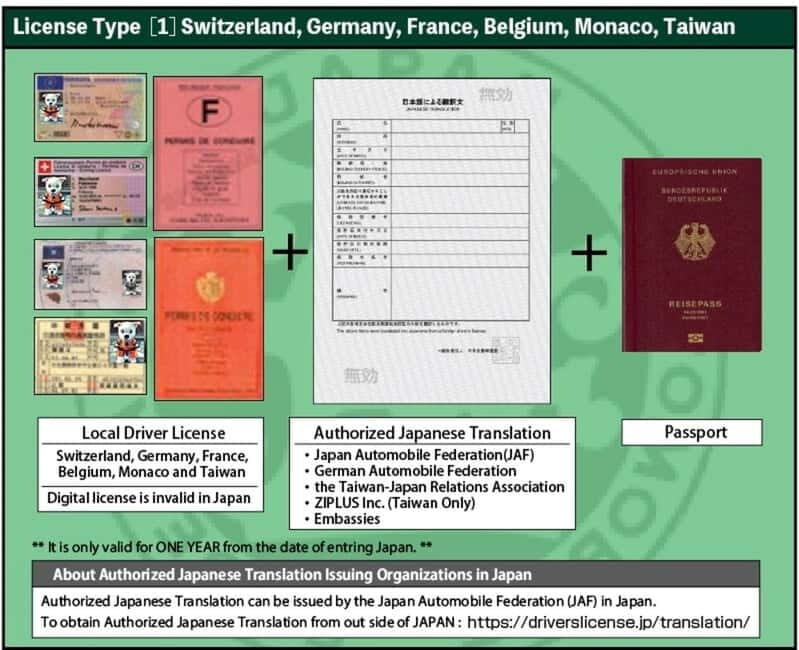
Some countries have different rules. If your driver’s license is issued in Switzerland, Germany, France, Taiwan, Belgium, or Monaco, you’ll need a Japanese translation of your license from the Japan Automobile Federation (JAF). It’s not an IDP route.
Then there are countries where driving is not permitted for this activity. Licenses issued by countries not covered by the 1949 Geneva Convention—examples listed include China, Indonesia, Mexico, Qatar, Saudi Arabia—are not permitted to drive in Japan.
Finally, bring what they require physically:
- Your physical IDP (or domestic license + official translation for the listed exceptional countries)
- Your physical passport
Also, the provider emails after booking with document guidance. Use that message. Don’t wing it. For an experience like this, paperwork mistakes can shut the door fast.
Not Everyone Should Ride: Body, Vision, Hearing, and Footwear Rules
This isn’t a casual hop-on activity. It has real physical and sensory requirements.
Not suitable:
- Children under 18
- Pregnant women
- People with back problems
- People with mobility impairments
- Wheelchair users
- Visually impaired people
- Hearing-impaired people
Even if you’re generally healthy, take the karting nature seriously. You’ll be sitting, steering, and reacting quickly to traffic flow and guide directions.
You also need to follow the on-site restrictions:
- No cellphones
- No sandals/flip-flops/slippers
- No high-heeled shoes
If any of the physical or sensory categories apply, skip this. There are plenty of Tokyo activities that let you enjoy the city without the constraints of driving.
Choosing Day vs Night: When Tokyo Lights Make the Ride Better
If you can pick a time slot, think about mood and visibility. Night rides get extra love because Tokyo at night has that sharp, electric look—street light reflections, neon glow, and the sense of Tokyo moving at full speed.
People specifically called out night driving as a highlight and mentioned the city lights coming on around sunset. That’s not just aesthetic. Night usually means fewer glaring sun issues and more dramatic lighting for the photos your guide captures.
That said, you still get the core route—Marunouchi/Tokyo Station/Ginza/Akihabara—no matter when you go. If your main goal is the Tokyo Station energy, go for the time slot you can manage and feel confident in.
Should You Book Street Kart Akihabara? My Practical Take
Book it if you want a Tokyo activity that feels different from the usual museum-and-temple route. This is one of those rare experiences where the city becomes your track, your costume becomes part of the show, and the guide handles both safety and logistics.
Don’t book it if you:
- Can’t get the right driving documents in time
- Have concerns about driving among real cars
- Need a fully accessible experience for mobility, vision, or hearing limitations
- Expect a long sightseeing tour (it’s 1 hour, not half a day)
Also, if you’re a “maximum neon blocks” person, consider night and be aware the route may not satisfy every craving for nonstop downtown brightness.
If you’re ready to handle the paperwork and you want a fast, fun, photo-heavy Tokyo experience, Street Kart Akihabara is a strong pick.
FAQ
How long is the Street Kart Akihabara experience?
The ride lasts 1 hour.
Where do we meet for the tour?
Meet at Street Kart Akihabara 1 by looking for the go-karts through the glass doors of the building.
Do I need an International Driving Permit to drive?
Yes. All participants must obtain special documents to drive in Japan. For most countries, you need an IDP in the 1949 Geneva Convention booklet format issued by the country that issued your domestic license.
Are costumes included?
Yes. Costume rental is included, and you can dress up as a character from games and anime for the ride.
Can I bring a cellphone or use my own action camera?
Cellphones are not allowed. Action camera rental and related fees (like the micro-SD and camera mount) are not included, and you should plan around the operator’s equipment rules.
Is this tour safe and guided?
Yes. It’s a live tour with an English guide, limited to 6 participants, and it includes safety instructions before you ride.