REVIEW · KANAZAWA
True Kanazawa: Private walking tour with a Local guide
Book on GetYourGuide →Operated by Japan Panoramic Tours · Bookable on GetYourGuide
Kanazawa makes more sense on foot. This private 3–4 hour walk with an English guide lets you pick what you see, from world-famous gardens to tea districts, with local context you won’t get from a guidebook. I especially like the flexible stop choice, and the way the guide times things so you’re not stuck rushing. One drawback to plan for: it’s mostly walking, so it’s not a good fit if your legs (or back) aren’t happy.
What made this feel worth it, in a very practical way, is the blend of big sights and everyday local life. I’ve seen guides such as Yasushi and Aiko lead groups with calm clarity, and they’ll explain what you’re looking at before you move on. Still, admission fees and meals aren’t included, so your final cost depends on which add-ons you choose.
Pickup is also easy to understand: you’re met on foot near your hotel or a nearby cafe/shop (for example, Starbucks at Kanazawa station), between 8:30am and 2:00pm. Then the tour walks to the places you choose, and it ends at your last stop—no extra drop-off.
In This Review
- Key things to know before you go
- How this private walk pays off in real time
- Picking your 3 stops: the best way to avoid “samey sightseeing”
- Kenrokuen Garden: the “calm first” stop
- Kanazawa Castle: where the stories get political
- Higashi Chaya and Kazuemachi Chaya: tea districts with street-level meaning
- Nagamachi Samurai District: understanding a neighborhood, not just a theme
- Omicho Market: your break for real Kanazawa flavors
- Museums and shrines: when you want a different kind of pace
- 21st Century Museum of Contemporary Art
- D. T. Suzuki Museum
- Oyama Shrine
- Optional craft experiences: do something with your hands
- Lunch with your guide: tasty, but it changes the math
- Ninja Temple option: fun idea, important language detail
- Price and logistics: what $161 buys you (and when it’s extra good value)
- Who this Kanazawa walking tour fits best
- Should you book True Kanazawa?
- FAQ
- How long is the Kanazawa walking tour?
- How many places can I choose to visit?
- Is the tour fully private?
- What’s included in the price?
- Are admission tickets included?
- Does the tour include food and lunch?
- Where does pickup happen?
- Is there a craft experience option?
Key things to know before you go
- Choose up to 3 stops in 3–4 hours, so you can tailor the day to your interests.
- Kenrokuen and Kanazawa Castle are common anchor points, with guided time built in.
- Tea districts and samurai streets are on the menu, which is where Kanazawa’s “how life worked” energy shows up.
- Omicho Market is a great pulse check for what’s fresh and local (snacks optional, costs extra).
- Optional craft experiences (extra cost) let you do more than just look.
- If you choose the Ninja Temple, understand that inside, temple staff conduct the tour in Japanese.
How this private walk pays off in real time
Kanazawa is the kind of city where details matter: stone paths, old merchant lanes, district layouts, and quiet rules about how streets were designed. A private walking tour helps because you can actually adjust. If you want more time at a garden walkway, you can usually get it. If you’d rather trade a museum stop for a market wander, you’re not trapped.
The private format also changes the quality of the conversation. You can ask about what you’re seeing right now, not what you’re supposed to have understood already. And because it’s an English-speaking guide, you’re not stuck doing interpretive guesswork for every sign.
The other big value is that the guide doesn’t just point and move. The tour is designed around timed visits (around 50 minutes at each main stop). That makes it realistic: you’ll see what you came for without burning half the day in transit or waiting around.
You can also read our reviews of more walking tours in Kanazawa

Picking your 3 stops: the best way to avoid “samey sightseeing”
You choose 3 places from a menu of options, and you’ll walk between them on foot. That choice is the whole game—so decide based on mood, not checklists.
A smart way to plan:
- Pick one “icon” (usually Kenrokuen Garden or Kanazawa Castle).
- Pick one “old-town” district (Higashi Chaya or Nishi Chaya, plus Nagamachi).
- Pick one “hands-on life” stop (Omicho Market, a museum, or a craft experience).
Why this works: Kenrokuen and the castle show the official/ceremonial side of Kanazawa. The chaya districts and Nagamachi show how neighborhoods actually functioned. Omicho and the museums add modern texture—or a break where you can reset your brain.
If you’re torn, go with what matches your walking energy. This tour can move fairly quickly, and it’s not designed for wheelchair use, low fitness, recent surgery recovery, or people who need frequent mobility support.
Kenrokuen Garden: the “calm first” stop
Kenrokuen is a top pick for a reason. Gardens in Japan aren’t just scenery; they’re choreography—views revealed in sequence, ponds placed for reflections, and paths built to control your sightlines. Having a guide with you changes how fast you get oriented.
You’ll get about 50 minutes here with guided time. That’s long enough to see the main highlights without rushing through every corner. The guide can also point out what to notice beyond the big postcard moments—like how different areas create different feelings even when the garden feels compact.
Practical tip: wear comfortable shoes. Garden paths can be uneven in spots, and it’s better to have grip than to “hope for the best.”
Kanazawa Castle: where the stories get political
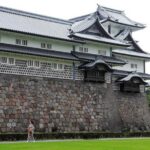
Kanazawa Castle is a second anchor stop, with about 50 minutes for your visit. Even when buildings aren’t fully intact, the layout helps you understand power and place: where authority sat, how the castle related to the rest of the city, and why some areas were designed the way they were.
A guide’s value here is context. Without it, you might just see stones, gates, and explanatory boards. With it, you start to connect the dots between the city’s rule system and the neighborhoods you’ll walk through later.
If you like history but you don’t want a lecture, this visit tends to land well. It’s enough time to absorb key ideas and still keep the tour feeling like a walk, not a classroom.
Higashi Chaya and Kazuemachi Chaya: tea districts with street-level meaning
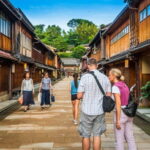
The chaya districts (tea houses) are where Kanazawa feels most like an old city. Higashi Chaya District and Kazuemachi Chaya District are both options, and each typically gets about 50 minutes.
What to expect: quieter lanes, canal-side atmosphere in spots, and the sense that this neighborhood was shaped for a specific kind of evening life. These streets can look “pretty” from photos, but the real payoff comes when your guide explains the logic of the district—who lived nearby, why it was laid out like it was, and how that connects to the broader city.
One consideration: photography is easy, but you’ll also want time to slow down. If you rush through, you’ll miss how the district changes as you turn corners. Give yourself a few minutes to just walk without aiming your camera every second.
You can also read our reviews of more guided tours in Kanazawa



Nagamachi Samurai District: understanding a neighborhood, not just a theme
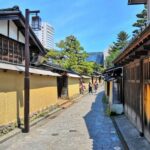
Nagamachi Buke Yashiki (samurai district) is another high-value choice if you want Kanazawa to feel lived-in rather than staged. The samurai quarters help you understand the relationship between status, architecture, and everyday movement through a neighborhood.
During your ~50-minute visit, the guide can help you read what you’re seeing: how homes were organized, what the streets suggest about hierarchy, and how that past shows up in the present-day city layout.
This is often the stop that turns sightseeing into understanding. You start noticing things you’d otherwise miss—small patterns in street width, pathways, and the way buildings face the road.
Omicho Market: your break for real Kanazawa flavors
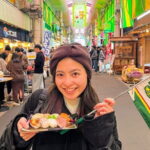
Omicho Market is the practical side of the day. It’s about 50 minutes, and it’s ideal if you want to see daily commerce and snack your way through the morning or afternoon.
Even if you don’t buy anything major, the market is still useful. You’ll get a sense of what’s fresh, what people buy quickly, and what kinds of food show up again and again.
Since food and drinks aren’t included, plan on paying as you go. But that’s also part of the appeal: you can keep it light or make it a full snack strategy.
Simple tip: if you’re sensitive to crowds or strong smells, time it with your energy. Markets can be lively, and a guided stroll helps you move efficiently.
Museums and shrines: when you want a different kind of pace
Kanazawa isn’t only gardens and old streets. If you like art, this tour can include museums, and if you prefer spirituality or architecture, it can include shrines and temples.
21st Century Museum of Contemporary Art
This is one of the options, with about 50 minutes. It’s a good counterbalance after traditional areas because it forces your eyes to reset. If you plan to include it, it helps to keep your expectations flexible. Contemporary art spaces can feel “intuitive” or “challenging,” and the guide can help you understand what you’re looking at in plain language.
D. T. Suzuki Museum
If you choose this one, you’ll get around 50 minutes. It’s a strong add-on if you want more intellectual grounding during your visit. Again, the guide’s role matters because museum time is limited. You’ll get help focusing on what’s most meaningful.
Oyama Shrine
This one rounds out the cultural mix. Expect a guided ~50-minute visit. Shrines can be quick if you’re rushing, but with a guide you can slow down and notice the details that signal function and tradition.
Optional craft experiences: do something with your hands
One of the smartest ways to make this tour feel “different” is adding an optional craft activity. These are not included in the base price, but the list is clear and the add-on options are well matched to Kanazawa’s identity as a craftsmanship city.
You can choose one of these experiences:
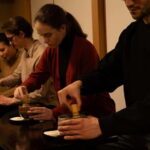
- Wagashi making (Japanese sweets) with a professional wagashi craftsman
- Painting of Daruma dolls
- Gold leaf application experience (cost depends on the item you decorate)
Timing note: availability depends on date and schedule, and you’ll want to request what you want in advance. Your guide can help line it up when possible.
Value check: this is where you stop being a spectator. Even if you’re not an art person, doing a craft hands-on creates a memory that photos can’t replace.
Lunch with your guide: tasty, but it changes the math
Lunch can be included in the sense that you can choose lunch with your guide at a recommended local restaurant. But it affects your sightseeing options: if you pick lunch, you’ll have time for only two other spots.
So decide what you want from the day:
- If food is a major goal, choose lunch and go lighter on other stops.
- If you’re more focused on districts and sights, skip lunch and keep the 3-stop plan.
Either way, the guide’s restaurant recommendation is part of the value—Kanazawa has lots of options, and a local suggestion saves you time.
Ninja Temple option: fun idea, important language detail
Myōryū-ji (the Ninja Temple) is an option, but it comes with special rules you should know. Reservations may be needed, and entry isn’t guaranteed if schedules don’t line up.
Here’s the key detail: inside the temple, the tour is conducted in Japanese by temple staff, and guides aren’t allowed to interpret during the visit. Your guide will explain key points in English before or after you go in.
This matters because if you really want live interpretation inside every minute, this might feel limiting. On the other hand, if you’re okay with a structured experience plus a little English context around it, it can be a fun twist.
Price and logistics: what $161 buys you (and when it’s extra good value)
The price is $161 per group up to 5 people, for about 4 hours. That structure is what makes this tour feel like a bargain compared with private touring that charges per person.
If you travel as a group of 4 or 5, you’re effectively splitting the guide cost. If you’re going solo or as a couple, it’s still a fair option—just know you’re paying for privacy and flexibility rather than just “admission plus a walk.”
Also remember what’s included vs. not:
- Included: professional English guide, pickup service on foot, and your customized choice of 3 places.
- Not included: admission fees, food and drinks, and public transportation tickets (for both you and the guide if used).
Because it’s a walking tour, you’ll likely avoid transit fees. But if you decide you need taxis or buses, that adds cost.
Timing and meeting point are straightforward. Your pickup time can be set between 8:30am and 2:00pm, and you can be picked up from hotels around Kanazawa station or certain nearby cafes/shops.
One more practical note: the tour doesn’t include extra drop-off service. It ends at your last spot, so plan a simple finish near that area.
Who this Kanazawa walking tour fits best
This tour is a great match if you:
- Want a private guide and real explanation while you walk
- Like choosing between iconic sights and local neighborhoods
- Prefer guided pacing over figuring things out alone
- Enjoy a mix of traditional districts and modern culture (museums are optional)
It’s not a good match if you need:
- Wheelchair access or strong mobility support
- A very low-walking day
- Accommodations for heart problems, recent surgeries, back problems, or other medical limitations
- A setting suitable for babies under 1 year
If you’re generally healthy and comfortable walking for a few hours, this tour style usually works well.
Should you book True Kanazawa?
Book it if your ideal day in Kanazawa looks like a guided walk through Kenrokuen, classic districts, and one more stop chosen to match your mood—market, museum, shrine, or even a craft. The flexible 3-stop design is the big win, and it’s the part that helps you avoid the common “we saw everything but remember nothing” problem.
Skip (or consider a different format) if you want minimal walking, need live interpretation inside the Ninja Temple experience at all times, or don’t want to handle separate admission and food costs.
If you want a smarter Kanazawa day—less rushing, more understanding—this is a strong fit.
FAQ
How long is the Kanazawa walking tour?
It runs for about 4 hours. The tour includes time for guided visits and is designed around selecting 3 places to fit within that window.
How many places can I choose to visit?
You can choose up to 3 spots from the available options for the walking tour.
Is the tour fully private?
Yes. It’s a private group tour with an English-speaking guide.
What’s included in the price?
The price includes an English-speaking tour guide, pickup service on foot, and a customized private tour for your selected 3 stops.
Are admission tickets included?
No. Admission fees for each place are not included.
Does the tour include food and lunch?
Food and drinks are not included. Lunch with your guide is available as an option at a recommended local restaurant, but it reduces your time for other stops to two.
Where does pickup happen?
Pickup is available from hotels around Kanazawa station, and also from nearby cafes or shops (for example, Starbucks at Kanazawa station), depending on your location.
Is there a craft experience option?
Yes. Optional craft experiences are available (wagashi making, Daruma doll painting, or gold leaf application), and the costs are not included.