REVIEW · TOKYO
Shibuya Tokyo: Modern Kintsugi Workshop in Shibuya
Book on GetYourGuide →Operated by mon cadeau · Bookable on GetYourGuide
Kintsugi repairs a break you can see. I love the small-group size and the step-by-step coaching that keeps you moving at a comfortable pace, and you leave with a real restored keepsake. One thing to consider: you must arrive on time, because you can’t join if you’re more than 15 minutes late.
This workshop sits up the hill from Shibuya Crossing, so you get a rare pause from the noise without giving up a central location. You’ll start with matcha and seasonal sweets, pick a piece of crockery to repair, and then do the work yourself while your instructor demos each step first.
It’s modern kintsugi, using contemporary materials, which many people appreciate because it’s more accessible and practical during a short visit to Tokyo. The trade-off is that it’s not the slow, traditional, museum-grade process; it’s built for you to finish and take your piece home.
In This Review
- Key Things I’d Prioritize Before You Go
- Finding mon cadeau: Shibuya Crossing to the Calm, Up the Hill
- Matcha, Sweets, and the Wabi-Sabi Mindset
- Choosing Your Piece: Picking What You’ll Restore
- The Hands-On Workshop Flow (and Why It Works)
- What You’re Actually Doing
- Tea Break? No, It’s Part of the Craft Experience
- Who Will Teach You (and What the Classroom Feels Like)
- Price and Value: What $141 Buys You in Real Terms
- The Main Things to Know Before You Book
- Timing matters
- Dress for careful work
- No video recording
- Age guidance
- Should You Book This Shibuya Kintsugi Workshop?
- FAQ
- How long is the Shibuya modern kintsugi workshop?
- How many people are in the class?
- Is the workshop taught in English?
- Do I need to bring tools or materials?
- What’s included in the price?
- Is video recording allowed?
- Where is the meeting point in Shibuya?
- What happens if I’m late?
Key Things I’d Prioritize Before You Go
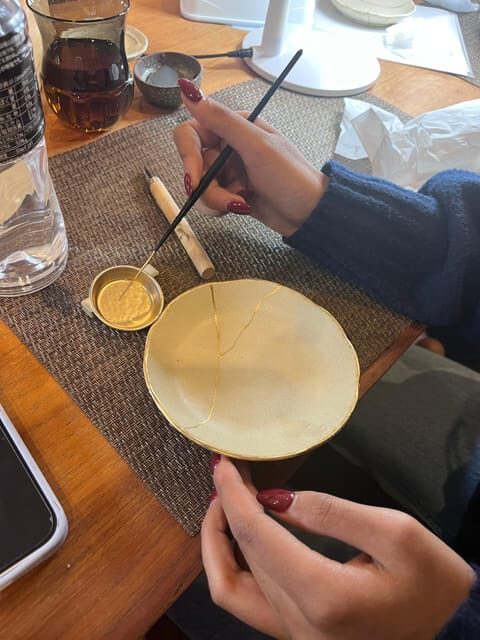
- A 6-person cap means you’re not watching from the sidelines.
- Matcha and seasonal sweets start the session in the right mood.
- You repair your own crockery after a clear demonstration.
- English instruction keeps the craft and philosophy understandable.
- A gift box souvenir makes the finished piece easy to pack.
- No video recording keeps the room calm and focused.
Finding mon cadeau: Shibuya Crossing to the Calm, Up the Hill
Shibuya Crossing is loud. That’s the point. Then you walk uphill and your evening changes tone fast.
You meet at mon cadeau’s private studio on Shoto 2-Chome, at the top of Bunkamura-dori, next door to the Central Hospital Annex building. Arrive about 5 minutes before your start time, and plan to move at a steady walking pace so you don’t cut it close.
Here’s a practical tip that matters: Google Maps can send you toward a side alley, but the studio entrance is on the main street. Look for the tiled façade and a large brown double door with a narrow glass panel. If you miss it, don’t panic—just backtrack to the main street and re-check those details.
This location is a value play. You’re still in Shibuya, which makes it easy to pair with shopping or dinner, but you’re not crammed into a tourist-crowded studio that feels like a classroom.
A few more Tokyo tours and experiences worth a look

Matcha, Sweets, and the Wabi-Sabi Mindset
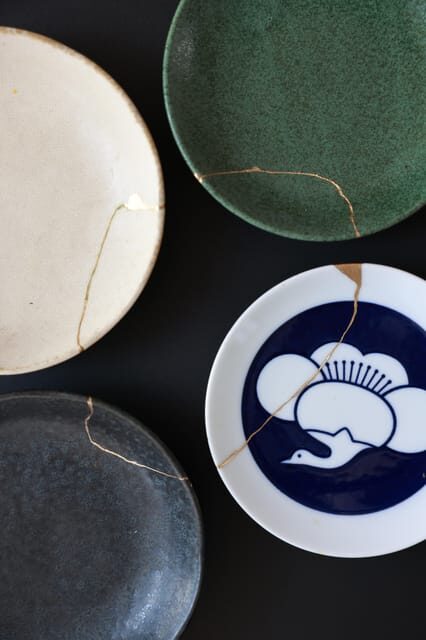
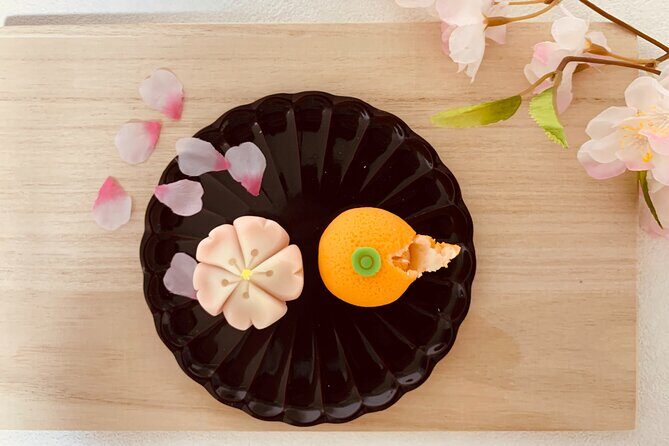
Before you touch ceramic glue or gold-toned accents, you slow down. The class begins with matcha tea and seasonal Japanese sweets, served as part of the reset into the ideas behind kintsugi and wabi-sabi.
I like this start because it doesn’t feel like a gimmick. It’s time to get comfortable, to settle your hands, and to listen. You’re not just learning a technique; you’re being guided into a way of looking at breakage as something that can be honored instead of hidden.
You’ll also get an introduction explanation sheet, which helps you connect the steps you’re about to do with what the repairs represent. That little paper matters, especially if you’re going to keep working on repairs later at home.
Choosing Your Piece: Picking What You’ll Restore
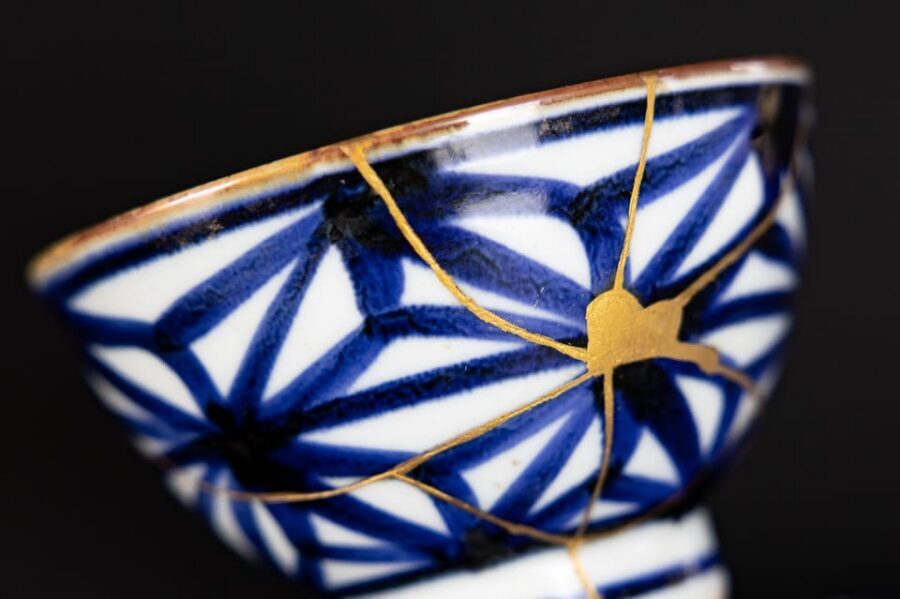
You don’t bring anything. Your instructor provides a piece of crockery to repair from the studio’s collection.
Picking the item is more fun than it sounds. A smaller dish can feel simpler to finish cleanly, while something larger may be more satisfying if you like a more dramatic end result. Either way, you’re making a decision early, and that helps the workshop feel personal instead of procedural.
The “modern” part of this workshop also shows up here. You use materials and products that are designed to be accessible, faster, and safer than strictly traditional approaches. That’s a big deal if you only have a short Tokyo window and you still want a finished, displayable result.
The Hands-On Workshop Flow (and Why It Works)
The workshop runs for 2 hours, and the pacing is built around learning by doing. It follows a clear rhythm:
- First, your instructor demonstrates each step of reassembly, repair, and restoration.
- Then you perform the next steps yourself, with personal guidance in the room.
- You move forward step by step, so you’re never left guessing what comes next.
I found this structure is what makes craft workshops either great—or stressful. Here, you’re not thrown into “figure it out” mode. The demo gives you a mental model, and the hands-on part builds muscle memory quickly.
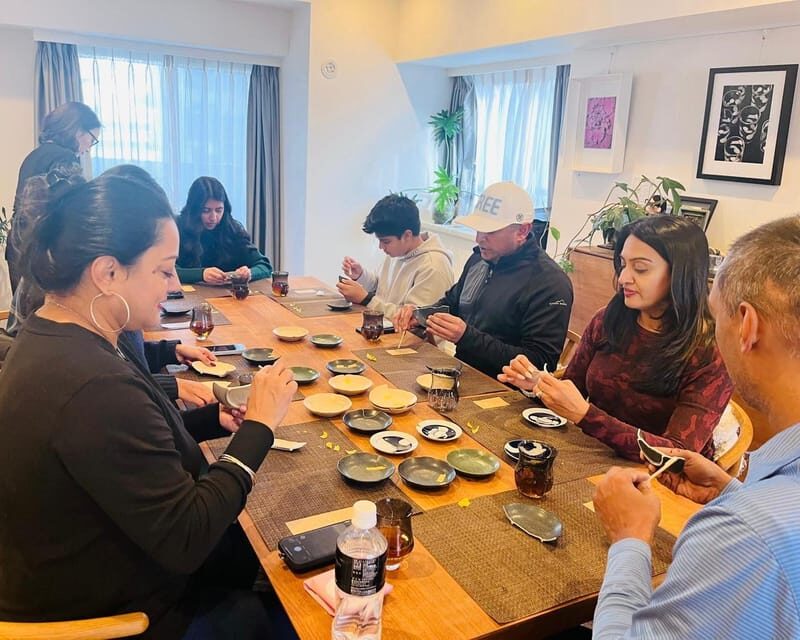
Also, the class stays intimate with a maximum of 6 participants. That size keeps the attention on your specific piece and your specific questions. If you’re the type who likes to get feedback while you’re working, this setup is ideal.
What You’re Actually Doing
Even with modern materials, kintsugi still asks you to treat the break carefully. Expect the workflow to include reassembling fragments, applying the repair approach, and then completing the restoration so the damage becomes part of the story.
Your finished item goes into a special gift box, which is a quiet but important practical detail. It means you’re not scrambling at the end trying to improvise packing for something fragile.





Tea Break? No, It’s Part of the Craft Experience
You might think sweets are just a nice extra. In practice, the matcha-and-snack setup helps the workshop feel more like a calm cultural experience than a speed-run art class.
The tea and seasonal treats also act as a steady rhythm between steps. When you’re doing careful work, breaks help you reset your focus. It’s one of those small comforts that makes the 2 hours feel manageable rather than rushed.
Who Will Teach You (and What the Classroom Feels Like)
The instruction is in English, and the atmosphere is warm and attentive. The hosts and instructors include Michiko (a central teacher/host presence) plus team members such as Yuki, Koto, and Rita. You’ll see that the teaching style is patient and hands-on.
In a small group, the teacher can correct tiny technique issues early, like alignment and how you handle each step. That’s one reason people get a satisfying result instead of a “looks okay from far away” souvenir.
The overall vibe is friendly rather than stiff. Many participants describe it as welcoming and almost family-like, which matters if you’re nervous about craft skills. You don’t need experience. You do need attention, and they help you give it.
Price and Value: What $141 Buys You in Real Terms
At $141 per person for 2 hours, this workshop isn’t the cheapest thing you’ll do in Shibuya. But it’s also not priced like a generic “experience” where you end up with a craft that feels flimsy or unfinished.
Here’s what you’re paying for, clearly:
- a small group (up to 6), so instruction is personal
- English guidance
- matcha and seasonal sweets
- the materials and tools you need
- the crockery piece you repair
- the gift box for your finished keepsake
That bundle is the value. A similar class where you bring your own materials or where the outcome is mostly guided-by-the-instructor can cost more in the long run, because you get less time and less ownership of the final result.
Also, modern kintsugi is designed so you can actually complete your piece within a short session. If you want a meaningful souvenir without spending a week learning an exacting traditional process, this pricing makes more sense.
One practical note: this is best if you care about a real finished item you can take home. If you’re mostly curious about the philosophy and don’t care about the object, you might prefer a museum talk or a short cultural stop elsewhere.
The Main Things to Know Before You Book
A few “know this now” items can save you stress.
Timing matters
You can’t join if you arrive more than 15 minutes after your reserved start time. Shibuya navigation is easy, but weather, traffic, and crowds happen. Aim to arrive early and wait nearby if needed.
Dress for careful work
You only need comfortable clothes. You’ll be seated or working in close range to your piece, so avoid anything that restricts movement or makes you sweat.
No video recording
Video recording isn’t allowed. That’s worth knowing if you like filming how-to crafts.
Age guidance
It isn’t suitable for children under 5.
Should You Book This Shibuya Kintsugi Workshop?
You’ll probably be happy you booked if you want:
- a hands-on craft souvenir you genuinely helped make
- a short, structured lesson with step-by-step support
- a small class where your instructor can help you fix things as you go
- an experience that connects technique with the wabi-sabi mindset
I’d skip it if:
- you’re late-prone (because the 15-minute cutoff is real)
- you mainly want photos and videos more than learning
- you don’t care about taking home a restored piece
If you’re doing a Shibuya-heavy itinerary, this is a smart counterbalance. Two hours, calm focus, and a finished object in a gift box is exactly the kind of Tokyo activity that feels both cultural and practical.
FAQ
How long is the Shibuya modern kintsugi workshop?
The workshop lasts 2 hours.
How many people are in the class?
The group is small, limited to 6 participants.
Is the workshop taught in English?
Yes, the instructor teaches in English.
Do I need to bring tools or materials?
No. Everything is provided, including the materials and the crockery piece you repair.
What’s included in the price?
Included items are matcha tea, seasonal sweets, an introduction explanation sheet, all restoration materials, and a piece of crockery to repair.
Is video recording allowed?
No, video recording is not allowed.
Where is the meeting point in Shibuya?
You’ll meet outside the studio 5 minutes before the lesson start, next door to the Central Hospital Annex building at the top of Bunkamura-dori on Shoto 2-Chome Crossing.
What happens if I’m late?
You won’t be able to join if you arrive more than 15 minutes past your reserved start time.