REVIEW · TOKYO
Tsukiji Fish Market: Street Food Tour with Tasting
Book on Viator →Operated by Local Guide Stars · Bookable on Viator
First, Tsukiji rewards you fast. You step into Tokyo’s fish-market world and then taste your way through Japanese seafood know-how—street-style, with a guide guiding your order and your palate. I like that you’re not just staring at stalls; you’re learning why certain flavors work together, including how umami gets built using traditional preservation methods.
I really like the wasabi set part, because it turns raw fish from straightforward to genuinely special (and yes, freshness matters). I also like how the food spread covers both classic market staples and richer bites—think premium sushi or a seafood rice bowl, plus wagyu skewers, wagyu menchi katsu, tamagoyaki, grilled eel, shumai, and a strawberry dessert.
One thing to consider: this area is active and crowded, so if you hate tight spacing, you’ll want to keep a little patience in your back pocket—and accept that your time is short and your walking pace is brisk for a “2-hour” tour.
In This Review
- Key Things You’ll Notice on This Tsukiji Tour
- Tsukiji Jogai Street Food: Learning to Eat Like the Market
- What you’ll eat here (and why it’s a smart intro)
- Crowd reality check
- The Fish-Cutting Show: Where Craftsmanship Becomes Flavor
- Why this show is worth your time
- Tsukiji Fish Market Atmosphere: Watching Professionals Work
- The practical benefit
- Tsukiji Hongwanji Temple: A Short Cultural Pause
- The Wasabi Set: Small Portion, Big Difference
- Food List Breakdown: What You’ll Likely Get in Your Tasting Set
- Who this tasting mix is good for
- Price and Logistics: Does $97.55 Make Sense?
- Getting the Most Out of the 2 Hours
- Should You Book This Tsukiji Street Food Tasting Tour?
- FAQ
- How long is the Tsukiji Fish Market street food tour?
- How much does the tour cost?
- What food tastings are included?
- Is there an admission fee included for the fish-cutting show?
- Where do I meet for the tour?
- What group size should I expect?
- Is the tour ticket mobile-based?
- How far in advance should I book?
- Is it easy to take part even if I’m not sure about market walking?
- What’s the cancellation policy?
Key Things You’ll Notice on This Tsukiji Tour
- Fresh wasabi set for stronger flavor pairing with raw seafood
- A live fish-cutting show that explains craftsmanship, not just cooking
- Market street-food pacing that fits into about 2 hours without feeling rushed-chaotic
- Wagyu tastings plus tamagoyaki and shumai for a wide sampling beyond seafood
- Small group size (max 15) so your guide can answer questions and keep you moving
Tsukiji Jogai Street Food: Learning to Eat Like the Market
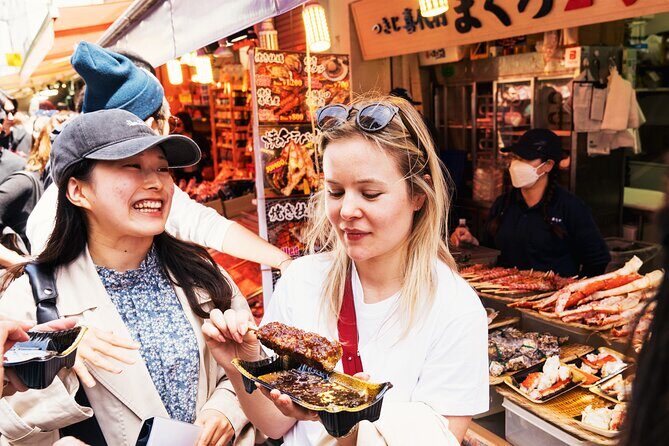
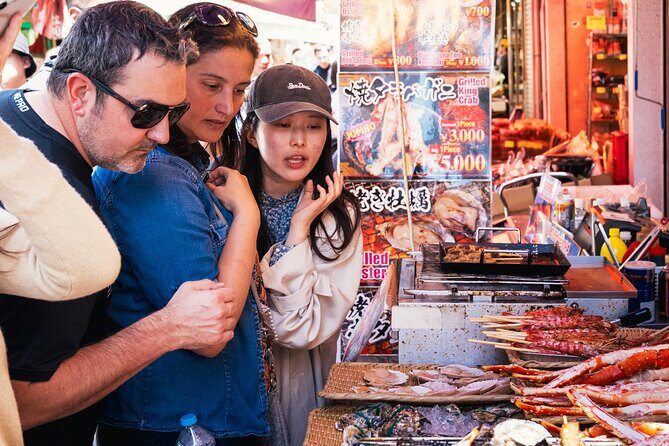
Your tour starts at 築地本願寺本堂3-chōme-15-1 Tsukiji, Chuo City, Tokyo. From there, you head into the Tsukiji Jogai Market, where the energy is practical: people are buying, selling, and eating quickly in between errands. A street-food format works well here because you don’t need a sit-down meal to understand what matters. You get taste first, then context.
What I find most useful is that you’re guided through Japanese food culture in a way that sticks. You’re not just told what you’re eating—you get small lessons on technique and flavor logic. That matters at Tsukiji, because a lot of the difference between good and wow comes down to handling and preparation choices you usually can’t see.
You can also read our reviews of more food & drink experiences in Tokyo
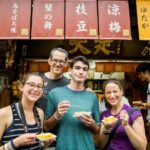

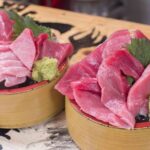
What you’ll eat here (and why it’s a smart intro)
You’ll be tasting as you go, with the tour set providing a mix that reads like a greatest-hits menu:
- Premium sushi or a seafood rice bowl
- Tamagoyaki (sweet omelette)
- Shumai (dumplings)
- Grilled eel
- And a strawberry dessert to end on something light
Even if you’re a sushi veteran, this mix is handy because it prevents “everything tastes the same” syndrome. The sweet-leaning tamagoyaki, the savory-smoky eel, and the pork-forward dumpling notes all shift your palate. That makes the raw seafood portions easier to appreciate, not harder to digest.
Crowd reality check
Tsukiji is famous for being busy. This tour is designed for it—your guide keeps you moving and helps you make choices—so you won’t feel like you’re lost. Still, you should expect narrow lanes and shoulder-to-shoulder moments. If you’re the type who wants wide-open space and leisurely strolling, you’ll probably find this leg more intense than relaxing.
The Fish-Cutting Show: Where Craftsmanship Becomes Flavor
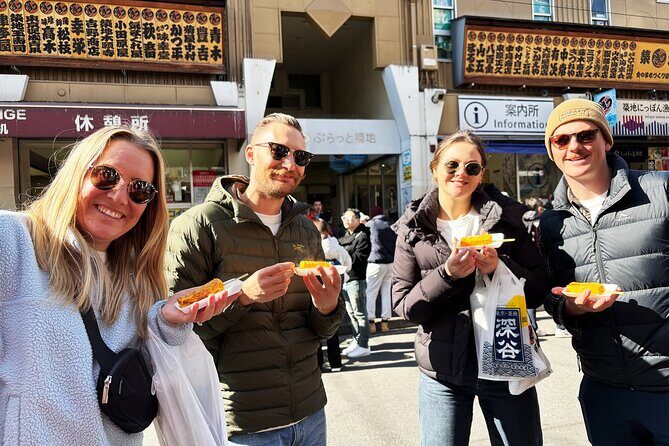
Next you get the standout “watch-and-learn” moment: an exclusive fish-cutting show with a chef who fillets a whole fish using traditional techniques. This stop lasts about 30 minutes, and the admission is included.
This is the part that turns food viewing into food understanding. When you see the process, you start noticing what you’re tasting later: how cuts affect texture, how portions guide seasoning and rice pairing, and why freshness and handling really matter at a market like this.
Why this show is worth your time
The tour doesn’t treat fish cutting like a magic trick. It connects craftsmanship to outcomes—better cuts, better mouthfeel, better balance. That leads you toward a more “chef-brained” way of eating. You’ll likely find yourself eating your next bites slower, because you know what the knife just did.
You’ll also enjoy a fresh seafood bowl afterward. This is a smart pacing choice. You get the explanation in one section, then your first big reward bite right after, so the learning has nowhere to hide.
A few more Tokyo tours and experiences worth a look
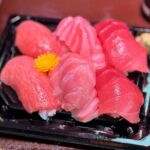


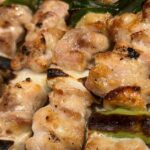

Tsukiji Fish Market Atmosphere: Watching Professionals Work
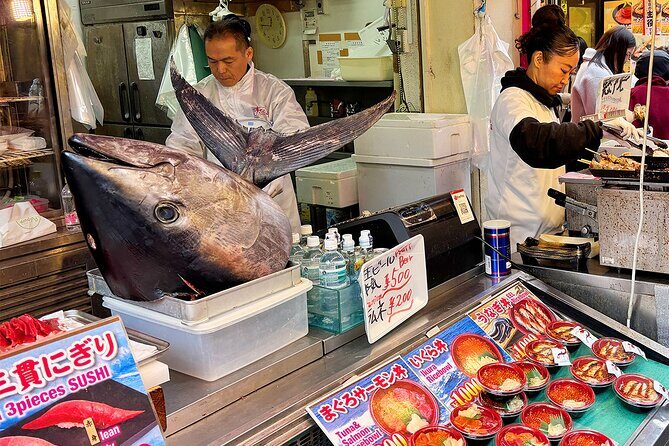
Then you shift to the Tsukiji Fish Market atmosphere for about 30 minutes. This is less about structured tasting and more about being present—seeing how traders operate in a place where speed and precision matter.
Even if you’re mostly here for the food, this portion helps you appreciate why the tastings are so different from what you’d get at a generic restaurant. Market food culture isn’t just “ingredients”; it’s workflow. You’re watching that workflow through the eyes of the market itself.
The practical benefit
If you’ve never toured a real market before, this stop helps you understand what “market” means beyond photos. You’ll see professional movement and practical priorities, and it makes the tastings feel less random. In other words: you’ll stop treating the meals like a menu and start treating them like a story.
Tsukiji Hongwanji Temple: A Short Cultural Pause
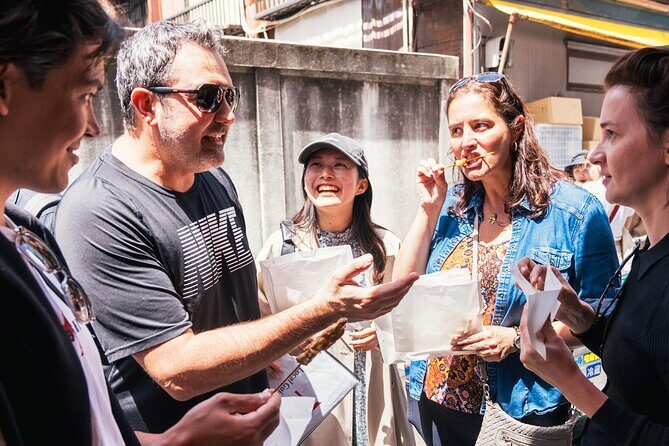
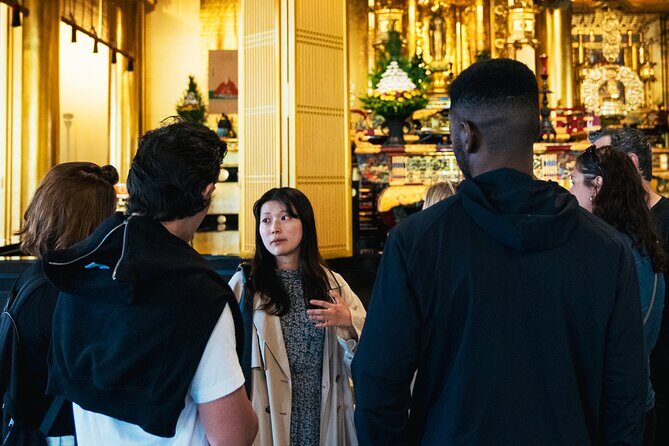
About 15 minutes is set aside for Tsukiji Hongwanji Temple, led by a local guide. This is a calm contrast to the market. You’ll learn about the charm of the site and the culture and history of Buddhism.
This portion is brief, but it works because it resets your senses. After lots of salty seafood, porky dumpling, and savory bites, a quiet cultural stop gives you a mental breath. Also, it gives your day a more rounded Tokyo feel than “food all day, no context.”
The Wasabi Set: Small Portion, Big Difference
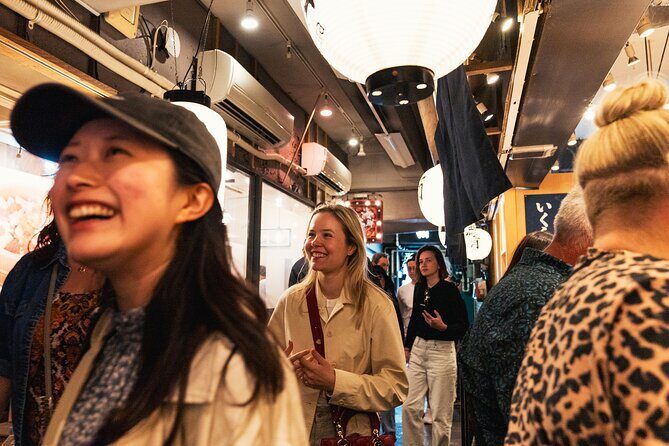
The tour includes a special wasabi set by your guide, and this is one of the most praised details.
Here’s the real value: wasabi isn’t just a condiment. When it’s handled right and it’s fresh, it changes the bite. It can brighten raw fish, lift smoky grilled eel, and keep heavier items like katsu from turning into a single-note experience. It’s the kind of addition that makes you realize why Japanese food culture can feel both precise and forgiving—you add a small thing, and the whole balance adjusts.
One review highlighted how a guide like Tomo used her knowledge to help match what you saw and tasted, including using the wasabi in a way that felt surprising in how good it was with raw seafood. Another noted that a guide such as Kawa helped navigate choices and kept things flexible so you weren’t stuck with one forced option.
I can’t promise which guide you’ll get, but the takeaway you can use is this: ask your guide how they want you to use the wasabi—on its own, mixed, or as a final punch. Guides are there to make sure you get the best pairing, not just the ingredients.
Food List Breakdown: What You’ll Likely Get in Your Tasting Set
The tour’s set list is clear, so you can mentally budget for a variety, not one “big meal.”
Expect some combination of:
- Premium sushi or a seafood rice bowl
- Wagyu beef skewer
- Wagyu menchi katsu
- Tamagoyaki (sweet omelette)
- Grilled eel
- Shumai (dumpling)
- Strawberry dessert
If you’re the kind of eater who wants seafood, you’ll get it. If you’re the kind of eater who also wants land-meat richness, you’ll get that too with the wagyu. This variety is part of why the tour feels like more than a “snack walk.” You’re not just sampling; you’re covering textures—crispy, tender, silky, chewy, and sweet—within a short window.
Who this tasting mix is good for
- If you eat pork and enjoy dumplings, the shumai and menchi katsu will feel like anchors.
- If you like sweet-salty contrast, tamagoyaki and the strawberry dessert keep the meal from going heavy.
- If you want something to feel special, wagyu and the fish-cutting show do that job.
Price and Logistics: Does $97.55 Make Sense?
At $97.55 per person for about 2 hours, the question is value: Are you paying for convenience, or for real content?
You’re paying for a few things at once:
- A structured route through Tsukiji Jogai Market, the fish-cutting show, the fish market atmosphere, and Tsukiji Hongwanji Temple
- A set of multiple tastings (seafood and meat) plus the wasabi set
- A local guide who helps you navigate stalls and explain what you’re eating
- A small group cap of 15 travelers
- A mobile ticket experience
What makes this feel worthwhile is that the tastings aren’t “one bite, thanks bye.” The food set covers several distinct items and is designed to create variety in flavor and texture, plus the show adds education value you don’t get from buying food on your own.
Is it cheaper than walking around and picking your own snacks? Sure. But Tsukiji can be overwhelming, and “guessing” often leads to paying for things you don’t understand how to eat. This tour is built to reduce that guesswork. You trade a bit of flexibility for guidance, and in a crowded market, that trade is usually worth it.
Getting the Most Out of the 2 Hours
To enjoy this tour fully, I’d plan your day with two rules:
- Go hungry enough that you can taste everything without feeling sick.
- Keep your questions ready, especially about how the food gets prepared and how the wasabi should be used.
Also, don’t treat each stop like a museum exhibit. Treat it like a sequence:
1) Street food introduces flavors fast
2) Fish cutting teaches you what to look for
3) Market atmosphere grounds the context
4) Temple gives you a reset
That rhythm is the difference between eating a list and actually understanding what you ate.
Should You Book This Tsukiji Street Food Tasting Tour?
I’d book it if you want a focused Tsukiji experience that mixes food, technique, and culture without turning your day into chaos. The biggest reasons are the fish-cutting show and the wasabi set, plus the structured tastings that go beyond just seafood.
You might skip it if you want total freedom to wander and choose your own foods at your own pace. This tour is guided and timed. In a market like Tsukiji, that’s usually good. But if strict timing makes you cranky, solo exploration may feel better.
If you’re visiting Tokyo and Tsukiji is a “once in your trip” stop, this is a solid way to make it count.
FAQ
How long is the Tsukiji Fish Market street food tour?
It runs for about 2 hours.
How much does the tour cost?
The price is $97.55 per person.
What food tastings are included?
The tour’s set includes premium sushi or a seafood rice bowl, Wagyu beef skewers, Wagyu menchi katsu, tamagoyaki, grilled eel, shumai, and a strawberry dessert, plus a special wasabi set by the guide.
Is there an admission fee included for the fish-cutting show?
Yes. The fish-cutting show stop includes admission.
Where do I meet for the tour?
The meeting point is 築地本願寺本堂3-chōme-15-1 Tsukiji, Chuo City, Tokyo 104-0045, Japan. The tour ends back at the meeting point.
What group size should I expect?
The maximum group size is 15 travelers.
Is the tour ticket mobile-based?
Yes, the tour uses a mobile ticket.
How far in advance should I book?
On average, this tour is booked about 16 days in advance.
Is it easy to take part even if I’m not sure about market walking?
Most travelers can participate, and the tour is described as near public transportation.
What’s the cancellation policy?
You can cancel for a full refund up to 24 hours before the experience’s start time. If you cancel less than 24 hours before, the amount paid is not refunded.