REVIEW · OSAKA
Urban Canvas: Osaka Street Art Bike Tour
Book on GetYourGuide →Operated by InKansai Ltd · Bookable on GetYourGuide
Street art in Osaka feels alive at street level. You bike from Tenma to Juso and Nakazaki-cho with a live English guide, stopping for graffiti and murals you can actually frame and photograph like a pro. I love the way the ride also connects the walls to Osaka’s underground life, not just pretty street scenes.
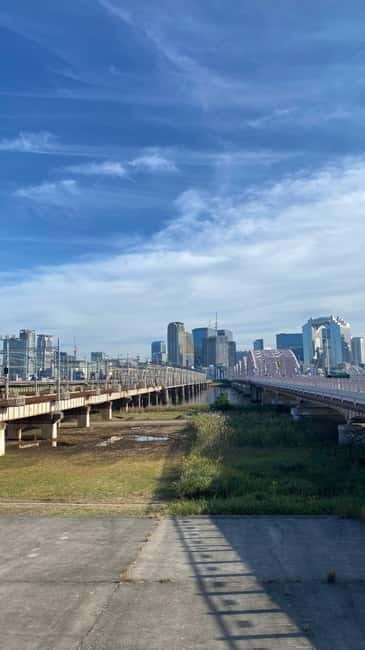
I also love the Yodo River crossing, where modern bridges and neighborhoods shift fast in your view. One drawback: there’s no hotel pickup, so you’ll need to make it on your own to the Tenmabashi meeting spot and be ready for a mostly outdoor ride.
In This Review
- Key points I’d plan around
- Street art on two wheels: Tenma, Juso, Nakazaki-cho, and why it works
- What makes the street art here more than decoration
- Tenma start: hip, gritty streets and your first photo practice
- Crossing into Juso: the Yodo River moment and Osaka’s underground life
- Nakazaki-cho: galleries, boutique energy, and a 100-year-old pizza stop
- How the English guide shapes the whole experience
- Riding rhythm, distance, and what to wear for comfort
- Price and value: is $87 fair for 4.5 hours?
- Who this tour fits best (and who should skip it)
- Small details that matter: weather, smoking rules, and meeting point reality
- Final decision: should you book the Urban Canvas Osaka Street Art Bike Tour?
- FAQ
- How long is the Osaka Street Art Bike Tour?
- Where do I meet the group?
- What does the tour cost?
- What’s included in the price?
- Is hotel pickup or drop-off included?
- Is the tour offered in English?
- Is the tour suitable for children?
- What happens if it’s going to rain?
Key points I’d plan around
- Small group (up to 6) means you can ask questions and still move at a good pace
- Tenma → Juso → Nakazaki-cho gives you three different neighborhood vibes in one loop
- Street art with context: local and international works explained by your guide
- Yodo River architecture views as you cross into the center of Osaka’s street art scene
- Pizza slice in a 100-year-old building and water included to keep the ride practical
- Safe, stop-and-go photo rhythm so you’re not sprinting every time you spot a mural
Street art on two wheels: Tenma, Juso, Nakazaki-cho, and why it works
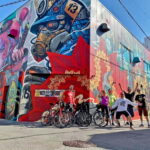
If you’ve only seen Osaka from trains and main boulevards, this tour changes your angle fast. The best part is that you ride through the parts of the city most visitors skip, where art sits right on the street, not behind glass.
You’ll spend about 270 minutes on a bike with a helmet and a real human guide in English. The plan is built for seeing street art up close, learning what you’re looking at, and getting commentary on everyday Osaka life as you pedal through Tenma, cross into Juso, then head toward Nakazaki-cho.
The value for me is how many types of experiences you get without feeling rushed: murals, urban architecture, neighborhood character, and a food stop that’s part of the local texture. And since the group stays small, the ride doesn’t turn into a photo sprint.
You can also read our reviews of more cycling tours in Osaka
What makes the street art here more than decoration
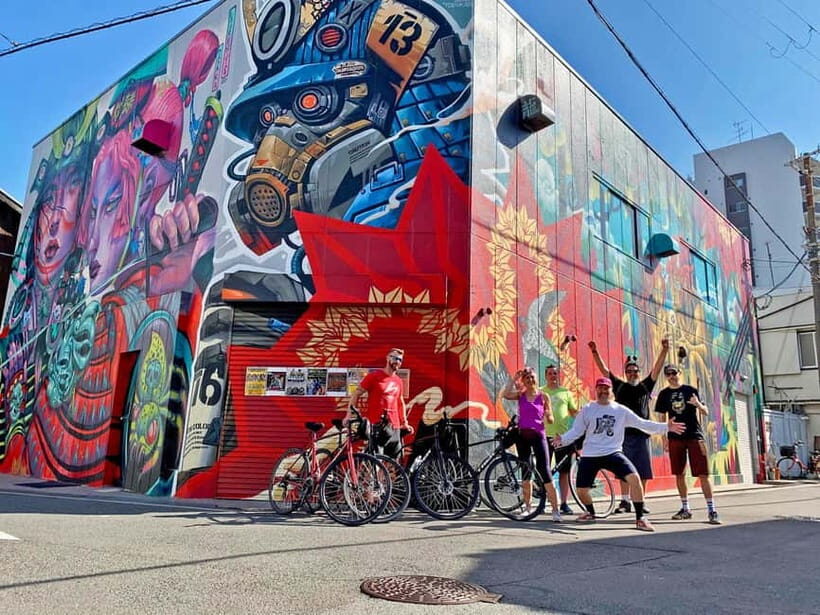
Osaka’s street art scene is expanding, and what I like about this tour is that you don’t just chase walls. Your guide points out how artists—both local and international—use the city’s surfaces as their canvas, and you learn what to notice beyond color and style.
In Tenma and Juso, street art often feels tied to the rhythm of the neighborhood: quick layers of paint, tags, bigger murals, and pieces that feel like they belong to a specific corner. When you’re on a bike, you’re moving at a speed where you can actually connect details—like a recurring theme, a face in a mural, or a piece placed where people naturally slow down.
Nakazaki-cho shifts the mood toward shops and galleries, so your eye gets a chance to reset. It’s not just gritty visuals anymore; it’s a more design-forward lane of Osaka street culture. That contrast is why the route works as a tour instead of just a wander.
Tenma start: hip, gritty streets and your first photo practice
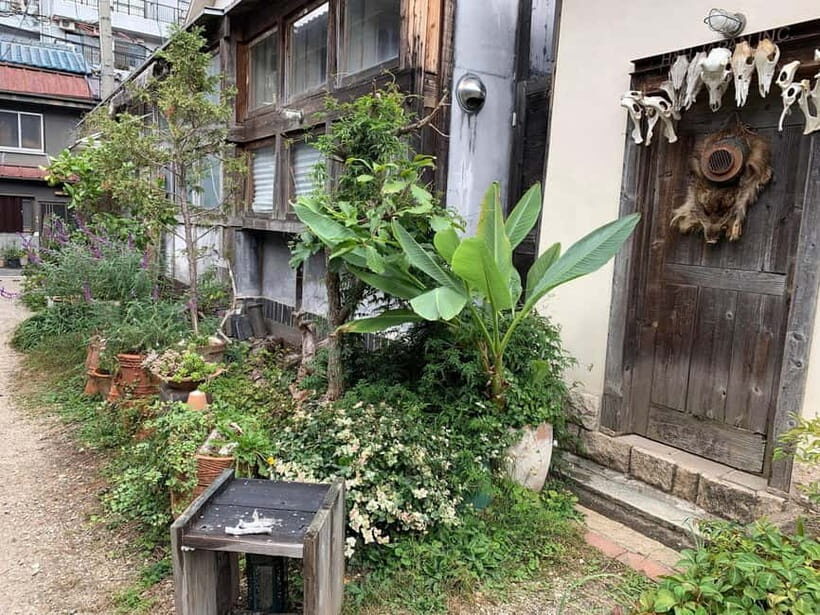
Tenma is where the tour starts to feel real. The neighborhood vibe is hip and gritty, the kind of place where you’ll see street art that doesn’t look staged for tourists. It’s also one of the settings where bikes make sense, because the streets are built for movement and you can slip through without getting stuck in long walks.
You’ll be riding with stops for street art viewing and photographing. This matters because a lot of city art is best taken in small moments—zooming in on a symbol, checking the edges where a mural meets brick, or spotting how layers overlap on the same wall.
A small practical note: street art looks different depending on where the light hits. Bring a camera you’re comfortable using quickly, and don’t be shy about taking several angles of the same work. You’ll have enough time to do that during photo pauses, not just when you’re on the move.
Crossing into Juso: the Yodo River moment and Osaka’s underground life
Then comes one of the coolest “scene changes” of the day: you cross the Yodo River and head into Juso. This is where the tour adds more than just art. The river crossing gives you wide views of urban architecture—bridges, riverside structures, and the sense of scale you only get when you’re not stuck on a sidewalk.
Juso is described as being almost never visited by tourists, and that’s the appeal. You’re in the middle of neighborhood life, and you get guided commentary from a local perspective about the city’s underground life and street art culture. That kind of context helps your brain stop treating murals like random decorations.
You’ll also get moments to pause and reset in Juso, including opportunities to grab specialty coffee and see an old school standing bar style place. Even if you don’t go inside, the stops break up the ride and give you a chance to look at street art like a local would: not sprinting from one “must-see” to the next.
Nakazaki-cho: galleries, boutique energy, and a 100-year-old pizza stop
After the grit of Juso, Nakazaki-cho brings a more hipster enclave feel with boutique shops and galleries. The street art here still matters, but the surrounding environment changes the way the murals read. Instead of feeling like they’re surviving on raw walls, some pieces feel like they’re part of a broader creative district.
This is also where food becomes a proper highlight. You’ll visit a local institution serving pizza slices in a 100-year-old building. That detail is the kind of thing that makes a tour more than “bike + photos,” because you’re eating in a setting with history baked into the walls.
The pizza slice stop is included, along with water, which is a smart setup for a 4.5-hour ride. It also keeps the day grounded. You’ll be tired enough to enjoy it, but not so hungry that you’re forced into whatever is nearest.
One tip: take a quick look around the building before you order. Even if you’re focused on the slice, buildings like this usually have small design cues—doors, stairways, or window shapes—that you’ll remember later.
A few more Osaka tours and experiences worth a look
How the English guide shapes the whole experience
A street art tour lives or dies on the guide. Here, the guide provides live English commentary, and the best thing is that they don’t treat murals like trivia facts. They help you learn how to see: themes, styles, placement, and the connection between street art and Osaka neighborhood life.
The tour also benefits from local insight. You’ll hear commentary about Osaka’s underground life as part of the street art story, and that makes the neighborhoods feel like they have a pulse, not just sights.
In the small group format, you’re more likely to get real answers instead of one-way talking. People have specifically praised guides for taking time with questions about street art and Osaka, and for explaining works clearly enough that you’ll remember what you saw the next day.
If you’re the type who worries you’ll forget the details, do what I recommend: keep a notes app open or carry a tiny notebook. The art details you get today are the kind you’ll want tomorrow when you’re comparing murals across the city.
Riding rhythm, distance, and what to wear for comfort
You’re on a bike for about 270 minutes, and you should dress like you’re doing active sightseeing. Comfortable clothes and comfortable shoes are the big two. Add a camera (or phone with a good camera), and you’re set.
A review detail worth using as a planning guide: the ride is often around 23 km, with a pace that includes safe stops for photographing artworks. That means you will feel the distance, but it’s not a full-on workout ride where you’re white-knuckling the handlebars the whole time.
Also watch your gear choices. Wear shoes you can stand in if you need to park the bike at a stop. Keep your camera strap secure so you’re not fiddling mid-ride.
Finally, bring some patience for Osaka street rhythms. You’re cycling through a maze of train lines, rivers, bridges, graffiti, and modern skylines. That’s part of the magic. It’s also why you should keep your attention on the road and let the guide handle the route.
Price and value: is $87 fair for 4.5 hours?
At $87 per person for about 270 minutes, this tour feels priced for value if you care about street art plus practical local guidance. You get a bike and helmet, a local guide, a pizza slice, and water. Those inclusions matter because they remove add-on costs that can quietly pile up on a walking tour.
More importantly, you’re not paying just for access to street art walls. You’re paying for guidance that helps you interpret what you’re seeing, plus the time structure that gives you photo pauses instead of a rushed loop.
It’s also a small group (limited to 6), which usually means you can ask questions and get answers. That’s a real quality-of-life factor on a multi-hour ride.
The “fairness” test for me is simple: if you want to do street art properly, this gives you a guided way to see more than you’d probably manage on your own in the same amount of time.
Who this tour fits best (and who should skip it)
This is a great match if you like modern Osaka and want the less-visited underbelly: Tenma’s gritty streets, Juso’s street-art-center energy, and Nakazaki-cho’s creative zone feel.
It’s also a good choice if you prefer active sightseeing. You’ll get movement, photo stops, and neighborhood context all in one go.
On the other hand, it’s not suitable for wheelchair users, and it isn’t designed for people with mobility impairments. It’s also not recommended for children under 13, and it’s not suitable for kids under 10.
If you’re only interested in major sights and you dislike cycling through dense urban areas, you might find the format less satisfying than a museum-heavy day.
Small details that matter: weather, smoking rules, and meeting point reality
This tour runs only if conditions cooperate. If the chance of rain is higher than 60% during the tour time, it’s canceled and you’ll be offered a different date or a full refund. Make sure you can be reached, because that matters more than people think.
Smoking isn’t allowed during the tour. Also, it’s an outdoor day, so plan for how the weather will feel on a bike.
And remember the meeting point: it’s a 10-minute walk from Tenmabashi station (Osaka Metro/Keihan Line). There’s no hotel pickup. That’s not a deal breaker, but it does mean you should map your route to the station ahead of time.
Final decision: should you book the Urban Canvas Osaka Street Art Bike Tour?
Book it if you want street art that has context, not just photos. You’ll ride through Tenma, cross into Juso over the Yodo River, and head toward Nakazaki-cho, with an English guide who ties the murals to Osaka street culture and neighborhood life. The included pizza slice in a 100-year-old building is a bonus that makes the day feel grounded.
Skip it if cycling isn’t your thing, if you need hotel pickup, or if you’re traveling with someone who can’t ride comfortably for around 4.5 hours. Also, if you’re traveling with kids under 13, this one isn’t recommended.
If street art is on your Osaka checklist and you’re open to seeing a different side of the city, this is one of those tours where the format itself makes the experience better.
FAQ
How long is the Osaka Street Art Bike Tour?
The duration is 270 minutes.
Where do I meet the group?
The meeting point is 10 minutes on foot from Tenmabashi station (Osaka Metro/Keihan Line).
What does the tour cost?
The price is $87 per person.
What’s included in the price?
It includes the bike, helmet, the bike tour, a local guide, a pizza slice, and water.
Is hotel pickup or drop-off included?
No. Hotel pickup and drop-off are not included.
Is the tour offered in English?
Yes, the live tour guide speaks English.
Is the tour suitable for children?
Children under 13 years are not recommended to participate, and it is not suitable for children under 10 years.
What happens if it’s going to rain?
If the chance of rain is higher than 60% during the tour time, the tour is canceled and you can choose a different date or receive a full refund.