REVIEW · TOKYO
Tokyo:Fuji-Kawagu Cable Car (Ticket Inc.) Shinkurayama&Panos
Book on GetYourGuide →Operated by JRT Group · Bookable on GetYourGuide
Fuji looks closer from a cable car. This Tokyo-to-Fuji day trip strings together the classic views in an efficient route, with big scenery time plus stops that feel very Japanese. You’ll spend your day around Mount Fuji landmarks like Kawaguchiko, Oshino Hakkai, and Niikurayama Asama Park.
I especially like that the Kawaguchiko Panoramic Cable Car ticket is included, so you skip the hassle and get straight to the view. I also love the pairing of Oshino Hakkai’s eight ponds with Niikurayama’s postcard-ready photo spot, which makes the day feel more complete than a single viewpoint tour.
One thing to plan around: it’s a full day with possible queues and traffic on weekends and holidays, and weather can shift timing if the cable car closes.
In This Review
- Key Things That Make This Tour Worth Your Time
- From Tokyo Station to Kawaguchiko: A Simple Start That Saves Energy
- Kawaguchiko Panoramic Cable Car: Fuji Views Without the Sweat
- The Summit Time: What You’ll See Depending on the Season
- Niikurayama Asama Park: The Classic Fuji Photo with Traditional Architecture
- Oshino Hakkai: Japan’s Little Switzerland and Its Eight Ponds
- The Lawson at Mount Fuji: A Quick Photo Stop With Real Snacks
- Bus Rules, Comfort, and What You Should Actually Pack
- Group Size, Guides, and the Pace of the Day
- Weather and Cable Car Changes: The Biggest Variable
- Price and Value: What $44 Buys You (and What It Doesn’t)
- Who Should Book This Mount Fuji Day Trip
- Should You Book It? My Practical Take
- FAQ
- Where is the meeting point for this Mount Fuji day tour?
- What’s included in the tour price?
- Are meals included?
- Is the cable car ticket included?
- What should I bring for the day?
- Is this tour suitable for people afraid of heights or with mobility impairments?
- What languages is the tour offered in?
Key Things That Make This Tour Worth Your Time
- Included panoramic cable car ride means you get Fuji views without hiking up
- Oshino Hakkai’s eight ponds offer a calmer, local-feeling break from pure sightseeing photos
- Niikurayama Asama Park gives you Fuji with traditional architecture in the same frame
- Seasonal scenery at the summit can mean cherry blossoms, fall color, or winter snow, depending on timing
- The Mount Fuji Lawson photo stop is quick, fun, and very Instagram-friendly (with Fuji-limited snacks to buy)
From Tokyo Station to Kawaguchiko: A Simple Start That Saves Energy
The day begins at Tokyo Station, then you’re on an air-conditioned bus headed toward Mount Fuji. This is one of those trips where the logistics matter: getting out of the Tokyo area and into the Fuji region takes time, and a guided transport plan keeps you from fighting trains, buses, and transfers while also trying to time viewpoints.
Along the way, you’ll get countryside scenery as the city fades into lakeside and mountain terrain. The tour is set up to move you from major sight to major sight, so you’re not just killing time in transit—you’re stacking experiences.
If you’re the type who wants to see Fuji without turning the whole day into a transport puzzle, this format makes a lot of sense. Just keep in mind the schedule may flex based on the road and crowd situation.
A few more Tokyo tours and experiences worth a look

Kawaguchiko Panoramic Cable Car: Fuji Views Without the Sweat
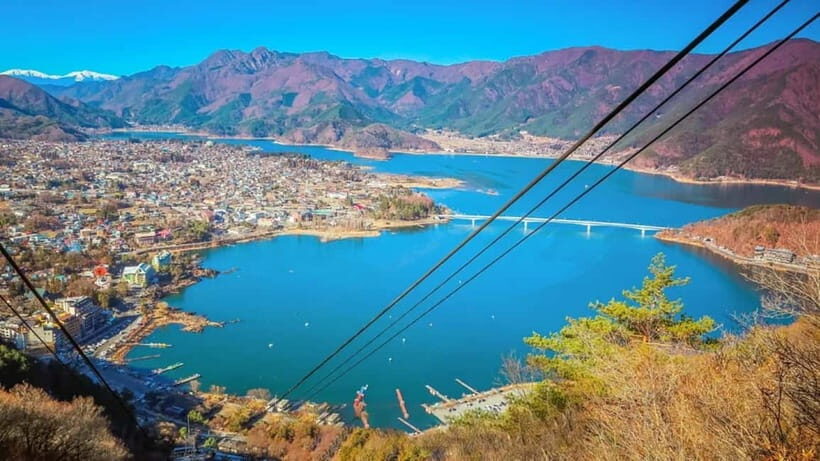
The star of the day is the Kawaguchiko Panoramic Cable Car ride, with your ticket included. You start from the Tenjoyama Park area, then ascend toward the summit for broad views of Mount Fuji and Lake Kawaguchi.
This is the kind of attraction that changes how you feel about Fuji. Instead of thinking about climbing routes or viewpoint schedules, you’re simply transported upward in a steady rhythm, with big windows and frequent sightlines. It’s a very “stand back and take it in” experience.
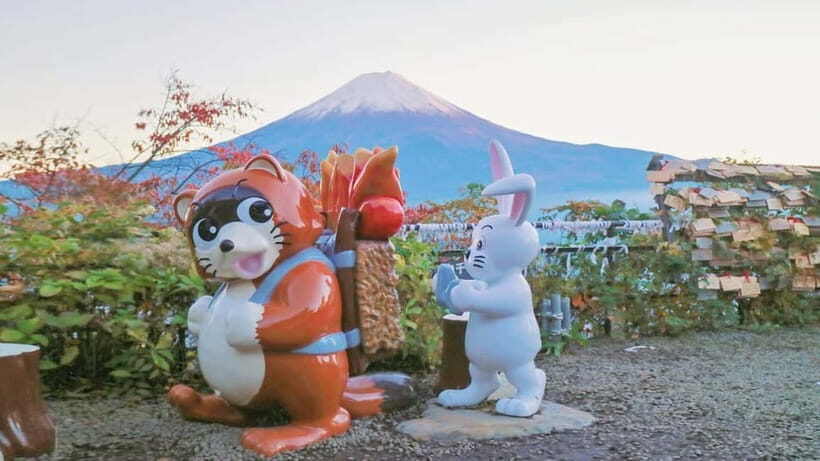
You’ll also notice small details that add charm. At the summit area, there’s a cute rabbit statue that’s tied to happiness and good luck, so it’s not all just scenery—it’s a bit of local character you can photograph and enjoy.
And yes, cable car comfort matters. In feedback I’ve seen, riders often describe the cabins as clean, spacious, and stable, which is reassuring if you’re not a fan of heights. Still, the tour is not suitable for people afraid of heights, so be honest about your comfort level before you book.
Practical tip: plan for queuing. Even if the ride itself is smooth, the cable car area can get busy, and that can affect how long you linger at the top.
The Summit Time: What You’ll See Depending on the Season
One of the smart things about doing Mount Fuji by a cable car is that your “view window” is tied to the summit, not the weather’s mood miles below. Depending on when you go, the scenery can shift from spring blossoms to autumn maples to winter snow.
At the summit, you’re looking for the classic combination: Fuji’s peak plus the valley and lake views spreading out around it. When the weather is clear, you get that iconic look that people travel for. When visibility is limited, you’ll still get the sense of scale from the altitude—even if the peak is less dramatic.
That seasonal variation also affects what you’ll feel like doing when you’re up there. In blossoms or fall color, people naturally slow down to photograph leaves and clouds. In winter, you’ll likely focus on crisp views and the contrast between snow and sky.
This stop is where you should be flexible with your time. If the day runs behind due to crowds or traffic, your guide may adjust how long you can stay at each location, and the cable car line is usually the biggest wildcard.
Niikurayama Asama Park: The Classic Fuji Photo with Traditional Architecture
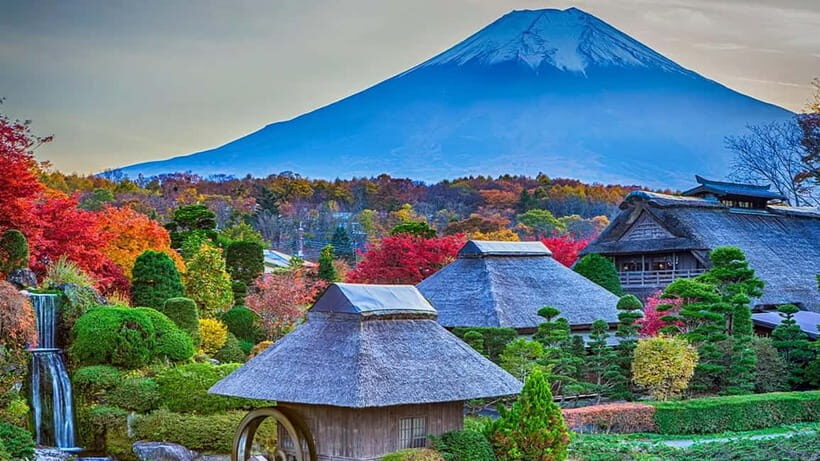
After the cable car, you head to Niikurayama Asama Park, one of the region’s classic postcard spots. This is where Fuji often shows up framed alongside traditional Japanese architecture—an intentional pairing that turns a simple landscape into a cultural image.
If you’ve ever seen Mount Fuji photos where the mountain looks almost “composed” like a painting, this kind of location is why. The park setup helps you aim your camera with less guesswork, because the architecture gives you a built-in foreground and reference point.
This is also a good moment to slow down. The cable car gives you height and wide views; Niikurayama is more about the photo feeling—Fuji as the centerpiece with a human-scale foreground that looks timeless.
Weather still matters here, and crowds can tighten your photo time. If you want your best shot, arrive ready to move quickly and work with what you see, not with an ideal fantasy angle.
Oshino Hakkai: Japan’s Little Switzerland and Its Eight Ponds
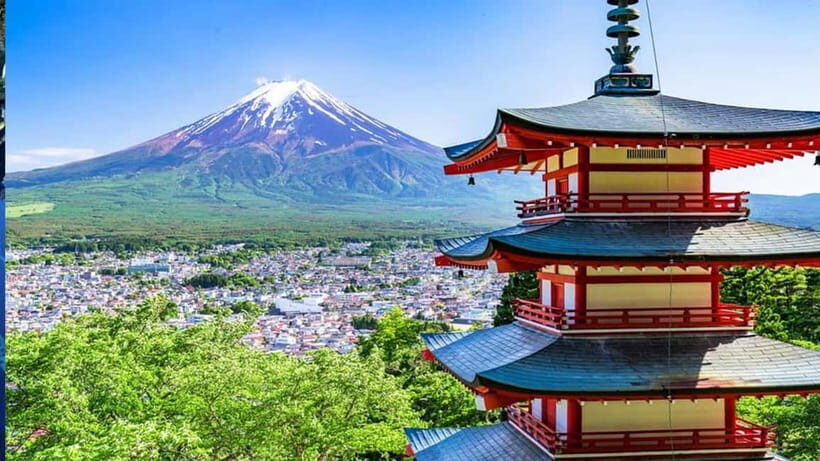
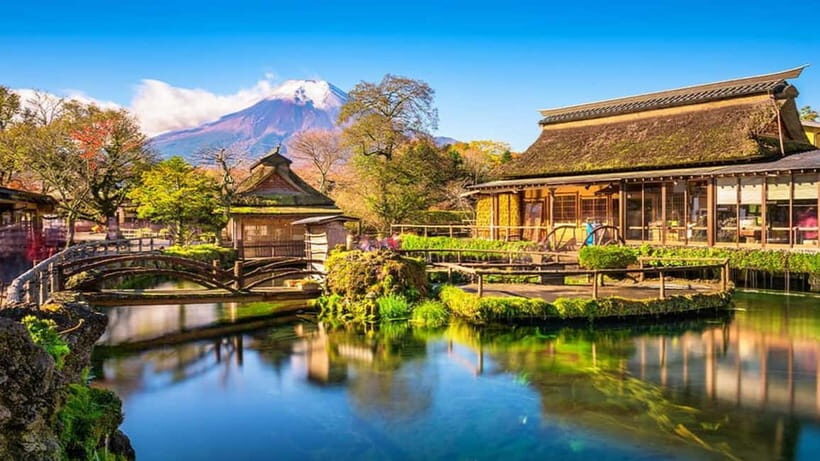
Next comes Oshino Hakkai, often described as Japan’s Little Switzerland, and it earns that comparison. The key draw is the set of eight clear ponds fed by Mount Fuji’s water, with Fuji visible in the distance when conditions allow.
This stop is valuable because it shifts the day from “look up at Fuji” to “look at Fuji in a local setting.” The ponds are calming, and the water clarity creates reflections that feel different from the big vista views you get at the cable car and parks.
You’ll have time to walk around the pond area and also find nearby spots to buy snacks. Traditional shops around here are part of the experience, not just a detour.
One caution: the ponds area can be crowded during peak seasons. You’ll still enjoy it, but your walking pace might depend on foot traffic. If you’re someone who hates crowds, treat this as a slower stop rather than a “racing for photos” moment.
Also, remember the tour does not include meals. That means Oshino Hakkai is one of the places where you may want to snack intentionally rather than assuming lunch will be provided.





The Lawson at Mount Fuji: A Quick Photo Stop With Real Snacks
To wrap the day, there’s a final stop at an Instagram-famous Lawson Convenience Store at Mount Fuji. The idea here is simple: snap the photo with the blue-and-white Lawson logo against the mountain view, then grab Fuji-limited snacks and drinks if you want a fun souvenir-food moment.
This isn’t a “must-eat” stop, but it is a fun cultural moment. Convenience stores in Japan are usually great for quick, reliable treats, and the Mount Fuji version turns it into a photo experience.
Because meals and drinks aren’t included, this stop can also help you avoid ending the day hungry. That said, you should still keep your budget and timing in mind. You may find you’ll want to snack earlier too, since you’re not meant to eat inside the bus.
Bus Rules, Comfort, and What You Should Actually Pack
This tour runs on an air-conditioned vehicle, but there’s a clear rule: no eating or drinking in the vehicle. If you spill or stain things, cleaning fees may apply, so treat the bus like a tidy space even if everyone’s in a relaxed mood.
Bring comfortable shoes and a jacket, even if it looks mild when you leave Tokyo. Mount Fuji areas can feel cooler, especially once you’re at higher elevations or dealing with wind.
Cash is also recommended. That matters because you’ll want to buy snacks and drinks at Oshino Hakkai and pick up Fuji-limited items at Lawson.
If you’re hoping to store lots of luggage, plan ahead too. Luggage can involve extra fees, so mention what you’re carrying before the day.
Group Size, Guides, and the Pace of the Day
The format is a small-group setup where the driver may also act as the guide. That can be great for keeping things organized, but it also means the English commentary may be limited, and there may be no commentary while the bus is moving. Multilingual support is described as available for international guests, but it’s not positioned as a single-language deep lecture.
In feedback I’ve seen, guides like Lee and Vivi can really bring the day to life with local context and energetic explanations. Even if the big moments do the heavy lifting (cable car, ponds, park photos), good guidance makes the ride and walking time smoother.
The pace is “classic tour day”: you’ll see the must-see Fuji sites, but you won’t have endless free time at each stop. The order and duration can shift depending on traffic, and weekend congestion can stretch lines at viewpoints and cable car access.
If you like slow travel, you might find the schedule a bit tight. If you want to hit the highlights without planning a thing, this is built for you.
Weather and Cable Car Changes: The Biggest Variable
Mount Fuji days are weather days. If the cable car closes, timing shifts to other spots, and the guide adjusts the plan. Cable cars also require queuing, which can create delays even in decent weather.
The key thing for you is mindset: build your day around flexibility. Don’t schedule time-sensitive plans immediately after returning to Tokyo.
If you’re traveling during flower or foliage season, remember that timing depends on weather, and timing changes usually don’t come with refunds. Plan as if nature will set the exact visuals.
Price and Value: What $44 Buys You (and What It Doesn’t)
At around $44 per person, the tour is priced as a value-day, especially because it includes transportation and the panoramic cable car ticket. When you compare that to the cost of getting from Tokyo to Fuji and paying for the lift separately, the math often looks sensible.
What’s not included is just as important: meals and drinks aren’t covered. You’ll want to snack strategically at Oshino Hakkai and at the Lawson stop, and you’ll also want to buy water or other drinks as needed.
You’re also not paying for personal travel or accident insurance, so if you rely on insurance for peace of mind, arrange it separately.
Overall, this is a good value if your goal is to see the iconic Fuji spots in one day with less planning stress. It’s less ideal if you want long unstructured time at each location or you need accommodations for mobility, heights, or health constraints.
Who Should Book This Mount Fuji Day Trip
You’ll likely love this tour if you:
- want a one-day Fuji highlight route from Tokyo
- like viewpoints more than long hikes
- enjoy photo stops that combine Fuji with culture (like Niikurayama’s architecture)
- want both wide scenery and a calmer walk at Oshino Hakkai
You should think twice if you:
- fear heights (the cable car is central to the plan)
- need wheelchair access or have mobility impairments (the tour is not suitable for wheelchair users)
- are pregnant (the tour is not suitable for pregnant women)
- want a slow pace or a long meal break (meals aren’t included)
Age matters too. The tour is not positioned for people over 70 years, so check comfort and stamina before booking.
Should You Book It? My Practical Take
If your Mount Fuji goal is seeing the classic sights without spending days planning, this tour is a solid pick. The included panoramic cable car ticket is the biggest value piece, and the itinerary hits the major “photo + place” points that people go to the Fuji region for.
I’d book it if you can handle crowds and queues and you’re okay with a packed schedule. I wouldn’t book it if you need lots of mobility support, hate heights, or want meals included in the price.
The best way to make it work for you is to come prepared with comfort gear, a snack budget, and flexibility for weather and line-ups. If you do that, this is exactly the kind of day trip that leaves you with photos you’ll actually use.
FAQ
Where is the meeting point for this Mount Fuji day tour?
The start is at Tokyo Station. The exact meeting point can vary depending on the option you booked, but the day ends back at the meeting point.
What’s included in the tour price?
The tour includes transportation in an air-conditioned vehicle, a tour guide, a driver, and the panoramic cable car ticket.
Are meals included?
No. Meals and drinks are not included, so you’ll want to plan for snacks and purchases during the stops.
Is the cable car ticket included?
Yes. The Kawaguchiko Panoramic Cable Car ticket is included in the tour.
What should I bring for the day?
Bring comfortable shoes, a jacket, comfortable clothes, and cash. You may also want a plan for snacks and drinks since they’re not included.
Is this tour suitable for people afraid of heights or with mobility impairments?
No. The tour is not suitable for people afraid of heights, wheelchair users, or people with mobility impairments.
What languages is the tour offered in?
The tour is offered in Chinese and English.