REVIEW · TOKYO
1-Day Mt Fuji and Hakone Sightseeing trip from Tokyo
Book on GetYourGuide →Operated by Joyful Japan Tours · Bookable on GetYourGuide
Fuji in one day is serious business. This private Mount Fuji and Hakone day tour is built for big views and smooth pacing, with a luxury car, photo stops, and an English-ready guide who keeps the day moving.
I especially like the combo of Lake Kawaguchi boat cruise time and the chance to frame Fuji at classic photo spots like Chureito Pagoda. The second thing I really like is the human part: an English-speaking guide (and sometimes Hindi or Japanese) plus hands-on help for pictures.
One possible drawback: weather can turn Fuji days into mostly clouds, and a few past departures show that guide communication and pickup timing can vary, so you’ll want to be flexible.
In This Review
- Key things to know before you go
- Entering The Fuji-and-Hakone Day With Convenient Tokyo-Area Pickup
- Lake Kawaguchi: Boat Cruise Time and Lunch With Fuji Chances
- Chureito Pagoda Photo Stop: The One-Hour Walk That Helps You Catch the Iconic View
- Oishi Park Shopping and Sightseeing: A Short Break With Local Rhythm
- Owakudani Valley: Volcano Heat, Steamy Atmosphere, and a Real Hakone Feel
- Hakone Shrine: Closing the Day With Culture After the Heat and Steam
- The Luxury Car, the Real Work of the Guide, and How Photos Get Better
- Price and Value: When $322 Per Group Actually Makes Sense
- Weather Reality: Plan for Clouds, Rain, and a Different Kind of Day
- Who This Day Trip Fits Best (and Who Might Want Something Else)
- Should You Book This 1-Day Mount Fuji and Hakone Tour?
- FAQ
- What are the pickup locations?
- Where can the tour drop you off?
- Is this tour private?
- How long is the trip?
- What languages does the guide speak?
- What’s included, and what extra costs should I expect?
- Is the tour wheelchair accessible, and what should I bring?
Key things to know before you go
- Private group, up to 6 people: quieter, easier conversation, and less time lost to waiting.
- Multiple pickup options: Tokyo, Chiba, or Yokohama make it simpler to start where you’re already staying.
- Lake Kawaguchi includes boat cruise: you’re not just standing around for photos.
- Classic Fuji framing stops: Chureito Pagoda and Oishi Park give you more than one angle.
- Hakone added for variety: Owakudani Valley heat and Hakone Shrine culture break up the day.
- Photography is included: you can focus on seeing, not constantly asking someone else to shoot.
Entering The Fuji-and-Hakone Day With Convenient Tokyo-Area Pickup
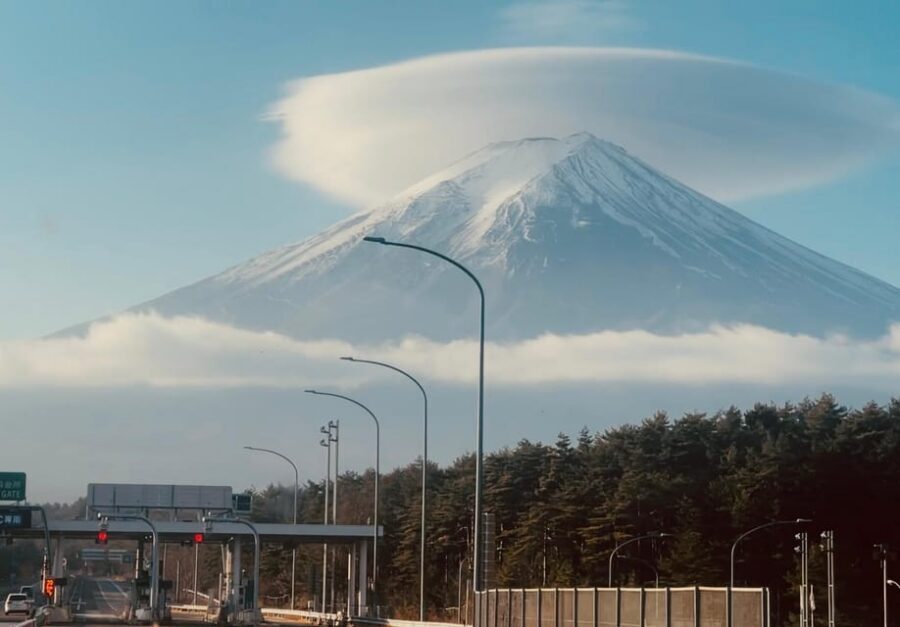
This is a one-day trip designed to take the friction out of getting out of Tokyo. You get three pickup options—Tokyo, Chiba, and Yokohama—and three drop-off locations that match. That matters if you’re trying to protect your morning and avoid extra transfers.
The trip runs as a private group (priced per group up to 6). In practice, that’s a big deal. You can ask questions without shouting over a bus full of people, and you can usually adjust your pace a bit—walk slower at a photo stop, or linger when the view is decent.
There’s also a good guide-language mix listed: English, Hindi, and Japanese. In past outings tied to this experience, names like Sarmad, Haroon, and Malik have been credited for making the day run smoothly, helping with photos, and handling requests. That’s not a promise for every departure, but it does suggest the operator tries to match the day to real people, not just a script.
A few more Tokyo tours and experiences worth a look



Lake Kawaguchi: Boat Cruise Time and Lunch With Fuji Chances
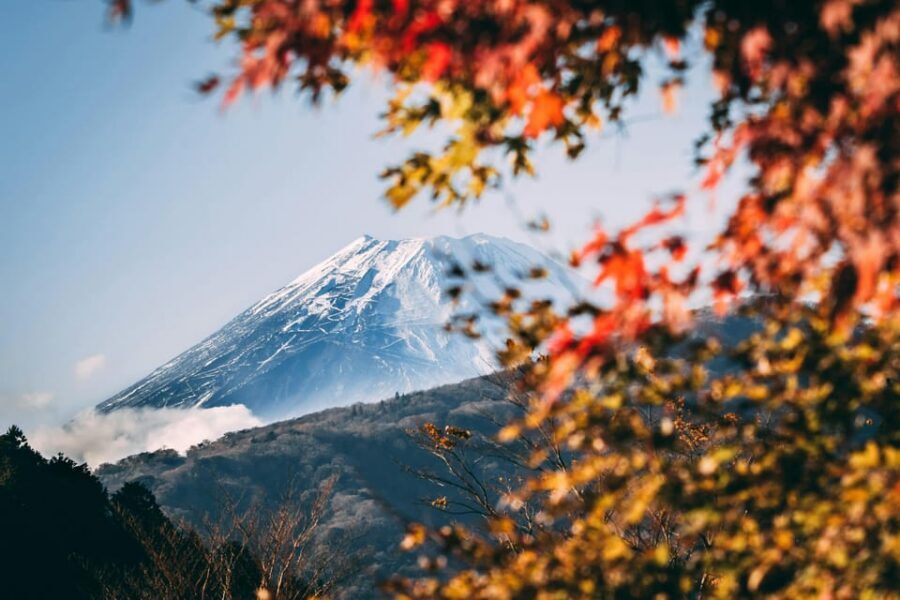
Lake Kawaguchi is the heart of the Fuji side of the day. You’ll spend about two hours total here, which is enough to do three practical things: see the lake views, get lunch, and take a boat cruise.
Why I like this stop for your first Fuji experience: a boat gives you a different sense of the waterline and shoreline than you get on land. It also buys you a little variety. If you show up and Fuji is shy behind cloud, at least you still get a calm, scenic segment that doesn’t feel like a rushed photo grab.
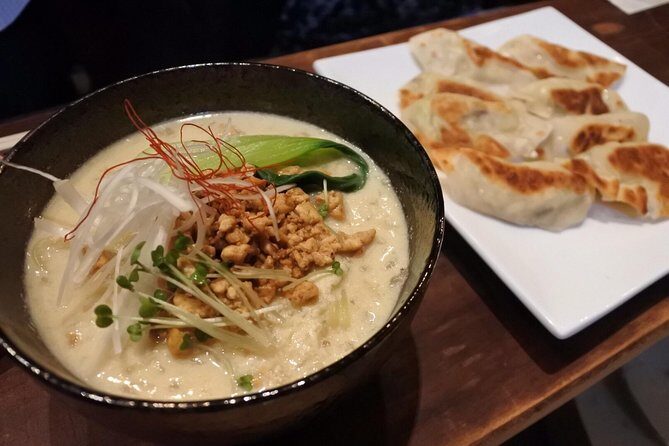
Lunch is included as part of the time on the lake. That’s a smart design choice for travelers who don’t want to spend your precious Fuji hours hunting for food and then losing the timing. Still, keep your expectations flexible: if the weather is rough, you may spend more time inside, under covered areas, or move your photo priorities.
Chureito Pagoda Photo Stop: The One-Hour Walk That Helps You Catch the Iconic View
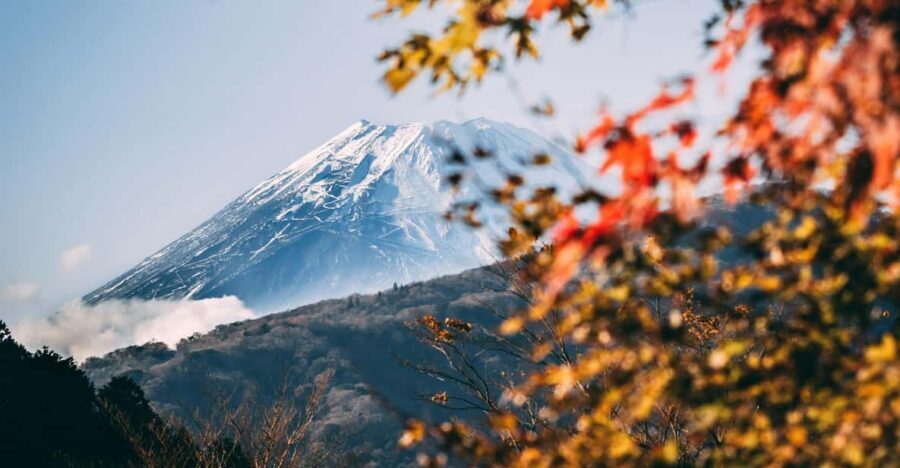
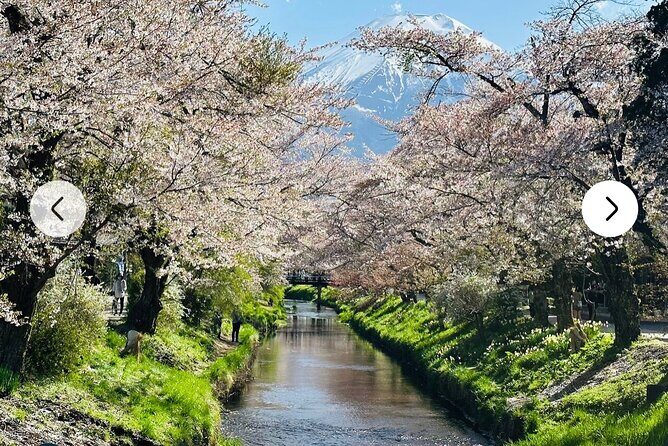
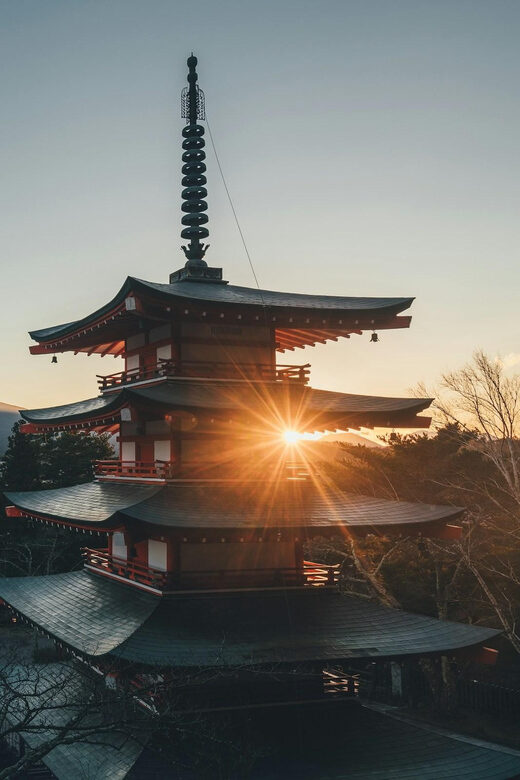
After the lake, you shift to Chureito Pagoda, with about one hour for a photo stop, walking, and sightseeing. This is the kind of place where small timing and weather differences change everything. When the air is clear, you get that classic Fuji-and-pagoda framing. When it’s not, you’ll mostly work with angles, textures, and the surrounding feel.
I recommend you use this hour like a checklist:
- Start with the main photo framing.
- Take a few steps along the walkways for alternate angles.
- Don’t over-plan your shots. Give yourself time to simply look.
Because the day is private, you should be able to ask your guide about where to stand for the best angle at that moment. If visibility is low, the guide’s job becomes even more important: quick adjustments beat stubborn standing.
Oishi Park Shopping and Sightseeing: A Short Break With Local Rhythm
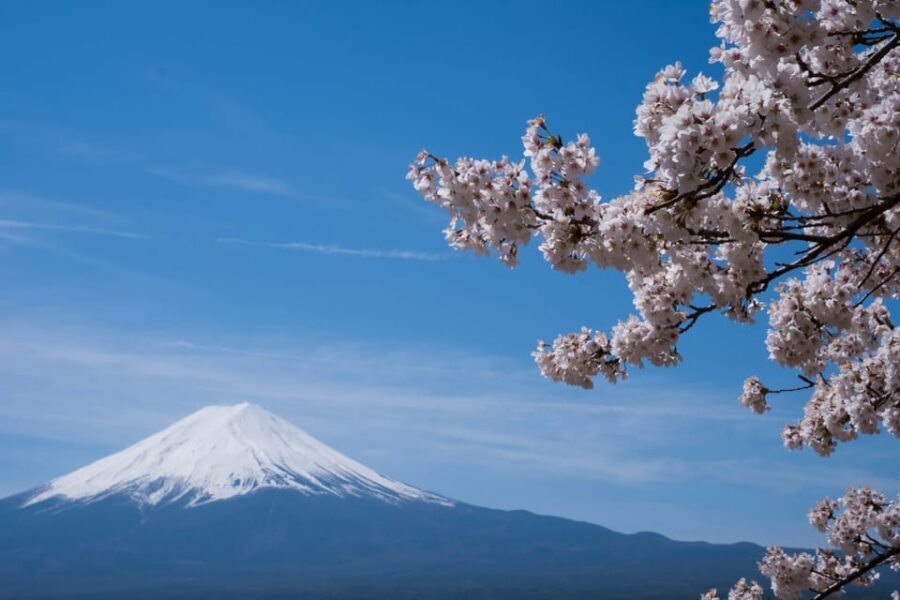
Next is Oishi Park for another one hour, with sightseeing and shopping time. This is a useful stop even if Fuji is partly hidden. Why? Parks like this give you breathing room from the “photo stop sprint” feeling. You can slow down, look outward, and treat the day like a journey rather than a series of locations.
The shopping element is brief, so don’t plan a marathon. Instead, think of it as a chance to pick up small Fuji-area snacks or souvenirs without building in extra time.
In weather that isn’t ideal, Oishi Park can still work because it gives you a mix: viewpoint moments plus strolling. In contrast, tightly scheduled stops can feel frustrating when the view won’t cooperate.
Owakudani Valley: Volcano Heat, Steamy Atmosphere, and a Real Hakone Feel
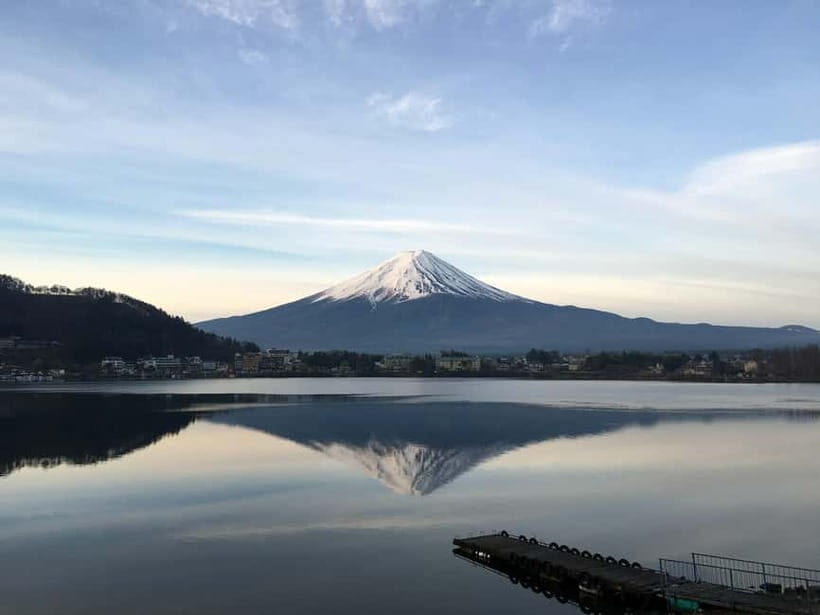
Then comes the Hakone side, starting with Owakudani Valley for about one hour. This is the stop that changes the mood. Instead of classic Fuji framing, you get the volcanic character of the Hakone area—steam, dramatic terrain, and the kind of place that feels like it belongs in a geography lesson.
One practical point: time here is short. One hour is enough for a loop and key viewpoints, but you won’t have a long sit-down experience. If you love walking and taking photos, you’ll feel the pace quickly. If you prefer slow travel, use this time well: pick two or three viewpoints and don’t try to do everything.






Hakone Shrine: Closing the Day With Culture After the Heat and Steam
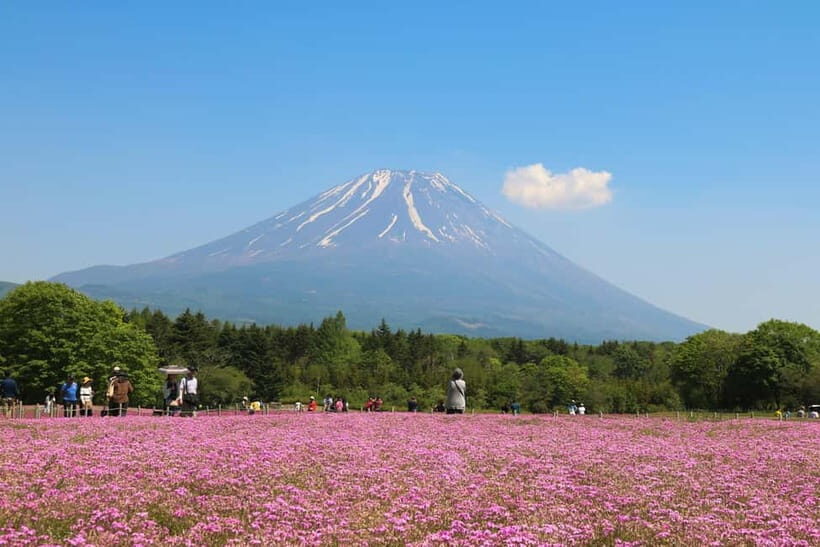
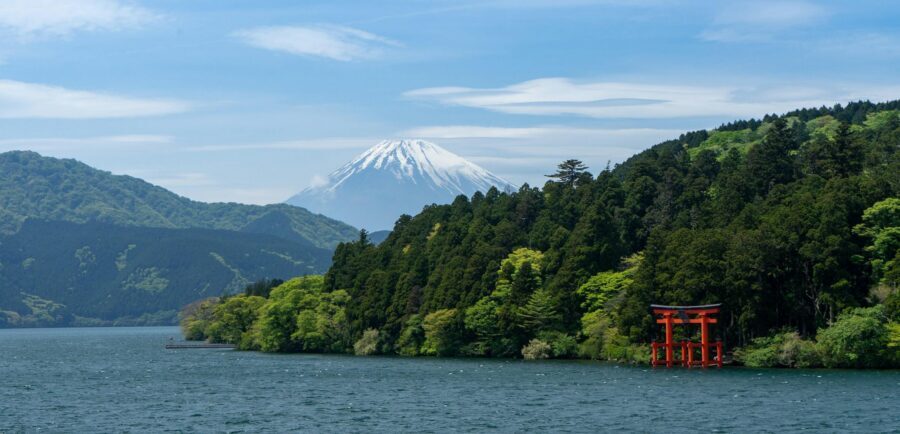
Your final major stop is Hakone Shrine, also around one hour. This is where the day shifts again: you’re moving from volcanic intensity to a more cultural, spiritual setting. Even if you’re not deep into shrine etiquette, you’ll probably enjoy it as a reset—less running, more quiet looking.
This stop also helps the day feel complete. Fuji and Hakone can each feel like a “single concept” day. Adding Hakone Shrine gives you a second flavor so the day doesn’t blur into only views and photos.
The Luxury Car, the Real Work of the Guide, and How Photos Get Better
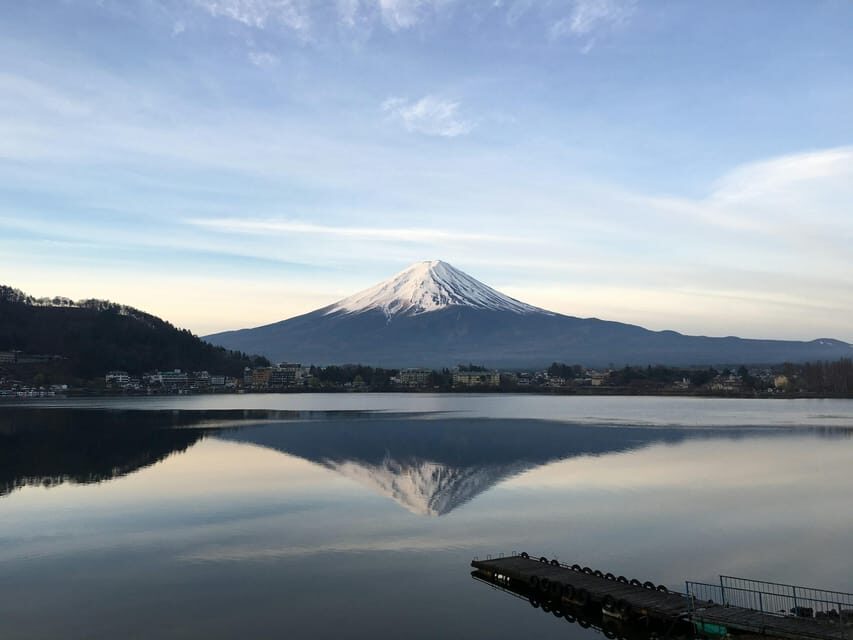
The vehicle and guide setup is a big part of whether this day feels like a smooth highlight or a stressful chore. The plan includes a luxury car and drive between spots, plus sightseeing support and photography coverage.
Here’s what matters to you:
- Timing: some past departures report pickup delays and short explanations. If that happens, ask quick questions early so you don’t lose the day to confusion.
- Communication: guide English ability is listed as strong, but actual delivery can vary. If you want your day to be photo-focused, ask your guide what they recommend when you first get in the car.
- Photo help: photography is included, and guide help can make a difference at high-demand spots like Chureito Pagoda and viewpoints around Lake Kawaguchi.
On the positive side, some named guides like Sarmad and Haroon have been described as helpful with picture-taking, recommendations, and accommodating extra time when asked. That kind of responsiveness is exactly what makes a private day trip feel worth it.
Price and Value: When $322 Per Group Actually Makes Sense
The price listed is $322 per group up to 6. That sounds simple, but you should think of it as a math problem plus convenience value.
If you split it among:
- 2 people, it’s pricey per person.
- 4 people, it starts to feel more reasonable.
- 6 people, it’s one of those rare times a private day feels genuinely practical.
Then add the value stack:
- You’re paying for round-trip logistics from Tokyo-area locations.
- You’re paying for an English-speaking guide and photography support.
- You’re paying for a vehicle that moves you between Fuji and Hakone without you figuring out trains, transfers, and schedules.
So who gets the best value? Families, friend groups, and anyone who wants to avoid stress and keep their day efficient. If you’re traveling solo, you may find the per-person cost harder to swallow compared to shared tours.
Also watch for the one clearly stated extra: the Mount Fuji 5th Station entrance fee (2,100 yen) is not included. Your route may or may not involve that area, but if it does, you’ll want cash or a card ready for that add-on.
Weather Reality: Plan for Clouds, Rain, and a Different Kind of Day
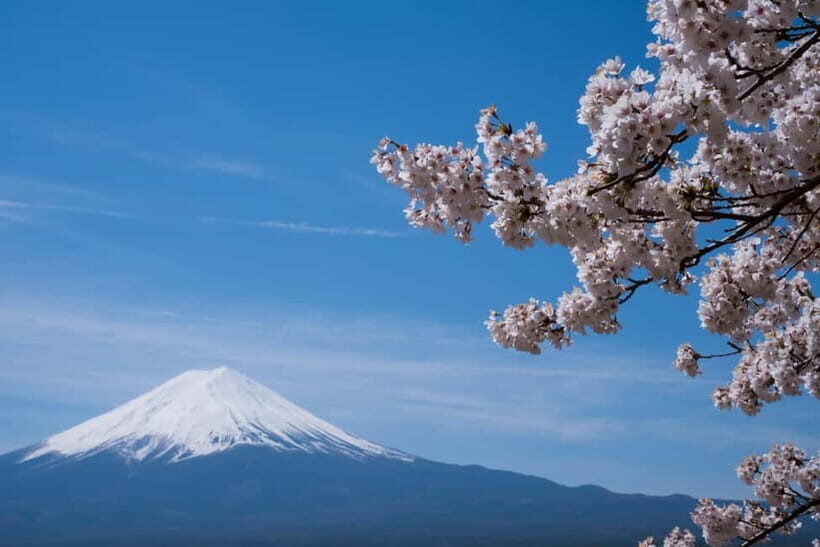
Mount Fuji is famous for being dramatic. It’s also famous for refusing to show itself on schedule. The tour experience will live or die by visibility.
Here’s the practical takeaway from real-world situations connected with this kind of day trip:
- If weather turns into heavy rain, you may see less of Fuji even with perfect planning.
- Safety and comfort come first. One account described a situation with extreme weather where the driver suggested adjusting plans rather than forcing sightseeing that wouldn’t work.
My advice: keep the day flexible. Decide ahead of time what would still make it a win. For example, a boat cruise on Lake Kawaguchi and volcanic views at Owakudani can still be enjoyable even if Fuji is mostly covered.
A good checklist to protect your day:
- Bring a face mask or protective covering (listed as required to bring).
- Pack a light rain layer even if the forecast looks fine.
- Keep one budget buffer in case visibility is poor and you want simpler, shorter stops.
Who This Day Trip Fits Best (and Who Might Want Something Else)
This tour fits you best if:
- You want maximum payoff in one day without DIY logistics.
- You’re traveling with a group up to 6 and want the calm of a private setup.
- You care about photography and want help at classic Fuji spots.
- You like variety: lake views, pagoda photos, park strolling, volcano energy, and a shrine stop.
You might want to think twice if:
- You’re highly sensitive to weather disruption and need Fuji views at all costs.
- You expect long, deep history lectures at every stop. The day is built for sightseeing time, not long classroom-style explanations.
- Your group size is larger than the “up to 6” model. One past situation flagged vehicle comfort issues when the group didn’t match the expected capacity.
Should You Book This 1-Day Mount Fuji and Hakone Tour?
I’d book it if you’re planning a first-timer Fuji/Hakone day and you want the route handled for you. The strongest reasons are practical: private-group convenience, time on Lake Kawaguchi with a boat cruise, multiple well-known Fuji framing areas, and a solid second half in Hakone with Owakudani and Hakone Shrine.
But I wouldn’t treat it like a guaranteed Fuji visibility plan. If your heart is set on crystal-clear mountain views, you’ll want backup expectations for clouds and rain.
If you go in with flexibility and use the guide’s photo help early, this kind of day trip can feel like a greatest-hits package without the hassle.
FAQ
What are the pickup locations?
You can choose pickup from Tokyo, Chiba, or Yokohama.
Where can the tour drop you off?
Drop-off is available at Yokohama, Tokyo, or Chiba.
Is this tour private?
Yes. It runs as a private group, priced for a group of up to 6 people.
How long is the trip?
It’s valid for 1 day, and you’ll need to check availability for the starting times.
What languages does the guide speak?
The live guide speaks English, Hindi, and Japanese.
What’s included, and what extra costs should I expect?
Included are sightseeing, a luxury car, driving between places, a good English-speaking guide, and photography. Not included is the Mount Fuji 5th Station entrance fee (2,100 yen), and airport pick-ups.
Is the tour wheelchair accessible, and what should I bring?
It is listed as wheelchair accessible. You should bring a face mask or protective covering.