REVIEW · TOKYO
Akihabara Otaku Group Tour
Book on GetYourGuide →Operated by Flip K.K. · Bookable on GetYourGuide
Akihabara is Tokyo at full volume. This 5-hour small-group walk turns the district into a guided hunt for anime merch, retro games, and arcade culture, with an English-speaking guide keeping you on track.
What I like most is the combination of real shopping time and a guide who can explain not just what to buy, but how otaku culture fits into everyday Japan. The second big win for me is the route mix: big-name stores plus tucked-away spots, ending with time at a major souvenir shop. You’ll spend less time wandering randomly and more time finding the right shelf.
One thing to consider: shopping and lunch aren’t included, so if you’re not planning to buy anything, you may feel the cost is harder to justify. It’s still fun for browsing, but this tour is strongest if you come with at least some shopping intentions.
In This Review
- Key things I’d focus on before you go
- Akihabara starts at Cow Cow Kitchen, then the rhythm kicks in
- How the tour handles anime, manga, and retro game shopping (the part you’ll actually feel)
- The arcade time: try games, compare notes, and feel the culture
- Breaks that keep you from burning out: café and bakery stop
- Secret stop and a photo stop: Akihabara beyond the obvious storefronts
- The guide matters most: Leon’s Japan context, not just product tips
- Shopping strategy: how to get better value without regret
- Price and value for about $103 for 5 hours
- Who this tour fits best (and who should skip it)
- Book it or pass: my straight answer
- FAQ
- Where does the Akihabara Otaku Group Tour start and end?
- How long is the tour?
- What language is the live guide?
- How big is the group?
- Is there a group minimum?
- What is included in the price?
- Can I cancel for free?
Key things I’d focus on before you go

- Meet at Tokyo Milk Cheese Factory Cow Cow Kitchen (Atre Akihabara 1)
- 3+ game and retro stores, including smaller shops
- Arcade time built into the experience, not just store photos
- Breaks planned into the route (café and bakery stop)
- A secret stop plus a photo stop to reach less-obvious corners
- Leon’s style: friendly, attentive, and happy to work around your interests
Akihabara starts at Cow Cow Kitchen, then the rhythm kicks in
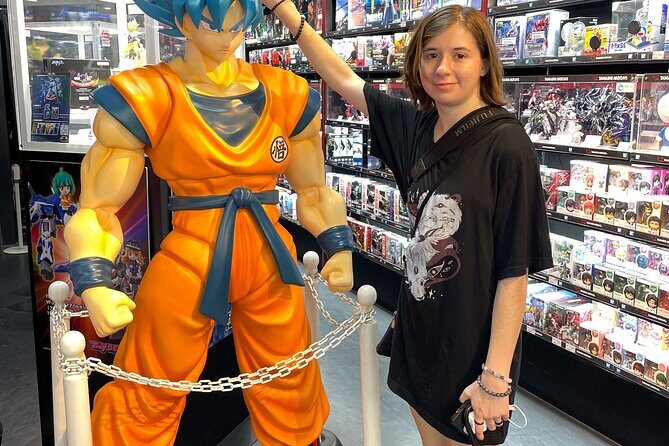
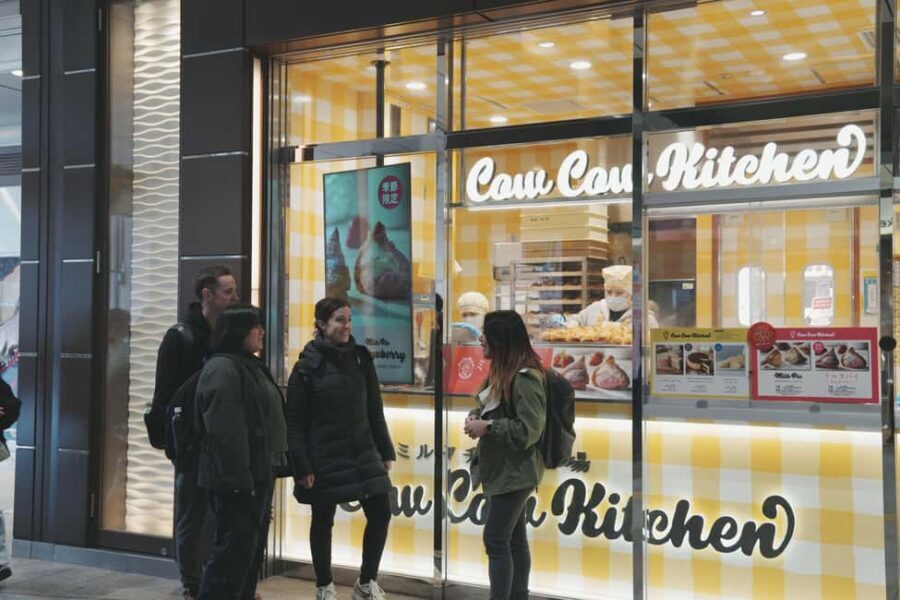
Your tour begins at the Tokyo Milk Cheese Factory Cow Cow Kitchen in Atre Akihabara 1. That matters more than it sounds. Starting inside a recognizable landmark area helps you avoid that first 20 minutes of “Where do we meet?” chaos, and it puts you in the thick of Akihabara quickly.
From the start, the pacing is built around short blocks of walking and “what to look for here” moments. You’re not just shown shops like a slideshow. You’re given time to move through aisles, check price tags, and compare options aisle-to-aisle. For Akihabara, that’s the whole game: tiny choices add up fast.
The tour also keeps the group small. Limited to 10 participants, it’s easier to hear your guide, easier to ask questions, and easier to split up for quick browsing when you need it. You’re not fighting a crowd just to read a sign.
You can also read our reviews of more tours and experiences in Tokyo.



How the tour handles anime, manga, and retro game shopping (the part you’ll actually feel)
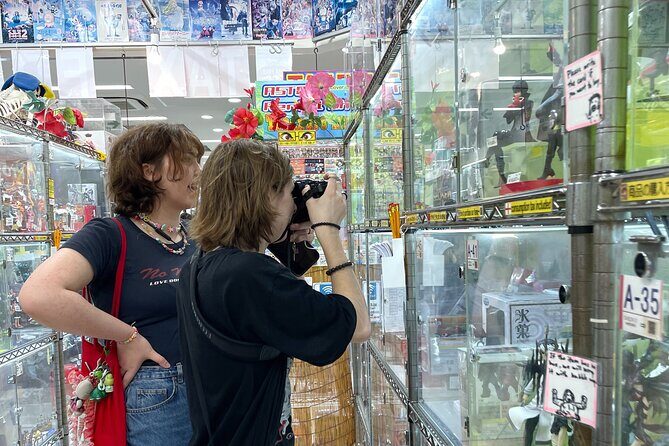
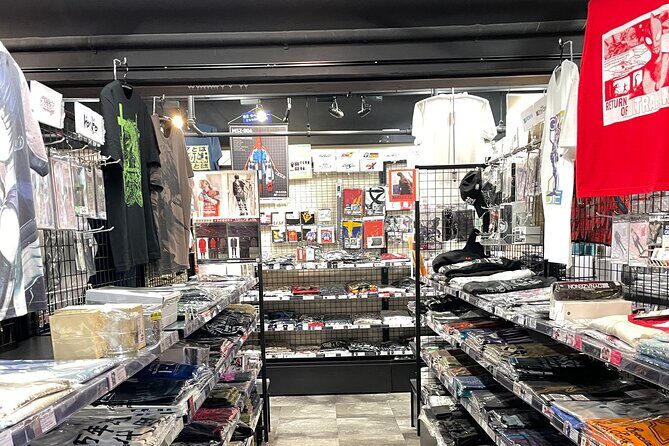
This experience is set up around shopping that makes sense in Akihabara, not shopping that forces you to “buy because it’s part of the tour.” Expect several store stops where you can check out merch for anime and manga and dig into game collections, including retro finds.
Here’s how that translates into a good experience for you:
- You get structure. Without a guide, it’s easy to bounce between stores that look similar from the outside.
- You get translation help in the places that matter: product categories, collector sections, and signs that explain condition, editions, or themes.
- You get shopping guidance aimed at the kinds of items people actually want—figures, printed collectibles, and game-related souvenirs.
A standout part is the blend of well-known spots and smaller, tucked-away shops. The big stores are great for selection, but Akihabara’s charm is that the best finds often require a turn down a side lane. Your guide helps you hit both types so you’re not stuck doing only one style of browsing.
If you’re hoping to find something specific—like a particular character, series, or format—this kind of guidance is where the tour earns its value. The route is designed so you can compare multiple options in one afternoon without wasting time.
The arcade time: try games, compare notes, and feel the culture
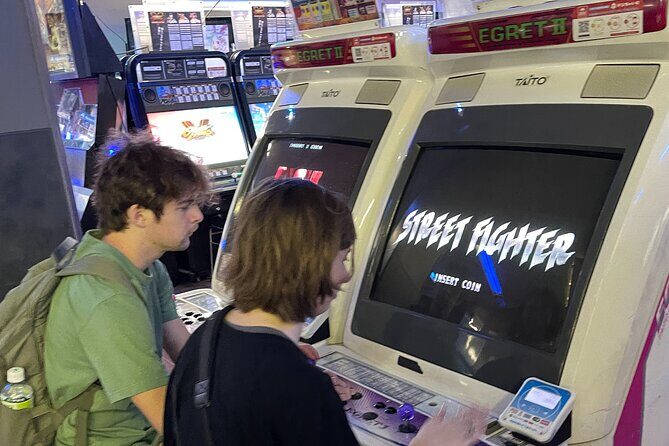
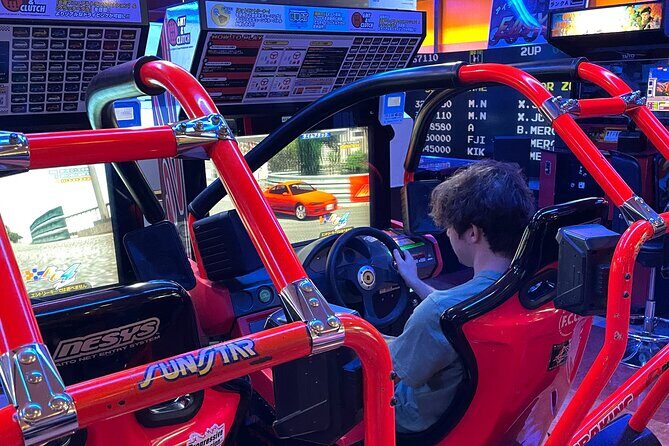
Akihabara is known for arcades, and this tour plans for that energy. You’ll get time for arcade games as part of the experience, with the social element baked in. In a small group, it’s also a lot easier to try something unfamiliar and still feel comfortable.
Even if you’re not a serious gamer, arcades are the quickest way to understand the district’s atmosphere. You get game cabinets, loud soundtracks, and that mix of locals and tourists treating the arcade like a hangout. Plus, arcade visits are practical: you can see what’s popular right now without needing to read a single label.
One note: your tour fee covers the experience plan and guidance, but additional costs can exist whenever you play games, snack, or buy items. The good news is that the tour gives you enough structure to decide on the spot instead of guessing in advance.
Breaks that keep you from burning out: café and bakery stop
This is a 5-hour walk, and Akihabara can be sensory overload. That’s why I like that the plan includes breaks instead of pushing you nonstop from store to store.
You’ll stop at a local café for a break. That’s useful even if you’re not a coffee person. It gives you a moment to sit down, recharge, and reset your shopping instincts so you can make better choices later.
Later, you’ll also hit a local bakery stop where street food is part of the picture, and you’ll pass by more food options along the way. Even if you don’t buy much here, it’s a smart chance to scan what people are eating and what’s convenient while you’re moving through the district.
These breaks help the tour feel less like a sprint. You end up walking at a human pace, which matters a lot when you’re hunting for merchandise and not just “seeing sights.”
Secret stop and a photo stop: Akihabara beyond the obvious storefronts
Two parts of the route are built around reaching spots you might miss on your own: a secret stop with free time and a later photo stop with free time as well.
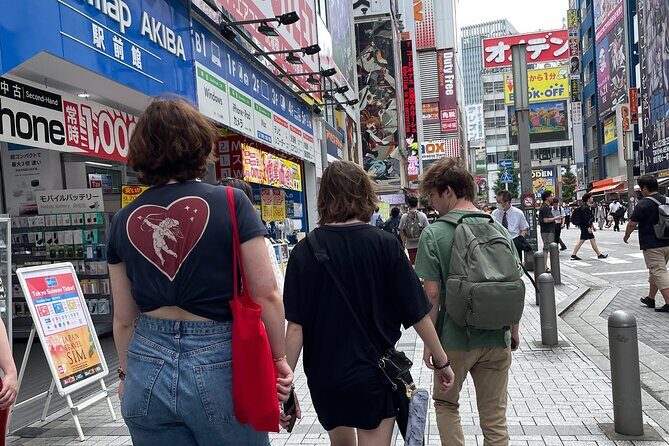
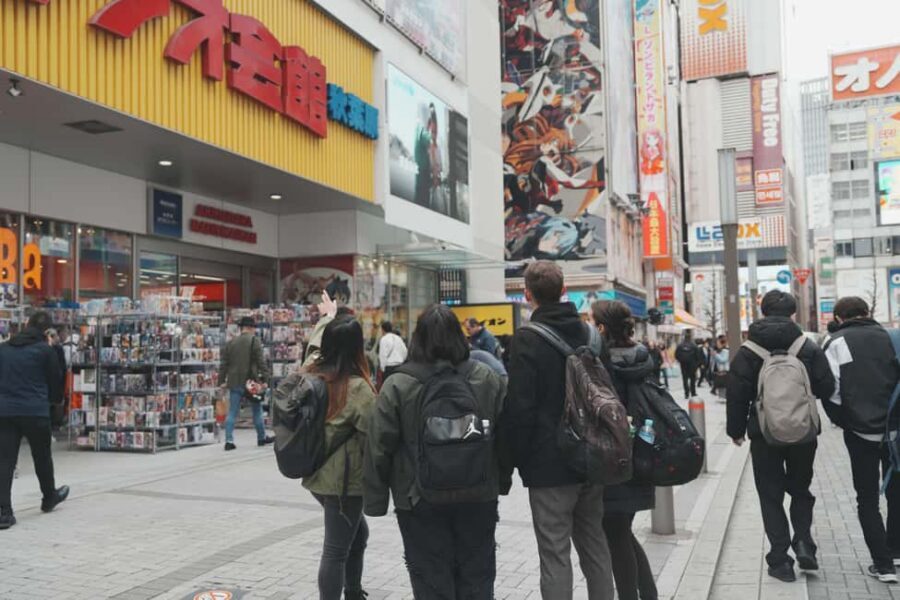
The secret stop is where you tend to get that “wait, this is here?” reaction. It’s time for browsing and shopping at a different angle than the standard high-traffic streets. The photo stop is more about letting you capture the feel of Akihabara—signs, corners, and moments that look like they belong in an anime opening—without the pressure of rushing.
In practice, this means you get more variety than the average “store hopping” tour. You see the loud, commercial Akihabara, but you also get room for the quieter corners that still feel very much Akihabara.
Also, those free-time windows are important. They let you steer the afternoon if your interests shift. Want more arcade time? Want to return to a store you liked? You’ll have the flexibility.






The guide matters most: Leon’s Japan context, not just product tips
The tour’s real advantage is the local otaku expert guide. In this case, the guide is often Leon, and he’s described as friendly and attentive, with a habit of answering what you care about rather than forcing a fixed script.
What I value in that style is the balance:
- He shares anime culture context, so you understand why certain merch exists and why particular fandom items matter.
- He also covers living in Japan in general, so the conversation isn’t stuck only on games and anime.
That cultural context is what makes the tour feel more than a shopping errand. If you’re a fan, it helps you connect the dots. If you’re just curious, it keeps you from feeling lost or overwhelmed.
And because the group is small (up to 10), the guide can actually react to questions. You’re not just listening through a headset while everyone files past the same shelf.
Shopping strategy: how to get better value without regret
Since shopping isn’t included, the smart move is to shop with intention. Here are a few ways I’d use the tour structure to get better value for your money:
- Start with browsing, then decide. Early store time is for checking what’s available, what prices look like, and what condition descriptions mean.
- Compare across multiple stores while it’s fresh. You’ll be visiting 3+ game and retro stores, plus additional shops. That makes it easier to spot what’s overpriced and what’s actually a bargain.
- Ask for rare-item direction. The tour includes tips on where to find rare items. Even if you don’t buy the rarest thing, that guidance helps you avoid wasting time on dead ends.
- Plan your souvenir budget. The tour ends at a big souvenir shop, which is exactly where impulse buys happen. If you set a limit, you’ll enjoy that last stop without the post-tour stress.
One more practical point: if you’re buying anything fragile or hard to pack, you’ll be happier if you treat the afternoon like a “buy late” plan. The later you purchase, the less you have to carry around mid-tour.
Price and value for about $103 for 5 hours
At $103 per person for 5 hours, the cost sits in the middle range for guided experiences in Tokyo. The value comes from three things that align well with Akihabara:
- Small group size (limited to 10), which makes the guide more useful.
- A structured route with multiple store types (anime/manga, game/retro, plus arcades and a major souvenir stop).
- Time for breaks, so you can actually enjoy shopping instead of feeling run over.
If you love games and anime and you’re the type who likes browsing with purpose, this is the kind of tour that saves time and improves your odds of finding what you want. You’re also getting local guidance for shopping decisions, which is hard to recreate alone if you’re not already fluent in the product-world details.
If you’re the type who wants to see Akihabara but you won’t shop much, you may feel this is more structured than you need. Still, arcade time and cultural explanations can make it worthwhile, but your “best-case value” happens when you plan to buy at least a few items.
Who this tour fits best (and who should skip it)
This is a great match if:
- You’re an anime, manga, or gaming fan and want a focused afternoon.
- You like shopping but don’t want to spend your trip in “figure out where to go next” mode.
- You enjoy arcades and want time to actually play.
- You want a guide who can explain culture and everyday Japan, not just take attendance.
It’s less ideal if:
- You’re strictly sightseeing with no interest in shopping or merch browsing.
- You prefer independent exploration with no set stores or guide structure.
Book it or pass: my straight answer
I’d book this tour if you want Akihabara to feel like a curated experience built for fans—shopping time, arcade time, breaks, and specific guidance—without the stress of planning every stop yourself.
I’d think twice if you’re not planning to spend anything on merch or if you want total freedom to wander at your own pace. In that case, you might enjoy exploring independently more.
One last practical detail to help you decide: the group has a minimum of 2 participants. If they don’t meet it, there’s an option for a shorter 3-hour version. If you like flexibility, the tour also offers free cancellation up to 24 hours ahead and reserve-now options with pay-later.
FAQ
Where does the Akihabara Otaku Group Tour start and end?
It starts and ends at Tokyo Milk Cheese Factory Cow Cow Kitchen アトレ秋葉原1店.
How long is the tour?
The tour duration is 5 hours.
What language is the live guide?
The live guide speaks English.
How big is the group?
It’s a small group limited to 10 participants.
Is there a group minimum?
Yes. The minimum is 2 participants. If the minimum isn’t met, you can still enjoy a shorter 3-hour version.
What is included in the price?
Included: a local otaku expert guide, visits to 3+ game/retro stores, shopping at various shops, a local lunch spot, and ending at one of the best and biggest souvenir shops. Shopping and lunch costs themselves are not included.
Can I cancel for free?
Yes, you can cancel up to 24 hours in advance for a full refund.