REVIEW · TOKYO
Catch a Baseball Game in Tokyo with a Local – Tickets Included
Book on Viator →Operated by Tokyo Baseball Tours · Bookable on Viator
Japanese baseball is a different sport. You’ll go with a local guide to a major Tokyo-area stadium, get tickets included, and learn how the crowd actually cheers, not just when to clap. The best part for me is how low-stress it feels: you show up, someone helps you get oriented, and you’re in the right atmosphere from the first inning.
I especially like the culture piece: your guide walks you through team cheers and helps you join in, including making sense of all that coordinated chanting in the home section. I also like the practical extras, like borrowing a home team jersey and picking up snacks during the game so you’re not stuck hunting for food while trying to enjoy baseball.
One thing to plan for: stadium seating can vary a lot by game and section. Even with a great view, the cheering areas can be tight and cramped for larger frames, and if you’re not in the most interactive section, the vibe can feel slightly less hands-on.
In This Review
- Key Things You’ll Notice During This Tokyo Baseball Experience
- Why Japanese Baseball Feels Different From Home
- Tickets Included, and Why That Matters for Value
- Tokyo Dome, Meiji Jingu, or Yokohama: Picking the Right Night
- The Meet-Up and Walk: How You Get Grounded Fast
- Learning the Cheers: The Secret Sauce of the Whole Night
- Borrow a Home Jersey and Join the Home Section
- Snacks, Souvenirs, and the Stadium Flavor
- What You Should Bring (and What to Avoid)
- Price Breakdown: Is $110 Actually Fair?
- Who This Tour Fits Best (and Who Should Skip It)
- Should You Book This Tokyo Baseball Game Tour?
- FAQ
- What stadiums does the game tour use?
- How long is the baseball game experience?
- What’s included in the price?
- Is pickup available?
- What group size should I expect?
- Do I get a ticket on my phone?
- Can I bring a camera, backpack, or outside food?
- What happens if the weather is bad or I cancel?
Key Things You’ll Notice During This Tokyo Baseball Experience
- A local guide to decode the chants so you know what you’re doing during each stretch
- Tickets are included for major stadium options like Tokyo Dome, Meiji Jingu, or Yokohama
- Borrowed home gear (jersey and cheering items for some games) helps you blend in fast
- Snack stops inside the stadium so your energy stays steady through the game
- Small group size (max 6) keeps questions easy and makes the cheering feel communal
Why Japanese Baseball Feels Different From Home
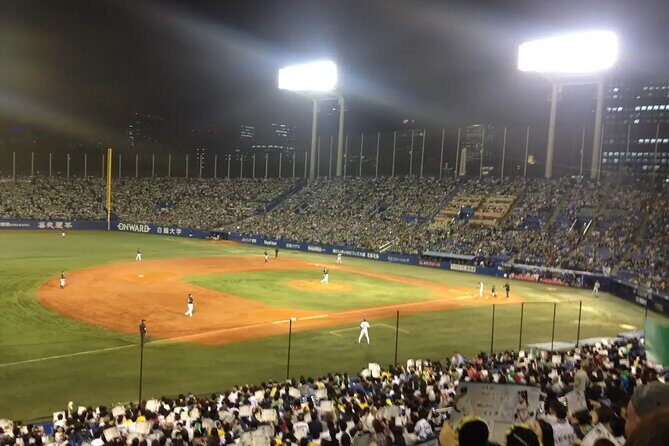
In Japan, baseball isn’t only a game. It’s a full show with rhythm, repetition, and crowd participation that starts before you even fully understand what’s happening on the field. If you like sports, it’s a front-row lesson in how fans create energy without needing a play-by-play translator.
The first thing you’ll notice is the home section’s volume and timing. The crowd isn’t passively watching. They’re singing, chanting, and responding as a group, and once you know the pattern, the game becomes way more fun—even if you don’t know every rule.
This is also a great option if you’re worried about language. The guide is there to help with the parts that matter most for enjoying the moment: what to cheer, when to cheer, and how to follow the vibe without getting lost in stadium signage.
A few more Tokyo tours and experiences worth a look


Tickets Included, and Why That Matters for Value
At $110 per person, the value isn’t just that the ticket exists. It’s that the ticket is handled for you as part of a small-group experience, so you’re not wrestling with seat selection, schedules, or Japanese ticket systems alone.
You’re also getting more than entry. The tour includes stadium admission and snacks during the game. For some games, you can borrow a home team jersey and cheering goods, which means you can look and participate like a local fan without shelling out for gear you might not wear again later.
Add the guide time—plus group size capped at 6—and it makes sense for people who want an easy, guided sports night rather than a DIY mission. If you’re the kind of traveler who likes being told where to stand and what to do, this format fits you well.
Tokyo Dome, Meiji Jingu, or Yokohama: Picking the Right Night
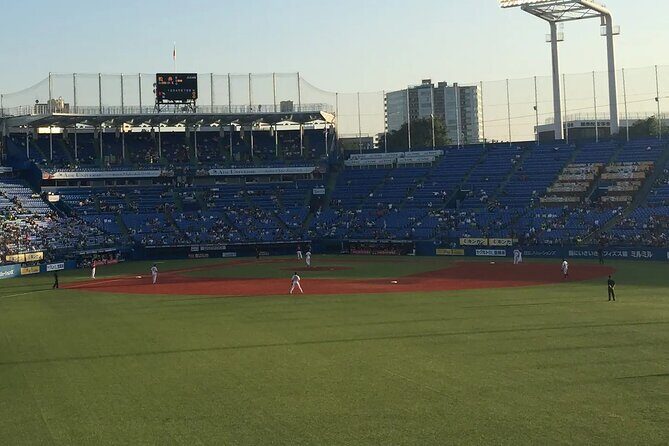
Your game will be at one of three stadiums: Tokyo Dome, Meiji Jingu Stadium, or Yokohama Stadium. Which one you get changes the feel of the night, and you can use that to match your expectations.
Tokyo Dome often wins for comfort because it’s indoors. One example that stuck with me in the way it was described was a hot July game where the indoor air conditioning made a huge difference, turning “survive the weather” into “enjoy the game.”
Meiji Jingu Stadium is another major option in Tokyo. If you’re looking for a more open-air stadium vibe, this is the type of place where weather can matter, so being ready for the conditions is smart.
Yokohama Stadium is a solid choice if your schedule can handle getting outside central Tokyo. It can feel like a classic stadium trip: transit, walking, then settling into a full fan section for the long haul.
The Meet-Up and Walk: How You Get Grounded Fast
You’ll meet at a train station and walk to the stadium together. That sounds simple, but it’s the part that prevents the most common travel frustration: arriving near the venue and still feeling unsure where to go next.
The group stays small, so the guide can give clear directions and keep everyone together. In past experiences with guides like Jason and Kristi, the communication was described as effective, with support on how to reach the meeting point by train.
Tip for you: use the meeting details provided in the chat-style communication, not only email reminders. Some people found the official meetup instructions a bit confusing, and the fastest fix was paying attention to the message updates.
Learning the Cheers: The Secret Sauce of the Whole Night
This tour isn’t built around explaining baseball rules. It’s built around helping you join the crowd. The guide teaches you different cheers, often with help like song sheets or printouts so you’re not guessing what comes next.
That’s why it works even if you’re not a baseball fanatic. Once you know the team chants and the moments the crowd erupts, you can feel like you’re part of the game instead of just observing it.
Guides such as Jason have been described as fluent in Japanese and English, and groups have been taught player chants so you understand what the whole home section is reacting to. Kristi has also been specifically noted for making the experience feel natural and local, including helping guests match the flow of the cheers.
If you want one reason to book, this is it: watching a Japanese baseball game with the chants explained turns noise into meaning.





Borrow a Home Jersey and Join the Home Section
A big part of the fun is visual. For some games, the tour includes borrowing a home team jersey and cheering goods, which instantly changes how you experience the stands.
When you’re in the home section, fans often stand and chant. Having the right colors and basic cheering cues makes it easier to blend in. You’ll feel less like a tourist holding a camera and more like someone who came to root.
Do note that seating arrangements can vary by game. Some seats may be higher, and the most interactive cheering sections can be tighter. If you’re tall or broad-shouldered, you’ll want to be ready for bench seating that can feel cramped compared with what you might be used to back home.
Snacks, Souvenirs, and the Stadium Flavor
During the game, you’ll have snacks included. People have mentioned Japanese snacks like rice treats, and the guide often helps you handle the stadium food situation so you don’t lose momentum.
You may also get a chance to look at team merchandise. In at least one described experience, the host took the group shopping for team gear, which is a fun add-on because it gives you something to bring back that actually feels connected to the night.
Inside the stadium, food and drink service is part spectacle. One detail that comes through strongly is the presence of drink sellers, often referred to as beer girls, who create that game-day performance vibe. It’s not just ordering a beverage—it’s another layer of entertainment that keeps the energy high.
What You Should Bring (and What to Avoid)
This is a practical stadium tour, so packing smart matters.
Cameras are OK, and backpacks and bags are OK too. Outside food and drinks can be brought inside, but no glass bottles or cans are allowed, so plan to use sealed plastic or other non-glass options.
The tour doesn’t include dinner, so if you’re hungry before the game, eat beforehand or be ready to buy food at the stadium. The best strategy is to arrive with steady energy so the 3 to 4 hours don’t feel long.
Also keep weather in mind. The experience requires good weather, and if it gets canceled due to poor weather, you’ll be offered a different date or a full refund.
Price Breakdown: Is $110 Actually Fair?
Let’s translate $110 into what you’re really getting.
You’re paying for:
- Game admission at a major stadium (ticket included)
- Snacks during the game
- Guide support to help you understand cheers
- Small-group attention (max 6)
- Sometimes borrowed home jersey and cheering goods
- Optional pickup offered
Compared to buying a ticket alone, the value here is the guide-led experience. You’re essentially purchasing the “language barrier remover” plus local fan participation training, which is hard to DIY if you don’t read Japanese or don’t already know the chant rhythm.
Is it worth it if you only care about watching baseball quietly? Maybe, but you’ll likely get less out of it. The tour shines when you want to participate—learning cheers, standing with the home section, and enjoying the stadium as a cultural event.
Who This Tour Fits Best (and Who Should Skip It)
This tour is ideal if:
- You want a sports night that doubles as cultural learning
- You don’t want to figure out stadium logistics in a foreign language
- You enjoy group energy and singing/chanting at events
- You like interactive experiences, not just passive sightseeing
It’s less ideal if:
- You hate standing for long stretches (home sections often stand and cheer)
- You prefer to sit quietly and avoid crowd interaction
- You’re extremely picky about exact seating location (sections can vary by game)
If you’re traveling with family, it can still work because the guide can steer you through where to go and what to do. One described experience included support for a guest with limited walking, with the guide arranging elevator service, which is a good reminder to share access needs early.
Should You Book This Tokyo Baseball Game Tour?
If you want the baseball game experience in Japan the way locals feel it, book it. The big win is that you’re not left figuring out the cheers alone, and the included ticket plus snacks plus borrowed fan gear makes it a low-effort way to have a high-energy evening.
If you’re purely price-shopping for the cheapest ticket, you might be able to DIY a seat on your own. But if you want to arrive, get oriented fast, join the home section, and leave with a real story (and maybe team merch), this tour is a strong match.
FAQ
What stadiums does the game tour use?
The game is held at Tokyo Dome, Meiji Jingu Stadium, or Yokohama Stadium.
How long is the baseball game experience?
It runs about 3 to 4 hours.
What’s included in the price?
Tickets to the game, snacks, and home jersey and cheering goods can be borrowed for some games.
Is pickup available?
Pickup is offered.
What group size should I expect?
The maximum group size is 6 travelers.
Do I get a ticket on my phone?
Yes, a mobile ticket is included.
Can I bring a camera, backpack, or outside food?
Cameras are ok, and backpacks and bags are ok. Outside food and drinks can be brought in, but no glass bottles or cans.
What happens if the weather is bad or I cancel?
This experience is non-refundable and cannot be changed for any reason. If it’s canceled due to poor weather, you’ll be offered a different date or a full refund.