REVIEW · TOKYO
Mochi and Nerikiri Wagashi Combination Cooking Class
Book on Viator →Operated by ankotopia WAGASHI School · Bookable on Viator
Mochi lessons turn Tokyo quiet. In a local home in Ota City, about 15 minutes from the center, you get a calm, hands-on session that covers the history of mochi and how it becomes sweets. I like that it’s truly beginner-friendly, with step-by-step guidance while you make multiple treats; I also like the built-in choice to eat right away with matcha or take everything home. One consideration: the host’s two short-haired cats stay in the bedroom during the lesson, so if you have allergies, plan carefully.
This class feels personal because it’s private, so you’re not competing for attention or tools. You’ll learn in a real neighborhood setting near public transportation, not a crowded studio kitchen, and you’ll get the little extras that make the session smoother: an apron, a towel, special wagashi tools, drinking water, and a takeaway box.
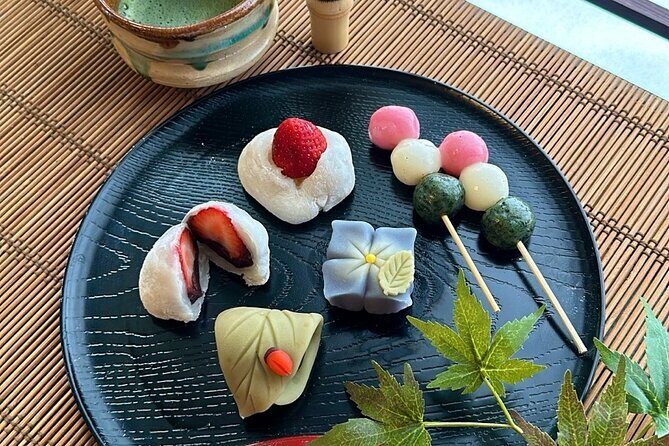
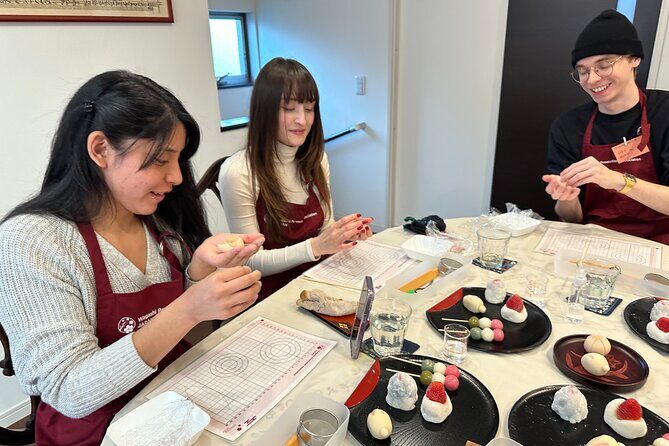
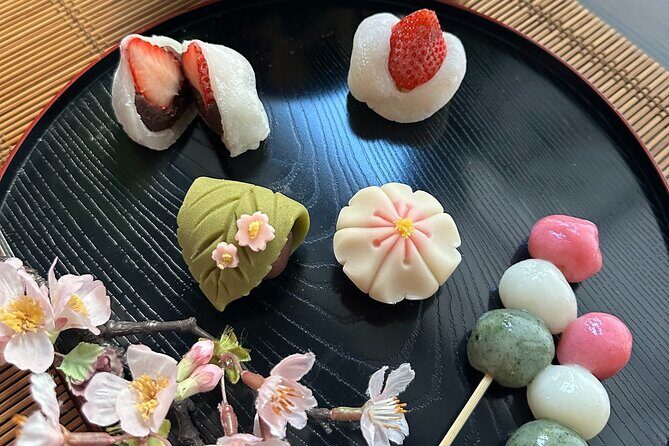
The food plan is the fun part. You’ll make the mochi base from glutinous rice flour, then shape it into strawberry daifuku (with pineapple or kiwi as the seasonal backup), make dango on skewers, and craft two kinds of nerikiri wagashi with seasonal motif dough. The dough is colored in advance, but you’ll still get a tutorial video so you can shape it with confidence.
In This Review
- Key things I’d watch for before you book
- Why this in-home mochi and nerikiri class feels like a local night in
- The menu: three types of mochi-based sweets plus two nerikiri wagashi
- Mochi history, plus the way Japanese sweets actually get eaten
- Matcha time: tasting your work, or packing it to go
- Step-by-step breakdown: what you’ll do during the 2.5 hours
- Tools and included items: where your money actually goes
- Cats, allergies, and the small reality of a home kitchen
- Price and logistics: is it worth it in Tokyo?
- Who should book this class—and who might skip it
- Should you book this mochi and nerikiri cooking class?
- FAQ
- Is this a private cooking class?
- How long is the mochi and nerikiri wagashi class?
- What sweets will I make during the class?
- Does the class include matcha?
- Can I take the sweets home?
- What’s included in the price?
- Is transportation provided?
- Are the ingredients vegetarian-friendly?
- Is there anything I should know about pets?
- What is the cancellation policy?
Key things I’d watch for before you book
- Private in-home setting in a cozy Tokyo neighborhood, so you can ask questions and move at your pace.
- Hands-on mochi and wagashi lineup: daifuku, dango, plus two seasonal nerikiri designs.
- Seasonal fruit swap for daifuku when strawberry isn’t available (pineapple or kiwi).
- Nerikiri motif work with pre-colored dough plus a tutorial video for shaping technique.
- Eat-and-take options: taste with matcha or pack your creations in the included box.
- Cat note: two short-haired cats stay in the bedroom during the lesson.
Why this in-home mochi and nerikiri class feels like a local night in
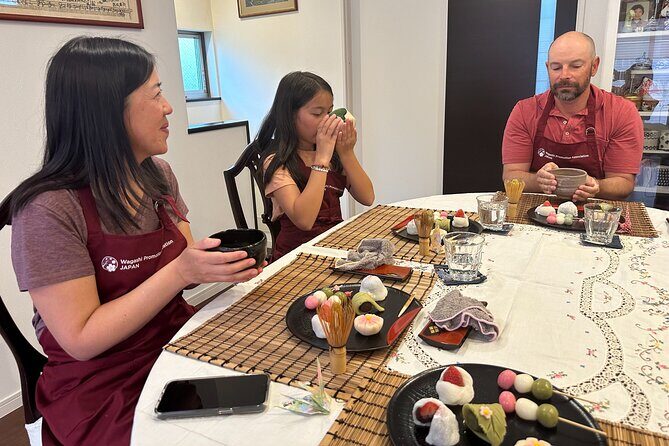
Tokyo cooking classes can be either fun and informative—or more like a quick demo where you do just one small step. This one goes the other direction. It’s hosted in a local’s cozy home in Kitaminemachi, Ota City (the meeting point is 20-15 Kitaminemachi, Ota City). The payoff is a calmer rhythm: you trade the train station chaos for a quiet room, a host who can guide you directly, and a kitchen setup built for making sweets.
What I like most is the balance between structure and flexibility. You’re shown the process and given hands-on instruction, but the pacing stays human. You learn the base technique (mochi from glutinous rice flour), then you apply it to different sweets so you actually understand what changes—and what stays the same. That matters because wagashi looks fancy, but a lot of it is repeatable once you know the method.
Also, you get to do this as a private group. Even if there’s a group discount, your session is still limited to your party, which usually means less waiting and more attention on your shaping and plating.
If you’re the kind of person who enjoys small rituals—measuring, kneading, shaping, tasting—this setup clicks. You’re not trying to sprint through a checklist of famous spots. You’re learning the craft.
You can also read our reviews of more cooking classes in Tokyo



The menu: three types of mochi-based sweets plus two nerikiri wagashi
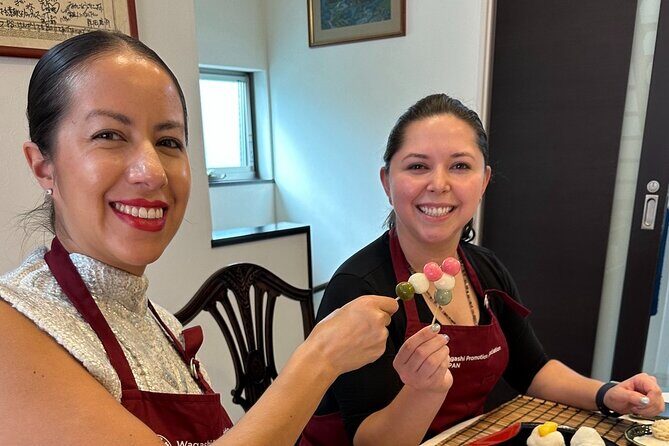
This class is built around variety, and it’s not random variety. The idea is to help you see mochi as a flexible ingredient, then expand into wagashi style shaping with nerikiri.
Here’s what you’ll make:
- Mochi using glutinous rice flour: You start with the mochi base so you’re not just assembling pre-made components.
- Strawberry daifuku (or a seasonal substitute): When strawberry is out of season, you’ll use pineapple or kiwi instead. That’s practical, and it also teaches you that the sweet isn’t tied to one fruit forever.
- Dango (mochi balls on skewers): You’ll shape mochi into bite-size pieces that become dango.
- Two types of nerikiri wagashi: These are traditional Japanese sweets known for their smooth, artful shaping and seasonal motifs.
A neat detail: the nerikiri motifs change by season. The dough is made and colored in advance, so you’re not dealing with messy coloring steps. But you still get a tutorial video to help you shape the motif correctly. That’s the key: you’re learning the hands-on “make it look right” part, not just copying a finished result.
Mochi history, plus the way Japanese sweets actually get eaten
It’s easy to treat wagashi like a food souvenir. This class gives you context so it lands better.
You’ll learn:
- History of mochi
- Various ways to eat mochi, not just one serving style
You’ll also connect the dots between mochi and wagashi. Daifuku is mochi’s soft, sweet side. Dango is mochi turned into a skewered, snack-like shape. Nerikiri is where craft and seasonal design take center stage.
And because you’re making the sweets yourself, the history doesn’t feel like a lecture. It feels like “Oh, that’s why this shape matters.” Even if you’re short on Japanese culinary knowledge, the class keeps things approachable.
Matcha time: tasting your work, or packing it to go
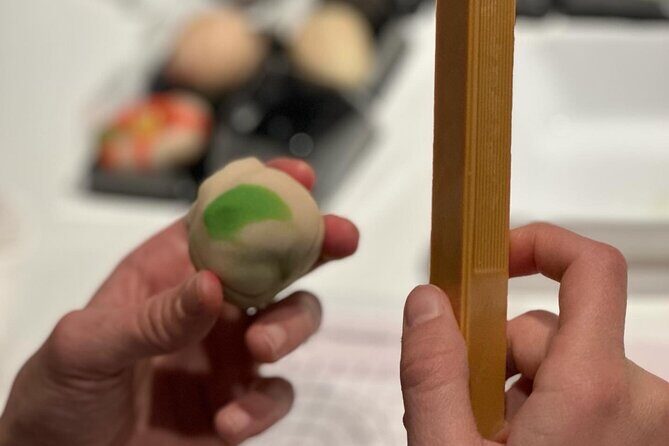
This class doesn’t end when the shaping ends. You’ll have a matcha component built in, which is more than a drink on the side.
You can either:
- Taste everything with a bowl of matcha green tea you make with guidance, or
- Take your creations home in a special takeaway box
That split is smart for practical travelers. If you want to slow down and enjoy the sweets while they’re at their best, you can eat them there. If you’re going straight from the class to dinner or sightseeing, the takeaway box helps your sweets survive the next leg of your day.
Also, matcha is a good “equalizer.” Many wagashi styles are delicate and sweet without being heavy. Matcha brings balance and helps you notice texture and flavors more clearly.
Step-by-step breakdown: what you’ll do during the 2.5 hours
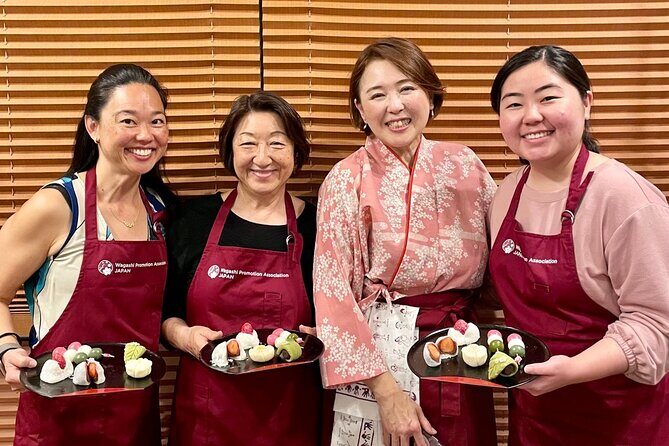
The total time is about 2 hours 30 minutes. In that window, you’ll move through a clear flow: learn the base, shape three mochi-based items, shape nerikiri, and end with tasting or packing.
Here’s how the experience typically feels, from the moment you arrive:
- Welcome and setup
You’ll have the basics covered with a free apron, hand towel, and special tools for wagashi making. Drinking water is included, so you’re not stopping mid-session to hunt for it.
- Mochi basics (glutinous rice flour)
You learn how mochi is made from glutinous rice flour. This is the foundation for everything else, including daifuku and dango. If you’re a true beginner, this is where you build confidence, because you see how one ingredient becomes multiple forms.
- Daifuku shaping
You’ll make strawberry daifuku when strawberry is available. If not, you’ll use pineapple or kiwi. That seasonal adjustment is important: you’ll learn to work with fruit filling options without the lesson falling apart.
- Dango on skewers
You’ll shape mochi into balls and form dango on skewers. Dango is often where people realize that small technique changes affect texture and look.
- Nerikiri wagashi with seasonal motifs
You’ll shape two types of nerikiri using pre-colored dough. The shapes are seasonal, and you’ll use a tutorial video to guide you through the motif details. Your job is the shaping—getting the smooth form and the motif look.
- Matcha and tasting (or packing)
You’ll make matcha with guidance. Then you either eat what you made or store it in the included special box.
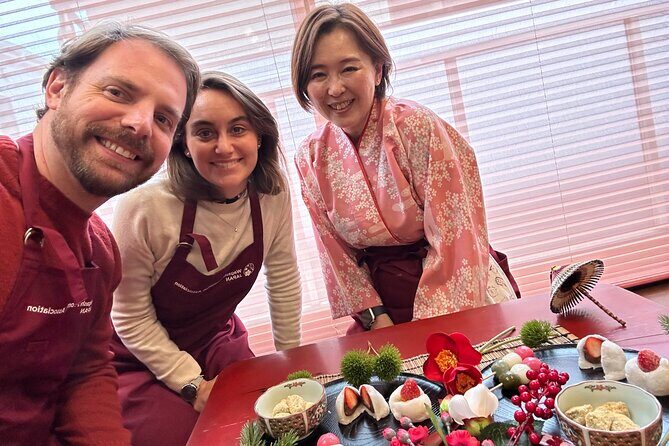
One extra detail that matters for real-world experience: the host helps with making your sweets look photogenic, and you’ll also have access to a good amount of process support. In past sessions, the host has taken photos during the process and helped plate the sweets so they look good on camera.
A few more Tokyo tours and experiences worth a look



Tools and included items: where your money actually goes
For $85.66 per person, you’re not just paying for a recipe. You’re paying for a private, hands-on workshop in someone’s home with materials and guidance included.
Your inclusions:
- Apron (free rental)
- Hand towel
- Special tools for wagashi making
- Special box for takeaway
- Drinking water
You also get:
- The chance to take home a Japanese gift as a souvenir (listed as included)
- A session designed around recipes that are simple and easy to recreate later, using ingredients you can find outside Japan
The plant-based angle is another practical benefit. The class notes that the ingredients are plant-based, which means it’s appropriate for vegetarians. If you’re traveling with dietary needs, that’s a major plus—not a vague promise.
Cats, allergies, and the small reality of a home kitchen
This is the one note you shouldn’t ignore. The host has two short-haired cats, and they stay in the bedroom during the lesson. If you have allergies or strong sensitivity, you should take this seriously and decide based on your comfort level.
If you’re not allergic, it’s still useful to know what kind of home environment you’re stepping into. You’re not in a sterile test kitchen. It’s a living home.
Price and logistics: is it worth it in Tokyo?
Let’s talk value. $85.66 for a private in-home class that lasts about 2.5 hours, includes tools, a takeaway box, matcha, and hands-on instruction is not cheap—but it can be fair value in Tokyo, especially compared with classes that feel like quick demos.
Here’s why the value makes sense:
- You get personal attention in a home kitchen.
- You make multiple items: daifuku, dango, and two nerikiri wagashi.
- The lesson is structured for beginners, with tutorial support for shaping.
- You leave with either a full tasting experience and/or a takeaway box.
Two logistics points to plan around:
- Private transportation is not included, so factor in how you’ll get from your hotel to Kitaminemachi.
- The class is near public transportation, which helps a lot for independent travelers.
If you want the best chance of matching your schedule, it’s also smart to book ahead. On average, people book this class about 51 days in advance, which suggests demand is steady.
Who should book this class—and who might skip it
This is a great fit if:
- You want hands-on cooking, not just watching
- You like desserts but also want to understand the technique behind them
- You’re a beginner who wants a clear path from mochi basics to shaped wagashi
- You eat vegetarian and want a class that uses plant-based ingredients
- You want a memorable Tokyo experience that doesn’t require a huge sightseeing day
You might consider skipping or adjusting your expectations if:
- You have cat allergies
- You’re looking for a tour that includes major landmarks and a lot of walking around the city (this is a home-based food experience)
- You prefer a more formal classroom style with zero home setting variables
Should you book this mochi and nerikiri cooking class?
If you want a Tokyo activity that feels like learning a craft, not just consuming a meal, I’d book it. The combination of mochi technique + daifuku + dango + two nerikiri motifs, plus matcha and the option to take everything home, gives you real value for a single 2.5-hour block.
The decision hinges on two things: your comfort with a home environment (including the cats) and how much you’d enjoy shaping sweets with guidance. If those check out, this is the kind of class you can brag about later, and—more importantly—you can recreate pieces at home.
FAQ
Is this a private cooking class?
Yes. It’s listed as a private tour/activity, so only your group participates.
How long is the mochi and nerikiri wagashi class?
It runs for about 2 hours 30 minutes (approx.).
What sweets will I make during the class?
You’ll learn to make mochi, then make strawberry daifuku (with pineapple or kiwi if strawberry is out of season), dango, and two kinds of nerikiri wagashi with seasonal motifs.
Does the class include matcha?
Yes. You’ll enjoy matcha green tea with your host, and the class includes making matcha as well.
Can I take the sweets home?
Yes. You can eat them with matcha during the class or take them with you in the included special takeaway box.
What’s included in the price?
Included are a free apron rental, hand towel, special tools for wagashi making, a special takeaway box, and drinking water.
Is transportation provided?
No. Private transportation is not included.
Are the ingredients vegetarian-friendly?
The class states that the recipes use plant-based ingredients, and it’s appropriate for vegetarians.
Is there anything I should know about pets?
There are two short-haired cats, and they stay in the bedroom during the lesson. If you have strong allergies to cats, this may not be a good fit.
What is the cancellation policy?
Free cancellation is available. You must cancel at least 24 hours before the experience’s start time for a full refund.