REVIEW · TOKYO
Exclusive Ramen Kitchen Experience
Book on Viator →Operated by Tokyo Ramen Tours · Bookable on Viator
Ramen stops being a mystery here. You get rare access to an award-winning Tokyo shop and learn how pros handle noodles and toppings, then you eat your own bowl. I love that you practice the two signature noodle moves—temomi (massaging) and tebo (shaking off water)—instead of just watching from a seat. I also like the VIP angle: you’re in an actual ramen kitchen, with the sights and work sounds that make the whole thing feel real.
This runs about an hour, so it’s focused. You’ll cover what matters in ramen prep, what each ingredient is for, and how the shop approaches the process—without a long, from-scratch cooking grind. One consideration: the finished ramen includes chicken, pork, and fish, so check the menu fit if you avoid any of those.
In This Review
- Key Highlights You’ll Actually Use
- Entering Nakameguro Koukashita’s Award-Winning Kitchen
- A quick note about pace
- Temomi and Tebo: The Noodle Techniques That Change Everything
- Temomi (massage) is about control
- Tebo (shaking) is about water management
- What to watch for while you learn
- What You Do Before Cooking: Prep, Purpose, and Shortcuts
- Why this format feels worth the money
- Building Your Own Bowl: Toppings, Assembly, and the Payoff
- What your ramen contains
- What you’ll get from assembling your own bowl
- Group Size, Guides, and How the Experience Actually Works
- Price and Value: Is $78.38 for an Hour Worth It?
- Who This Fits Best (and Who Might Skip It)
- Should You Book This Ramen Kitchen Experience?
- FAQ
- How long is the Exclusive Ramen Kitchen Experience?
- Where does the experience take place?
- What does the tour cost?
- How big is the group?
- Is the ticket digital?
- Is this a full cooking class from scratch?
- What noodle techniques will I learn?
- What kind of ramen is served?
- What if I need to cancel?
- What happens if the minimum number of travelers isn’t met?
Key Highlights You’ll Actually Use
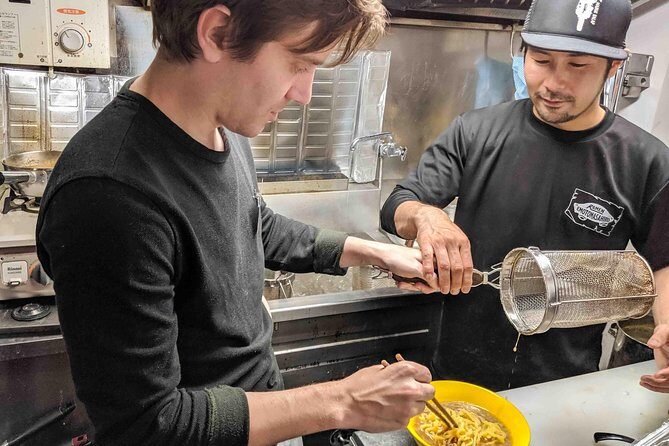
- Temomi practice: you learn the noodle massage technique that helps texture
- Tebo shaking skill: you handle water off the noodles like the pros do
- Hands-on bowl building: you prep and assemble your own ramen with preferred toppings
- Behind-the-scenes access: exclusive entry to an award-winning ramen kitchen
- Multiple guides on deck: more than one helper so questions don’t get stuck
- Time-saving format: shortened prep, since even broth takes many hours at ramen shops
Entering Nakameguro Koukashita’s Award-Winning Kitchen
Your experience is built around one core idea: see ramen work as it really happens in Tokyo. You meet at 2-chōme-12-6 Nezu, Bunkyo City, Tokyo and the activity ends back there. The shop stop is Nakameguro Koukashita, and the whole session is set up for a small group—maximum 6 travelers—so you’re not lost in a crowd.
In practical terms, this small size matters. Ramen is timing-heavy and technique-heavy, even for simple steps like noodle handling. With only a handful of people, you get more coaching on what to do with your hands and what to look for as you work.
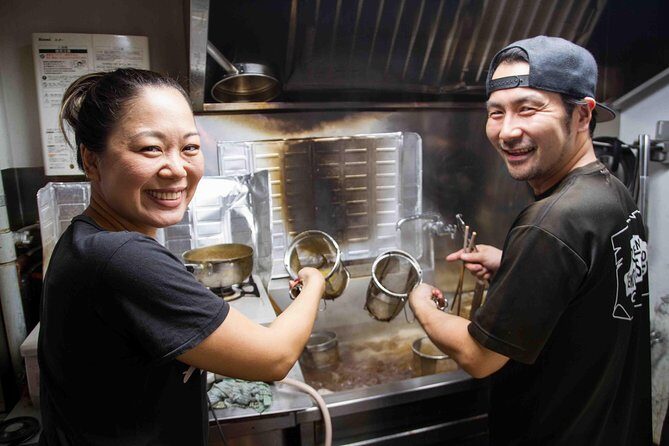
Also, you’re not standing far away. This is exclusive access, the kind of thing most customers never see. Expect the kitchen vibe—movement, clatter, and work rhythms—so the experience feels less like a demo and more like you’re stepping into an active ramen workshop.
You can also read our reviews of more tours and experiences in Tokyo.



A quick note about pace
Because the goal is to keep it to about an hour, the session skips the long waits you’d see in real ramen operations. That’s good news if you’re short on time, but it also means the experience is about technique and assembly, not turning you into a full broth maker.
Temomi and Tebo: The Noodle Techniques That Change Everything
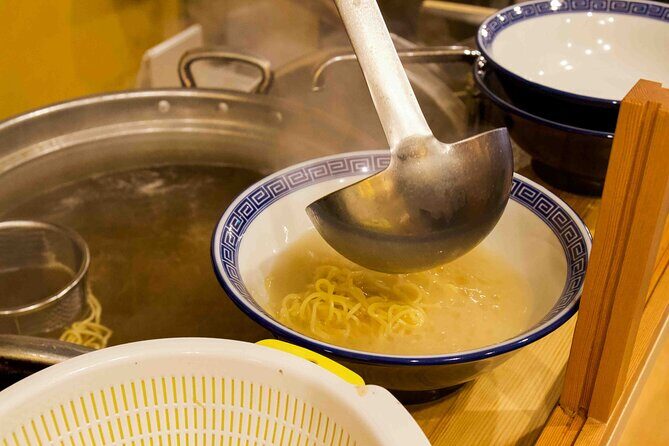
The star skills here are temomi and tebo. If you’ve ever had noodles that felt springy one bite and too soft the next, noodle handling is often the reason. This experience focuses on the actions that affect texture and water balance.
Temomi (massage) is about control
Temomi means massaging the noodles. In the context of this tour, you’ll be taught how and why ramen pros do it before the final serving. Think of it like shaping the noodles so they hold a consistent bite.
What you’ll likely notice is that this step isn’t random. You’re learning the rhythm and pressure that help the noodles behave well once they meet the hot broth and toppings. It’s not just a fun hand exercise. It’s the kind of technique you can carry home and use next time you make ramen at home with store-bought noodles.
Tebo (shaking) is about water management
Then comes tebo: shaking water off the noodles. This matters because excess water can dilute broth temperature and change how toppings sit. The goal is a noodle texture that feels right when it hits the bowl.
You’ll practice the motion yourself. And since this is done in an actual shop environment, you’re learning how pro handling fits into the workflow, not just the technique in isolation.






What to watch for while you learn
Even without complicated chef jargon, there are cues you can pay attention to:
- How the noodles look and feel during handling
- How your hands follow the guidance (tempo matters)
- How the noodles seem to “set” once they’re ready for serving
If you like cooking classes that teach real mechanics—not vague theory—this part will satisfy you.
What You Do Before Cooking: Prep, Purpose, and Shortcuts
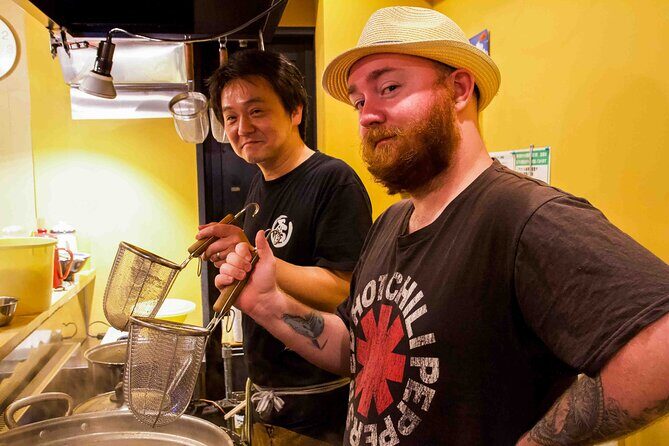
This is not a total “make everything from scratch” class. You’ll be working with a shortened process, and the experience is upfront about why: even just the broth takes around 10 hours to make in a ramen shop.
So instead of spending your afternoon waiting for stocks and reductions, you focus on the ramen decisions that you can control during the service:
- learning ingredient roles and where they come from (at least at the level the shop covers in this session)
- doing the prep you need before noodle technique and assembly
- understanding how toppings and bowl building connect to the final eating experience
That distinction is valuable. You’re getting a VIP look at how ramen gets assembled under real constraints. And because the session is compressed into about 1 hour, you’re moving through the steps that translate directly into what you’ll taste.
Why this format feels worth the money
A lot of food workshops charge for time. This one charges for access and for an expert workflow you normally can’t see. When you’re paying for VIP access to an award-winning kitchen, the “we saved you hours” approach is part of the value. You don’t lose the technique. You just skip the slow parts that would mostly become waiting.
Building Your Own Bowl: Toppings, Assembly, and the Payoff

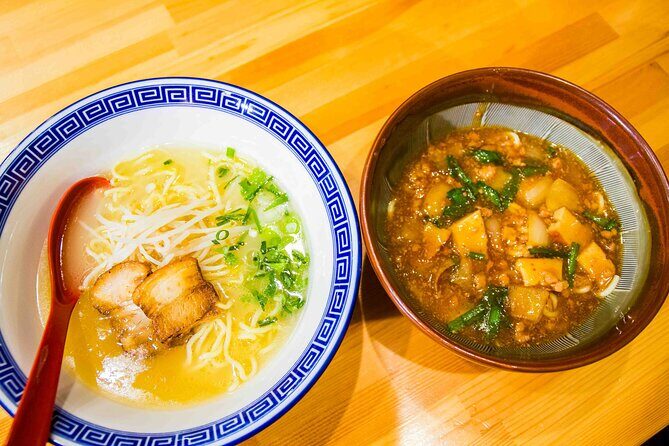
After the noodle work and prep, it’s time for the best part: eating the results. You’ll add your preferred toppings and assemble your own ramen creation in the shop setting. This is where the experience stops being educational and starts being satisfying.
What your ramen contains
Please be aware the ramen served contains chicken, pork, and fish. If you’re sensitive to seafood, avoid pork, or don’t eat one of those proteins, this is the one detail that can make or break the experience for you.
What you’ll get from assembling your own bowl
Even if you’re not a noodle-nerd at home, building your own bowl helps you connect technique to flavor:
- You learn how toppings land in a real service context
- You understand how noodle handling affects the way toppings and broth interact
- You get a chance to taste the final texture your actions helped create
And because you’re doing this in one of the city’s best ramen shops, the result isn’t some simplified training bowl. You’re tasting ramen that the shop serves—and that’s a big reason people rate this experience extremely highly.
Group Size, Guides, and How the Experience Actually Works
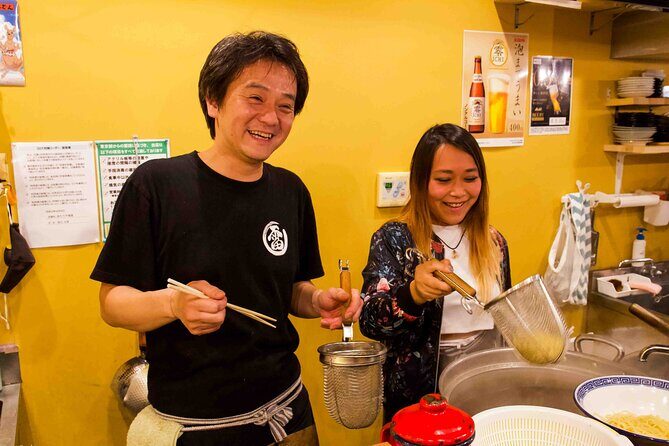
This is designed for a maximum of 6 travelers, and there are multiple guides during the session. That means you can ask questions without waiting your turn forever. It also helps with hands-on steps—when people are working with noodles, you want help right away if your technique feels off.
You’ll also get a mobile ticket, and the meeting spot is near public transportation. Those are small details, but for a one-hour experience, they matter. Less friction means more time focused on the kitchen and the food.
Price and Value: Is $78.38 for an Hour Worth It?
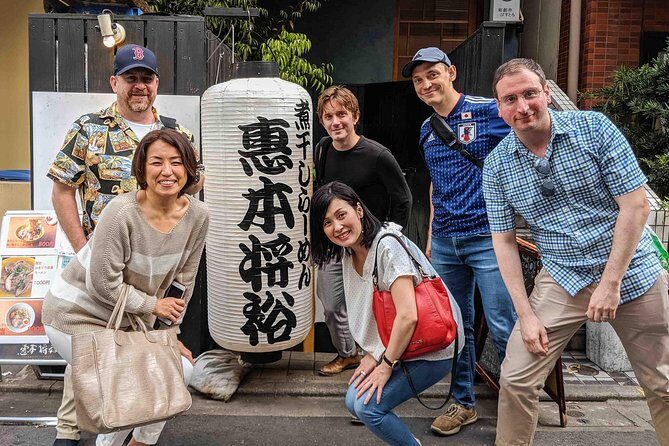
At $78.38 per person for about 1 hour, the price can sound steep until you compare it to what you’re actually buying. You’re not paying for a long cooking class. You’re paying for:
- exclusive access to an award-winning ramen kitchen in Tokyo
- hands-on practice with temomi and tebo (technique that affects texture)
- instruction from pros, plus multiple guides
- a real, finished ramen meal that includes chicken, pork, and fish
- a tight workflow that mirrors ramen service more than a hobby kitchen
For value, I look for two things: expert access and repeatable skills. This experience delivers both. Skills like noodle massage and shaking off water are small actions, but they’re the kinds of details that usually separate average noodles from great noodles. If you’re the type of traveler who wants one memorable activity and wants it to teach something you can use again, you’ll feel like the price makes sense.
If you’re just looking for a casual ramen tasting with no technique practice, you might prefer a simpler meal. But if you want ramen craftsmanship, this is the ticket.
Who This Fits Best (and Who Might Skip It)
This works best for you if:
- you love ramen and want to understand the mechanics, not just eat
- you’re comfortable doing hands-on steps with guidance
- you like small-group food experiences where you can ask questions
- you’re short on time but want a deep ramen-focused moment
You might want to skip or think twice if:
- you avoid chicken, pork, or fish
- you want a full from-scratch cooking day (this isn’t that)
- you dislike any hands-on food work, since you’ll practice noodle handling
Also, since it’s about an hour, it’s an ideal afternoon activity. It won’t swallow a day, and the meal payoff is immediate.
Should You Book This Ramen Kitchen Experience?
I’d book it if you want a high-value ramen moment in Tokyo: real access, real technique, real meal. The small group size, the hands-on noodle work, and the VIP kitchen access are a strong combo. You’re not just tasting. You’re learning how noodles are handled and how a shop’s workflow shapes the final bowl.
The main reason not to book is the protein mix. If chicken, pork, or fish is a problem for you, the meal won’t fit. If that’s not an issue, this is the kind of experience that makes ramen feel less like a menu item and more like a craft you can actually picture.
FAQ
How long is the Exclusive Ramen Kitchen Experience?
It lasts about 1 hour.
Where does the experience take place?
The activity is in Tokyo, Japan, with the ramen kitchen stop at Nakameguro Koukashita.
What does the tour cost?
The price is $78.38 per person.
How big is the group?
The experience has a maximum of 6 travelers.
Is the ticket digital?
Yes, it uses a mobile ticket.
Is this a full cooking class from scratch?
No. It’s a shortened, practical process. For example, even the broth takes about 10 hours at ramen shops, so the experience is focused on the steps you can do and learn within the time.
What noodle techniques will I learn?
You’ll learn temomi (massaging the noodles) and tebo (shaking water from the noodles).
What kind of ramen is served?
The ramen contains chicken, pork, and fish.
What if I need to cancel?
You can cancel for a full refund if you cancel at least 24 hours before the start time. If you cancel less than 24 hours before, the payment is not refunded.
What happens if the minimum number of travelers isn’t met?
If the experience is canceled because the minimum isn’t met, you’ll be offered a different date/experience or receive a full refund.