REVIEW · TOKYO
Full Day Private Tour in Mt. Fuji and Hakone
Book on Viator →Operated by Sora Tours · Bookable on Viator
Fuji in one car, door to door. This private day stitches together hotel pickup plus big Mt. Fuji viewpoints from places like Oishi Park and Chureito Pagoda, with English-speaking drivers who can explain what you are seeing (I especially liked how guides such as Abrar and Abdul handled questions). One thing to keep in mind: Mt. Fuji visibility depends on the weather, and some key add-ons like the ropeway or Lake Ashi cruise cost extra.
I also like the pacing of a private circuit like this. You skip train juggling and just ride an air-conditioned vehicle that gets you there fast using expressways, with highway tolls covered. The tradeoff is that each stop is time-sliced, so you will want comfy shoes and a plan for how you feel about optional rides.
In practice, the best part is the guide personality. I’ve seen real examples of flexibility in the field, like Abdul having a baby seat ready and Rab adjusting the route to match what my group cared about most. If you need patience for slower walkers or you want more photo time, this tour format is a strong bet.
In This Review
- Key things I’d focus on before you book
- How this 9-hour private Fuji and Hakone circuit really feels
- Price and logistics: what $454.63 per group covers
- Tokyo expressway sprint: the moment you stop thinking about trains
- Lake Ashinoko in Hakone: water views, short time, and the cruise choice
- Owakudani Valley: sulfur fumes, ropeway time, and black eggs
- Oshino Hakkai and Kitaguchi Hongu Fuji Sengen Jinja: springs and shrine focus
- Oshino Hakkai Springs
- Kitaguchi Hongu Fuji Sengen Jinja Shrine
- Saiko Iyashi no Sato Nenba: traditional craft village without the museum feel
- Lake Kawaguchiko and Oishi Park: the best place to hunt Fuji clarity
- Chureito Pagoda: 398 steps, strong photos, and a small reality check
- Lunch, timing, and photo strategy: how to make the most of short stops
- Should you book this private Mt. Fuji and Hakone tour?
- FAQ
- How long is the Mt. Fuji and Hakone full day private tour?
- Is pickup and drop-off included?
- What is the group size limit for this private tour?
- Do I need to use public transportation during the day?
- What is included in the price?
- What costs are not included?
- How much are the optional cruise and ropeway rides?
- Which places does the tour include?
- Is the tour dependent on weather?
- When should I consider booking?
Key things I’d focus on before you book
- Door-to-door Tokyo pickup and drop-off saves you a chunk of stress and time
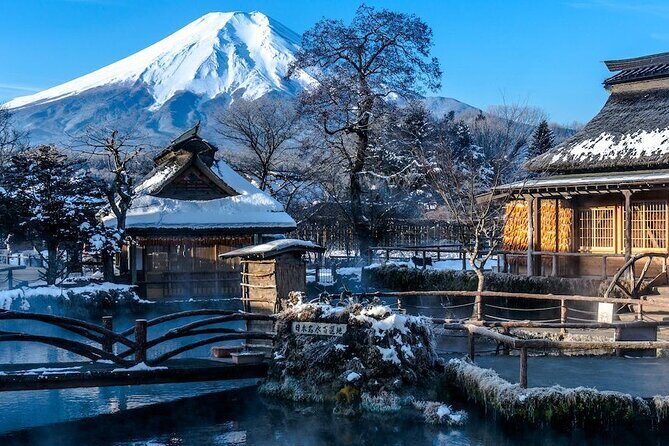
- Mt. Fuji views from multiple angles: Oishi Park, Lake Kawaguchiko area, and Chureito Pagoda
- Owakudani Valley is the wow stop with volcanic steam and the famous black egg
- Hakone Lake Ashi gives you a calmer rhythm (cruise is optional and paid separately)
- Saiko Iyashi no Sato Nenba slows the day down with traditional craft-village atmosphere
- Guides can adjust on the fly for families and anyone who needs gentler pacing
How this 9-hour private Fuji and Hakone circuit really feels
This is a private, group-only day trip designed around one simple goal: see the highlights around Mt. Fuji and Hakone without spending the day on public transport. Your group rides in an air-conditioned vehicle, and you get pickup from your Tokyo hotel area and drop-off where you request. The total time is about 9 hours, which is long enough to hit the major viewpoints but short enough that you will not wander aimlessly.
Think of it like a full-day itinerary with built-in breathing room. There are about 30 to 60 minutes per major stop, plus driving time between regions. If you’re traveling with kids, older relatives, or you just don’t want to coordinate buses and trains, this is the style of day trip that makes sense.
The other big factor is weather. Mt. Fuji can vanish behind cloud cover, and the volcanic zones and lakes can be less pleasant if it’s raining. The tour does require good weather, and if conditions are poor, you should expect an alternative date or a refund option.
You can also read our reviews of more private tours in Tokyo

Price and logistics: what $454.63 per group covers
The listed price is $454.63 per group (up to 4). That matters because your biggest costs on a day like this are often transportation and guide time. When the vehicle is private and tolls are included, the “per person” math gets far more reasonable than most people expect.
Here’s what you get included:
- Air-conditioned vehicle
- Private transportation
- English-speaking driver
- Highway tolls
- Pickup and drop-off to your hotel
- Mobile ticket
And here’s what’s commonly extra:
- Lunch (not included)
- Tickets for activities (the itinerary notes that many admissions are free, but rides such as the Lake Ashi cruise and ropeway have separate costs)
- Cruise ride priced roughly ¥1200 to ¥2000
- One-way ropeway priced at about ¥1500
My practical takeaway: treat this as a “transport + guided route + guaranteed access to key spots” purchase, not a fully paid all-inclusive day. You’ll likely pay for at least one ride unless you skip them. That said, skipping extras is easy because the main viewpoints are still the point.
Tokyo expressway sprint: the moment you stop thinking about trains
The day starts in Tokyo with a fast drive via expressway. The highway tolls are part of the package, so you aren’t passing around cash mid-ride or worrying about what’s covered.
This matters more than it sounds. Fuji days often get ruined by logistics: late trains, confusing transfers, and waiting around while everyone gets grumpy. With pickup and a dedicated driver, your group stays together and you can arrive with energy.
If your driver offers an earlier start to beat rush hour, take it when you can. I’ve seen examples where guides like Ali or Mike prioritized timing so you spend more minutes outside the car and less time stuck in traffic.
Lake Ashinoko in Hakone: water views, short time, and the cruise choice
Lake Ashinoko (often called Lake Ashi) is a classic Hakone anchor. You’ll spend about 30 minutes here, with an optional cruise experience (paid separately). Even if you skip the cruise, the lake setting is one of the easiest ways to start seeing how Hakone’s terrain works: water, shoreline views, and the layered atmosphere of the region.
The value of this stop is pacing. After Tokyo traffic and road time, the lakeshore gives you a calmer start. You can grab a snack, take photos, and reset before the more intense volcanic area at Owakudani.
A practical note: if it’s windy or rainy, the lake can feel colder and you might want to bundle up. Also, since time here is limited, decide early whether you want the cruise. The cruise ticket range is listed, so factor that into your budget and decide based on your group’s comfort with moving around quickly.
Owakudani Valley: sulfur fumes, ropeway time, and black eggs
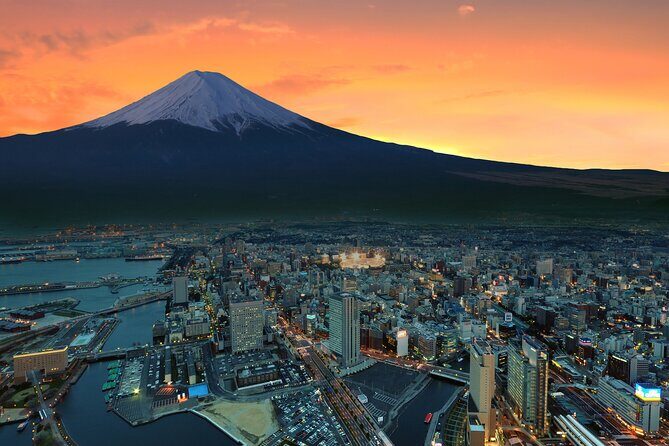
Owakudani is the stop people remember. It’s volcanic territory, and the atmosphere is part of the story. You’ll head up using a ropeway/cable car connection, then enjoy a short visit in the area for volcanic views.
This is where the tour leans into the fun. You’re not just looking at mountains from a viewpoint; you’re experiencing what’s actually going on underneath. You may also have the chance to try the famous black egg served in the Owakudani area. It’s one of those very Fuji-myth, very Japan “try it once” items.
What to watch:
- The ropeway is extra (about ¥1500 one-way).
- The weather can change how pleasant it feels. Cloud cover can also reduce Fuji visibility, which can make Owakudani even more about the volcanic scene than the mountain view.
- Because the stop is time-limited, you will likely want to move efficiently: one good photo spot, then walk the main area, then be ready when it’s time to get back on the ropeway connection.
If you’re with a toddler or someone who tires easily, tell your driver what pace you want. Guides like Abrar and Abdul have shown they’ll help you manage the day around your comfort level, not just the itinerary.
A few more Tokyo tours and experiences worth a look

Oshino Hakkai and Kitaguchi Hongu Fuji Sengen Jinja: springs and shrine focus
You get two very different vibes here, close to each other in feel even though the mood is totally different.
Oshino Hakkai Springs
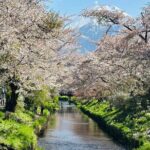
At Oshino Hakkai, you’ll spend about 1 hour. This area is known for eight springs fed by Mt. Fuji’s aquifer water. The idea is simple: you’re seeing water tied to the mountain itself. The walking path gives you a chance to slow down and look at the spring-fed channels and ponds without needing special tickets.
Why it’s worth your time: compared with the loudness of Hakone’s volcanic stop, Oshino Hakkai feels more grounded and gentle. It’s one of the better places to take your time with photos and not feel rushed.
Kitaguchi Hongu Fuji Sengen Jinja Shrine
Then you move to Kitaguchi Hongu Fuji Sengen Jinja, about 30 minutes. This shrine has a long role in Fuji pilgrimages, with people coming to seek blessings tied to safe journeys and successful climbs.
The value here is context. Fuji is not just a postcard mountain. It’s part of Japanese spiritual culture. A good driver can explain what you are seeing and why it matters, especially around the shrine setting.
Practical note: shrines are great for quick walking and photos, but they can also get busy. A dedicated driver helps because you are not waiting in long rail and transfer lines to get there.
Saiko Iyashi no Sato Nenba: traditional craft village without the museum feel
This stop is about atmosphere and hands-on-style culture. Saiko Iyashi no Sato Nenba is a restored traditional village, and you’ll spend about 30 minutes here.
What you can expect from the experience description:
- Traditional crafts and regional artistry
- Calligraphy and pottery themes
- Time in the village setting that feels more like a living culture than a rushed photo stop
This is a nice counterbalance to the volcanic and lake scenes. If your group loves small, cultural stops, this one adds variety fast. And because your time is limited elsewhere, you’ll appreciate that this is a concentrated culture stop.
Lunch may be available in the broader area (the day plan references lunch by the lake here), but lunch is not included in the tour price. Plan to either bring snacks or use the guided downtime to find something that works for your group.
Lake Kawaguchiko and Oishi Park: the best place to hunt Fuji clarity
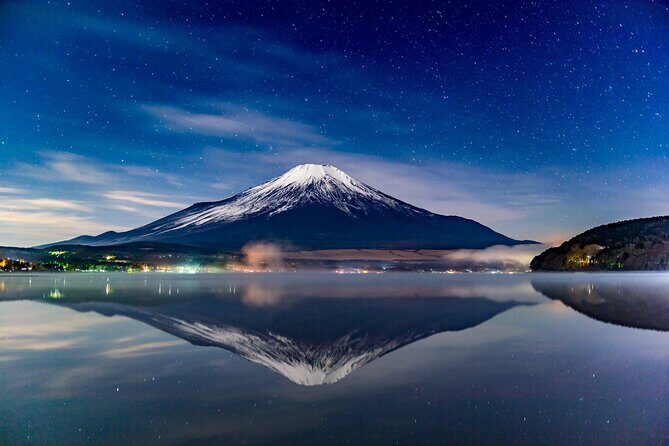
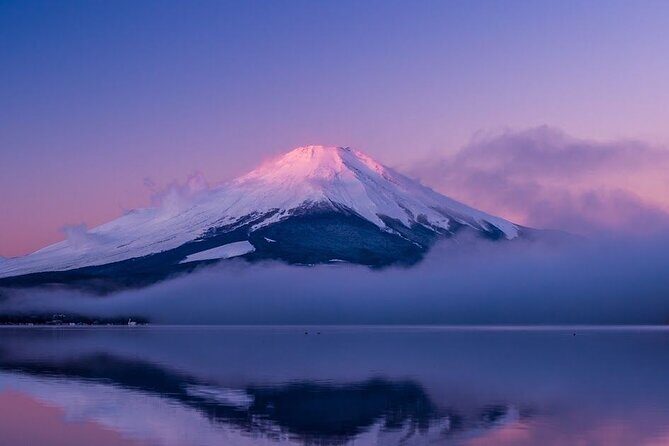
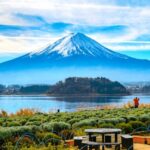
You’ll reach Lake Kawaguchiko for about 30 minutes, and this is part of the Fuji Five Lakes region. The big point is that it’s a high chance area for clear views when weather cooperates.
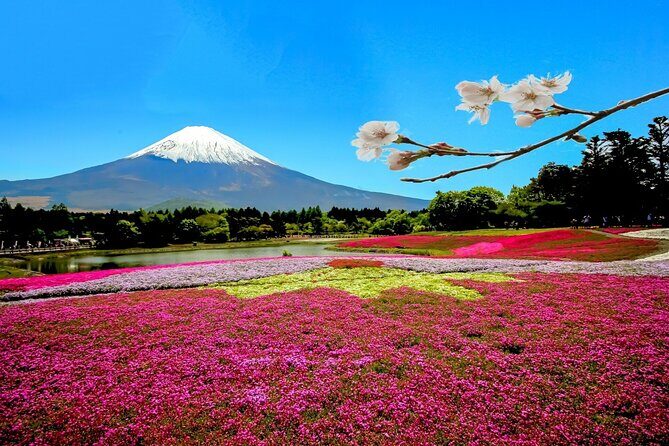
This is also where Oishi Park fits in. The tour highlights mention checking out Mt. Fuji views from Oishi Park, and that spot is widely known for postcard angles of the mountain over the lake area.
Seasonal tip based on real timing: if you go mid-March, you may see snow-capped Fuji and early spring cues. In past experiences, guides have pointed out that it can be the time where sakura might be just starting, which changes the “photo mood” a lot compared to peak bloom.
In other words: your goal is not just Fuji. It’s Fuji framed with seasonal elements. If it’s cloudy, you’ll still get the lake-town atmosphere, but the classic image will be less reliable.
Chureito Pagoda: 398 steps, strong photos, and a small reality check
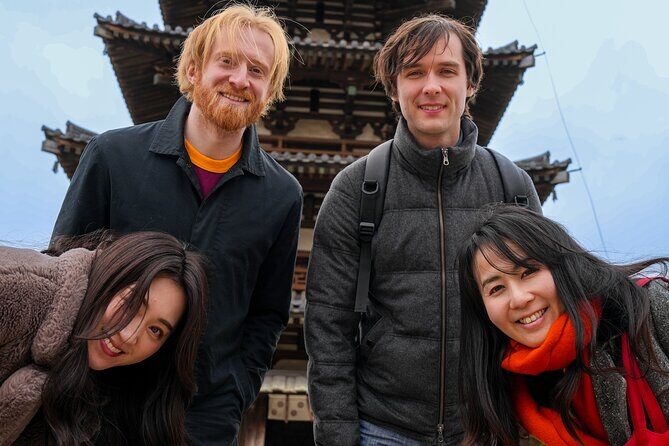
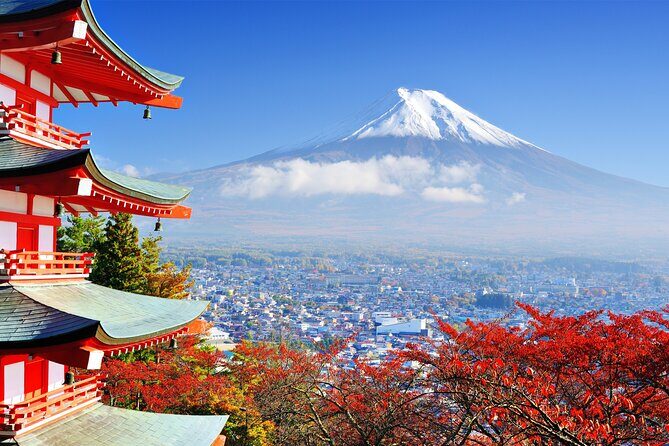
Your final scenic highlight before heading back is Chureito Pagoda. You’ll spend about 1 hour here, and it’s famous for the pagoda view with Mt. Fuji in the background.
The practical detail that matters: you climb 398 stone steps to reach the viewpoint.
This is the kind of stop where the private format is a win. You can move at your pace, stop for photos, and take breaks without worrying about a tour bus schedule. If your group includes someone who needs a slower rhythm, let your driver know early. Many drivers help by timing walks and taking photo breaks efficiently.
When the view is good, it’s worth it. When the view is bad (clouds), the pagoda area still gives you Japanese shrine-and-temple photo energy, but your expectations should be flexible.
Lunch, timing, and photo strategy: how to make the most of short stops
Because each stop is time-boxed, the difference between a good day and a great day is usually how you manage small decisions.
Here’s what I’d do:
- Pick your one or two “must-do” rides. If you care most about Owakudani, prioritize the ropeway. If you care most about the water mood, prioritize the Lake Ashi cruise.
- Have snack backup since lunch isn’t included. A driver can help you find a place that fits your needs, and I’ve seen examples where guides like Ali or Abrar helped families get food that worked for kids.
- Use photo pacing. A great driver will tell you when to get photos and when to step back so people can breathe. Some guides have offered to take group photos and then give space afterward.
- Plan for weather gear. Fuji days can shift fast. Even in decent seasons, pack a light layer and something for rain.
Also, private doesn’t mean you must do everything fast. One of the strongest themes from real-world experiences is flexibility for families. Abdul reportedly had a baby seat ready and adapted when a toddler napped; Rab supported an older traveler and waited comfortably at stops. Those details can change the whole day.
Should you book this private Mt. Fuji and Hakone tour?
Book it if you want:
- One guided day with hotel pickup and minimal public-transport hassle
- Multiple Fuji viewpoints in a single trip, including Oishi Park area and Chureito Pagoda
- A private vehicle for your group of up to 4, especially if you have kids, older travelers, or you simply hate train transfers
- The option to tailor the day through your driver’s flexibility
I’d skip or reconsider if:
- You want a completely all-inclusive day with no extra payments for cruises and ropeways
- Your group can’t handle walking (especially the Chureito stone steps)
- You’re going in a period where weather uncertainty is high and you strongly need a guaranteed clear Fuji photo
Overall, this is a high-value way to experience Mt. Fuji and Hakone highlights without turning your travel day into a logistics puzzle. When the weather cooperates, you’re set up for some of the region’s most iconic images. And when it doesn’t, a good driver still helps you make the day feel purposeful, not wasted.
FAQ
How long is the Mt. Fuji and Hakone full day private tour?
The duration is approximately 9 hours.
Is pickup and drop-off included?
Yes. Pickup and drop-off to your hotel is included.
What is the group size limit for this private tour?
It is a private tour for your group, with up to 4 people per group.
Do I need to use public transportation during the day?
No. The tour includes private transportation in an air-conditioned vehicle with an English-speaking driver.
What is included in the price?
Included features are the air-conditioned vehicle, private transportation, an English-speaking driver, highway tolls, and hotel pickup/drop-off. A mobile ticket is also used.
What costs are not included?
Lunch is not included, and tickets for any activity are not included. The cruise and ropeway have separate prices.
How much are the optional cruise and ropeway rides?
The cruise ride is listed in a range of about ¥1200 to ¥2000, and the one-way ropeway is listed at about ¥1500.
Which places does the tour include?
The day includes stops such as Lake Ashinoko, Owaku-dani Valley, Oshino Hakkai, Kitaguchi Hongu Fuji Sengen Jinja Shrine, Saiko Iyashi no Sato Nemba, Lake Kawaguchiko, and Chureito Pagoda, plus the return to Tokyo.
Is the tour dependent on weather?
Yes. The experience requires good weather, and if it’s canceled due to poor weather, you’ll be offered a different date or a full refund.
When should I consider booking?
Confirmation is received at booking, and the tour emphasizes good weather, so booking with some flexibility around your travel dates can help.