REVIEW · OSAKA
Full Day Walking Tour in Osaka Castle Temples and Ukiyoe
Book on Viator →Operated by Snow Monkey Resorts Tours (Machinovate Japan Ltd.) · Bookable on Viator
Osaka has two faces, and this tour shows both. I like the mix of Osaka Castle and ukiyo-e, because you get both the big landmark story and a hands-on cultural skill in the same day. It’s a guided loop that links history, temple faith, and Minami street life so the city feels connected instead of random stop-by-stop.
I also like the pacing: you get substantial time at each major area, with about 1 hour in Kuromon and around 3 hours in Dotonbori/Minami. The main drawback to consider is simple—this is an 8-hour walking day, and food isn’t included, so you’ll need to budget for snacks and lunch plus comfy shoes. One more practical plus: the guide Wingki is described as accommodating and helpful if you’re running late and you still need to get back on track.
In This Review
- Key Things That Make This Osaka Walk Worth Your Time
- Setting Expectations for an 8-Hour Osaka Walking Tour
- Osaka Castle Museum: A Familiar Place with a Rebuild-Story Twist
- Shitennoji Temple: Where the Temple Tour Becomes a Travel History Lesson
- Kuromon Market: One Hour of Food-City Energy (Without Overcommitting)
- Dotonbori Tsuribori and the Minami Street Scene
- Ukiyo-e Experience: Practical Art-Making, Not Just Watching
- Getting Back Through Shinsaibashi and Toward Shin-Osaka
- Price and Value: What You’re Paying For at $165.19
- How to Prep So the Day Feels Fun, Not Fatiguing
- Who This Tour Suits Best (and Who Should Skip It)
- Should You Book Full Day Walking Tour in Osaka Castle Temples and Ukiyoe?
- FAQ
- How long is the Full Day Walking Tour in Osaka Castle Temples and Ukiyoe?
- What’s included in the tour price?
- Are food and drinks included?
- Which attractions are part of the itinerary?
- Are admissions included for all stops?
- How big is the group?
- Is there a mobile ticket?
- Is the guide English-speaking?
- What’s the cancellation policy?
Key Things That Make This Osaka Walk Worth Your Time
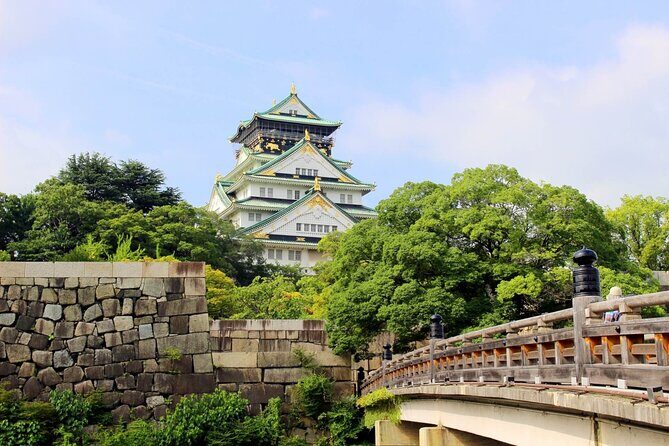
- Osaka Castle Museum with context: you learn how the castle’s story fits into Osaka, including the rebuilt-in-1995 twist.
- Shitennoji as a timeline lesson: it frames Buddhism’s journey from India to China and then to Japan.
- Kuromon Market in a manageable bite-sized slot: about 1 hour in an area with lots of stalls, so you can sample without turning it into a food marathon.
- Dotonbori Minami + 3D billboard photo moments: you get the classic scene and time for shopping along the way.
- Ukiyo-e experience during the street section: the art lesson is built into the day, not tacked on as a separate detour.
- Small group energy (max 20): easier conversations, more chance to ask questions, and less shuffling than giant bus tours.
Setting Expectations for an 8-Hour Osaka Walking Tour
This is the kind of day you book when you want Osaka to feel like a story, not a checklist. You’ll start with the grand historic side, then move into temple territory, then switch gears into the food-and-shopping rhythm of Minami. The walk is guided throughout, and train rides between stops are part of the plan.
The tour runs about 8 hours, and that length matters. You’re not just drifting—you’re moving from area to area, with time set aside for museums/temples and for the street sections where you’ll naturally want to slow down for photos and snacks. If you’re the type who loves control (tight schedules, minimal walking), this might feel like a lot. If you’re the type who likes to look at a city up close, it’s a good fit.
You’ll also want to plan for spending on your own food and drinks. The tour covers admissions and the ukiyo-e experience fee, but meals are on you. That sounds obvious, yet it’s the one thing that can surprise people once they’re hungry and the tour schedule doesn’t include restaurant reservations.
You can also read our reviews of more walking tours in Osaka



Osaka Castle Museum: A Familiar Place with a Rebuild-Story Twist
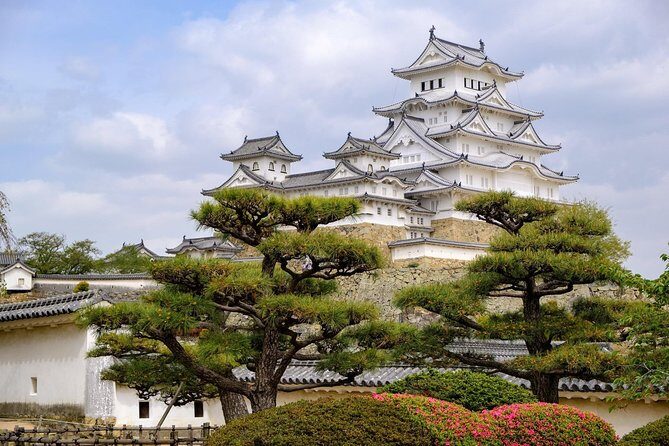
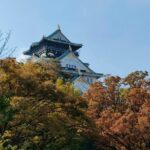
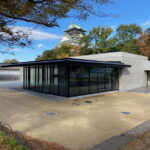
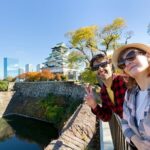
Osaka Castle is one of those sights that everyone recognizes, and that can be a trap. This tour helps you avoid the trap by putting you inside the Osaka Castle Museum and giving you the timeline behind what you’re seeing.
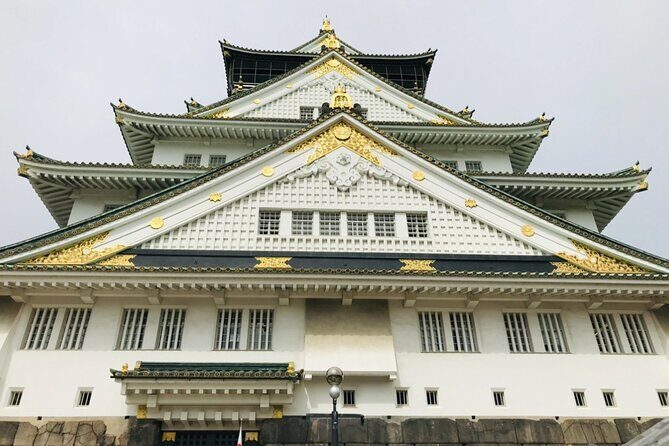
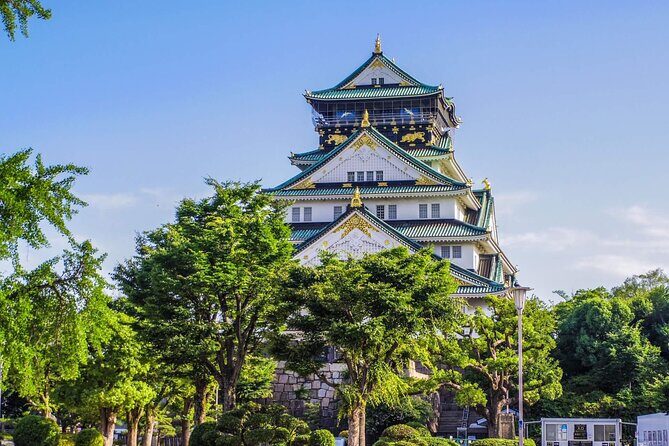
You’ll enter the museum and spend about 2 hours there. The key idea is that the castle you visit is not a single “original” building you can treat like a straight line from the 1500s to today. The castle was completed in 1597, destroyed multiple times over the centuries, and then rebuilt by the Japanese government in 1995. That matters, because it changes how you read the place: it becomes a story about preservation, memory, and what Osaka chose to rebuild and display.
After that, you’re not stuck wandering alone in the general castle area. The guide keeps you on track toward the next stop, which prevents the classic tourist problem of spending too long staring at views and then realizing you have no time left for the rest of the day.
Practical note: if you’re someone who needs lots of silence for photos and you move slowly, consider that the stop time here is set. Two hours can feel perfect—or short—depending on your pace.
Shitennoji Temple: Where the Temple Tour Becomes a Travel History Lesson
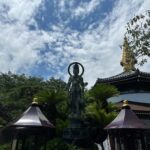
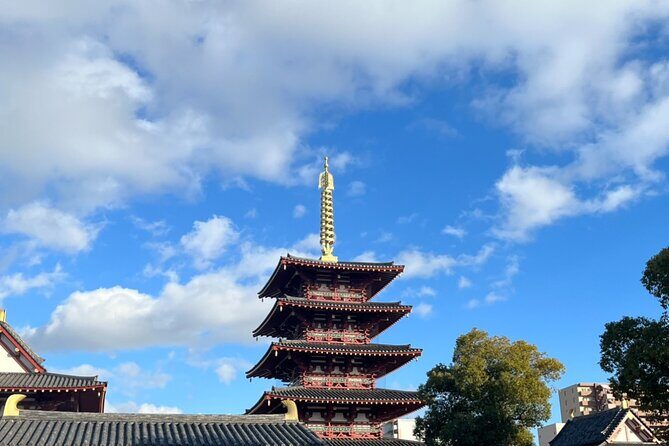
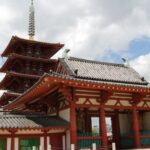
Next up is Shitennoji, and this is where the tour earns its “more than photos” label. You’ll spend about 2 hours in and around the temple grounds, and the focus is on how Buddhism traveled into Japan.
Shitennoji is described here as the first Japanese Buddhist temple in Japan. You’ll connect that claim to a bigger story: Buddhism moving from India to China, and then eventually landing in Japan thousands of years ago. The point isn’t trivia. It’s interpretation. You’ll look at the temple as a landmark of cultural arrival and change, not only as an impressive place to stand and take pictures.
This is also a good “mental reset” after the heavier sightseeing of a castle. The pacing tends to slow down naturally—temples don’t operate like theme parks—and your guide’s explanations help you notice details you might otherwise miss.
Possible consideration: temples are still active spaces. Even though the tour is structured, plan to follow the flow of the site and keep your pace respectful so you don’t feel rushed while others are passing through.
Kuromon Market: One Hour of Food-City Energy (Without Overcommitting)

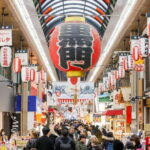
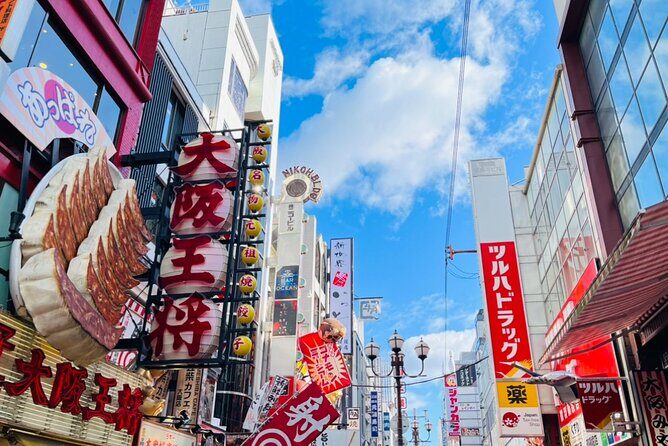
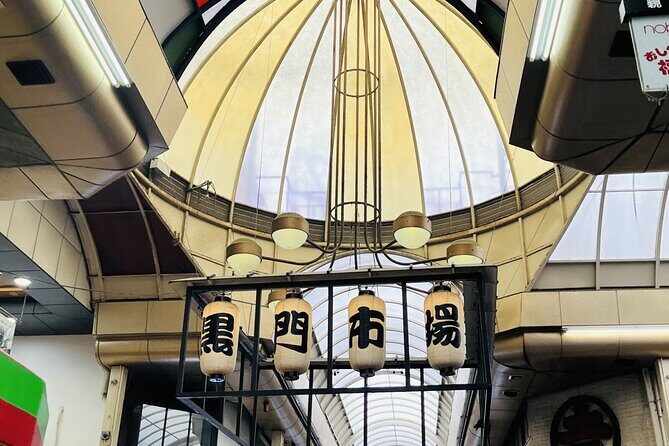
Then you hit Kuromon Market, one of Osaka’s leading food markets. The tour gives you about 1 hour, and that time window is smart. Kuromon is described as having roughly 150 stores in an area around 580 meters south of Sennichimae, selling seafood, vegetables, fruit, food and beverages, and even some clothing.
With only one hour, the strategy changes. You shouldn’t try to “cover” the whole market. Instead, think of Kuromon as a buffet of choices where you pick a couple items that you can commit to quickly. The tour keeps this section short enough that you won’t feel trapped in decision fatigue.
Also, admissions here are free, which means the value of this stop comes from your own sampling. You’ll need to bring your appetite and a flexible attitude. If you’re picky, you might still find something—just aim for quick, simple items first rather than waiting until you’re too hungry to think.
One nice payoff of having this stop is that it grounds the day. Osaka Castle and Shitennoji can feel like separate chapters, but food markets help you understand the daily Osaka tone—what people do between major landmarks.
Dotonbori Tsuribori and the Minami Street Scene
After Kuromon, you move into the Minami area around Dotonbori, including Dotonbori Tsuribori. You’ll spend about 3 hours on this final big section, and it blends three things: a shrine moment, the Dotonbori street vibe, and an ukiyo-e art experience.
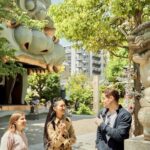
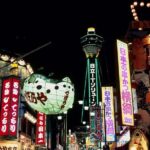
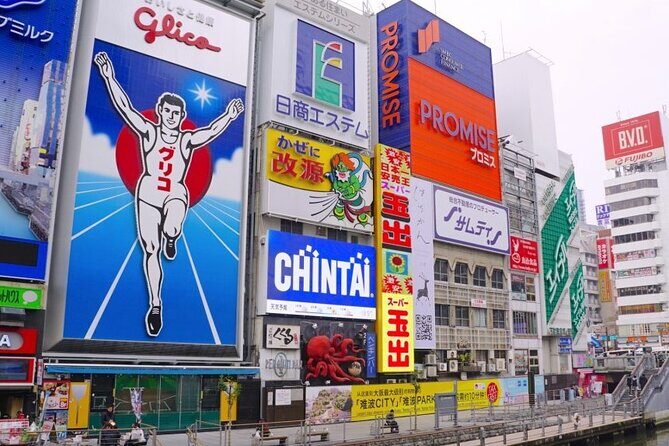
This stop is described as including a unique shrine in the area. Then you’ll walk through the famous Dotonbori scene: the symbolic downtown of Minami, lined with huge three-dimensional billboards. It’s a very Osaka contrast to the earlier temple setting, and the tour uses that contrast well—you’re not forcing the same emotional tone all day.
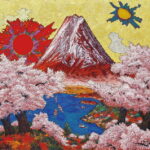
And yes, the tour acknowledges the practical reality: once you’ve had your fill of food, you might still want more. But there’s also a planned cultural moment here: ukiyo-e. The tour points out that the earliest ukiyo-e works were found in the 1670s and that the art flourished from the 17th to the 19th centuries. In other words, you’re not just doing an arts-and-crafts activity—you’re stepping into a tradition with a timeline.
This is also where souvenir shopping fits naturally. In the guide feedback, Wingki is specifically praised for making time for things like ukiyo-e and shopping. That’s exactly what you want on this part of the day: less rushing, more room to choose a few meaningful items instead of buying whatever is closest.
A few more Osaka tours and experiences worth a look

Ukiyo-e Experience: Practical Art-Making, Not Just Watching
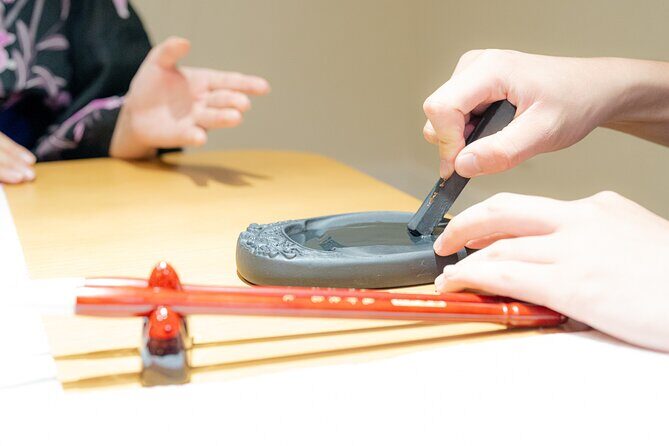
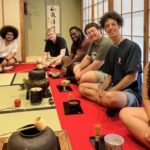
The ukiyo-e experience fee is included, which is a big value signal. A hands-on art session usually costs more than people expect, and it also turns the day from sightseeing into participation.
Because the ukiyo-e portion is scheduled inside the Dotonbori/Minami stretch, you can think of it as a bridge between eras. Earlier, you’re learning about historical places and spiritual history. Here, you’re working with a traditional art form that helped shape what Japan’s images look like to the world.
The tour frames ukiyo-e as a representative image of Japan today, but the best part of booking this type of experience is that it’s not abstract. You leave with something that connects your memory of Osaka Castle and Shitennoji to something you actually did with your own hands.
Tip for the practical side: if you’re trying to pack light, remember that you may want to carry what you make and any souvenirs afterward. Plan for a bag or something sturdy enough for the day’s end.
Getting Back Through Shinsaibashi and Toward Shin-Osaka
After the Dotonbori portion, you’ll walk through Shinsaibashi, Osaka’s main shopping area, and then return toward Osaka and Shin-Osaka Station. This matters because it keeps the day from ending in the least convenient place possible.
Shinsaibashi is where your “I should buy a few last things” energy can land. Since the tour already covers major cultural stops earlier, this shopping time feels like a natural wrap-up rather than a last-minute sales detour.
From a logistics standpoint, using transit to return to major stations is a smart choice. You don’t want your day to end with a long scramble. Here, the tour structure gives you a predictable route back.
Price and Value: What You’re Paying For at $165.19
The price is $165.19 per person, and for a day that includes multiple admissions plus train tickets and a paid art experience, it can be fair—especially if you’d otherwise end up piecing everything together yourself.
Here’s what’s covered:
- Entrance fees for each spot on the tour
- Train tickets required for the tour
- Ukiyo-e experience fee
- Guided tour with an English-speaking guide
And here’s what isn’t:
- Food and drinks
So you’re paying for organization and translation, plus the most expensive parts to plan: admissions and the workshop cost. The tour also caps at 20 travelers, which is the kind of group size that tends to feel more personal than a huge bus crowd.
The value question mostly comes down to your travel style. If you enjoy wandering but hate planning trains, buying tickets, and figuring out timing, this kind of guided loop is worth it. If you prefer freedom above all, you might be able to do the same stops on your own—but you’d trade the structured flow (and the guide support) for control.
How to Prep So the Day Feels Fun, Not Fatiguing
This tour walks for much of the day, so prep is not optional if you want to enjoy it.
- Wear comfortable shoes and socks you trust. You’ll be on your feet through castle grounds, temple areas, market streets, and Minami walking.
- Bring money for food and drinks. The tour doesn’t include meals, and Kuromon is a “taste first, decide later” kind of place.
- Plan for carrying what you buy, including anything from the ukiyo-e session.
- If it’s your first time in Japan, this is exactly the kind of day where you’ll benefit from a guide who can answer questions and help you stay oriented. Wingki is described as accommodating with people who get delayed, which is comforting if your schedule is imperfect.
If weather is a factor, you’re mostly walking outdoors between stops. That means you’ll want to check forecasts and bring a light layer or rain plan. (Japan weather can change fast.)
Also, the tour offers a mobile ticket, so you’re not stuck hunting for paper. Confirmation is received at booking, so you’re not left in limbo waiting.
Who This Tour Suits Best (and Who Should Skip It)
This is a strong match if you want:
- A guided Osaka day with English support
- A mix of history + street life
- A hands-on cultural activity through an ukiyo-e experience
- A smaller group day capped at 20 travelers
It’s also a good fit if you’ve never been to Japan before and you’d rather have someone help you connect the dots. Wingki’s described friendliness and patience—especially when someone is late—fits well with real travel days.
You might skip it if:
- You hate long walking days and would rather do short, separate outings
- You’re on a strict food budget and don’t want to pay for meals on top of the tour
- You prefer to explore on your own with minimal structure
Should You Book Full Day Walking Tour in Osaka Castle Temples and Ukiyoe?
I’d book this tour if you want your Osaka day to cover both the official landmark side and the Minami energy, with train logistics and admissions handled for you. The two-part strength is what makes it compelling: the castle and Shitennoji stops give you meaning, and the ukiyo-e session plus Dotonbori/Sinsaibashi walk gives you memory you can take home.
If you’re flexible, comfortable walking for about 8 hours, and ready to pay for your own food, this is a solid value for a guided, structured day. If you’d rather roam slowly without group timing, then you might choose a lighter plan.
FAQ
How long is the Full Day Walking Tour in Osaka Castle Temples and Ukiyoe?
The tour lasts about 8 hours.
What’s included in the tour price?
The tour includes entrance fees for the stops on the itinerary, train tickets required for the tour, the ukiyo-e experience fee, and a guided tour with an English-speaking guide.
Are food and drinks included?
No. Food and drinks are not included.
Which attractions are part of the itinerary?
The stops listed are Osaka Castle, Shitennoji, Kuromon Market, and Dotonbori Tsuribori with time in Dotonbori/Minami plus an ukiyo-e experience, followed by walking through Shinsaibashi and returning toward Osaka and Shin-Osaka Station.
Are admissions included for all stops?
Admissions are included for Osaka Castle and Shitennoji, and the ukiyo-e experience fee is included. Kuromon Market and Dotonbori are listed as free for admission.
How big is the group?
The tour has a maximum of 20 travelers.
Is there a mobile ticket?
Yes, the tour uses a mobile ticket.
Is the guide English-speaking?
Yes, the tour includes an English-speaking guide.
What’s the cancellation policy?
There’s free cancellation. You can cancel up to 24 hours in advance for a full refund.