REVIEW · HIROSHIMA
Hiroshima Castle 1h guide tour
Book on GetYourGuide →Operated by DeepExperience, Inc. · Bookable on GetYourGuide
Edo-era Hiroshima in one hour. This Hiroshima Castle 1h guide tour is a smart way to connect the Mori clan story, Edo-period life, and the castle’s modern reconstruction—then cap it with views from the tower. It’s centered on the Main Keep (Tenshu), so you get history with your feet on the ground, not just photos from outside.
I particularly like the way the tour turns museum items into a real sense of place. If your guide is Masae (she’s mentioned as excellent and very clear), you’ll follow the exhibits and understand how the castle tied to Hiroshima’s streets and rulers. I also love the practical payoff: you’ll stand at the top for panoramic views of Hiroshima, which makes the whole visit feel like more than an indoor walk.
One consideration: the value depends heavily on the guide’s delivery. One booking noted minimal English and limited proactive explanation, and another reported the activity running longer than the posted time—so this is a great fit when you want guidance, but you should come prepared to make the most of your guide’s style.
In This Review
- Key Highlights You’ll Actually Care About
- Hiroshima Castle’s Main Keep: what this 1-hour tour really centers on
- Finding your guide at the Tenshu entrance (and why the start matters)
- The board-walled keep and the reconstruction story you’ll want to understand
- Inside the tower: Mori clan, Edo-period life, and old Hiroshima streets
- Panoramic views from the top: using height to understand the city
- How long it takes (and how to manage a tight schedule)
- Price and value: why $52 can be worth it—or not
- Who this tour is best for
- What to bring and how to make it smoother
- Should you book Hiroshima Castle 1-hour guide tour?
- FAQ
- Where is the meeting point for this tour?
- What’s included in the price?
- How long is the tour?
- What languages are the live guides?
- Is this a private group tour?
- What should I bring?
- Is there free cancellation?
- Can I reserve now and pay later?
Key Highlights You’ll Actually Care About
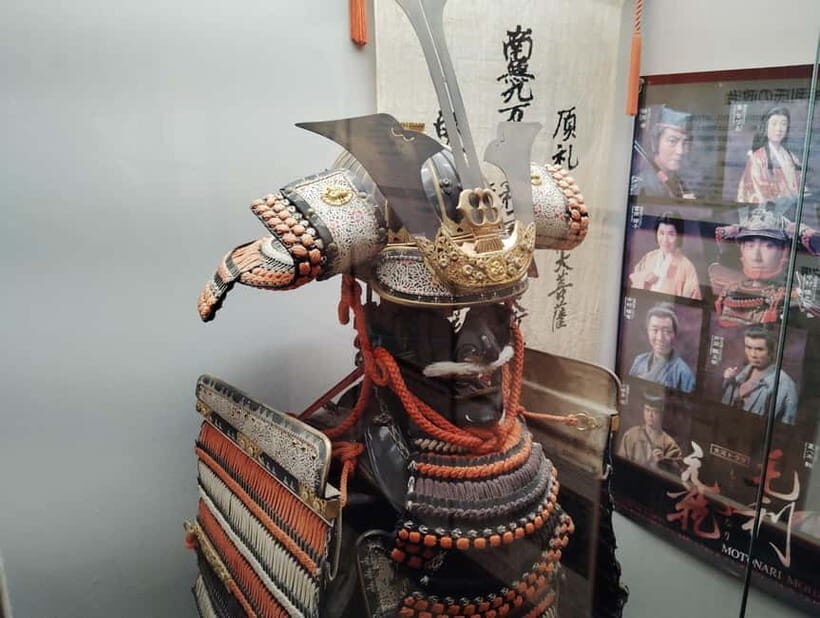
- Tenshu-focused visit: You spend your time in the castle tower, not wandering the grounds for long stretches.
- Mori clan + Edo life connections: Exhibits come with on-the-spot explanations, not just signs.
- Reconstruction story: You’ll understand how the current keep is rebuilt from documents preserved before 1945.
- Top-of-tower views: You get a skyline moment with camera-ready angles.
- Guide experience varies: Reports include both very strong explanations and weaker English, so choose wisely based on what you need.
Hiroshima Castle’s Main Keep: what this 1-hour tour really centers on
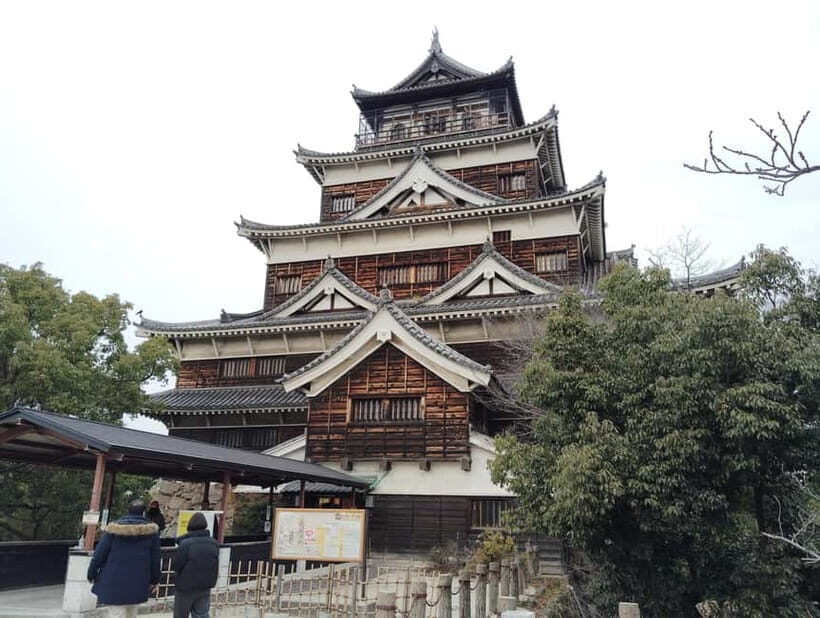
Hiroshima Castle is right in the city center, and this tour makes a key choice: it focuses on the Main Keep (Tenshu). That matters because a lot of castle visits can sprawl. Here, you’re guided through the core experience—tower exhibits plus a viewpoint—so your time stays concentrated.
The castle itself carries a long identity. It’s been a symbol of Hiroshima for more than 300 years, but the look you see today is tied to history’s rupture. The original beauty was lost in 1945, and the current keep is a reconstruction based on documents recorded before the atomic bombing. That gives your visit an extra layer: you’re not only seeing a historic building’s story—you’re seeing how Hiroshima chose to rebuild memory carefully.
You can also read our reviews of more guided tours in Hiroshima


Finding your guide at the Tenshu entrance (and why the start matters)
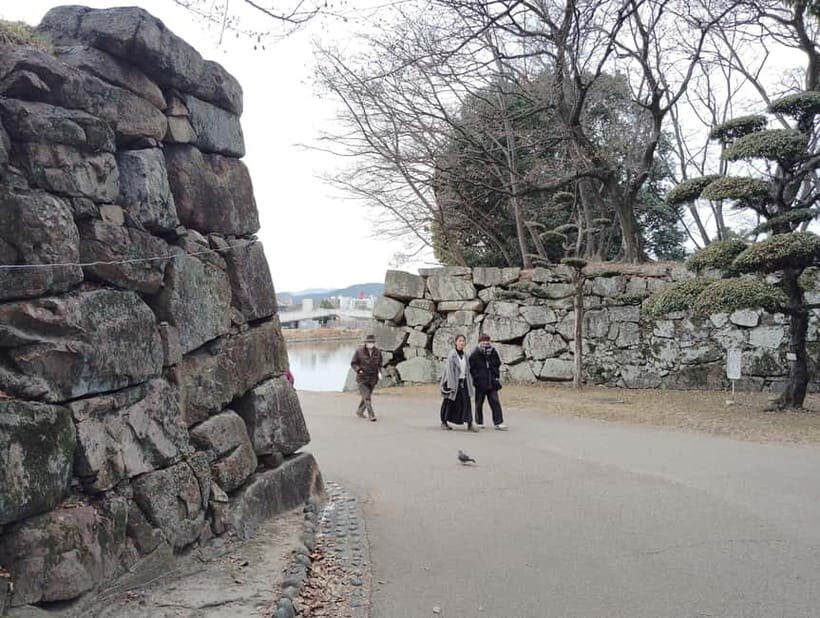
Your meeting point is in front of the Main Keep (Tenshu) of Hiroshima Castle. Your guide waits there with a yellow sign panel with DeepExperience, so you’re not left playing guessing games near ticket gates or crowd edges.
This is a small detail that makes a big difference in Japan. When you’re on a tight schedule, easy starts help you get your bearings fast and spend less time scanning for the right person. If you’re meeting in the middle of the day, also plan for a bit of walking from wherever you’re coming from—this tour is short, and you don’t want your schedule to get eaten up before you even reach the tower doors.
The board-walled keep and the reconstruction story you’ll want to understand
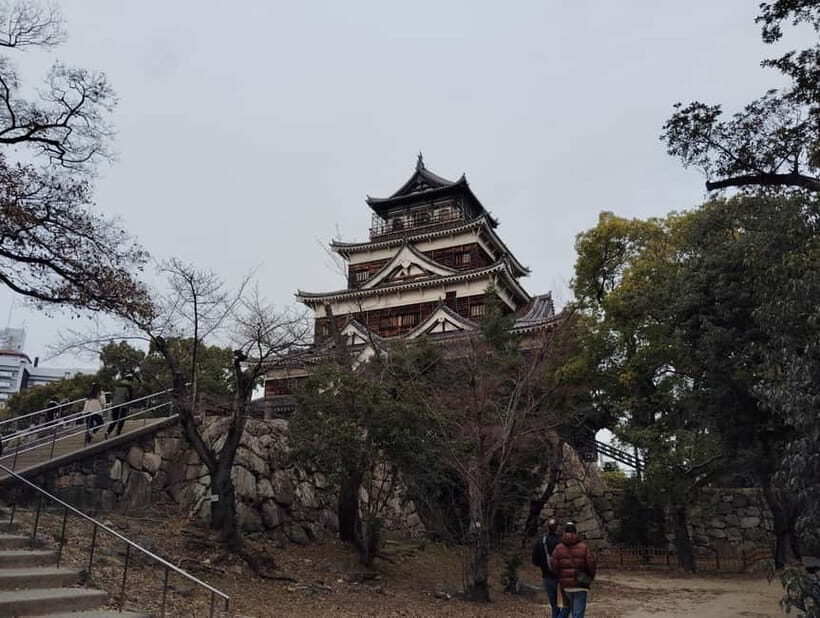
When you hear board-walled keep, don’t just think style. In practical terms, it’s part of how castles like this communicated authority and craftsmanship. Hiroshima Castle is described as having a beautiful board-walled keep, and the scale is part of why it’s such a recognizable landmark.
Then comes the reality check. The current keep is not the pre-1945 structure—it’s reconstructed using documents recorded before the bombing. That means the experience is both historical and interpretive. The building you see today is an act of preservation through reconstruction, and it affects how you should read what’s inside: you’re learning about the past, while standing in a careful restoration of the past’s shape.
If you like context, use that time to pay attention to how your guide frames exhibits. A strong guide won’t treat reconstruction as trivia; they’ll connect it to why Hiroshima rebuilds with intention.
Inside the tower: Mori clan, Edo-period life, and old Hiroshima streets
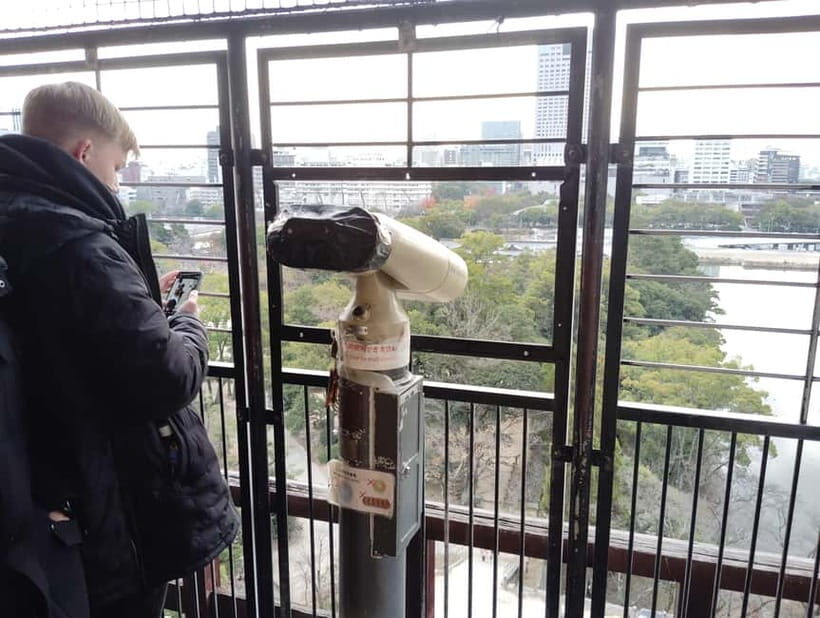
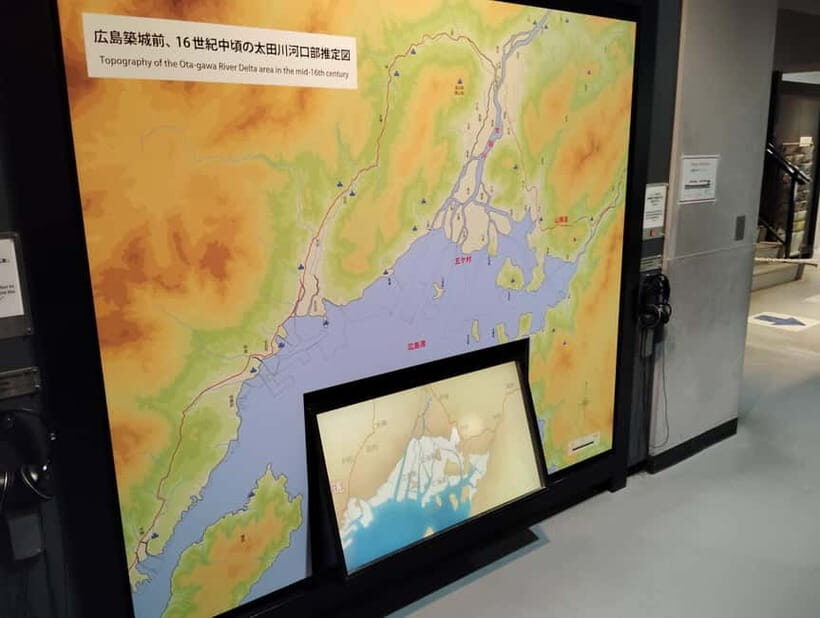
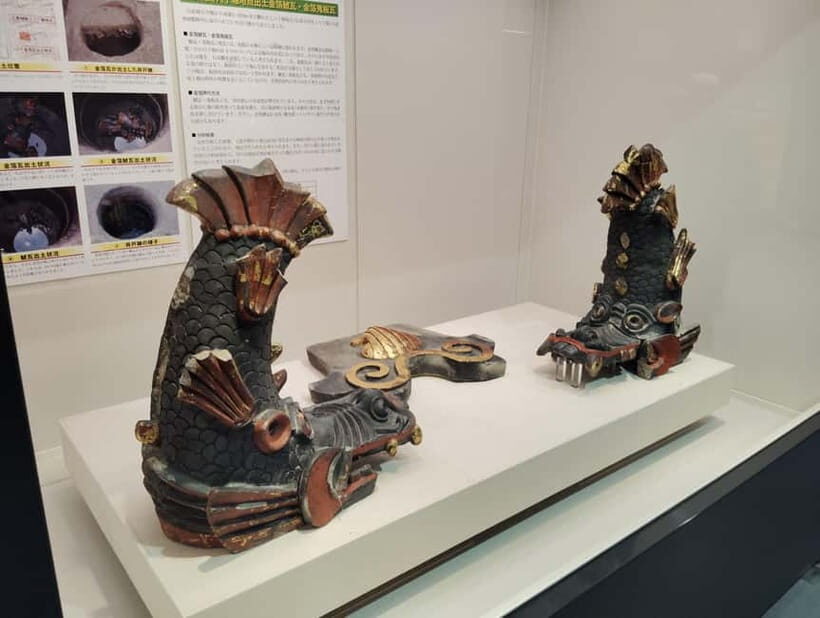
This is the heart of the tour: the castle tower interior, where exhibits explain the Mori clan, life in the Edo period, and past Hiroshima streets. The big value here is translation of time. Without guidance, you might read labels and nod. With a good guide, the exhibits turn into a story you can follow.
Mori clan connections matter because the castle is linked to Hiroshima’s early ruling power. The tour information also notes that Hiroshima Castle was originally built by Mori, the lord of Hiroshima. It was done in imitation of the residence of the powerful man who unified Japan. In other words, the castle wasn’t just a local project—it was a way of signaling place in the larger political world.
What to watch for as you move through the exhibits:
- Look for how the guide connects rule and daily life, not just dates and names.
- Pay attention to old street context, because that helps you mentally map the city beyond the castle walls.
- If your guide uses the tower exhibits effectively, you’ll leave with a clearer picture of what Edo-era Hiroshima felt like as a lived environment.
One reported downside: one booking described a guide who mainly walked without proactive explanation, with English described as minimal. In that scenario, you may feel like you’re paying for access plus a basic presence rather than full interpretation. The fix is simple: if you want depth, treat this tour as a communication-focused experience and confirm your preferred language needs when you book.
Panoramic views from the top: using height to understand the city
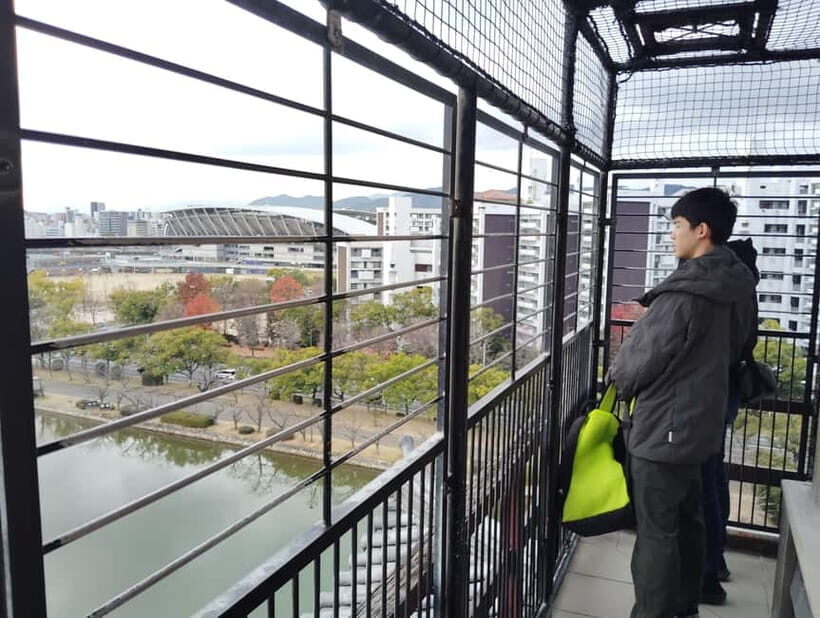
The tour includes a view from the top of the castle tower. That doesn’t sound like much, but it’s a powerful way to lock in what you just learned. When you can see how the castle sits within Hiroshima’s layout, the “streets of Hiroshima in the past” exhibit themes start to make more sense. Your brain makes connections between the city today and the city remembered.
Also, the views are not just for sightseeing. They’re for orientation. If you’re spending time in Hiroshima afterward, having a skyline reference point helps you navigate with confidence.
Bring your camera and take a few minutes to look before you shoot. A quick scan from the top often tells you where major sights cluster, so your later day planning becomes easier.

How long it takes (and how to manage a tight schedule)
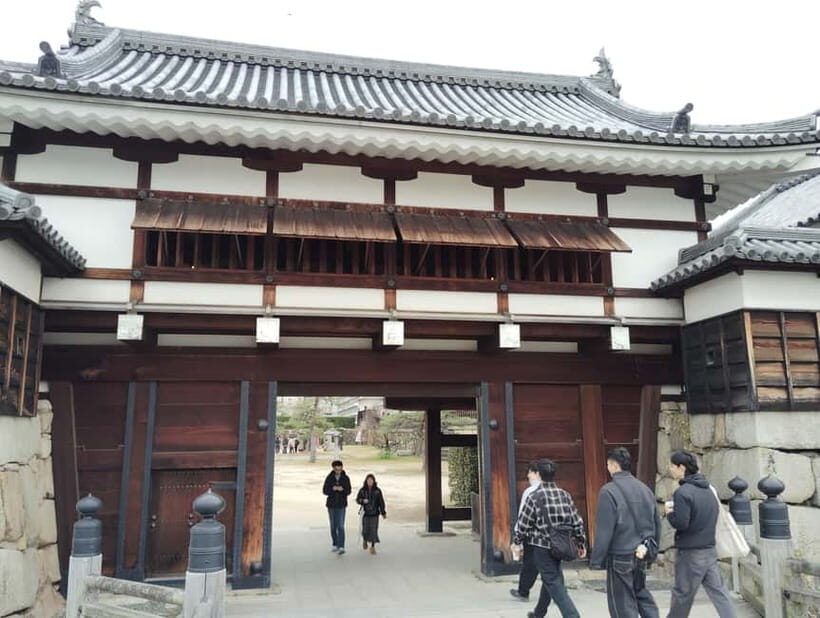
The tour is listed as 1 hour, and it follows a simple format: start at the Tenshu, a photo stop, then the guided tower visit and sightseeing walk, and you return to the meeting point.
Still, one important consideration: one booking reported the activity running about two and a half hours instead of the posted one. That’s not something you can ignore if you’re connecting to another plan right after. My practical advice is to build in buffer time. If you have a dinner reservation or a timed museum entry, schedule the next commitment at least a bit later than you think you need.
If you’re traveling with a group who hates surprises, choose a start time that gives you slack. This tour is a great slot on a flexible day.
Price and value: why $52 can be worth it—or not
At $52 per person, this isn’t a bargain ticket. So you’re paying for three things, not just entry: guided explanations, access to the tower exhibits, and the top viewpoint as part of the package.
Admission to Hiroshima Castle is described in one report as costing less than $3 for entry, which highlights the key pricing logic: most of what you’re buying is the guide’s time and interpretation. When the guide is strong, like Masae was described as very informative and professional, the experience can feel like a meaningful upgrade. You’re not just seeing objects; you’re getting help interpreting them.
When the guide underperforms—limited English, minimal proactive explanation, or shifting into audio listening without guiding—then the tour can feel expensive compared to the baseline entry. In practical terms, you should book this if you want a guide to do the explaining for you.
Who this tour is best for
This one-hour Hiroshima Castle tour works especially well if:
- You want a guided narrative inside the tower rather than reading everything on your own.
- You’re visiting Hiroshima for the first time and want the Mori clan and Edo-period connections made clear quickly.
- You like a mix of indoor exhibits and an outdoor view payoff.
It may be less ideal if:
- Your top priority is maximum content depth in English at a very high level, especially if you rely on nuanced explanation.
- You dislike tours that feel time-pressured. The format is built to fit into about an hour, and shorter windows can reduce how much Q&A you get.
- You’re extremely strict about schedule timing, since some bookings reportedly run longer.
Guide names matter here. Masae is mentioned as excellent and very informative, and Hina is mentioned with kind hosting and helpful explanations. That suggests the experience can shine when the right guide is assigned, so think of it as a guide-quality gamble with a strong chance of payoff.
What to bring and how to make it smoother
This tour asks for the basics: a camera and water. I’d add one more practical idea: bring comfortable shoes for the walk inside the experience flow. Even though it’s short, castle-tower routes include stairs and indoor-to-outdoor movement.
Also, if you’re sensitive to time, keep your arrival tight at the Tenshu meeting point. The guide is waiting at the entrance area with the DeepExperience sign, so don’t show up so early that you’re stuck waiting, and don’t show up late and risk missing the start.
Should you book Hiroshima Castle 1-hour guide tour?
Book it if you want an efficient, guide-led look at Hiroshima Castle that connects the Mori clan, Edo-period life, old Hiroshima street context, and a tower viewpoint in one session. The tour format is built for people who want clarity without doing all the research themselves, and when the guide is strong, it can turn a standard castle visit into a meaningful story.
Skip it or think twice if you need very high-level English narration and you’re worried about guide variability. Since some reports describe weaker explanation and minimal English, you’ll get the best value by choosing this when you’re comfortable with guided interpretation doing the heavy lifting.
If you’re after the castle tower experience with explanations and the chance to see Hiroshima from above, this is a good bet—just plan a little buffer time, and come ready to listen.
FAQ
Where is the meeting point for this tour?
The meeting point is in front of the Main Keep (Tenshu) of Hiroshima Castle.
What’s included in the price?
The price includes admission to Hiroshima Castle, access to the tower exhibits (including Mori clan, Edo-period life, and past Hiroshima streets), local guide explanations, and the view from the top of the castle tower.
How long is the tour?
The duration is listed as 1 hour.
What languages are the live guides?
The live tour guide is available in English and Japanese.
Is this a private group tour?
Yes, it’s described as a private group.
What should I bring?
Bring a camera and water.
Is there free cancellation?
Free cancellation is available up to 24 hours in advance for a full refund.
Can I reserve now and pay later?
Yes, the option is Reserve now & pay later, with pay nothing today.