REVIEW · TOKYO
Tokyo: Private Walking Tour With Fresh Eyes, Local Hearts
Book on GetYourGuide →Operated by Exploring_Tokyo · Bookable on GetYourGuide
Tokyo makes sense faster with a local guide.
What I like here is the private pace: you choose how long you walk, then your itinerary is shaped around what you actually want to see. You can build the day around temples and shrines, or focus on big-name neighborhoods like Shibuya and Tsukiji.
Two things I really value: first, the guide contact process, so you’re not guessing what to do once you land. Guides reach out within about two weeks of the tour to discuss interests and timing, then adjust the route. Second, the way the tour mixes famous stops with quieter streets, so you get context for what you’re seeing and not just photos.
One possible drawback: it’s still walking plus public transportation, so if you pick an “all day” option, you’ll want comfy shoes and a realistic pace.
In This Review
- Key reasons this tour works well
- A private Tokyo walk that’s built around you
- Price and what $25 gets you (and what it doesn’t)
- How the 1, 2, 4, 6, and 8-hour options change your day
- Where you’ll start: meeting point and optional hotel pickup
- Imperial Palace area and Tsukiji Outer Market: history meets morning energy
- Shibuya Crossing, Meiji Shrine, and Yoyogi Park: big sights, controlled pace
- Asakusa Culture Center and Asakusa Shrine: Tokyo’s older face
- Shinjuku, Shinjuku Gyoen, and Golden Gai: neon and quiet in one block
- Akihabara and Super Potato: tech culture with a personal guide
- Takeshita Street and Yoyogi Park: youth style without the chaos spiral
- Nezu Shrine and Nezu Museum: a quieter Tokyo break
- Tokyo Tower and Zojo-ji: one skyline, one temple
- Ueno Park, Ameyoko, and Toshogu Shrine: park time plus shopping street
- Gardens beyond Shinjuku Gyoen: Kiyosumi, Hama-rikyu, Koishikawa Kōrakuen, and Rikugien
- Gotokuji Temple and Kanda Shrine: offbeat Tokyo with a guide’s context
- Transport and walking reality check (so you can enjoy it)
- Who should book this private walking tour?
- Should you book this tour?
- FAQ
- How long is the tour?
- Is this tour private?
- What does the price include?
- Are meals included?
- Do I need to pay for transportation?
- Where will we meet the guide?
- Will the guide contact me before the tour?
- What languages are available for the guide?
- Is the tour wheelchair accessible?
- What is the cancellation policy?
Key reasons this tour works well
- Private group means the route can flex to your interests instead of fitting a one-size schedule
- English or Japanese guide options keep things clear without slowing you down
- Customized itinerary starts with a message from the guide within about two weeks
- Iconic + local neighborhoods lets you see Shibuya, Tsukiji, Asakusa, Akihabara, and more
- Family-friendly flexibility shows up in how guides handle breaks and elevator detours when needed
A private Tokyo walk that’s built around you
The big idea is simple: you’re not booking a bus tour with a headset. You book a private walking experience where your guide chooses the best route for your energy and curiosity. There are also clear theme options, like temple and shrine time, or a focused day on standout neighborhoods such as Shibuya Crossing or Tsukiji Outer Market.
This is the kind of tour that can make your first day feel less chaotic. One review mentioned Toko meeting at the airport and walking through train basics for a stress-free start. Another mentioned Momo teaching Japanese culture in a way that made the city feel easier to read, not just bigger.
You can also read our reviews of more walking tours in Tokyo
Price and what $25 gets you (and what it doesn’t)
At $25 per person for a private walking tour, the value comes from the guide time and the flexibility. You’re paying for a local to help you connect the dots—where to go, how to move between areas, and what to notice once you’re there. Even the “short” options can be worth it if you’re trying to save time and avoid wasting energy on wrong turns or overly touristy loops.
What’s not included is also important. Meals and drinks are on you, and transportation fees are not covered. The tour relies on walking and public transport, so you’ll want to have your transit plan sorted in advance.
How the 1, 2, 4, 6, and 8-hour options change your day
The duration range is the quiet superpower here. You can pick a tight 1 or 2-hour intro if you’re jet-lagged or only want one neighborhood. Or you can go 4 to 8 hours if you want a full arc across Tokyo—temples, markets, shopping streets, and viewpoints.
One practical way to choose:
- If you’re first-time in Japan, lean toward a route that includes major landmarks plus at least one “learn what you’re seeing” stop (temples, shrines, or a cultural area).
- If you’re a repeat visitor, pick a day that starts with your favorite neighborhood and uses the rest of the time for matching side streets and quieter nearby stops.
Your guide also adjusts the pacing. A review with an infant noted how the guide handled bathroom breaks and even elevator detours. That’s a useful sign: the tour can flex without turning into a forced march.
Where you’ll start: meeting point and optional hotel pickup
Since your total time is limited, the meeting point depends on the option you choose. The guide designates a place in an area you’re most interested in, such as Shibuya, Shinjuku, or Tsukiji.
Hotel pickup is optional. If you want it, you request your hotel or another location, and the guide coordinates it ahead of time using WhatsApp or email. This matters because Tokyo can chew up time with transfers—starting close to where you want to go helps you actually spend the day seeing.
Imperial Palace area and Tsukiji Outer Market: history meets morning energy
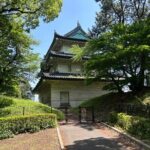
When your day starts in the Imperial Palace area, you get a classic Tokyo anchor: a sense of Japan’s central story before you hop into the city’s louder layers. It’s guided sightseeing and walking, which is ideal if you like understanding what’s around you rather than just passing it.
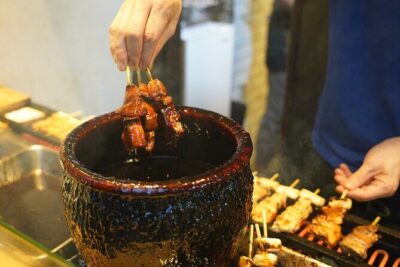
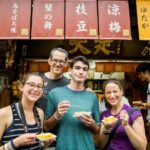
From there, Tsukiji Outer Market adds a very different flavor. Expect a guided walk through the market’s lively lanes, with time to look around and understand the rhythm of the area. Even if you don’t plan a “food tour” in the strict sense, you’ll still get the atmosphere—vendors, shopping streets, and a daily rhythm that feels unmistakably Tokyo.
Tip for your comfort: Tsukiji can be crowded. A private guide helps you keep moving and avoid aimless backtracking.
You can also read our reviews of more private tours in Tokyo


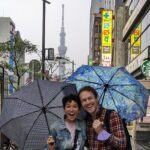
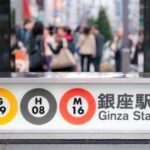
Shibuya Crossing, Meiji Shrine, and Yoyogi Park: big sights, controlled pace
Shibuya Crossing is the Tokyo headline. In a private format, you can do more than stand there for ten seconds. Your guide can time it so you’re not just swallowed by crowds, and you’ll get a bit of cultural context for why the area feels like a symbol of modern life.
Meiji Shrine then cools the tempo. This is a strong pairing because it gives you contrast: loud city crossing energy, then a shrine setting where you can slow down. You’ll be guided through the visit and sightseeing on foot.
Add Yoyogi Park and you’ve got another transition zone. Park time works well in a longer itinerary because it breaks the day so your legs don’t revolt halfway through Shinjuku or Akihabara.
Asakusa Culture Center and Asakusa Shrine: Tokyo’s older face
Asakusa is where many people start to feel the “other Tokyo.” Beginning at the Asakusa Culture Tourist Information Center is a smart move because it sets you up with orientation before you head into the shrine area.
Then you reach Asakusa Shrine, which is the kind of stop you’ll enjoy more when you understand the basics of what you’re looking at. The value of a guide here isn’t just translation—it’s knowing what to pay attention to and how to behave respectfully.
If you only have a short day, Asakusa is a great pick because it’s iconic without requiring a dozen transfers. In a longer day, it works as a grounding reset between modern districts.
Shinjuku, Shinjuku Gyoen, and Golden Gai: neon and quiet in one block
Shinjuku is the “everything happens here” district. A private walking tour is a good way to experience it because you can choose the kind of vibe you want—busy streets and major sights, or a calmer detour when your feet start to feel it.
Shinjuku Gyoen National Garden is one of the strongest mid-day balance moves on the itinerary. Gardens are practical on a walking tour: they give you shade, seating breaks, and a slower rhythm that makes the rest of the city easier to enjoy.
Golden Gai is the night-leaning side of Shinjuku. Even if you’re not making it a late-night bar crawl, it’s a fascinating slice of Tokyo’s small-lane identity. The guided format helps you understand the area’s feel so you don’t just wander in circles.
Akihabara and Super Potato: tech culture with a personal guide
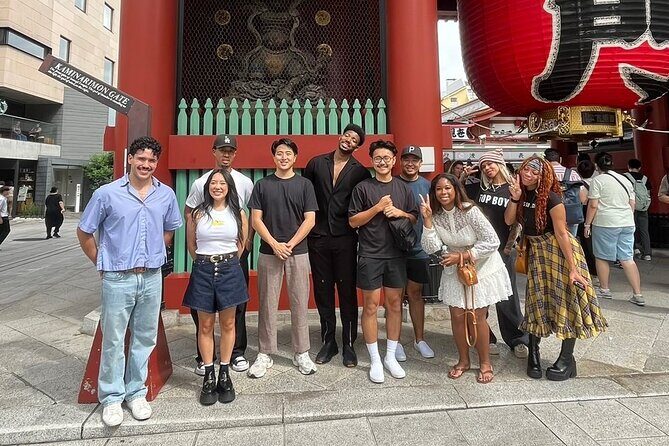
Akihabara Electric Town is an experience by itself. With a guide, you’re more likely to walk away with useful context—what kinds of shops are where, what you might actually want to look for, and how to navigate the area efficiently.
If your interests include gaming or retro electronics culture, a stop like Super Potato in Akihabara adds a very specific flavor. It’s the kind of place you could miss if you’re only scanning maps. A guided route helps you land on stops that match your interests, not just your curiosity at the moment.
Takeshita Street and Yoyogi Park: youth style without the chaos spiral
Takeshita Street is famous for a reason, but in a private tour you’re not stuck in a single direction with everyone else. Your guide can help you move through the area while still leaving time to notice details instead of just surviving the crowds.
Paired with Yoyogi Park, it becomes a practical two-step: high-energy shopping street, then a calmer outdoor break. For longer itineraries, this combination makes your Tokyo day feel less like a checklist.
Nezu Shrine and Nezu Museum: a quieter Tokyo break
Not every itinerary includes Nezu Shrine and the Nezu Museum, which is exactly why they work well if you’re tired of only the most obvious stops. This is a slower, more reflective segment of the day that can balance out the louder neighborhoods.
A guide helps here in a simple way: you’ll know how to read what you’re seeing—what makes the space feel different and how it fits into Tokyo beyond the big districts. One review credited Momo with helping guests understand Japanese culture, and Nezu-style stops are the kind of place that benefit from that “connect-the-dots” approach.
Tokyo Tower and Zojo-ji: one skyline, one temple
Tokyo Tower is a clear “viewpoint” anchor. In a walking tour format, it’s more useful than it sounds because it gives you a skyline marker. Your guide can frame what you’re seeing so it feels less random and more like part of the city’s plan.
Zojo-ji Temple then adds the spiritual counterpoint. Temple stops can feel like a pause on paper, but with guidance they become part of your story: how Tokyo preserves older religious spaces while modern landmarks rise nearby.
Ueno Park, Ameyoko, and Toshogu Shrine: park time plus shopping street
Ueno is a strong choice because it mixes nature, culture, and everyday commerce. Ueno Park gives you space to breathe on foot. Then you can move into Ameyoko Shopping Street, where the energy changes fast—more stalls, more movement, and more of that street-level Tokyo feel.
Toshogu Shrine adds another layer of “Tokyo meaning.” Guided sightseeing here helps you understand why this place matters, and what to focus on while you’re there.
Gardens beyond Shinjuku Gyoen: Kiyosumi, Hama-rikyu, Koishikawa Kōrakuen, and Rikugien
If you like the idea of Tokyo as something more than skyscrapers and shopping malls, the garden section is a big win. The itinerary includes several garden options depending on your time window, such as:
- Hama-rikyū Gardens
- Kiyosumi Gardens
- Koishikawa Kōrakuen
- Rikugien
Here’s why this matters: gardens act like the best kind of pause. On a walking tour, that pause is not luxury—it keeps the day enjoyable. If you’re booking a longer option, I’d prioritize at least one garden, because it prevents the trip from turning into nonstop street pounding.
Gotokuji Temple and Kanda Shrine: offbeat Tokyo with a guide’s context
Some Tokyo stops feel slightly less famous, yet still memorable. Gotokuji Temple is one of those picks. In a private tour, a guide can highlight why it’s worth your time and what to pay attention to when you’re standing right there.
Kanda Shrine adds another classic shrine experience. When you’ve already seen other temple/shrine areas, the guided comparison helps you notice patterns—how each shrine space has its own personality even when the atmosphere stays recognizably Japanese.
Transport and walking reality check (so you can enjoy it)
This tour is built around walking and public transportation. That’s perfect if you want to feel Tokyo up close, not from a window. But plan for real movement.
Practical notes:
- Wear comfortable shoes. This isn’t a sit-down experience.
- Build breaks into your day by choosing a duration that matches your stamina. If you’re short on time, go focused.
- If you need step-free paths or extra accommodations, the tour is marked wheelchair accessible, and the guide can handle detours. One review mentioned elevator detours working well for an infant, which is a good sign for flexibility.
Who should book this private walking tour?
This is a great fit if:
- You want a first-day orientation that doesn’t waste time.
- You like temples and neighborhoods, not just major landmarks.
- You need flexibility for family needs, pacing, or specific interests.
- You prefer a guide-led route so you don’t spend the day working out how to get everywhere.
It’s also ideal for short schedules. Even a smaller time option can cover a meaningful “slice” of Tokyo when your route is tailored.
Should you book this tour?
I’d book it if your goal is simple: understand Tokyo fast, with less stress. At $25 per person for a private guide, it’s a strong deal when you factor in customization and the fact that you’re not paying for a generic group route.
Skip it or choose a shorter duration if you want a low-effort day with minimal walking and no public transport. This is a “use your legs and eyes” experience.
If you do book, pick the theme that matches your mood—temples and shrines for meaning, Shibuya/Tsukiji for intensity, gardens for a reset—and tell your guide what you care about. That’s where the tour becomes more than a checklist.
FAQ
How long is the tour?
The tour duration is 1 to 8 hours, and you can choose options that fit your schedule (listed as 1, 2, 4, 6, or 8 hours).
Is this tour private?
Yes. It’s a private tour/activity, and only your group participates.
What does the price include?
Included items are the local guide, guided tour, local insights, and hotel pickup (if you request it). Your group type stays private.
Are meals included?
No. Meals and drinks are not included.
Do I need to pay for transportation?
Transportation fees are not included. The tour uses walking and public transportation, so you’ll want to have transit ready.
Where will we meet the guide?
The meeting point depends on the option and your interests, with examples including Shibuya, Shinjuku, or Tsukiji. Pickup is optional from your hotel or another requested location.
Will the guide contact me before the tour?
Yes. The guide contacts you after booking within about two weeks before the tour to discuss and arrange your itinerary.
What languages are available for the guide?
The live tour guide is available in English and Japanese.
Is the tour wheelchair accessible?
Yes, it is listed as wheelchair accessible.
What is the cancellation policy?
Free cancellation is available up to 24 hours in advance for a full refund.