REVIEW · TOKYO
Tokyo: Local Foodie Adventure near Roppongi
Book on GetYourGuide →Operated by Japan Hopping · Bookable on GetYourGuide
Tokyo has a quieter snack trail. In Azabujuban, just off Roppongi, I love how a local guide like Ellen turns everyday alleys into a mini history lesson while you eat your way through the neighborhood. I also like the real-person pace: a small group of about 1–4 means you actually get to ask questions, chat with staff, and get store-by-store context, not just follow a script.
One thing to think about: the food lineup can shift based on shop availability, and while the included bites are meant to fill you up, additional food and drinks cost extra.
In This Review
- Key Points to Know Before You Go
- Azabujuban: The Tokyo Side You Don’t See From Roppongi
- Meet at Oslo Coffee: How the Morning (and Walking) Works
- Snacks Stop by Stop: Yakitori, Taiyaki, Oden, and the Rest
- Shrines and Temples for Good Luck (Plus Cultural Context)
- Gift Shopping in Shops That Have Survived Tokyo
- Sailor Moon Fans: Real-Life Spots Linked to Naoko Takeuchi
- Ellen’s Guide Style: Friendly, Prepared, and Tailoring Stops
- Price and Value: Is $71 Worth It for Azabujuban Food?
- Should You Book This Azabujuban Local Foodie Adventure?
- FAQ
- What’s included in the tour?
- Where do I meet the guide?
- Is transportation included?
- Will I be able to eat enough during the tour?
- Does the tour include alcohol?
- What language is the tour in?
- How big is the group?
- What’s the cancellation window?
Key Points to Know Before You Go

- Start at Azabujuban Station Exit 4 near Oslo Coffee with the Japan Hopping Tours logo
- Eat 5 different Japanese treats, with examples like yakitori, mame daifuku, taiyaki, and oden
- Visit local shrines and temples for good luck, with neighborhood context along the way
- Shop for gifts at stores that are part of Azabujuban’s long-running character
- Small-group format (1–4 people) keeps the experience personal and question-friendly
- Sailor Moon fans get real-life inspiration spots, connected to Naoko Takeuchi
Azabujuban: The Tokyo Side You Don’t See From Roppongi
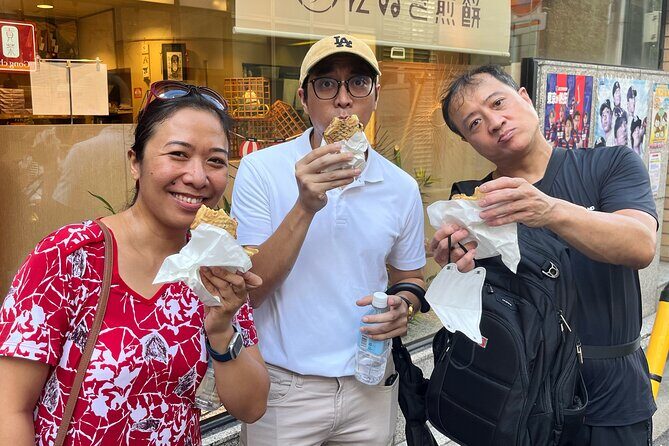
Roppongi can feel like a whole different city: bright, international, and fast. Azabujuban is the change of pace you came to find. It’s a quieter neighborhood with a long-running identity, and it’s packed with shops—300+ that have kept their doors open for almost a century. That matters, because you’re not just walking past “interesting streets.” You’re seeing a working neighborhood where people still go for everyday things like snacks, treats, and gifts.
This tour is built around that idea: food plus place. You’ll get the story behind what you’re eating—why a shop is there, what kind of local reputation it has, and how the neighborhood’s culture shows up in everyday choices. That’s why the experience feels more like talking with Tokyo than ticking off landmarks.
I also like that it’s not trying to be a museum tour. You’ll mix shrine/temple visits with shopping and eating. You’ll even have chances to meet and chat with local residents. That kind of human contact is where Tokyo often surprises you—in the small conversations, the restaurant staff reactions, and the way locals casually explain what they take pride in.
If you’re the kind of traveler who thinks, Food is good, but I want the why, this fits you.
A few more Tokyo tours and experiences worth a look

Meet at Oslo Coffee: How the Morning (and Walking) Works
Your tour meeting point is easy to spot once you know what to look for: Azabujuban Station, Exit 4, in front of Oslo Coffee with the Japan Hopping Tours logo.
From there, the rhythm is simple: walk, learn a bit, eat, shop, learn more, repeat. You’re on your feet, so bring comfortable shoes and expect a moderate amount of walking. The group stays small—typically 1–4 people—so guides can adjust the pace and stops to what you’re curious about.
This small-group setup is one of the biggest practical wins. In a larger crowd, you often just keep moving. Here, the guide can slow down when you want details about a snack, or when you’d rather spend a minute longer in a shop. Ellen’s approach, based on what I found from the experience, is to stay warm and responsive—she answers questions and can tailor stops to your needs.
Plan for a day where you’re not trying to squeeze in extra activities right before or after. The whole point is letting the neighborhood guide your appetite.
Also: you’ll get an alcoholic beverage included (one). If you don’t drink alcohol, that’s something you should confirm with the operator ahead of time, since the info here only says it’s included—not how substitutions work.
Snacks Stop by Stop: Yakitori, Taiyaki, Oden, and the Rest
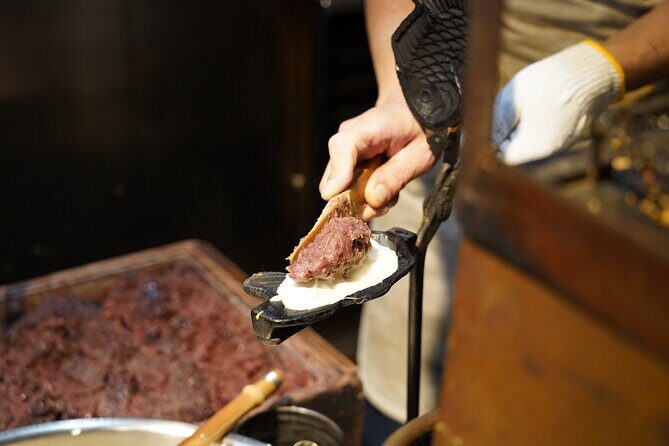
This is a 5-treat food tour. What you taste depends on the day and store availability, but the menu examples give you a solid idea of the range—savory, sweet, and comforting.
Here are the types of treats you should expect to look for:
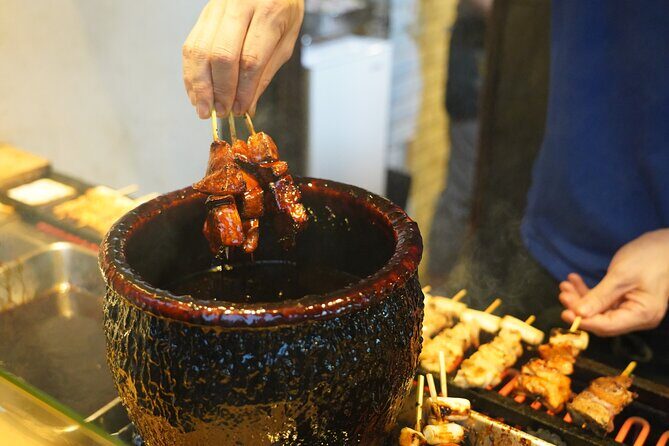
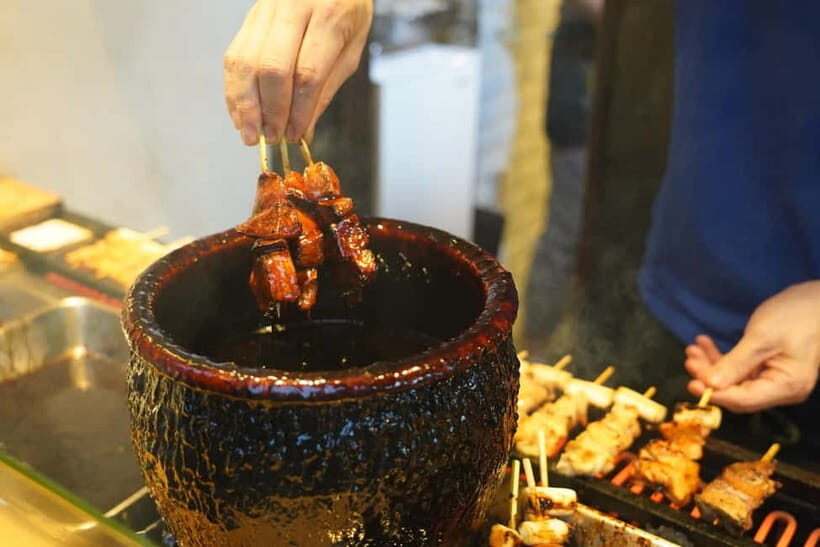
- Yakitori: Grilled skewers with that smoky-salty comfort. On a neighborhood tour, yakitori is perfect because it’s easy to eat while learning, and it highlights how Japanese “fast food” can still feel personal—each shop has its own rhythm and seasoning style.
- Mame daifuku: A sweet bite built around beans and soft mochi-like texture. If you’ve only had modern candy sweets, this is the reminder that traditional Japanese sweets are built on texture as much as flavor.
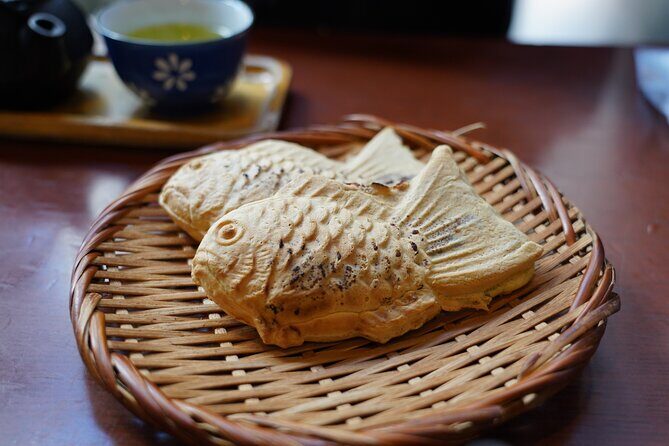
- Taiyaki: Crispy on the outside, warm and soft inside. It’s the kind of snack that tastes even better while walking because it hits that hot-and-crisp contrast you can’t get from a cold dessert.
- Oden: A savory, homemade-style comfort food with slow-cooked depth. Oden is a great mid-tour reset when you need something warm and filling.
- Other examples you might run into depending on the day: pastries, omelettes, and sushi.
One practical thing I appreciate: the tour description makes it clear the food should be enough to fill you up. That doesn’t mean you can’t crave more after, but it helps you plan. You’re getting multiple stops, so you’re not stuck with a single tiny taste or one big meal that kills your appetite for everything else.
And because you’re walking through the actual shops, you’re not just buying food—you’re learning what makes each place’s version worth ordering. That’s the difference between tasting random street snacks and doing an Azabujuban food crawl with context.
Shrines and Temples for Good Luck (Plus Cultural Context)
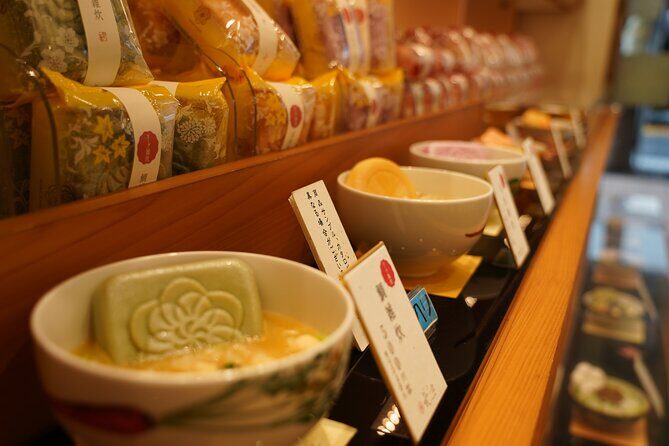
The tour includes visits to local shrines and temples. For a lot of travelers, this is the “spiritual detour” you didn’t plan on. For you, it’s more like a palate cleanser from snack-focused sightseeing.
These stops matter because they put the neighborhood into a longer frame. Azabujuban isn’t described here as a place built around one famous landmark; it’s a neighborhood with identity. Shrines and temples act like cultural anchors in that story. They also help you understand why the area feels the way it does—quiet, respectful, and lived-in rather than engineered for tourists.
I like that the guide ties it back to the neighborhood, instead of treating it as a checkbox. When you hear small details about why people visit, and how locals think about good fortune, the whole experience starts to feel more connected to everyday life. You’ll see how a shrine or temple visit fits into the same day as buying snacks and browsing gifts.
If you’re traveling solo or with friends and you want a tour that feels like Japan’s culture has layers—not just food—this religious/cultural pacing is a big part of the value.
Gift Shopping in Shops That Have Survived Tokyo
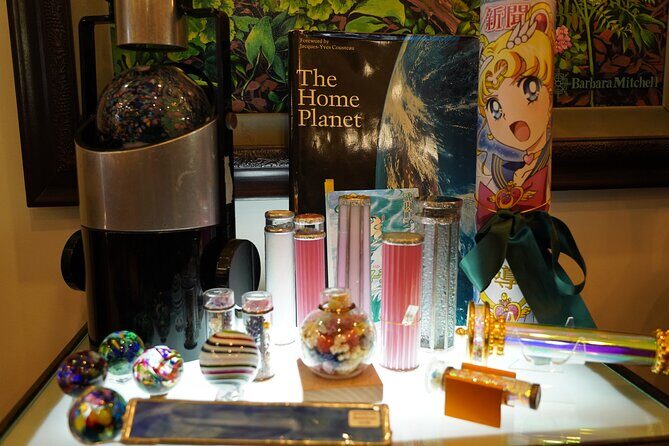
Food brings you in. Shopping helps you leave with something real.
One of the standout parts of this experience is that you’ll have time to shop for gifts at unique stores only found in Azabujuban. That’s not just a marketing line; it’s the logic of the neighborhood. When a shop is tied to a specific area that’s stayed active for decades, you tend to find products that feel local rather than interchangeable.
A good way to think about this segment: you’re not hunting for souvenirs that could be from any mall in any city. You’re browsing for items that make sense in the context of the neighborhood you just walked. If you’re buying for friends back home, this is where your photos and your stories line up with something tangible.
Also, shopping on foot during a small-group tour is calmer. You’re not constantly switching train lines or herding in and out of crowds. You can take your time, ask questions, and compare what different shops offer—without making it a whole separate activity.
If you’re the type who likes practical souvenirs (tea, small sweets, small items), you’ll probably appreciate this more than the more traditional “postcard shop” stop.






Sailor Moon Fans: Real-Life Spots Linked to Naoko Takeuchi
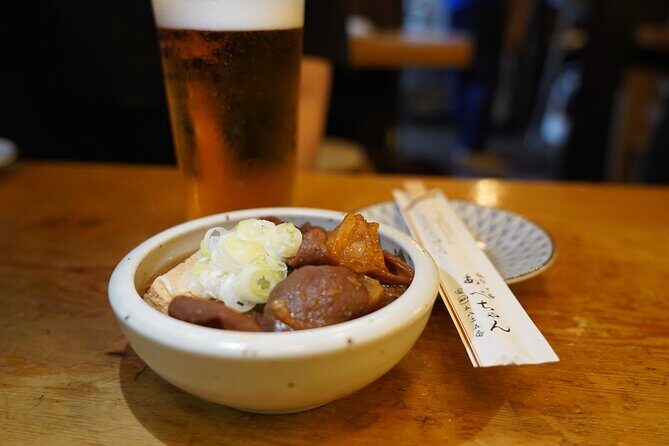
If you’re a Sailor Moon fan, this tour includes a fun extra layer: real-life places that inspired the setting for manga creator Naoko Takeuchi.
Even if you’re not deeply obsessed with the series, I like this add-on because it keeps the connection to place. Instead of treating anime as a separate world, you’re seeing how creative ideas draw from real neighborhoods—street energy, building types, and the way areas feel. That makes it less cosplay, more context.
And it’s especially satisfying because you’re not doing this as a quick photo stop. You’re still in Azabujuban, moving through the same streets with shrines, snack shops, and local stores. So the Sailor Moon element feels like part of the neighborhood experience rather than a detour that steals attention.
Bring your curiosity. If you’re the kind of fan who likes spotting details, you’ll likely enjoy how the guide connects pop culture to real Tokyo.
Ellen’s Guide Style: Friendly, Prepared, and Tailoring Stops
The experience leans heavily on the guide. In this case, Ellen is repeatedly described as well-prepared and friendly, with the kind of knowledge that’s useful—not just recited facts.
What stands out in how this tour feels: it isn’t rigid. Ellen answers questions, supports requests, and adjusts the stops based on what the group wants. That flexibility shows up in the food choices and the sequencing of where you go next. It also shows up in the tone. It feels like a conversation with Tokyo, not a lecture.
There’s also a social side built into the restaurants and shops. The experience includes encounters with staff, and you may even meet other people during the stops. That’s one reason I like small-group food tours in neighborhoods like Azabujuban: they’re easier for locals to treat as normal visitors rather than a giant parade.
If you’re worried about language barriers, you’re in good shape here because the tour runs in English. You can ask direct questions about what you’re tasting, what it means locally, and why a shop does what it does.
Bottom line: the guide’s quality is part of the product. When a guide is genuinely enthusiastic and prepared, you get better food choices and a more memorable story—not just a list of items.
Price and Value: Is $71 Worth It for Azabujuban Food?
At $71 per person, you’re paying for more than five snacks. You’re paying for time, translation in the form of explanations, and access to a neighborhood that most people speed through without noticing.
Here’s what’s included:
- 5 different Japanese treats (selection varies by day)
- 1 alcoholic beverage
And here’s what’s not included:
- Additional food and drinks
- Transportation costs
So the value math is basically: you’re grouping multiple tastings and cultural stops into one guided outing. If you’ve ever tried to do this solo, you know it’s harder than it sounds. You might find one good snack, maybe two. Getting five different treats across a meaningful neighborhood route takes planning, and that’s exactly what you’re outsourcing.
Also, the small-group size (1–4 people) helps justify the price. That level of attention costs something, and it’s what turns a food walk into an actual local experience.
One small caution: because extra food and drinks aren’t included, don’t plan to treat this as an unlimited buffet. The tour description says the food should fill you up, which helps. Still, if you’re a heavy snacker, you might want to budget for extra bites afterward.
If you want an Azabujuban experience that feels like Tokyo lived-in and not like a theme park, the $71 starts looking pretty reasonable.
Should You Book This Azabujuban Local Foodie Adventure?
Book it if you want:
- A local-food-focused Tokyo experience near Roppongi
- Five tastings plus cultural stops like shrines and temples
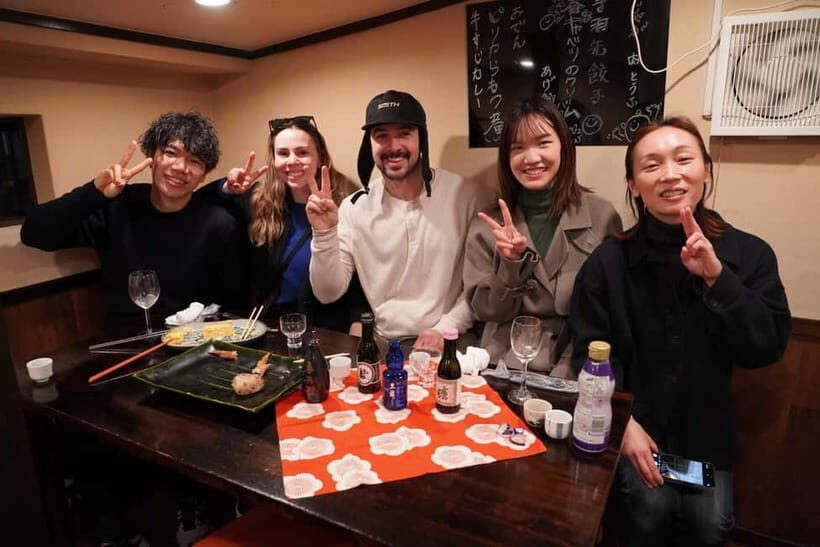
- A small-group vibe that lets you ask questions and actually connect
- A guide-led tour with someone like Ellen, who brings history and shop context to what you’re eating
- Fun add-ons for Sailor Moon fans, with real-life inspiration tied to Naoko Takeuchi
Skip it if:
- You hate walking or want a mostly seated experience (this is moderate walking)
- You’re extremely sensitive to meal changes, since the exact food selection can vary
- You’re looking for long shopping hours or a full meal sit-down only experience
If you like your Tokyo travel with flavor plus meaning, this is a smart choice.
FAQ
What’s included in the tour?
You get 5 different Japanese treats (the exact selection depends on the day) and 1 alcoholic beverage.
Where do I meet the guide?
Meet at Azabujuban Station, Exit 4, in front of Oslo Coffee, with the Japan Hopping Tours logo.
Is transportation included?
No. Transportation costs are not included.
Will I be able to eat enough during the tour?
The food should be enough to fill you up. Additional food and drinks are not included.
Does the tour include alcohol?
Yes. One alcoholic beverage is included.
What language is the tour in?
The tour is in English.
How big is the group?
It’s a small group, usually 1–4 people.
What’s the cancellation window?
You can cancel up to 24 hours in advance for a full refund.