REVIEW · SAPPORO
Hokkaido Cape Kamui Shimamui Coast Otaru Day Tour from Sapporo
Book on Viator →Operated by TrevoTour Travels · Bookable on Viator
Cape Kamui alone is worth the trip. This one-day Hokkaido route strings together dramatic coastal walks and a guided stop at the birthplace of Japanese whisky. For many visitors, it feels like getting two very different sides of Hokkaido—wild sea cliffs and classic port-town Japan—in a single day.
I also like that the pacing leaves room to look, photograph, and breathe between each site, instead of rushing you through everything like a checklist. The main drawback to keep in mind is that English guidance may not be available in some winter periods, and bus comfort can feel tight on a full day.
In This Review
- Key highlights worth your attention
- Cape Kamui: cliff views and the Ainu story that adds meaning
- Shimamui Coast: a tunnel walk that opens to serious coastline
- Yoichi Distillery: whisky history you can actually picture
- Otaru canal time: slow wandering in a compact, classic town
- Price and logistics: what $89 really covers
- Guide language and seasonal changes: the one thing to confirm
- Who this tour is best for (and who should skip it)
- Should you book this Cape Kamui to Otaru day tour?
- FAQ
- How long is the Hokkaido Cape Kamui Shimamui Coast Otaru day tour?
- What’s included in the price, and are meals covered?
- Is there an admission fee at each stop?
- Where do you meet for the tour?
- Is the tour available in English?
- What happens if weather is bad or activities get canceled?
Key highlights worth your attention
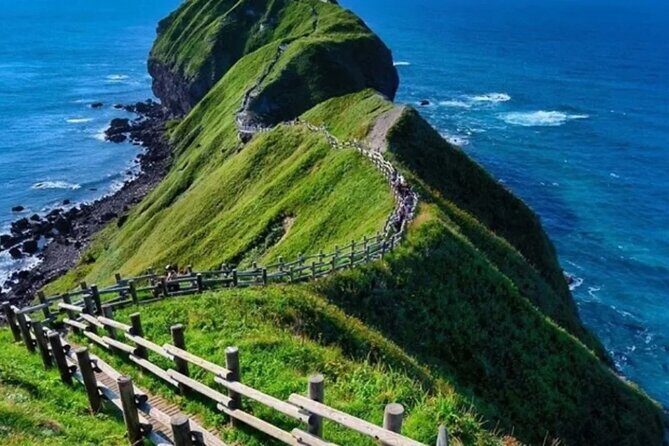
- Cape Kamui’s cliff scenery: big ocean views on the Shakotan Peninsula, plus legendary Ainu connections
- Shimamui Coast’s short effort, big payoff: a tunnel walk leading to a wide-open coastal panorama
- Yoichi Distillery stop: a guided visit tied to Masataka Taketsuru and the early roots of Japanese whisky
- Otaru canal time: time to wander a photogenic canal town with classic streets and shops
- Small group feel: maximum of 48 people, which helps the day stay manageable
- Admissions are listed as free: you focus on enjoying the stops rather than paying repeated entry fees
Cape Kamui: cliff views and the Ainu story that adds meaning
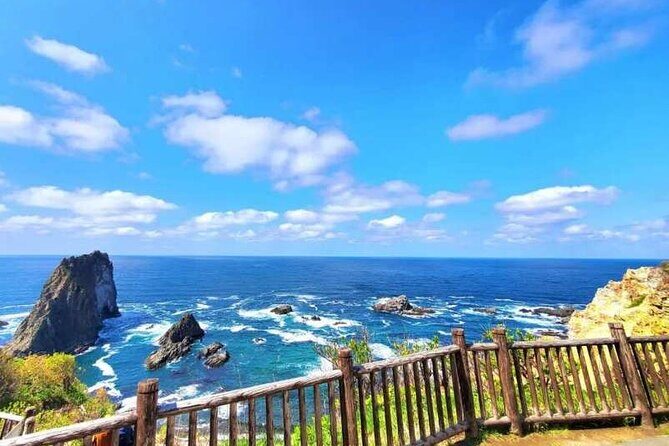
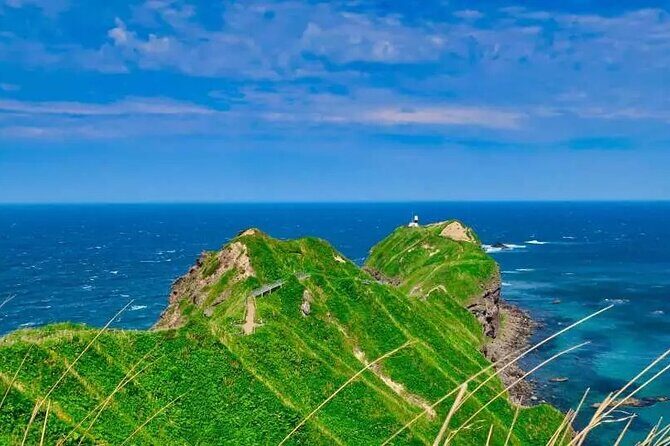
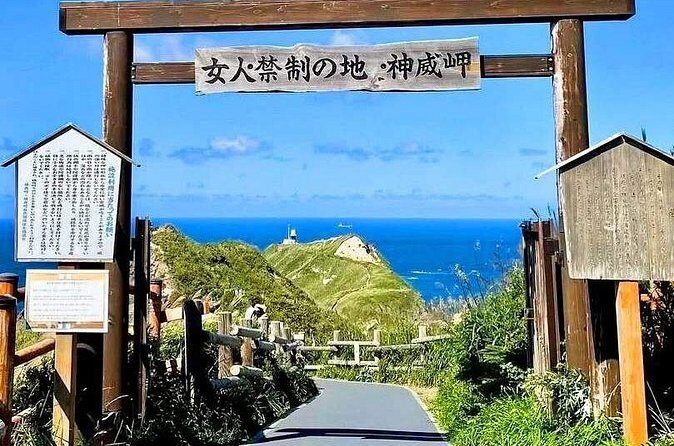
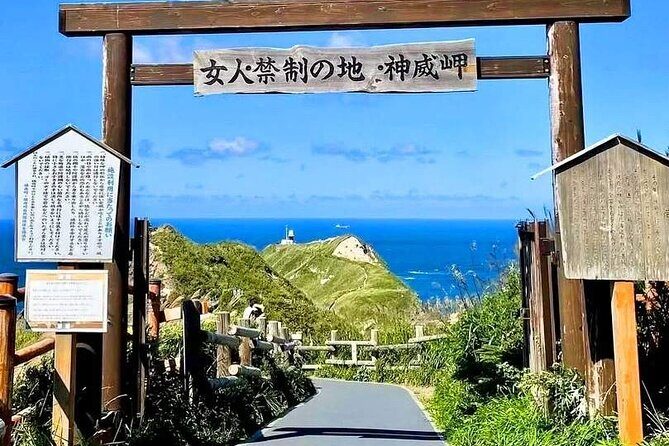
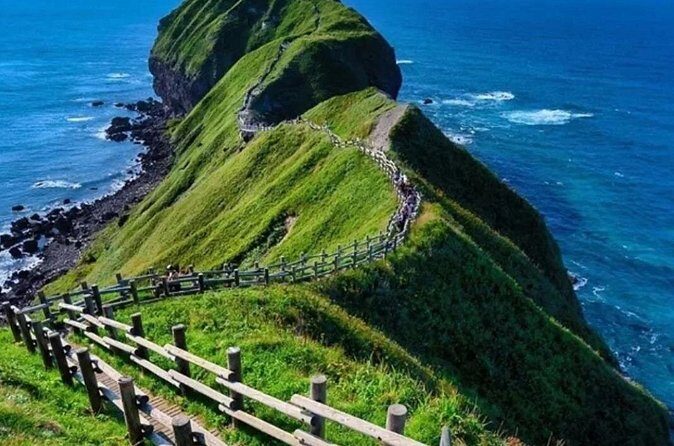
This day starts with Cape Kamui, a narrow cape on the Shakotan Peninsula where the coastline feels close enough to touch. Expect a serious dose of ocean panorama, plus a short walk that doesn’t require special gear. Even if you only catch a bit of cloud and sun, the cliffs still deliver that wide, windy “I’m at the edge of the map” feeling.
What makes Cape Kamui more than a photo stop is the way the story is framed. The cape ties into local legend involving Ainu gods, so the dramatic setting connects to meaning rather than just scenery. It’s the kind of stop where you’ll understand more if you pay attention as the guide explains what you’re seeing.
Practical tip: bring a layer. Coastal wind can change your comfort fast, even when Sapporo feels mild.
You can also read our reviews of more tours and experiences in Sapporo.


Shimamui Coast: a tunnel walk that opens to serious coastline
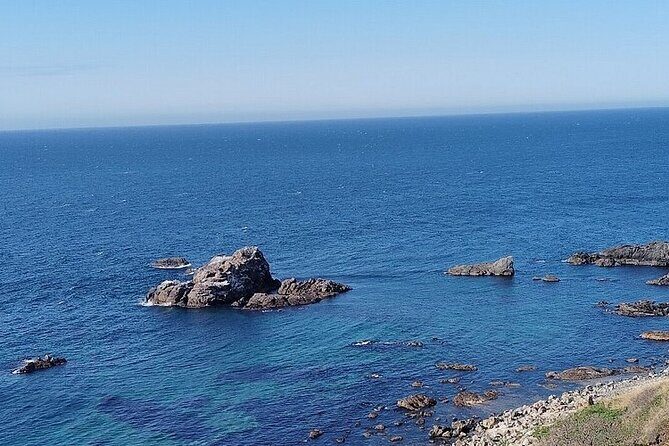
Next comes Shimamui Coast, where you walk through a narrow tunnel cut into the cliffs. It’s short, but it creates a neat “pressure change” moment: dim tunnel, then suddenly an open view of rugged sea and clear coastal sightlines. The contrast makes the spot feel more memorable than a plain lookout.
The time here is shorter than at Cape Kamui, so the best strategy is simple: arrive ready to look up and outward, then grab your photos quickly. You don’t want to spend the whole window fiddling with your camera setup.
What I like about this stop is the way it balances effort and reward. You’re not asked to hike for hours, and you still get the kind of coastline that most people never bother to reach from Sapporo.
Yoichi Distillery: whisky history you can actually picture
Then the day turns to something very different: Japanese whisky at Yoichi Distillery in Yoichi. This is a guided visit at one of the brand’s most important starting points, connected to Masataka Taketsuru—often called the Father of Japanese Whisky.
The setting matters here. A distillery visit works best when you’re not just hearing brand talk, but also seeing how the place and process fit together. Since the visit is guided, you’ll get context for what you’re looking at and why Yoichi’s story is so central.
If you care about whisky, this is one of the best parts of the day because it gives you a real anchor for the flavors you’ll later see on shelves. If you’re not a whisky person, it still helps because you’ll learn the human story behind the craft—why this style developed the way it did.
One more practical note: the distillery stop is about an hour, so keep your pace steady and don’t plan to linger too long in the shop section unless you’re already sure what you want.
Otaru canal time: slow wandering in a compact, classic town
After the coast and whisky, you land in Otaru, a port-town atmosphere that feels older than the modern city rush. The highlight is the Otaru Canal, where water, stone, and old-style streets make it easy to wander without a map obsession.
This part of the day works best when you treat it like “stroll and choose.” You have about an hour to explore, which means you can pick one or two lanes to follow, pop into a shop if something catches your eye, and still return feeling like you actually saw the town rather than just passed through it.
What I like here is the balance. The morning and afternoon are scenic and structured; Otaru gives you permission to slow down and browse. It’s also a good place to cool off if the coast leaves you feeling wind-burned.
Tip: wear shoes you don’t mind walking in. Otaru’s charm is in the small streets and edges, not in a single big plaza.
Price and logistics: what $89 really covers
At $89 per person, this tour is priced like a full-day transport-and-guide experience with stops that don’t pile on extra entry costs. Based on the info provided, transport and a Chinese/English-speaking guide are included, and admission tickets at the listed sites are shown as free.
That combination matters in Hokkaido. A day like this can turn expensive quickly if each stop charges you separately. Here, your money goes into getting you there and keeping the day organized.
Timing is about 8 to 9 hours including travel. That’s a long but workable block if you’re using the day efficiently. You’ll want to plan for meals on your own, since meals and beverages aren’t included.
Group size is capped at 48, which usually helps the guide keep things moving without turning it into a chaotic stampede. Still, the day is long, and some people may find bus seating tight.
Bus reality check: one concern that comes up is ride comfort—think tighter seats and a bumpy feel from suspension. If you’re sensitive to that, consider bringing a small cushion or doing seat selection early.




Guide language and seasonal changes: the one thing to confirm

The tour includes a guide listed as Chinese / English-speaking, but there’s an important seasonal caveat. In winter periods when the Kamui Cape route closes, the operator may adjust routes and the English-guided option can be suspended while local-language tours continue.
So here’s my practical advice: before you commit (or right after booking), double-check what language options are available for your specific date. If English is a must, you’ll sleep better confirming in advance.
Also, pay attention to the guide’s name when you arrive. In at least one past run, the guide was Xixi, and that kind of guide familiarity can make a big difference in how much you enjoy the stories between stops.
Who this tour is best for (and who should skip it)
This is a solid fit if you want a one-day plan that mixes coast, culture, and a whisky stop without needing a car. It’s also good if you like day-trip structure but still want personal time to walk and take photos—especially at Cape Kamui, Shimamui Coast, and Otaru.
It’s less ideal if you:
- are very picky about bus comfort on long rides
- need guaranteed English-language guiding for your exact date
- prefer slow travel that stretches beyond one town and a handful of fixed stops
If you love scenic viewpoints, Yoichi whisky basics, and Otaru’s canal vibe, this format gives you a lot of variety without complicated planning.
Should you book this Cape Kamui to Otaru day tour?
If your priority is seeing multiple standout Hokkaido sights in one shot from Sapporo, I think this is a fair-value way to do it—especially because the day includes transport, a guide, and is listed with free admission at the main stops.
Book it if you’re okay with a packed day clock, can handle bus comfort variations, and you’re willing to check language availability for your travel dates. Skip it or reconsider if English guidance is a hard requirement and your date falls in a winter window when route options shift.
FAQ
How long is the Hokkaido Cape Kamui Shimamui Coast Otaru day tour?
The tour runs about 8 to 9 hours, and that total includes transportation time.
What’s included in the price, and are meals covered?
The price includes a Chinese / English-speaking guide and transport. Meals and beverages are not included.
Is there an admission fee at each stop?
Admission tickets for the listed stops are shown as free.
Where do you meet for the tour?
You meet at Sapporo Sta. North Exit 3, Chome Kita 7 Jonishi, Kita Ward, Sapporo, Hokkaido 060-0807, Japan. The tour ends back at the same location.
Is the tour available in English?
A Chinese / English-speaking guide is included. However, the provider notes that for some winter periods (when the Kamui Cape route closes), the English-guided option may be suspended while local-language tours may still operate.
What happens if weather is bad or activities get canceled?
The tour requires good weather. If the operator cancels due to poor weather, you’ll be offered a different date or a full refund. If some activities are canceled due to unforeseen events or extreme weather conditions, a refund may not be issued. Also, you can cancel for a full refund if you do it up to 24 hours before the experience’s start time.