REVIEW · SAPPORO
Japanese Cooking Class in the Heart of Sapporo with Sakura
Book on Viator →Operated by Traveling Spoon · Bookable on Viator
A home kitchen in Sapporo beats any studio class. Learn seasonal, home-style Japanese dishes with Sakura in her apartment kitchen, then eat together at the dining table—no hunting ingredients, no awkward pacing.
I especially love that it’s private and guided one-on-one, so you can ask questions without feeling rushed. I also like that you cook and eat everything you prepare, with drinks included so the class doesn’t turn into a half-taste exercise.
One possible drawback: this is not a professional cooking studio. It’s a cultural, local-home experience, so the setup and pace are more “real life” than “big-class production.”
In This Review
- Quick Hits Before You Cook
- Entering Sakura’s Apartment Kitchen Near Higashi-Sapporo
- What You’ll Cook: Seasonal Home-Style Dishes in Sapporo
- How the 3-Hour Flow Works (Hands-On First, Then You Eat)
- The Sakura Factor: Patience, Personal Attention, and Family-Style Comfort
- Drinks, Local Alcohol, and the Real-Meal Payoff
- Vegetarian Options and Dietary Notes You Should Plan For
- Price and Value: Is $72 Worth It?
- Logistics That Matter: Mobile Ticket, No Pickup, and Getting There
- Who This Class Suits Best (And Who Might Want a Different Option)
- Should You Book Sakura’s Sapporo Home Cooking Class?
- FAQ
- How long is the cooking class?
- What dishes will I learn to cook?
- Is this a private class?
- What’s included in the price?
- Can I request a vegetarian option?
- What if I need to cancel?
Quick Hits Before You Cook
- Private class in a local home: you’ll be hosted in Sakura’s apartment, not a commercial kitchen.
- Seasonal menu, 2–3 dishes: expect dishes that match what’s in season in Sapporo, not a fixed script.
- Cook, then eat immediately: you’ll sit down after about 1–1 1/2 hours of hands-on cooking.
- Drinks + meal included: you’ll eat what you make, with local alcohol included (1–2 glasses).
- Beginners welcome: the dishes are described as easy to replicate at home.
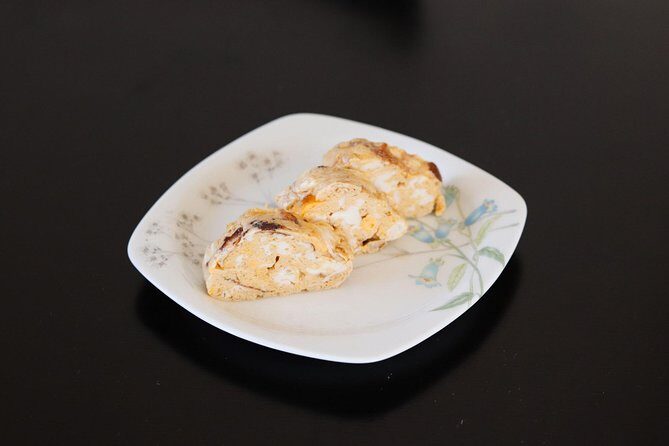
- Menu can shift: what you make may vary with the season, including options like miso soup, onigiri, or tamago.
Entering Sakura’s Apartment Kitchen Near Higashi-Sapporo
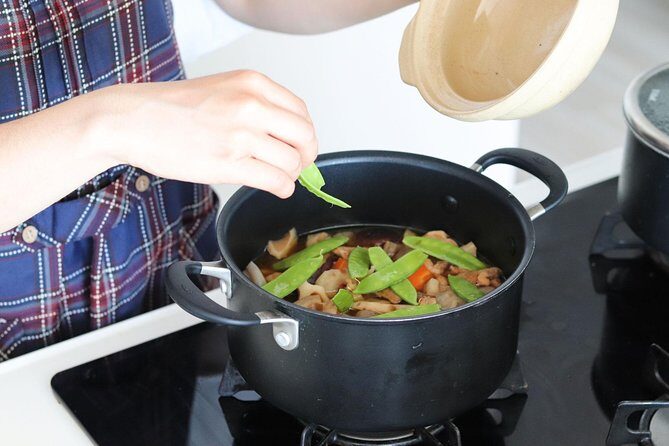
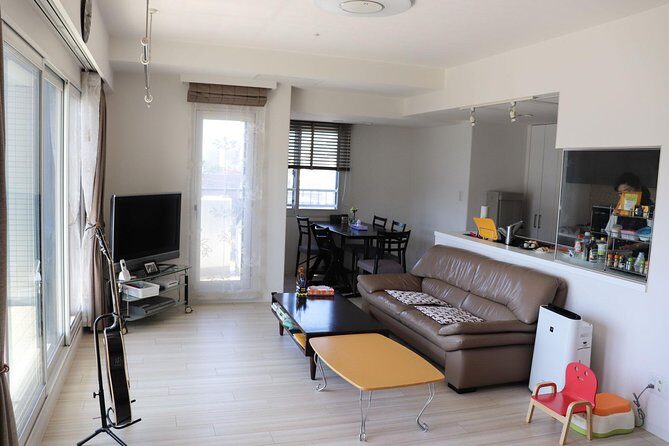
This experience starts in a peaceful residential area in Sapporo, with Sakura’s apartment within about a ten-minute walk from Higashi-Sapporo station. The meeting point is listed at Kikusui 4 Jo, Shiroishi Ward, Sapporo, Hokkaido—so you’re not stuck with a complicated “get to a random industrial building” situation.
You’ll meet Sakura there, then move into her kitchen for the class portion. Since there’s no hotel pickup and drop-off, plan to arrive on your own using public transportation. That’s a small tradeoff for what you get: access to a real home space and a host who’s teaching you how she cooks day-to-day.
Timing matters here. The class runs about 3 hours, with a start time of 10:30 am and an end back at the meeting point. If you’re the type who likes a relaxed travel rhythm, this is a great mid-morning activity because you’re done before the afternoon gets complicated.
You can also read our reviews of more cooking classes in Sapporo
What You’ll Cook: Seasonal Home-Style Dishes in Sapporo

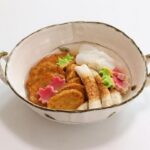
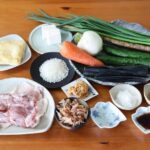
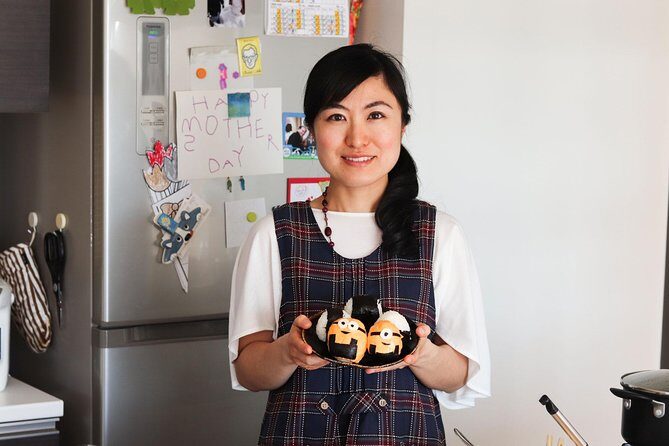
The heart of this class is 2–3 authentic home-style dishes that change depending on the season. The key detail is that they’re home cooking, not show cooking. That usually means the flavors are practical, the steps are repeatable, and the results are meant for an actual meal—not just a demonstration plate.
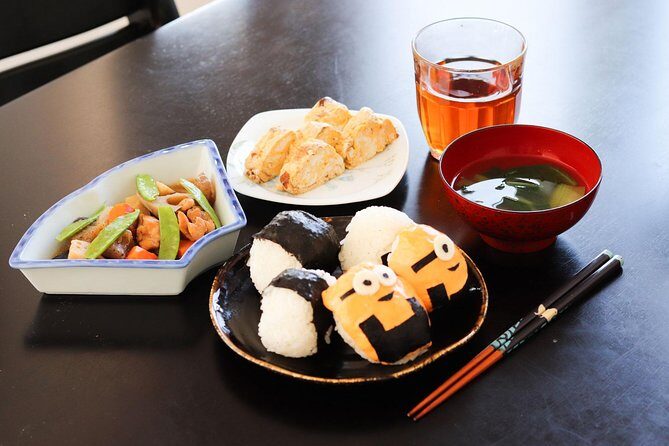
You might make dishes such as:
- Miso soup
- Onigiri (rice balls)
- Tamago (an egg roll cooked with stock)
The menu may vary by season, so don’t plan your expectations around a single guaranteed recipe. What you can count on is the structure: you’ll learn a small set of dishes that work together as a comforting Japanese meal.
For me, that’s one of the smartest ways to take home skills. Instead of trying to master five techniques in one day, you focus on a tight menu. You’re more likely to remember the steps—and cook them again later—because you’re not drowning in instructions.
How the 3-Hour Flow Works (Hands-On First, Then You Eat)
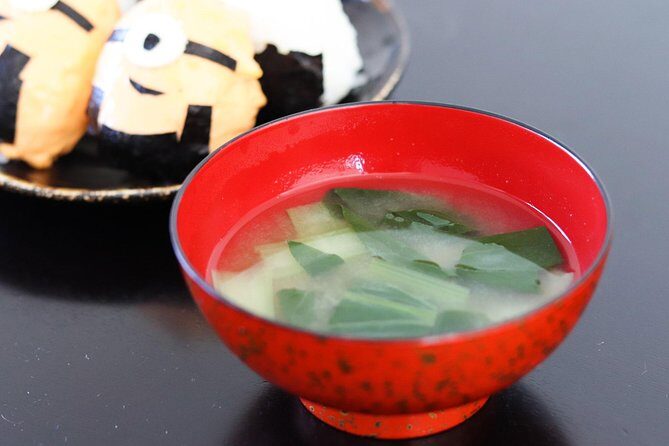
This class is built around a simple, satisfying rhythm. You’ll spend about 1 to 1 1/2 hours cooking together, then sit down for the meal at the dining table.
Here’s what that usually feels like in practice:
- You’ll learn the dish steps with Sakura guiding you while you work.
- You’ll cook enough to eat what you make (so you won’t feel like you’re “just helping.”)
- After cooking, you transition from kitchen mode to eating mode—no awkward cleanup marathon before you can relax.
This “make it, then eat it” format is worth real money on a travel day. Food classes in big studios can turn into a tasting exercise where you’re hungry at the end. This one tackles that directly: you won’t leave with only a few bites and vague memories.
The Sakura Factor: Patience, Personal Attention, and Family-Style Comfort
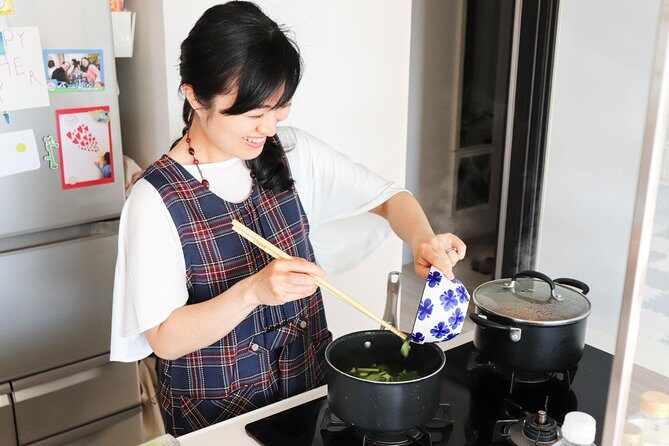
A private cooking class changes the entire tone. There’s no waiting for the group, no speaking to a room, and no worrying that your questions are slowing others down. It’s just you and Sakura in her home kitchen.
The most praised element in the experience is Sakura’s patience—especially when navigation or timing gets stressful. If you’ve ever shown up late while your brain is trying to find the right street number, you’ll appreciate this. One practical takeaway from what people highlight: use the Google link provided in the description, because navigation instructions on maps or listings can be off. That single step can save you time, reduce stress, and help you start the class calmly.
Another thing I value about this setup is the human feel. This isn’t a rigid “chef in front, students in rows” scenario. It’s described as child friendly, and families participate in the warm, home-like atmosphere. Even if you’re traveling solo or as a couple, you’ll likely feel that comfort—less performance, more connection.
And yes: you’ll enjoy local alcohol with your meal—listed as 1–2 glasses. That’s not just a perk. Sharing a drink at the end of the cooking lesson helps turn it into an experience, not only a skill session.
Drinks, Local Alcohol, and the Real-Meal Payoff
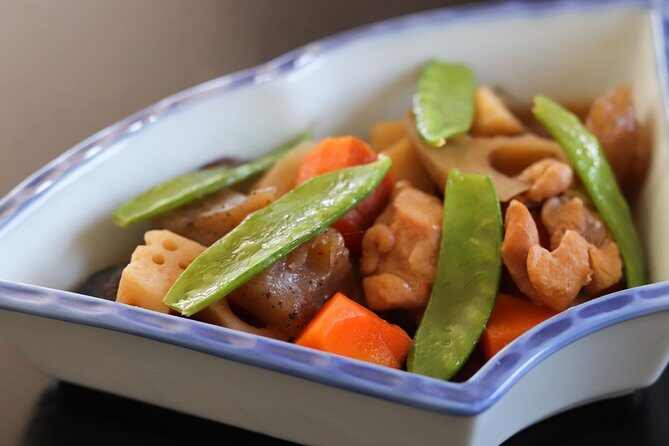
The included meal is one of the clearest value signals: you eat everything you prepare, and drinks are included. That means the class price covers both the instruction and the actual food you’ll consume.
Also, this is a home setting, so the alcohol detail is more like a casual part of the meal than a formal “cheers” event. The listing specifies local alcohol (1–2 glasses). If you don’t drink, you’ll want to discuss your preferences when booking or at least flag any dietary or restrictions in advance, since the experience notes that restrictions should be included at booking.
If you’re the kind of person who loves food but hates “food theater,” this is the right style. You’re not watching someone else cook while you take notes. You’re participating, then eating, then leaving with a sense of satisfaction.
A few more Sapporo tours and experiences worth a look


Vegetarian Options and Dietary Notes You Should Plan For
If you need a vegetarian option, that’s available—but you must advise at the time of booking. The experience also asks you to include any dietary restrictions when you book.
That’s a big deal for two reasons:
- It reduces last-minute stress, especially in a home kitchen where changes may require planning.
- It helps the host choose dishes that still fit the seasonal, home-style theme.
So if you’re vegetarian (or have another restriction), don’t leave it to chance. Add it to your booking details early, and you’ll have a better shot at a smooth experience with dishes that still feel like a complete meal.
Price and Value: Is $72 Worth It?
At $72 per person, this class isn’t “cheap,” but it’s also not trying to be a mass-market cooking demo. Here’s what you’re paying for, and why it makes sense:
- Private instruction in a local’s home (not a studio group class)
- 2–3 authentic home-style dishes, tailored to the season
- A full meal: you eat what you make
- Drinks included, including local alcohol (1–2 glasses)
- Everything handled: you’re not managing ingredient shopping mid-trip
If you’ve done cooking classes before, you know the hidden costs add up fast—transport, ingredient shopping, and sometimes you only get a small tasting portion. This one pairs the lesson with a meal outcome, so the value stays clear.
Also, the class is about 3 hours, which is a good chunk of time for getting real technique practice. Not too short to feel random. Not too long to eat up your whole day.
One more practical note: the average booking window is 29 days in advance, so it’s smart to reserve early—especially if you’re traveling during a busy season or specific dates in Sapporo.
Logistics That Matter: Mobile Ticket, No Pickup, and Getting There
This experience uses a mobile ticket. That’s convenient, but it also means you’ll want your phone charged and ready when you arrive.
There’s no hotel pickup and drop-off, so factor in transit time. The good news is it’s near public transportation, and the apartment is within about a ten-minute walk from Higashi-Sapporo station.
Now for the real-world snag: navigation. People specifically advise using the Google link provided in the description, because the place may not match what map instructions suggest. If you follow that, you’ll likely avoid the kind of delay that can throw off your morning.
Once you’re there, the rest is straightforward. The experience begins at the meeting point and ends back at the same place—so you don’t need to plan an awkward “where do we go now?” transition.
Who This Class Suits Best (And Who Might Want a Different Option)
This is ideal if you:
- want a beginner-friendly cooking experience focused on home-style results
- prefer private classes where your questions get attention
- love local culture through everyday routines like cooking, eating, and sharing a table
- are traveling with kids and want a child friendly activity in a relaxed home setting
It may be less ideal if you want:
- a high-production studio atmosphere with professional gear
- a fixed menu with exact dishes guaranteed (the menu varies by season)
- a class that comes with a private driver (there’s no pickup)
Also, if you’re extremely time-sensitive, plan buffer time for finding the apartment using the Google link. A small delay can feel big when you’re walking with bags or navigating new streets.
Should You Book Sakura’s Sapporo Home Cooking Class?
I think you should book it if you want more than a “hands-on meal” and you’re craving a genuine slice of Sapporo life. The strongest reasons are simple: private instruction in a local home, seasonal home-style dishes you can realistically repeat later, and a meal outcome that leaves you satisfied—not hungry.
Book it especially if you value comfort and patience in the learning process. Sakura’s calm teaching style is a standout, and the home setting makes it easier to relax even if you’re not a confident cook.
Skip it only if you’re expecting a professional cooking studio experience, or if you’re not willing to plan your arrival carefully. If you do the one smart thing—use the Google link and arrive on time—you’re set up for a smooth, meaningful class.
FAQ
How long is the cooking class?
It lasts about 3 hours in total, including roughly 1 to 1 1/2 hours of cooking and then time to eat the meal you make.
What dishes will I learn to cook?
You’ll make 2–3 authentic home-style Japanese dishes that vary by season. Possible examples include miso soup, onigiri (rice balls), and tamago.
Is this a private class?
Yes. It’s a private, personalized experience, and only your group participates.
What’s included in the price?
The class includes the private cooking session with Sakura, a homecooked meal, and local alcohol (1–2 glasses). Hotel pickup and drop-off are not included.
Can I request a vegetarian option?
Yes. A vegetarian option is available—make sure you advise at the time of booking, along with any dietary restrictions.
What if I need to cancel?
You can cancel for a full refund up to 24 hours before the experience’s start time. After that window, the amount paid is not refunded.