REVIEW · TOKYO
Japan’s Best Mount Fuji Tour
Book on Viator →Operated by FawSha Travels · Bookable on Viator
Mount Fuji days feel special the moment you leave Shinjuku. I love how this trip strings together big views and small, human-scale moments like the Healing Village scenery. I also like that you’re not just staring at a mountain—you get city panoramas, a classic Fujiyoshida stroll, and time at parks around Lake Kawaguchi.
The main drawback is simple and annoying: weather rules everything. On some days the peak can be shy, and the crowd levels at the most famous viewpoint can affect what you actually see.
Key Mount Fuji Tour Highlights (Quick Hits)
- Small-group feel (max 8 per booking) on a join-in route, so you’re not lost in a sea of people
- Shinjuku-to-Fuji pacing with multiple photo stops and enough time to actually look, not sprint
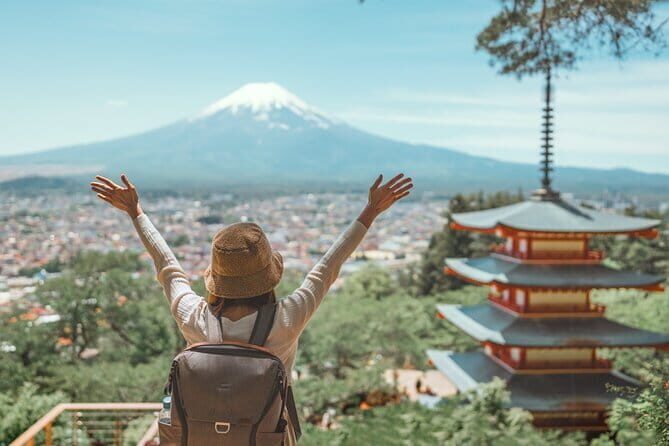
- Arakurayama Sengen Park panoramic viewpoint for that classic Mount Fuji sightline over the city
- Fujiyoshida Honcho Street for an easy lunch break and street browsing during the midday window
- Saiko Iyashi no Sato Nenba Healing Village included entry for a nostalgic village atmosphere
- Seasonal Oishi Park stop (Apr–Jun departures only) when your timing matches spring flowers
In This Review
- Spring Mount Fuji Views, But With Real-Life Timing
- Where You Meet: Kogakuin University and the 10-Minute Rule
- The Morning Pickup Rhythm: A Day That Moves (But Not Wildly)
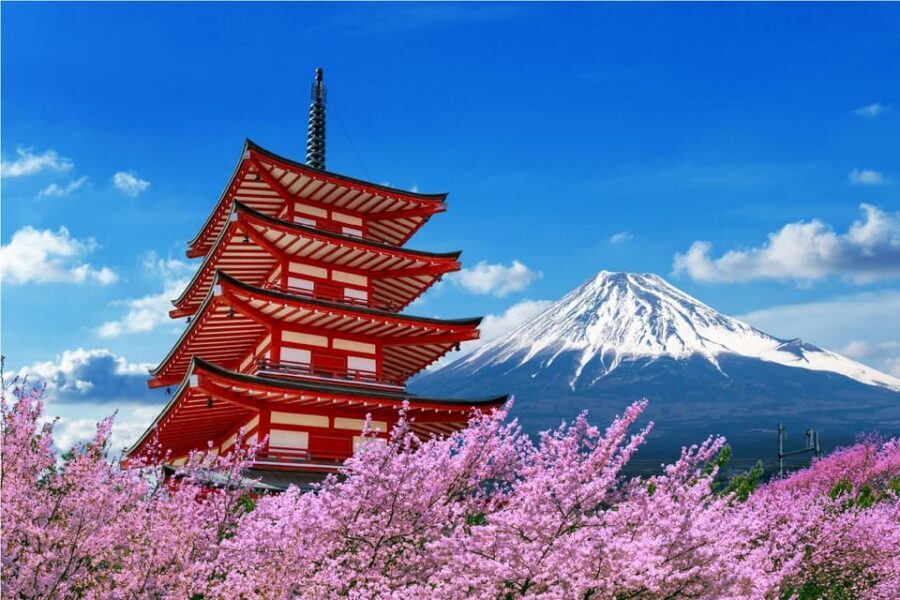
- Arakurayama Sengen Park: Panoramas and the Famous Pagoda-Style View
- Fujiyoshida Honcho Street: Lunch Time You Can Actually Use
- Mount Fuji Stop: The “Magical Atmosphere” Moment (Weather Included)
- Oishi Park (April to June Departures): Lake Views and Seasonal Flowers
- Saiko Iyashi no Sato Nenba: Healing Village for a Slower Pace
- The Guide Makes a Difference: English, Culture, and Helpful Timing
- What’s Included (and What Isn’t) So You Can Budget Smart
- Group Size, Comfort, and Physical Effort
- Should You Book This Japan’s Best Mount Fuji Tour?
- FAQ
- How much does the Mount Fuji tour cost?
- How long is the tour?
- Where do I meet for the tour?
- What time does the tour start?
- How many people are on the tour?
- Is lunch included?
- What does the price include?
- Are entrances included at all stops?
- Do I need cash?
- What if Mount Fuji is cloudy or the views are limited?
Spring Mount Fuji Views, But With Real-Life Timing
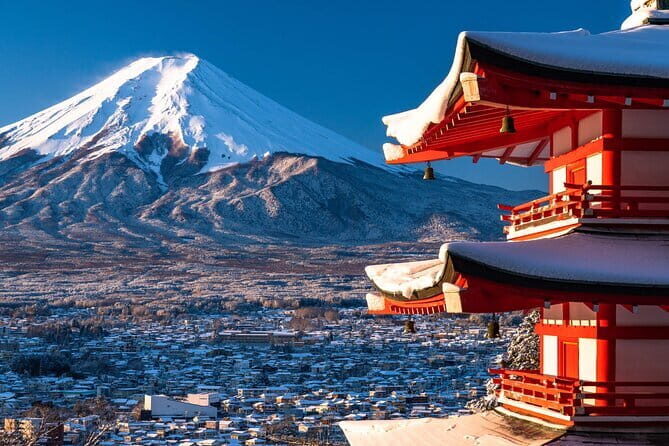
A good Mount Fuji day trip is half sightseeing, half logistics. This one starts in Shinjuku and builds a clear route: viewpoints first, then lunch and small-town energy, then lakeside scenery and that quieter, storybook feeling you get in restored villages.
What makes it interesting is the mix. You’ll get big panorama moments from parks, then you’ll slow down in Fujiyoshida’s main street area, and finally you’ll reach Saiko Iyashi no Sato Nenba, a healing-style village that’s meant for wandering at a human pace. It’s not only about the mountain. It’s about how the area feels when Fuji is in the background—or when it’s hiding.
Price-wise, $77 for roughly 7–8 hours is a value play if you care about transport and included admission. Meals aren’t included, but the day covers multiple stops with bus transport, parking and tolls, plus the Nenba entrance fee. For a long day out of Tokyo, that’s a pretty straightforward deal.
Where You Meet: Kogakuin University and the 10-Minute Rule
You meet at Kogakuin University Shinjuku Campus, near Shinjuku’s West Exit. The tour guide requests that you arrive 10 minutes early, because the group departs on time.
I’m a fan of meeting points that are close to major stations. This one is near public transportation, and the instructions are detailed: you head toward Chuo-dori Underpass and Tokyo Metropolitan Government Building landmarks, then walk to the university across from the Keio Plaza Hotel area.
One practical thing: this is a join-in tour with a maximum of 8 travelers per individual booking, but there can be other guests from other bookings on the same vehicle. That means you still need to find your group quickly at departure time, even if the total group size isn’t huge.
You can also read our reviews of more tours and experiences in Tokyo.



The Morning Pickup Rhythm: A Day That Moves (But Not Wildly)
Your meeting time is set for 08:20, with the pick-up starting around 08:30 from in front of Kogakuin University Shinjuku Campus. The itinerary is designed to get you into viewpoint territory early enough to enjoy time at stops without feeling rushed from the start.
You’ll also want to know the reality of a Japan bus day trip: traffic and rules can change the schedule. There’s an added note that due to a revision of bus drivers’ working hours (effective April 1), some sightseeing stops might not be possible during congestion. That’s the kind of detail that matters if you’re planning your whole day around this exact route.
The good news is the plan is built with flexibility. The tour states stop durations at intermediate facilities may be shortened or canceled, and the car number can affect timing. So you should go in with the mindset that you’re following a route more than a rigid minute-by-minute timetable.
Also, the bus has a simple expectation: no eating or drinking (including snacks) and no loud talking on board. If you’re the type who likes to snack during travel, stash your hunger for the lunch window and the on-the-ground breaks.
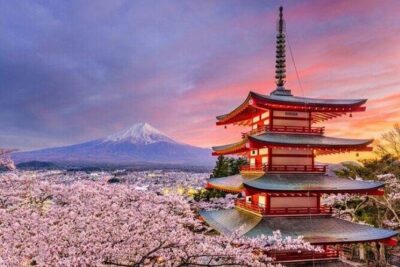
Arakurayama Sengen Park: Panoramas and the Famous Pagoda-Style View
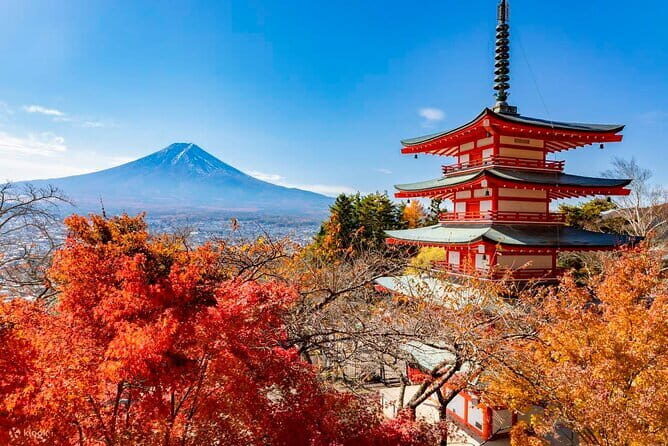
The first real sightseeing stop is Arakurayama Sengen Park, with an included admission and about 1 hour on-site. This is one of the best parts of the itinerary because it’s not just a quick look. You get a genuine block of time to take in the panoramic view over the city with Mount Fuji in the frame (when the sky cooperates).
What I love here is the layered experience. From this kind of hillside park, you can usually catch the city spread out below, then spot the mountain presence beyond. Even if Fuji is partly obscured, the viewpoint area still gives you a sense of place: Tokyo’s energy gives way to a quieter, more scenic world.
If you do get a clear day, this stop is where people tend to focus their cameras. And yes, crowds can show up at the most famous angles. The key is to avoid treating the first photo spot you see as your only option. Walk a little and let the angles change as you move.
Fujiyoshida Honcho Street: Lunch Time You Can Actually Use
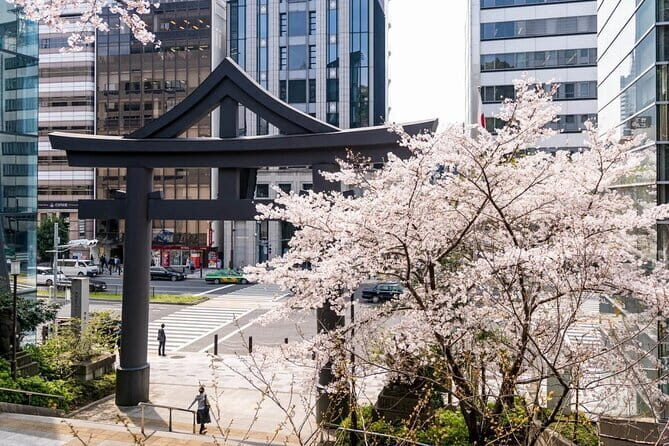
After the viewpoint, you’ll head to Fujiyoshida and spend time walking Honcho Street. You get about 90 minutes here for lunch, and this is one of the easiest parts of the day because it’s built for wandering.
Here’s the practical value: you’re not trapped inside a schedule loop. You’ll have enough time to step into a casual restaurant, eat without rushing, and then browse for small snacks or souvenirs along the street. Since lunch isn’t included, you’ll want to choose something that matches your appetite and your patience.
Carry some yen. The tour notes that many spots around Mount Fuji only accept cash, and that’s especially true in smaller shops and street-level places. I’d rather have extra yen and relax than end the meal hunting for an ATM.
Mount Fuji Stop: The “Magical Atmosphere” Moment (Weather Included)
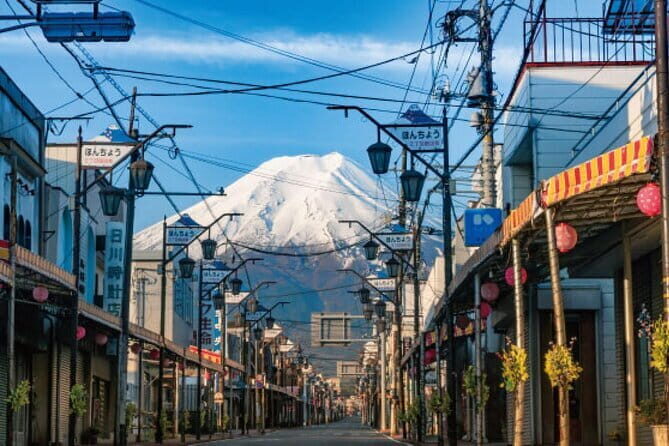
The itinerary includes a dedicated Mount Fuji stop for about 30 minutes, with admission free. This is the part you’re hoping pays off visually—where the mountain becomes the star of the show.
But here’s the honesty: Mount Fuji can be visible one day and totally invisible the next. The day’s conditions—clouds, haze, wind—decide a lot of what you’ll see. On clear days, this segment can feel like the payoff you’ve been waiting for. On gray days, it can feel like you’re visiting the idea of Fuji more than the peak itself.
Still, even if Fuji isn’t crisp, this is often a good moment for atmosphere. You’ll be in the right region, you’ll see how locals and visitors respond to the season, and you’ll be close enough to catch partial views or changing light if clouds move.






Oishi Park (April to June Departures): Lake Views and Seasonal Flowers
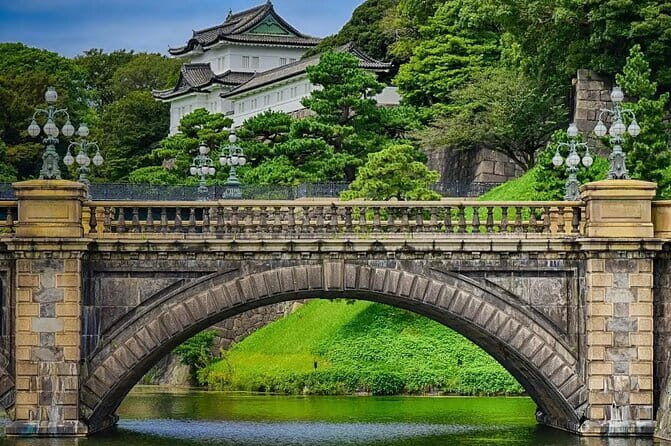
Next is Oishi Park near Lake Kawaguchi, with admission included. The stop is labeled as a stopover of about 40 minutes, but it also comes with a key condition: it’s listed as a stopover only for departures from April to June.
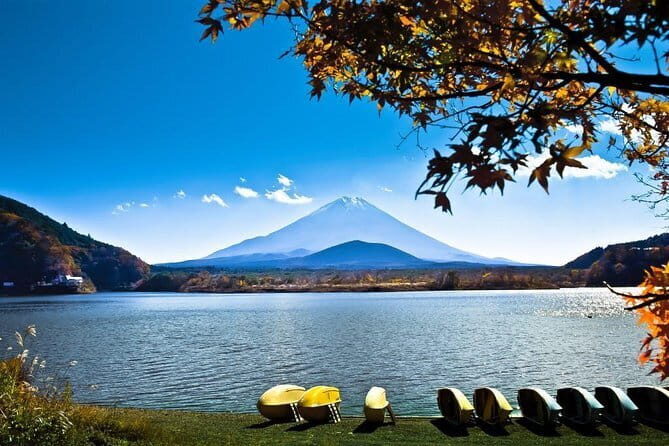
This is the part of the day that feels most like a classic spring day trip postcard. When your timing matches, you’re walking in a park area that looks out over the lake and toward Mount Fuji, plus seasonal flowers. If you’re traveling in those months, this is a big reason to choose this tour window.
If you’re traveling outside April to June, you might not get this exact stop. So check your date expectations. You’re still going to Lake Kawaguchi region stops, but the specific Oishi Park time isn’t guaranteed based on season.
Saiko Iyashi no Sato Nenba: Healing Village for a Slower Pace
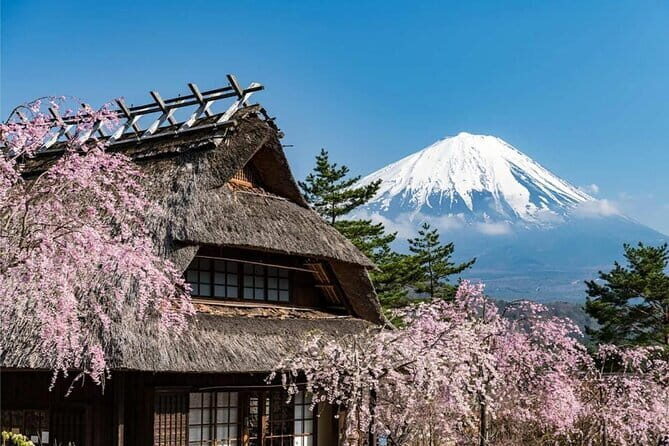
This is the stop I would anchor the day around: Saiko Iyashi no Sato Nenba (Healing Village). You get about 1 hour and the entrance fee is included.
Why this matters: it turns your Fuji day into something more than a photo chase. The village is designed to feel nostalgic and calm, with scenery that rewards slower walking and quiet attention. It’s a great contrast after the city panorama morning and the lunch street time.
This is also a smart stop for group logistics. Viewpoints can get crowded and chaotic. A village layout spreads people out, and it’s easier to enjoy without feeling trapped in one bottleneck. If your Mount Fuji visibility was limited earlier, the village still delivers a satisfying change of scenery.
The Guide Makes a Difference: English, Culture, and Helpful Timing
A Mount Fuji tour lives or dies on the guide’s ability to keep the day moving smoothly. On this trip, the experience is described as guided with polite, helpful support and in-depth knowledge of Japanese culture. If your guide is someone like Sam, you can expect a strong English conversation style and a lot of context that makes the sights feel less random.
What I like in a good guide is small structure: reminders on where to meet, how long you realistically have, and what to do first when you arrive at a crowded viewpoint. This tour’s tone is clearly about keeping things orderly and on track.
And yes, on a day like this, being on time really is everything. There’s a cautionary lesson baked into the rules: arrive early at the meeting point, and don’t drift. When the schedule runs tight, missing the pickup can turn the day stressful fast.
What’s Included (and What Isn’t) So You Can Budget Smart
Here’s the money reality, clean and simple. Included items are transportation from the meeting point, parking fees, toll fees, consumption tax, and Saiko Iyashi no Sato Nenba entrance fee.
Not included are meals and personal expenses, plus no hotel pickup/drop-off (you start at Kogakuin University and return there). That means your spending plan should treat lunch as your main cost.
Given the number of stops, the included transport and tolls are a big part of the value. You’re paying to let someone else handle the long day drive from Shinjuku and the regional timing between viewpoints. If you were doing this on your own, you’d likely spend time managing transit connections and paying for multiple tickets and rides anyway.
Group Size, Comfort, and Physical Effort
This tour says it’s for travelers with moderate physical fitness, and it mentions some hiking. That doesn’t mean a mountain climb day, but it does mean you should wear comfortable walking shoes.
Also, even though the max is 8 travelers per booking, it’s still a join-in format. That usually means the pace is set for a group that can move efficiently. If you need frequent slow breaks, it’s worth planning for that possibility.
Finally, the tour is set up to end back at the meeting point at around 18:00 (scheduled arrival), with an end time described as returning to where you started. If traffic or delays happen, arrival can be late, and the tour notes there’s no compensation if you need a taxi or overnight stay due to return delays.
Should You Book This Japan’s Best Mount Fuji Tour?
Book it if you want a structured day out of Tokyo that covers multiple Mount Fuji-related stops, includes one paid entry site, and gives you enough time at each location to actually enjoy it. I’d also recommend it if you like guides who explain the culture and keep the day moving in a calm way, because the itinerary is built for the “watch and learn” style of sightseeing.
Skip it—or at least temper expectations—if you’re traveling with only one day and you need guaranteed, crystal-clear Mount Fuji views. Weather can erase your perfect photo. Also, if you’re the type who arrives late or doesn’t like structured timing, this tour will punish that habit fast.
If you’re flexible, patient, and dressed for walking, this is a solid value way to experience spring scenery around Fuji without wrestling transit schedules all day.
FAQ
How much does the Mount Fuji tour cost?
The price is listed as $77.00 per person.
How long is the tour?
The duration is about 7 to 8 hours.
Where do I meet for the tour?
You start at Kogakuin University Shinjuku Campus, 1-chōme-24-2 Nishishinjuku, Shinjuku City, Tokyo.
What time does the tour start?
The start time is 8:30 am, with the meeting time noted as 8:20 and a request to arrive 10 minutes early.
How many people are on the tour?
The activity says a maximum of 8 travelers per individual booking, and it is a join-in tour, so there may be other guests from different bookings.
Is lunch included?
No. Meals are not included, and you’ll have time for lunch during the Fujiyoshida stop.
What does the price include?
Included items are transportation from the meeting point, parking fees, toll fees, consumption tax, and Saiko Iyashi no Sato Nenba entrance fee.
Are entrances included at all stops?
Some stops are listed as free (admission ticket free), and others are listed as included (like Arakurayama Sengen Park, Oishi Park for eligible dates, and Saiko Iyashi no Sato Nenba).
Do I need cash?
Yes. Many spots around Mount Fuji only accept cash, so it’s recommended to carry enough yen.
What if Mount Fuji is cloudy or the views are limited?
The itinerary depends on weather and road conditions, and stop durations can shorten or adjust. The tour does not promise a clear view, so your best plan is to bring the right mindset for changing conditions.