REVIEW · TOKYO
Kimono Photo Session Experience Japanese Culture Inside a Shrine
Book on Viator →Operated by Kimono-Capture/Japan Experience · Bookable on Viator
This kimono photo session feels wonderfully official. You’ll get professional styling and photography guidance at a Shinto shrine without having to guess how strict shrine photo rules can be. I especially liked how calm and organized the whole thing feels, even though it’s a hands-on cultural experience.
My second big win: you don’t just leave with photos—you also get tea, Japanese sweets, and live Gagaku while learning how to visit a shrine properly. One consideration: at $858.41 per person, this is a premium add-on, so it’s best if you really want the kimono + photo package, not just a quick shrine stop.
In This Review
- Key Things You’ll Notice Right Away
- A Shrine Visit Built Around Photos (Not Guesswork)
- Meet at 七社神社, Then Dress for the Moment
- Kimono Styling: Where the Experience Gets Real
- The Photo Session at the Shrine: Posing, Places, and Permission
- Tea, Japanese Sweets, and Live Gagaku Performance
- Shrine Etiquette and the Blessing for a Safe Journey
- Price and Logistics: Is It Worth $858.41?
- Who This Tour Fits Best (And Who Might Pass)
- Should You Book This Kimono Photo Session?
- FAQ
- Where is the meeting point?
- What time does the experience start, and how long does it last?
- What’s included in the experience price?
- Do I receive my photos digitally?
- Is professional photography usually allowed at shrines?
- What is the cancellation policy?
Key Things You’ll Notice Right Away
- Small group size (up to 6) keeps the experience feeling personal and un-rushed.
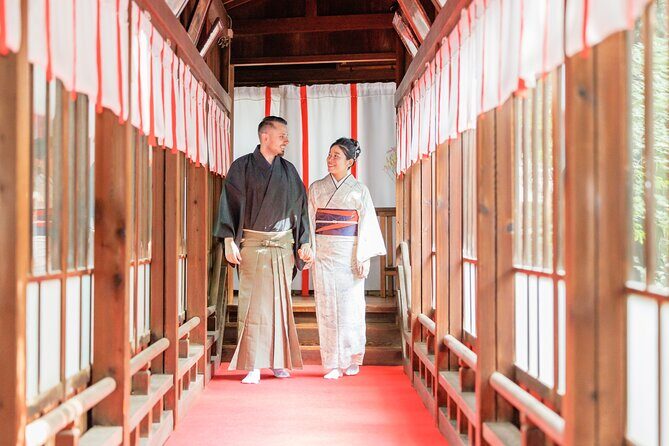
- Kimono rental plus hair-styling support makes you look right in photos and in person.
- Pro photo session at multiple shrine locations (including indoor and outdoor spots) means you’re not stuck with one backdrop.
- English-friendly guidance is part of the experience flow, so you can actually enjoy what’s happening.
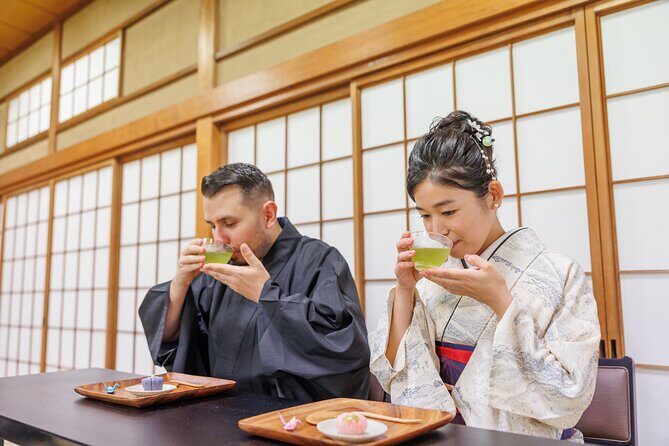
- Tea, sweets, and live Gagaku turns the day from photos-only into a full cultural moment.
- Shrine manners + blessing give the visit meaning beyond the camera.
A Shrine Visit Built Around Photos (Not Guesswork)
Shrines in Japan can be strict about photography. Without permission, professional photography is generally not allowed, and even wedding events at shrines often come with restrictions. That’s exactly where this kind of organized experience helps you. You’re not relying on luck or trying to interpret rules on the spot—you’re following a planned flow designed for overseas visitors.
The big practical advantage for you is confidence. You can focus on posing, enjoying the vibe, and learning what you’re seeing, instead of constantly worrying whether your photographer is about to stop for permission issues. And because the group is small, you’re less likely to feel like you’re constantly stepping out of the way of other visitors.
The tour is set up around Japanese culture inside a shrine setting, not a rushed photo “stop.” Expect a tranquil environment that’s still easy to reach from the Shinjuku area. That balance matters in Tokyo, where “authentic” often comes with long travel time.
You can also read our reviews of more photography tours in Tokyo


Meet at 七社神社, Then Dress for the Moment
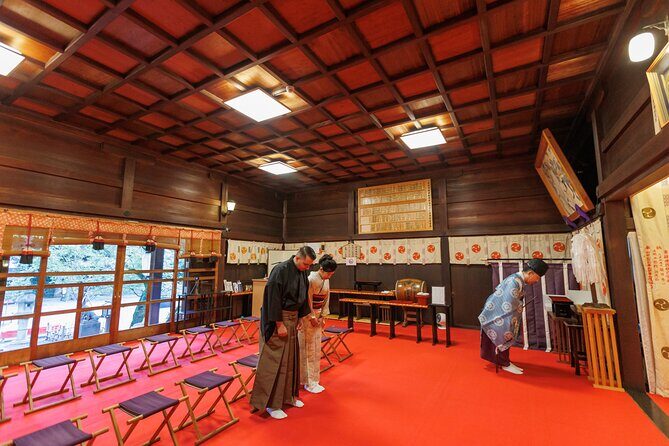
You meet at Japan, 〒114-0024 Tokyo, Kita City, Nishigahara, 2-chōme−11−1 七社神社, with the start time set for 1:00 pm. The experience runs about 3 hours 30 minutes, and it ends back at the meeting point.
Right away, the rhythm is clear: you’ll meet first, then you’ll move into kimono dressing. This part is more than a costume. It’s what lets the rest of the experience make sense. In a shrine environment, clothing, posture, and movement all affect how respectful and natural you feel.
I like that this is structured. You’re not asked to figure out your own kimono fit or styling. The team handles kimono rental and the whole look—so you can stop worrying and just enjoy being part of the scene. The result is also practical: when your kimono and hair are done well, your photos look intentional, not awkward.
If you’re the kind of traveler who cares about how you look in photos, this will land well. If you’re not, you’ll still benefit, because the styling time makes the rest of the tour smoother and more comfortable.
Kimono Styling: Where the Experience Gets Real
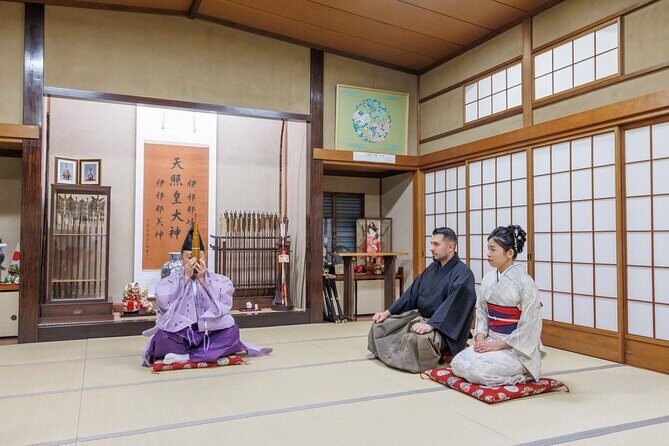
The included items are refreshingly straightforward: kimono rental, photo session, photo data in digital files, tea and sweets, shrine admission fee (including a fee for receiving a blessing in most shrines), and the live Gagaku performance.
Kimono dressing plus styling is often the part people underestimate when they book these experiences. But it’s also the part that drives the overall quality. If your kimono fit is off, you’ll feel self-conscious. If your hair is messy or your look doesn’t match the setting, your photos won’t feel like they belong to the shrine atmosphere.
The experience is handled by professionals, and the reviews you’ll see consistently point to that comfort level—people feel relaxed because they’re guided through the process. You’ll also benefit from having someone interpret and support you during the steps, especially if your Japanese is basic.
One more detail that matters: this isn’t one photo pose and done. The photo session includes shots at various locations within the property, including indoor and outdoor spots. You’ll want a styling job that holds up across different lighting and backgrounds, not just one quick angle.
The Photo Session at the Shrine: Posing, Places, and Permission
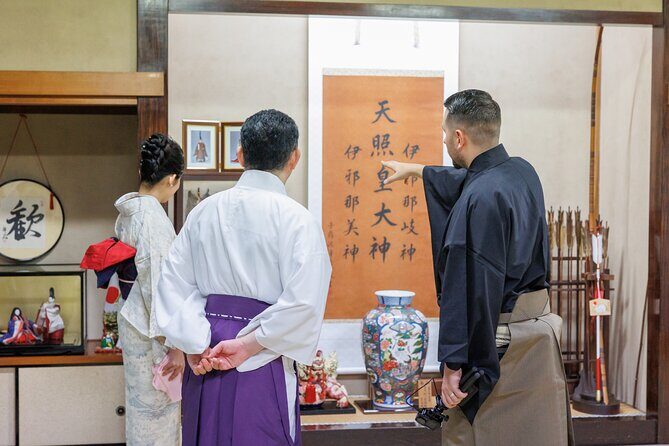
Photography is the heart of this tour, but it’s not just about clicking a camera. Expect a professional photographer directing your poses, helping with timing, and guiding you to spots that work well within the shrine property.
Because shrines can restrict professional photography, your organizer’s role becomes important. Even if you’ve visited shrines before, you’ll notice how different it feels when the experience is designed around allowed photography and respectful behavior. It’s a relief to follow a plan and not interrupt anyone’s visit.
What you’ll likely enjoy most:
- You’re given clear direction for posture and movement, so you don’t end up standing stiff.
- You get to use different locations for variety, including areas that look great both outdoors and indoors.
- You’re wearing a kimono, so the photographer can build shots around how fabric falls, how you turn, and how you hold yourself.
There’s a subtle cultural layer here, too. Shrine photography tends to reward restraint. The best shots are usually the ones that look calm, respectful, and in sync with the environment. This tour’s structure pushes you toward that style instead of the loud, tourist-grab-everything approach.
Tea, Japanese Sweets, and Live Gagaku Performance
After dressing and photo time, you get to slow down. The itinerary includes tea and Japanese sweets with a live Gagaku performance.
This is one of those moments you’ll remember because it changes the pace. Tokyo can run hot and fast, and sitting with tea makes you feel your way back into the setting. The sweets are part of that break—small, easy, and perfectly timed after the photo work.
Then comes Gagaku, an old Japanese court music tradition often described as one of the oldest Japanese instruments. Even if you don’t know the details, you’ll feel the difference. It’s controlled, formal, and it fits the shrine atmosphere in a way playlists never do.
This is also where the “Japanese culture inside a shrine” idea becomes more than marketing. You’re not only wearing the clothing and taking photos; you’re hearing something with deep roots while you’re physically in a place shaped by tradition.






Shrine Etiquette and the Blessing for a Safe Journey
The tour includes learning history, tradition, and culture, plus a focus on manners when visiting a shrine. That’s a huge value add for you, because it helps you behave correctly even after the tour ends.
Shrines aren’t just pretty backdrops. They’re active spiritual spaces. A good part of respecting that involves knowing what to do and what to avoid, but also understanding the meaning behind the visit. You’ll walk away with practical manners you can use next time you’re in Japan.
Finally, you receive a shrine blessing for a safe journey. In most shrines, there’s a fee for receiving a blessing, and this tour includes the shrine admission fee with that blessing component handled as part of the experience.
This final step ties everything together. Photos are fun, but a blessing gives the whole experience a purpose. It turns your kimono-and-camera time into something that feels like participation, not performance.
Price and Logistics: Is It Worth $858.41?
Let’s talk value without sugarcoating it. $858.41 per person is a premium price for Tokyo. So you should only book if you genuinely want the full package: kimono rental, professional photography at a shrine, digital photo data, tea and sweets, live Gagaku, shrine admission, and the blessing process.
Here’s how I’d judge the value for your trip:
- If you’re someone who likes high-quality photos and wants them in a meaningful setting, this is built for you. You’re paying for professional direction, access to multiple locations within the property, and the cultural flow that supports the experience.
- If you mainly want to visit a shrine casually, you’ll probably find cheaper ways to do that on your own. A regular shrine trip won’t give you the kimono-photo-production level, and shrines can restrict professional photography unless you’re organized.
- If you care about comfort and guidance, small group size helps a lot. With a maximum of 6 travelers, you get attention instead of feeling like a factory line.
Logistics are mostly straightforward. It uses a mobile ticket, and it runs from the shrine meeting point with a 1:00 pm start. Private transportation is not included, but it’s near public transportation, which keeps the day realistic even if you’re staying in central Tokyo.
One more thing: the tour proceeds as scheduled regardless of weather conditions. If you hate being out in light rain, bring a small umbrella or rain layer so you can stay comfortable for photos.
Who This Tour Fits Best (And Who Might Pass)
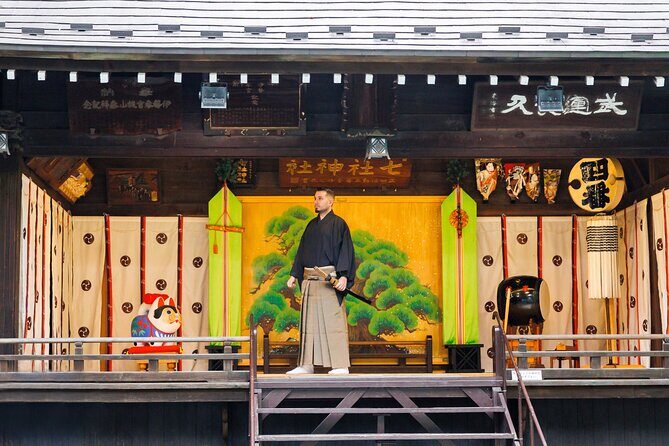
This experience is ideal if you want:
- A shrine visit that feels respectful and guided, not just photo sightseeing
- A kimono experience where you don’t have to figure out anything on your own
- Professional photography with direction, plus digital photo files after
- A balanced mix of performance (Gagaku), food (tea and sweets), and cultural instruction (shrine manners)
It may be less ideal if:
- You’re on a tight budget and only want a casual shrine look
- You’re looking for a general Tokyo sightseeing day rather than a focused cultural-photo experience
- You dislike structured schedules and having your time accounted for (this tour has a clear step-by-step flow)
Should You Book This Kimono Photo Session?
If you’re chasing a specific kind of Tokyo memory—kimono photos at an actual shrine setting, guided and handled properly—this is a strong choice. The best part for me is the combination: the styling and photo session are serious, and the tea, sweets, and live Gagaku keep it from turning into a purely transactional photo shoot. Add shrine manners and a blessing, and you get more than just pretty pictures.
I’d book this when you:
- Want premium results and don’t mind paying for professionals
- Prefer small-group experiences
- Care about doing shrine etiquette correctly
- Want something beyond the biggest tourist circuits, while still staying close to where you’re already traveling in Tokyo
If you only want a quick shrine stop, you can probably do that for less on your own. But if you want the full flow, this one is built for it.
FAQ
Where is the meeting point?
You meet at Japan, 〒114-0024 Tokyo, Kita City, Nishigahara, 2-chōme−11−1 七社神社.
What time does the experience start, and how long does it last?
The start time is 1:00 pm, and the duration is approximately 3 hours 30 minutes.
What’s included in the experience price?
It includes kimono rental, the photo session, photo data in digital files, tea and sweets, shrine admission fee (with a fee for receiving a blessing in most shrines), and a live Gagaku performance.
Do I receive my photos digitally?
Yes. You receive the photo data in digital files.
Is professional photography usually allowed at shrines?
Generally, without permission, professional photography is not allowed at shrines, and many shrines may not grant photography permits. Even weddings at shrines can have restrictions.
What is the cancellation policy?
You can cancel for free up to 24 hours before the experience’s start time for a full refund. If you cancel less than 24 hours before the start time, the amount paid is not refunded.