REVIEW · KYOTO
Kyoto: Amanohashidate Ine Funaya Tour
Book on GetYourGuide →Operated by REOTRIP TECHNOLOGY LIMITED · Bookable on GetYourGuide
That ribbon of sand looks unreal in real life. This Kyoto-area day trip pairs the famous Amanohashidate sandbar views with the quieter charm of Ine’s waterfront boat houses, all in one smooth bus route. I love the mix of big, iconic scenery and smaller, slower moments at Chion-ji and Ine, plus the guided storytelling that helps you read what you’re seeing.
The biggest consideration is timing and extras. You’ll pay for entry tickets and likely the optional boat ride, and a few past guests felt the historical context could be deeper or that payment details for extra costs weren’t always clear enough.
In This Review
- Key points to know before you go
- Getting from Osaka to Amanohashidate: the bus ride that shapes the day
- Heaven’s Bridge at Amanohashidate: pine trees, white sand, and two seas
- Chion-ji Temple: the wisdom stop that feels built for students
- A photo stop in Kyoto Prefecture: use it for fresh air and planning
- Ine’s funaya boat houses: the waterfront walk that slows you down
- Optional bay cruise and feeding seagulls: fun, but budget for it
- Price and value at $76: what you’re getting for a long day
- Logistics that make or break the day: money, timing, and luggage
- How long you’ll walk and where to focus your energy
- Who should book this tour (and who might prefer something else)
- Should you book the Kyoto: Amanohashidate Ine Funaya Tour?
- FAQ
- How long is the Kyoto: Amanohashidate Ine Funaya Tour?
- Where does the tour pickup happen?
- What’s included in the price?
- Are entry tickets included?
- What languages are available for the tour guide?
- Do I get a refund if I cancel?
- Is food included?
- Is there a luggage limit?
Key points to know before you go
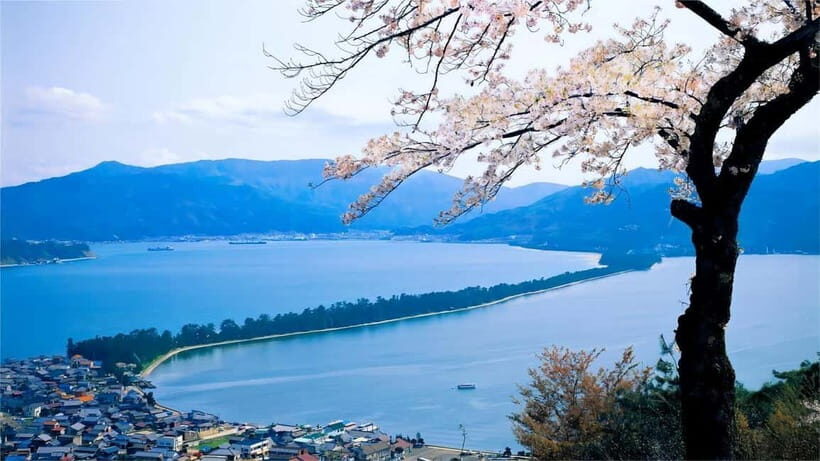
- Heaven’s Bridge (Amanohashidate): a sandbar linking Miyazu Bay, framed by pines and bright white beach edges.
- Chion-ji Temple: dedicated to Manjushri, the Buddhist god of wisdom, with a student-focused vibe around learning and improvement.
- Ine’s funaya boat houses: waterfront architecture that looks like it was built for postcards.
- Optional bay cruise: you can take a boat ride around the bay and feed seagulls, with costs not included.
- Long-but-manageable day: about 2.5 hours each way on the bus, plus set walking and photo stops.
- Guides run the day: English and Japanese support, but the depth of explanations can vary by guide.
Getting from Osaka to Amanohashidate: the bus ride that shapes the day
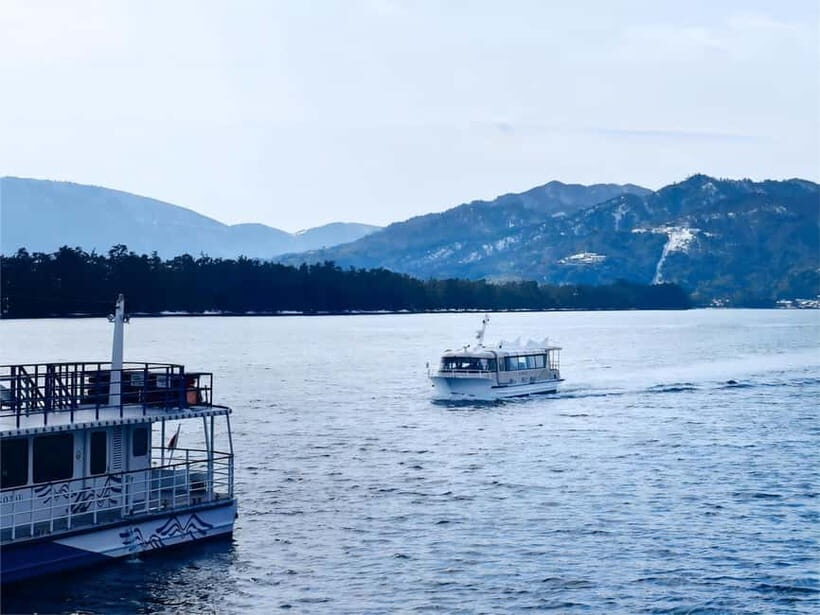
This is a one-day route, and the rhythm is simple. You start with a pickup in Osaka, then you board the bus right away and settle in for a roughly 2.5-hour drive. You’ll get to the sandbar area in time for your main outdoor photo stops, and the rest of the day flows as a sequence of short visits with a bit of walking.
Why the bus time matters: it protects you from the hassle of switching trains and buses between Kyoto-area highlights. The tradeoff is that it’s still a long day total—listed at 10 hours—so you’ll want comfortable shoes and a plan for staying fed without relying on snacks being nearby or fast.
You also get real-world guidance the day before. The operator emails pickup location details, contact info for your guide, and the bus license plate number. That’s genuinely useful because day-trips go sideways when people aren’t sure where to meet.
You can also read our reviews of more tours and experiences in Kyoto.



Heaven’s Bridge at Amanohashidate: pine trees, white sand, and two seas
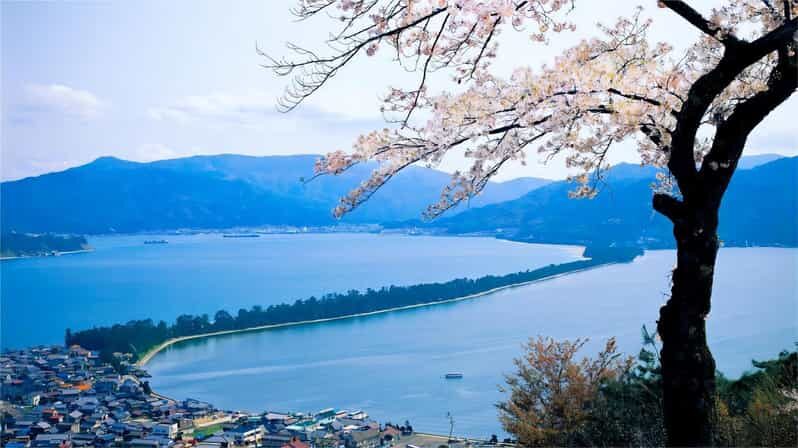
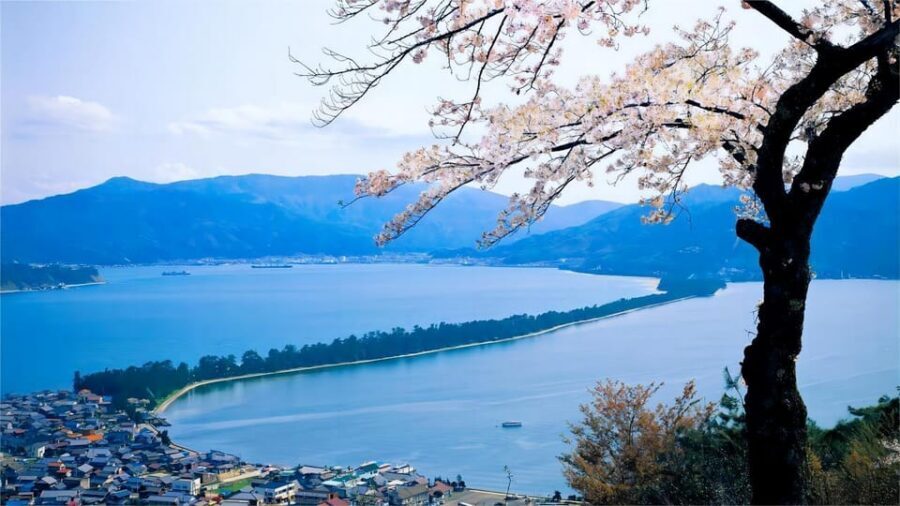
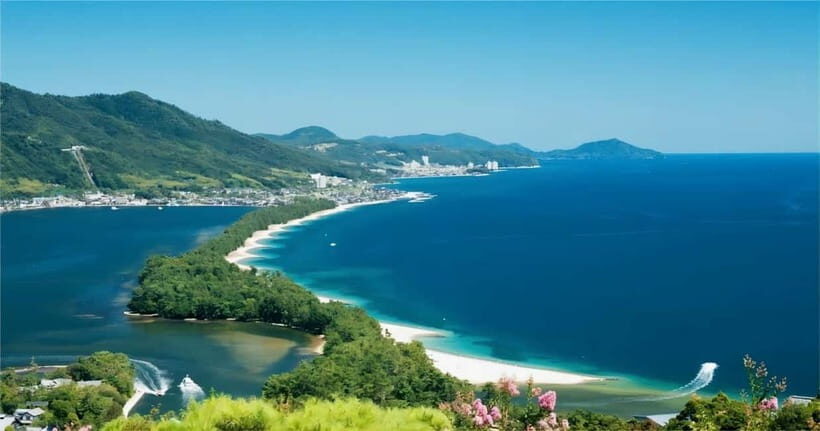
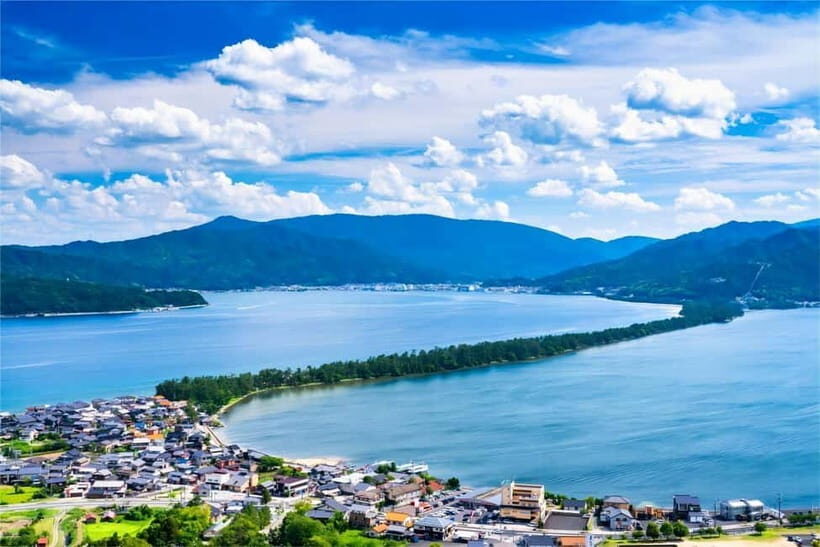
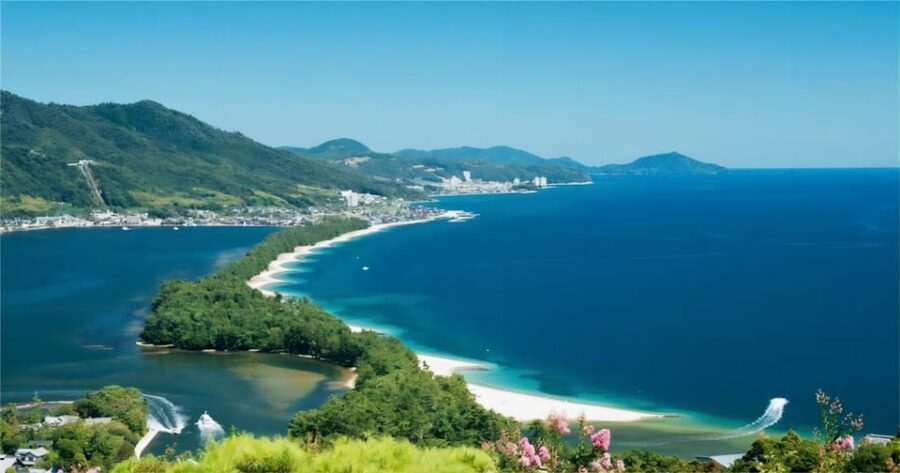
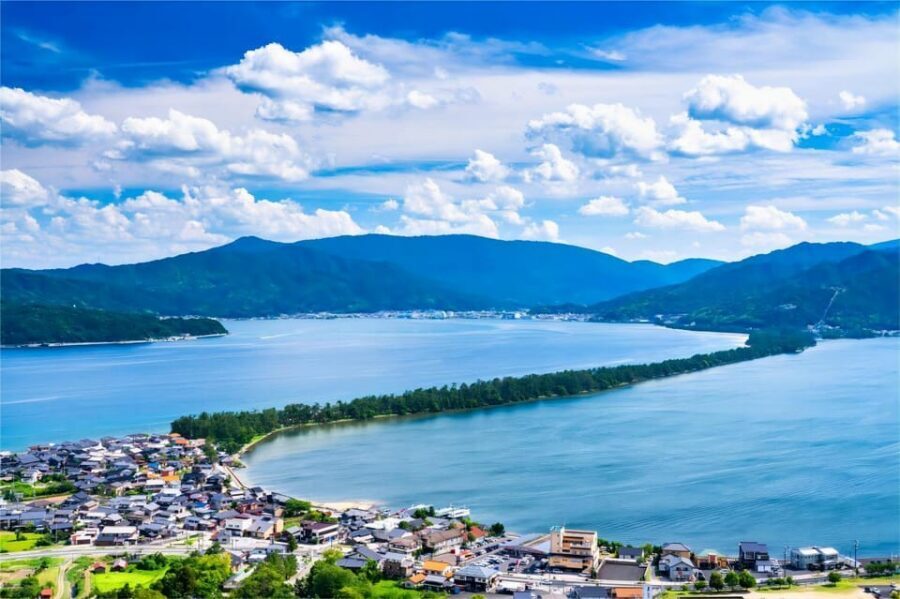
Your first big wow is Amanohashidate, one of Japan’s Three Views. The centerpiece is the sandbar called Heaven’s Bridge, which links both sides of Miyazu Bay. Even if you’ve seen photos, this is the kind of place that makes scale click when you’re standing there.
Here’s what you’ll be looking at:
- a “bridge” made of sand, stretching across the water
- dense pine trees covering the sandbar
- bright, clean white sandy beaches
- wide open views over the Aso Sea and the Sea of Japan
This is also where your photos will make the biggest difference. The itinerary gives you time for viewing, pictures, and some walking. I’d treat this stop like your “reset moment” of the day: hydrate, get your best shots early, and then move on with less rushing later.
A small practical note: weather changes the look of the water and visibility. If it’s foggy or windy, take photos anyway—just don’t expect the same crisp reflections you’d see on a calm day.
Chion-ji Temple: the wisdom stop that feels built for students
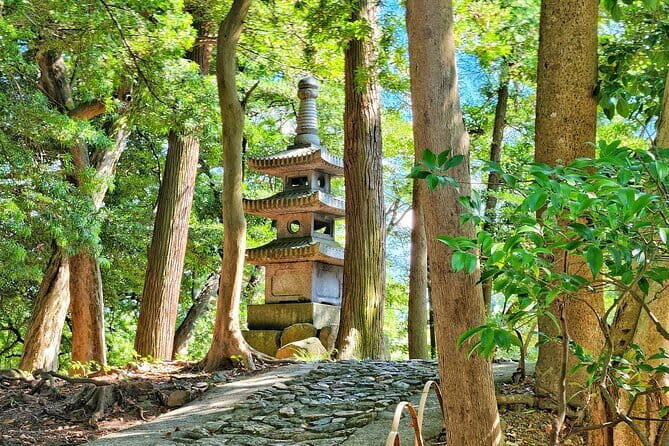
After the sandbar, you head to Chion-ji Temple, located south of Amanohashidate. This place is dedicated to Manjushri, the Buddhist god of wisdom. The temple focus isn’t abstract. You’ll hear how students come here seeking blessings that support academic success.
What I like about this stop is that it gives you a different kind of travel payoff. Amanohashidate is visual scale. Chion-ji is meaning and ritual—less about sweeping views, more about how a community practices hope and improvement.
You’ll also get a few details that help you pay attention on-site:
- stop for photos, then visit with guided explanation
- walk through an ancient gate on the way in
- see a fan-shaped signed poem symbolizing progress and improvement
The visit time is shorter than the sandbar, so don’t expect to linger for hours. But in a day-trip schedule, Chion-ji hits the sweet spot: enough time to appreciate what you’re seeing and understand why people treat the temple as a study-season landmark.
One consideration: a couple guests felt they wanted more historical depth from the guide. If you’re the type who loves background context—founding dates, sect details, and deeper temple history—you may want to set your expectations that the guide may keep it light and story-based.
A photo stop in Kyoto Prefecture: use it for fresh air and planning
Between the temple and Ine, there’s another block that’s basically about positioning you for the next leg. The schedule includes a stop in Kyoto Prefecture with photo time, guided tour time, sightseeing, and walking for about an hour.
You won’t get a single, iconic “target” here like Heaven’s Bridge or Ine’s boat houses, so your job is to treat it as flexible travel time. Use it to:
- grab water and a quick snack if you need it (since food isn’t included)
- get your bearings for the next town walk
- take a break from all-day sitting on the bus
This kind of stop is often where the day can either feel smooth or slightly rushed, depending on how crowded the sites are and how the driver handles traffic. If you’re the planning type, this is also where you can mentally map out where you’ll spend your money in Ine.
Ine’s funaya boat houses: the waterfront walk that slows you down
Now for the part that feels most “real Japan” in daily life. Ine is a fishing town known for its waterfront boat houses—often called funaya. In practice, it means you’re walking along a shoreline where the boats and buildings are part of the same scene.
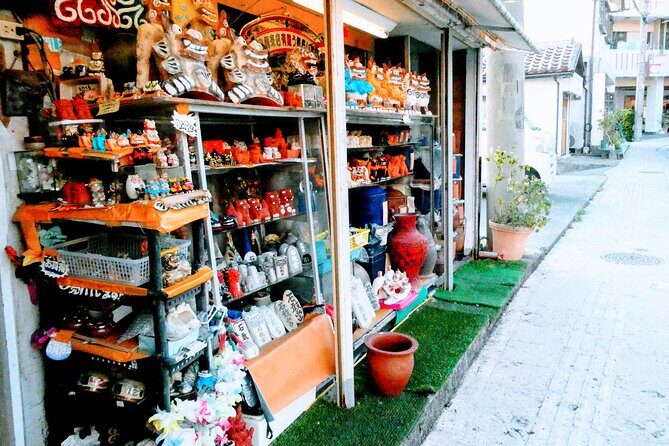
The itinerary gives you time to check out the boat houses along the waterfront, then walk around town. You’ll also have shopping and restaurant opportunities.
What makes Ine worth your attention is the atmosphere. Amanohashidate is a famous national-view spectacle. Ine is a working landscape. Even though you’re on a tour schedule, you still get that sense of a place built around tides, boats, and daily routines.
One timing tip: Ine’s best moments are slow ones. If your group is moving fast, it’s okay. Step to the side when you can and give yourself 10 minutes to just look at the waterline and how the houses sit along it.



Optional bay cruise and feeding seagulls: fun, but budget for it
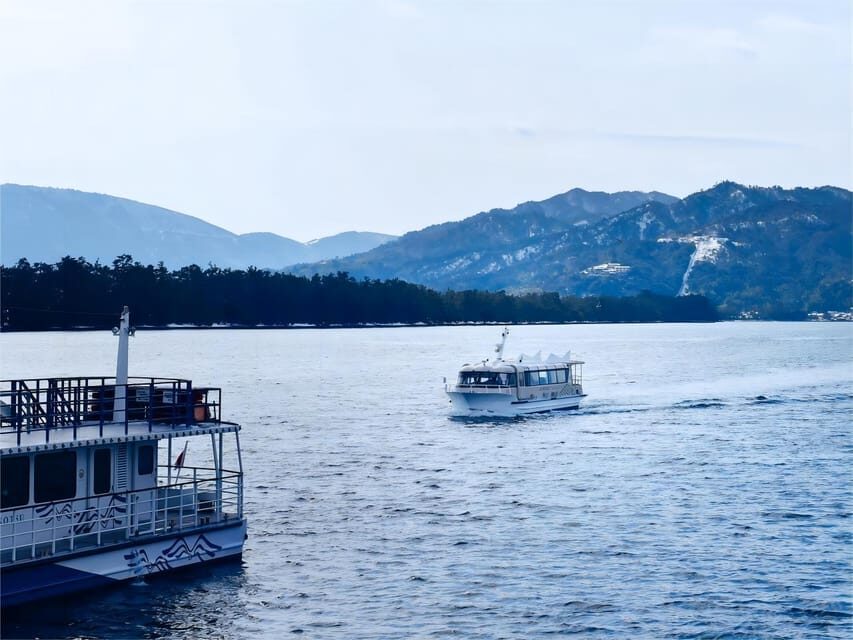
The highlights promise a boat cruise around the bay where you can feed seagulls. The practical side is that the boat ride is optional and you’ll pay for it if you want.
That optional cost matters because entry tickets aren’t included, and the tour specifically suggests paying for a boat ride. So this is a good day to travel with some cash or a backup payment method, just in case the smaller local spots you pass through are picky about card use.
A note from past experiences: one guest mentioned that an extra payment caused them to be short on cash, and a place wouldn’t take card. I’m not saying every shop is like that—but it’s a reminder that on day trips, you don’t always get perfect payment options everywhere.
Still, if you’re deciding whether to do it: this cruise is the most “active” part of the day after all the walking stops. Feeding seagulls turns the bay scenery into a memorable moment you can’t replicate just by standing on land.
Price and value at $76: what you’re getting for a long day
At $76 per person for a 10-hour day, the value comes from two big things: transportation and guide support. You get:
- return hotel transfer
- transportation to the sites
- a tour guide
Food and drinks are not included, and entry tickets aren’t included either. That’s normal for group day trips, but it changes your real budget. The best way to evaluate the price is this: you’re paying to remove the hardest part of the day—routing and time management between multiple stops.
Where the value can wobble is explanation quality. Most people come away happy with the organization, and some guests praised specific guides by name (Jay was described as the best, and Fred was praised for clear explanations and high energy). But a couple others wanted more detailed on-site explanations or found parts of the English harder to follow.
If you’re a serious info-hunter, I’d treat the guide as a helpful layer, not your full encyclopedia. If you like seeing places first and getting just enough story to make the visit click, you’ll likely feel satisfied with what’s offered.
Logistics that make or break the day: money, timing, and luggage
This tour runs with the reality of road travel. The schedule can shift due to traffic, weather, holidays, or crowds. If delays happen, refunds can’t be requested, so plan your expectations around the fact that bus time isn’t always under your control.
Food is on you. Since food and drinks aren’t included, bring a plan:
- eat before the pickup if possible
- pack a snack for the ride
- consider a meal in Ine, where the walking and shops are your window
Also, think about extra costs. Besides entry tickets and the boat cruise, you may run into small on-site fees depending on what you choose.
Luggage: you can bring one piece for free. Extra luggage larger than 20 inches costs $16 USD. If you’re traveling light, great. If you’re coming from a multi-bag trip, you’ll want to rethink what you actually need for a day out.
How long you’ll walk and where to focus your energy
Your itinerary includes set walking time:
- Amanohashidate: about 2 hours of visit/free time with walking
- Chion-ji Temple: around 30 minutes of visit and walking
- Kyoto Prefecture photo/sightseeing stop: about 1 hour of walking
- Ine: time for waterfront viewing and walking around town
So yes, it’s a “see a lot” day. But it’s not a marathon. The heaviest time is concentrated at the sandbar and in Ine, where your eyes and camera will do most of the work.
If rain hits, don’t panic. You still get outdoor viewing at Amanohashidate, but Chion-ji and town walking will help balance the day. The cruise could also change depending on conditions, so be ready for adjustments.
Who should book this tour (and who might prefer something else)
This is a strong fit if you want:
- a bus-day trip that strings together two major scenery hits (Amanohashidate and Ine)
- a guided visit to a temple tied to wisdom and study
- an optional activity that adds excitement (the bay cruise and seagulls)
It may be less ideal if:
- you want deep, detailed historical lectures at every stop
- you strongly rely on card payments and don’t want to carry any cash
- you’re sensitive to long travel days with limited meal planning
If you’re short on time in the Kyoto-Osaka area and want one good day that covers multiple kinds of experiences—viewpoints, temple meaning, and coastal town life—this makes sense.
Should you book the Kyoto: Amanohashidate Ine Funaya Tour?
If your priority is seeing Heaven’s Bridge and experiencing Ine’s funaya in one organized day, I’d book it. The route is designed to minimize hassle, and the main stops match what most people travel to Japan for: iconic views and everyday shoreline character.
If you hate paying extra on the fly, go in with a buffer for entry tickets and the optional boat cruise. Also, if you’re the type who wants richer historical explanations, consider pairing this tour with a little pre-reading so you can enjoy the guide’s notes without feeling like you’re missing chapters.
For the right traveler, this is one of those day trips that feels like a full day well spent—especially when you’re eager to trade train transfers for someone else handling the drive.
FAQ
How long is the Kyoto: Amanohashidate Ine Funaya Tour?
The tour duration is listed at 10 hours.
Where does the tour pickup happen?
Pickup is in Osaka, and the meeting point may vary depending on the option booked. The listed options include Nippombashi Station and Kyoto-Hachijoguchi Bus Loading Area.
What’s included in the price?
Included are return hotel transfer, transportation to the sites, and a tour guide.
Are entry tickets included?
No. Entry tickets are not included.
What languages are available for the tour guide?
The tour guide provides English and Japanese.
Do I get a refund if I cancel?
You can cancel up to 4 days in advance for a full refund.
Is food included?
No. Food and drinks are not included.
Is there a luggage limit?
Each person can bring one piece of luggage for free. Additional luggage larger than 20 inches is charged $16 USD.