REVIEW · KYOTO
Kyoto and Nara 2-Day Tour: Golden Pavilion, Todaiji, Deer Park
Book on Viator →Operated by KAMNAVI Tours · Bookable on Viator
Golden Pavilion and torii gates in two days. This Kyoto and Nara tour strings together the big-name sights with guide-led explanations, so you’re not just moving from photo spot to photo spot. I like how the schedule links very different vibes: gold reflections, quiet bamboo, shogun-era power, geisha district streets, then temple-scale awe.
Two things I especially like: admission fees are included for several key stops, and the days feel well managed by professional guides. In the same tour setting, I’ve seen strong guide feedback tied to names like Naoko, Nick, Ryusuke, and Tomoko Murai, with praise for clear explanations, patience, and even a sense of humor.
One possible drawback to plan for: food and drinks aren’t included, so you’ll need to budget for meals on your own between stops. Also, the tour calls for moderate physical fitness, which means you should expect time on your feet at multiple major sites.
In This Review
- Key highlights worth your attention
- Two-Day Rhythm: How Kyoto and Nara Actually Fit Together
- Day 1: Kinkakuji, Bamboo Forest, Nijo Castle, and a Gion Walk
- Kinkakuji Temple: the gold-leaf moment
- Bamboo Forest Street: an hour and a half of calm
- Nijo Castle: power, politics, and what changed
- Gion: Kyoto’s biggest geisha district for a short stroll
- Day 2: Torii Tunnel, Todai-ji Scale, and Kasuga Lanterns
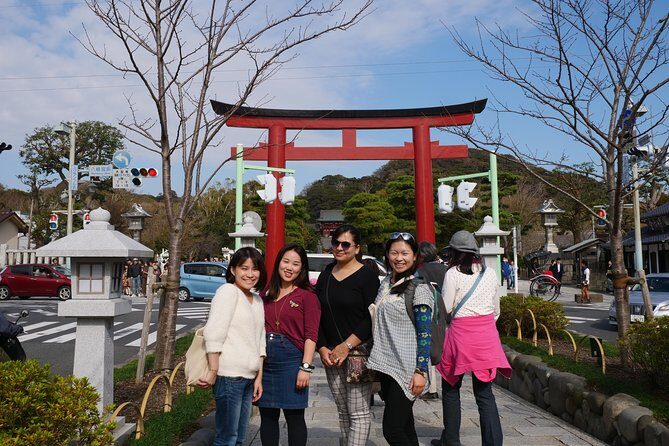
- Fushimi Inari-taisha: thousands of torii gates
- Todai-ji Temple: the corridor scale moment
- Kasuga Grand Shrine: the lantern field
- The Guide Factor: Why Naoko, Nick, Ryusuke, and Tomoko Murai Stand Out
- Timing, Tickets, and Why the Inclusions Matter
- Who Should Book This Kyoto and Nara 2-Day Tour
- Weather Matters More Than You Think
- Should You Book It?
- FAQ
- Where does the tour start and what time?
- How long is the Kyoto and Nara 2-day tour?
- What’s included in the price?
- Are food and drinks included?
- Is this tour private, and what fitness level is expected?
- What happens if weather is poor?
Key highlights worth your attention
- Golden Pavilion and its pond reflection at Kinkakuji, with Zen and samurai-culture context from your guide
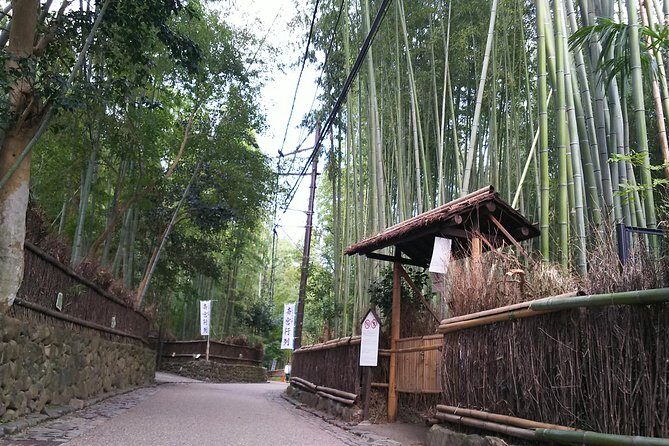
- Bamboo Forest Street for a full 1.5 hours, with a slow, sensory way to experience the sound of bamboo and leaves
- Nijo Castle timing and story: you’ll connect the shogun’s Kyoto visits with the move of the shogunate to Edo
- Gion stroll as Kyoto’s largest geisha district among five, with an easy walk-through of traditional streets
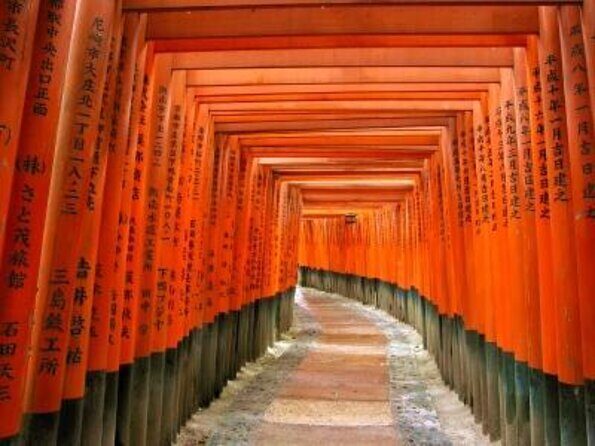
- Fushimi Inari’s torii tunnel of thousands of vermilion gates donated in gratitude for good fortune
- Todai-ji and Kasuga Shrine scale: one of the world’s largest wooden Buddha halls, then lantern-packed Kasuga
Two-Day Rhythm: How Kyoto and Nara Actually Fit Together
This is a focused, two-day sweep designed for people who want structure. You start at 9:30 am at Kyoto Station Building 901. From there, you move around with help from a guide and public transportation fare included in the price, so you’re not spending half your morning figuring out the next ride.
What makes this itinerary work is contrast. Day 1 leans into Kyoto’s visual icons and atmosphere: the bright, iconic look of Kinkakuji; a calmer reset in the bamboo; then the shogun-world inside Nijo Castle, followed by the streetscape of Gion. Day 2 pivots to Japan’s spiritual gravity and famous shrines: Fushimi Inari’s torii tunnel, Todai-ji’s huge Buddha Hall experience, and Kasuga Grand Shrine’s dense lantern field.
If you like your travel days with a plan but still want time to look and wander, this format is a good match. It also helps that the tour is private for your group, so you’re less likely to get swept along by a random pace you can’t control.
A few more Kyoto tours and experiences worth a look
Day 1: Kinkakuji, Bamboo Forest, Nijo Castle, and a Gion Walk
Kinkakuji Temple: the gold-leaf moment
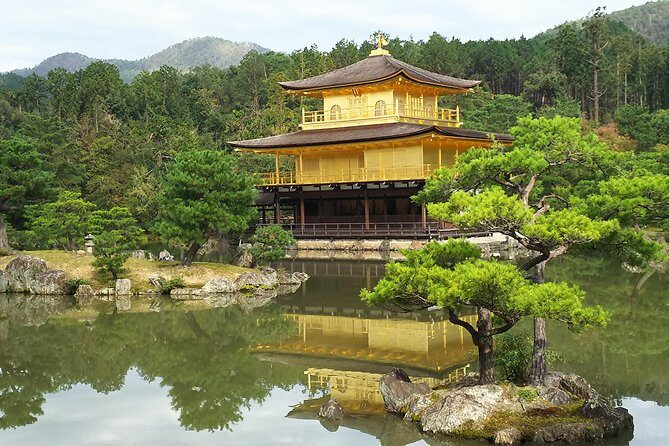
Kinkakuji Temple is the kind of place where the guide’s context matters as much as the visuals. You’ll see the hall covered by gold leaf, and the description specifically points to the way it harmonizes with the scenery through its reflection on the pond. That’s a big deal. Without explanation, you can still enjoy the photos. With explanation, you understand why this temple functions as an icon tied to Zen and samurai culture.
The time slot is 45 minutes, and the admission fee is included. That’s enough to pause, look at the gold and water alignment, and not feel rushed.
Practical tip for this stop: treat it like a slow viewing. People tend to snap pictures fast. If you want the full effect of reflection, take a little time standing still instead of walking in circles.
Bamboo Forest Street: an hour and a half of calm
Next is Bamboo Forest Street with 1 hour 30 minutes. This is one of the few stops in a major-sights itinerary that’s designed to slow you down. The tour’s framing nudges you to close your eyes and listen to the way bamboo trunks and leaves touch. That’s the point. You’re not only sightseeing. You’re resetting your attention.
Admission is free here. That’s great value, but even better is how the long time slot lets you experience it rather than pass through.
Possible drawback: bamboo areas can feel crowded. Since the time is longer, you may want to use that time strategically—arrive calm, then shift your position if you can when the flow of people changes.
Nijo Castle: power, politics, and what changed
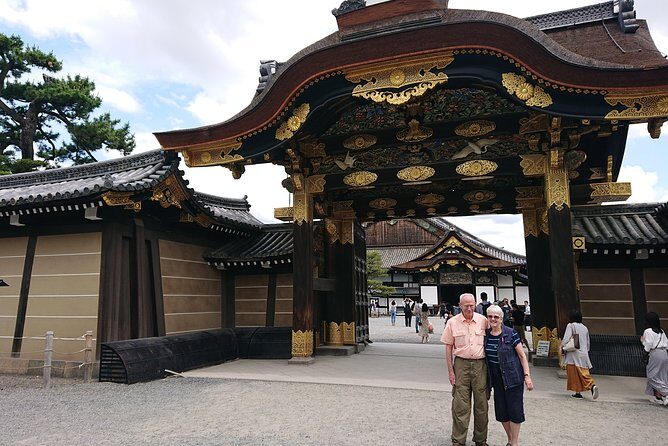
After the quiet, you’ll move into the political center of the shogun world. Nijo Castle connects directly to the moment when the shogunate moved to Edo (present-day Tokyo). The description highlights that it was built as the castle where the shogun stayed when visiting Kyoto.
You also get a look inside the castle. The itinerary description mentions more than 1,000 impressive details in the interior. Whether you notice every small element or focus on the biggest impressions, the guide-led explanation helps you understand what you’re looking at and why it mattered.
This stop runs 50 minutes with admission ticket included. That time is a good balance: enough to take in the interior concept and the overall feel, without chewing up your whole afternoon.

Gion: Kyoto’s biggest geisha district for a short stroll
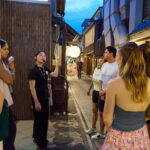
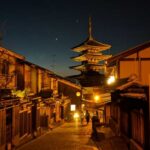
To close Day 1, you’ll visit Gion. The tour notes that Kyoto has five geisha districts and that Gion is the biggest one. It also emphasizes that geisha are an important part of traditional Japanese culture, then keeps it simple: you stroll around the district’s old-style streets and houses.
This stop is 40 minutes and admission is free, which is nice because it lets you spend your money where it counts: the paid temple/castle interiors earlier in the day.
What I like about ending here: it’s a change of pace from temples and castles. You get the street-level Kyoto look, and you can decide how much time you want to linger on your own afterward (within whatever time your day allows).
Day 2: Torii Tunnel, Todai-ji Scale, and Kasuga Lanterns
Fushimi Inari-taisha: thousands of torii gates
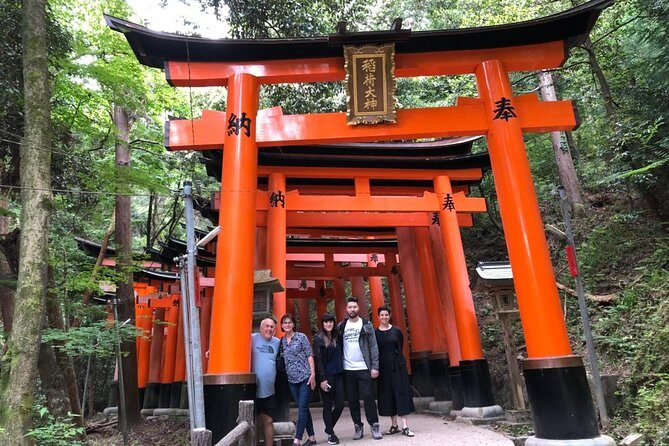
Day 2 begins at Fushimi Inari-taisha Shrine. The headline is the tunnel of thousands of vermilion torii gates, described as world-famous and very picturesque. The explanation also notes that these torii gates were donated by worshippers in appreciation for good fortune they received.
You’ll have 45 minutes. Admission is free, so this is one of the best “big payoff” stops in the whole trip. When places are famous like this, the best way to enjoy them is to let the gate rhythm do its job: look ahead, then look up, then slow down and scan the details your guide points out.
Possible consideration: because this is famous, it can be busy. With only 45 minutes, you’ll want to pick a viewing approach early—either enjoy the flow and look for angles as you walk, or stop more often for the tunnel effect.
Todai-ji Temple: the corridor scale moment
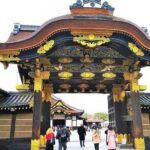
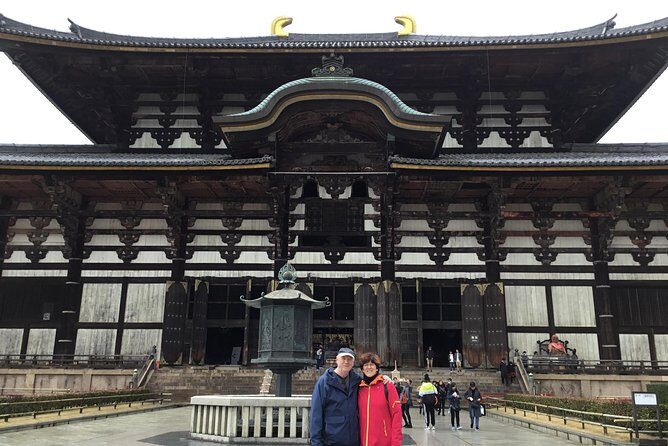
Next is Todai-ji Temple, with 50 minutes and admission included. The tour’s key detail is the Buddha Hall, described as one of the largest wooden building in the world. The itinerary also calls out a specific feeling: upon entering the corridor, you’ll be overwhelmed by the scale of the hall.
That’s exactly how this kind of place should be experienced. The power isn’t just in what you see at the front. It’s the step-by-step reveal. The tour also includes ritual context: you cleanse your hands and mouth at a purifying station as part of the visit.
If you’re someone who likes understanding what you’re doing during the visit, this stop will land well. Ritual moments can feel random if you don’t know why they happen. Here, you’ll get the explanation so you can participate with meaning.
Kasuga Grand Shrine: the lantern field
The last stop is Kasuga Grand Shrine, timed at 40 minutes with admission free. The description gives three concrete anchors:
- it was built around 1,300 years ago
- it holds about 1,000 branch shrines across Japan
- its precincts have more than 3,000 lanterns, described as the largest in Japan
The itinerary also points to visual contrast—lantern color against surroundings—so you’re not just walking through. You’re supposed to notice the way the lantern presence changes the mood of the shrine area.
This is also a good “close-out” stop because it’s visual and memorable. After temples and castles, lantern density can feel different and special without requiring you to hunt for one specific view.
The Guide Factor: Why Naoko, Nick, Ryusuke, and Tomoko Murai Stand Out
The biggest strength of this tour is that it’s not just a route. It’s an explanation-led day where the guide helps you connect the dots.
In the feedback tied to guides such as Naoko, Nick, Ryusuke, and Tomoko Murai, you can see a pattern: they’re described as well organized, patient, and able to share context that makes the sites easier to understand. Naoko is specifically praised for being detailed and insightful, plus having a great sense of humor. Nick is praised for patience and flexibility. Ryusuke is praised for sharing history background and keeping the experience smooth. Tomoko Murai is described as an expert guide with careful treatment.
You should expect a tour style where you’re not left to interpret everything alone. That matters in Kyoto and Nara because even famous sights can feel like blank scenery if you don’t know what the details mean.
If you like learning in small pieces while you walk, you’ll probably appreciate this approach. If you prefer only free time and minimal talking, you might find the guided explanations add a bit of structure you can’t fully control.
Timing, Tickets, and Why the Inclusions Matter
This tour is $321.93 per person and is booked on average about 54 days in advance. It includes guide fare, public transportation fare, and admission fees. Food and accommodation are not included, and that’s a fair trade.
Here’s the value logic:
- Several major stops include admission tickets (you’ll have paid access at Kinkakuji, Nijo Castle, and Todai-ji).
- You’re also getting transportation support via public transit fare rather than handling it all yourself.
- You’re paying for someone to manage the order, timing, and explanations across two days.
If you were building this day-by-day yourself, you’d likely spend time coordinating transport and paying entry fees on your own anyway. The tour price doesn’t just cover access; it covers the friction removal.
One caution: because food isn’t included, your “real total” will depend on how you like to eat. If you want one sit-down meal, plan for that in your budget.
Who Should Book This Kyoto and Nara 2-Day Tour
This tour fits you if:
- You want both Kyoto and Nara in a structured two-day window.
- You like the big names but also want explanations that make the sites feel connected.
- You prefer a guide who adjusts with you, based on repeated praise for patience and flexibility.
- You’re comfortable with moderate physical fitness, since multiple stops and walking are part of the experience.
You might think twice if:
- You hate group timing and would rather roam entirely free without set stop durations.
- You want meals handled for you, because food and drinks aren’t included.
- You’re extremely sensitive to crowds, since famous shrine and temple areas can be busy.
Weather Matters More Than You Think
The tour is noted as requiring good weather. That’s common for walking-heavy sightseeing days, and it’s worth taking seriously in Japan because rain can change how comfortable you feel while moving between sites. If the weather causes cancellation, you’ll be offered a different date or a full refund. That buffer is helpful if you’re scheduling close to other plans.
Should You Book It?
I’d recommend booking this tour if you want a tight, guided route through Kyoto’s icons and Nara’s major shrine experience without the hassle of organizing transport and entry. The combination of Kinkakuji’s gold reflection, a long bamboo forest sensory stop, an explanation-heavy shogun-era castle, and then the emotional scale of Todai-ji plus lantern-filled Kasuga is a strong mix for two days.
The decision comes down to your priorities. If you like structure, enjoy guided context, and want admission and transport handled, this is good value for the time you’re investing. If you’d rather control every minute and plan meals and pacing on your own, you might prefer a looser independent route.
FAQ
Where does the tour start and what time?
The tour starts at Kyoto Station Building 901 Higashishiokōjichō, Shimogyo Ward, Kyoto with a 9:30 am start time.
How long is the Kyoto and Nara 2-day tour?
It runs for 2 days (approx.).
What’s included in the price?
The price includes guide fare, public transportation fare, and admission fees.
Are food and drinks included?
No. Food & Drinks are not included, and accommodation is also not included.
Is this tour private, and what fitness level is expected?
It’s a private tour/activity where only your group participates. The itinerary notes a moderate physical fitness level is required.
What happens if weather is poor?
The experience requires good weather. If it’s canceled due to poor weather, you’ll be offered a different date or a full refund.