REVIEW · KYOTO
Kyoto Kimono Rental CHAMATSU|Kimono/Yukata Rental FamilyPlan
Book on GetYourGuide →Operated by 京都着物連レンタル CHAMATSU · Bookable on GetYourGuide
Kyoto kimono days get real fast when the shop is walkable to the big temples. Kyoto Kimono Rental CHAMATSU sits in a classic Kyoto townscape and has a family plan built for kids, parents, and even older visitors. Same-day reservations are available, and support is offered in English and Chinese.
What I like is how practical the service feels: you’re not just getting outfits, you’re getting everyone dressed in a way that aims to keep you comfortable while you explore. The other big plus is the location convenience: you can go straight from dressing to Kodaiji Temple in about two minutes, and to Kiyomizu-dera in roughly ten. One consideration: the business requires extra care for some visitors (pregnancy restrictions, plus age limits), so check fit before you plan your day.
In This Review
- Key things to know before you rent
- A family-first kimono rental that fits real Kyoto plans
- Walk from dressing to temples in minutes (not hours)
- What you get with the rental (and what you’ll still pay for)
- Dressing help that matters: kids, adults, and older visitors
- Choosing your kimono: regular picks and real-life style help
- A simple 1-day flow you can actually follow
- Phase 1: Dressing and setup
- Phase 2: Temple time, walking pace included
- Phase 3: Return by 19:00
- Price and value: how $32 per group fits the real costs
- Optional accessories: when it’s worth adding them
- Timing, same-day reservations, and how to avoid stress
- Who this is best for (and who should skip it)
- A service that earns repeat visits
- Quick practical tips for your kimono day
- Should you book Kyoto Kimono Rental CHAMATSU?
- FAQ
- How close is CHAMATSU to Kodaiji Temple and Kiyomizu-dera?
- What’s included in the rental fee?
- Do they offer same-day reservations?
- Do they speak English or Chinese?
- Is a deposit required for the family plan?
- What time do I need to return by?
Key things to know before you rent

- 2-minute walk to Kodaiji Temple and about a 10-minute walk to Kiyomizu-dera for simple, low-stress sightseeing
- Family Plan with staff helping from small children to elderly visitors get dressed comfortably
- English and Chinese support, which makes first-timers feel much less lost
- Dressing is designed to be easy: you can show up without bringing a thing, since key items are included
- Same-day reservations are available, helpful when your Kyoto schedule shifts
- Returns by 19:00 (with an optional next-day/hotel return add-on)
A family-first kimono rental that fits real Kyoto plans

A kimono rental can be either a fun highlight or a time sink, depending on how smoothly the setup goes. What makes Kyoto Kimono Rental CHAMATSU feel like a good fit is the focus on getting families through the dressing stage without drama, then letting you get on with the day.
This is a 1-day rental experience, and it’s built around a simple idea: you’ll spend less time figuring things out and more time moving around Higashiyama. The shop is in a typical Kyoto neighborhood setting, and the sightseeing logic is straightforward—temples, nearby cafés and restaurants, and lots of shops are close enough that you don’t need complicated transport plans.
I also like that the shop is open 8:00–19:00 with returns by 19:00. That matters because Kyoto days can run long, especially when you’re walking slowly in kimono and stopping for photos and snacks.
If you’re traveling with multiple people, including kids, the Family Plan is the core reason to consider CHAMATSU. The goal is to dress everyone—adults, children, and elderly visitors—so you’re comfortable enough to actually enjoy the streets.
You can also read our reviews of more tours and experiences in Kyoto.


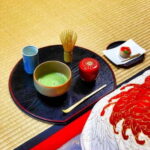
Walk from dressing to temples in minutes (not hours)

The location is the headline. CHAMATSU is about a 2-minute walk from Kodaiji Temple and about 10 minutes on foot from Kiyomizu-dera. That proximity changes the whole feel of kimono time.
Instead of planning your day around where the rental shop is, you can plan around the temples you want to see. You can keep the day simple:
- Dress at the shop
- Walk to Kodaiji
- Continue on to Kiyomizu-dera
- Stop for food and souvenirs along the way while you’re in kimono
There’s also practical travel support in the area. Bus stops named Higashiyama Yasui and Kiyomizu-michi are nearby, so if someone needs a rest or the walking pace changes, you have an easy escape route. Even if you stick to walking, having those bus options nearby keeps the day flexible.
Downside? Like any popular Kyoto area, you’ll be sharing space with other visitors, and streets are hilly in places. Kimono won’t stop that reality, so plan for slower pacing and comfort breaks.
What you get with the rental (and what you’ll still pay for)

One of the easiest parts here is that the fee covers the basics you need to look and feel like you’re in kimono mode. The rental includes:
- Kimono
- Obi (sash)
- Japanese sandals
- Bags and other dressing items that are needed for setup
So you don’t have to show up hunting for accessories or worrying you forgot something essential. That’s especially helpful with kids, where last-minute “extras” tend to become chaos.
There is also a deposit and balance structure for the family plan. You’ll pay 5,000 yen at reservation as part of the family kimono rental, and you’ll settle the difference at the store on the day. In other words, the reservation confirms your spot and covers a chunk of the rental cost, but the final amount is adjusted when you arrive.
For anyone watching costs, it’s smart to treat that as normal for kimono rentals in Kyoto. The good news: your included items are clear, and the optional stuff is priced out up front.
Dressing help that matters: kids, adults, and older visitors

Kimono is not hard to wear in theory, but it’s hard to put on correctly the first time, especially if you’re dressing more than one person. CHAMATSU’s approach is built around staff support for families.
Their stated promise is that experienced staff will carefully dress everyone from small children to the elderly so that people can wear kimono comfortably. That comfort focus is the main reason this type of family plan works. When the fit is right, you’re more likely to:
- walk comfortably
- sit for a snack without constantly adjusting
- avoid feeling like you have to rush through your day
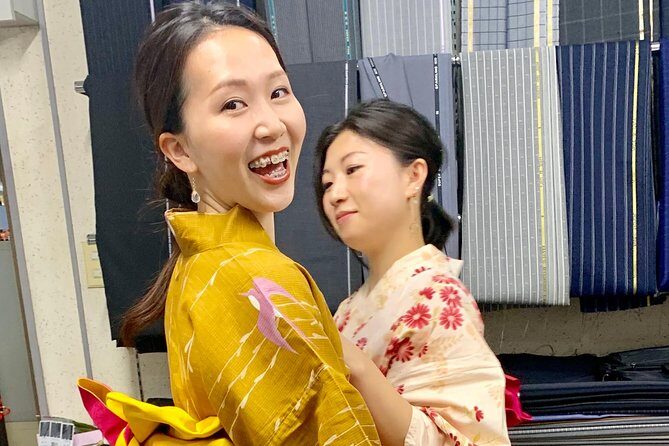
Also, CHAMATSU has kimonos across ages and sizes. Kids can pick designs that match their personality, including traditional looks and pop designs that children often enjoy.
If you’re unsure how to coordinate—kimono pattern, obi look, and general style—ask. The shop encourages you to rely on the staff for advice rather than guessing.
One practical note: the shop says they may not be able to dress you on the day depending on the situation, so if you have a tight schedule, it’s worth planning to arrive early within your rental window.
Choosing your kimono: regular picks and real-life style help

The family plan includes a helpful structure around selection. You’re guided to choose one of the regular kimono for both men and women. In practice, this reduces decision fatigue. Families move faster when everyone isn’t stuck in a “which design is right” loop.
There’s also a discount mentioned: a 500 yen discount per person is offered from the regular kimono rental fee. That only helps if you understand what you’re selecting, so ask at reservation or in the shop if the discount applies exactly to your chosen category.
What I’d do if you’re the organizer: arrive with a loose plan and give the staff freedom to do the styling work. If you have kids who get bored, keep the process quick and let the staff guide selection by comfort and fit first, looks second. (Looks matter, but comfort is what keeps the day pleasant.)
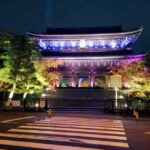
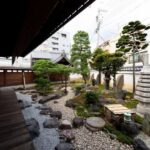


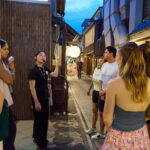

A simple 1-day flow you can actually follow
You can think of your day with CHAMATSU as three phases: get dressed, hit the sights, and return in time.
Phase 1: Dressing and setup
The shop is open 8:00–19:00, and you’ll want to allow enough time to get dressed calmly—especially with children. Since all major dressing items are included, your job is basically showing up and choosing within the plan.
If you’re using the family plan, remember that 5,000 yen is paid at reservation as part of the rental cost. You’ll settle the balance in-store on the day.
Phase 2: Temple time, walking pace included
Your best low-effort sightseeing pair is:
- Kodaiji Temple (about 2 minutes away on foot)
- Kiyomizu-dera (about 10 minutes away on foot)
Kodaiji is close enough that you can go there even if the morning is slow. Kiyomizu-dera is close enough that you can still keep everything in one area without crisscrossing the city.
While you’re out, you’ll find cafés, restaurants, and souvenir shops nearby, so you can stop naturally while you’re in kimono rather than trying to change clothes or find special facilities.
Phase 3: Return by 19:00
You’ll need to return by 19:00. If your hotel plan is complicated, there is an add-on: you can request next-day send to your hotel for 1,000 yen, and it’s described as an extra option if you want return handled differently.
If you want the least stressful end-of-day, plan your last temple stop with a buffer. Walking in kimono is manageable, but you’ll move slower than you do in sneakers.
Price and value: how $32 per group fits the real costs
The headline price is listed as $32 per group up to 15 for a 1-day rental. That’s the kind of number that can look like a bargain at first glance, especially for families. But the more accurate way to judge value is to combine that with what you’ll pay for the family plan structure and any add-ons.
Here’s how to think about it:
- You get the main kit included: kimono, obi, sandals, and bag-type items.
- You pay 5,000 yen at reservation as part of the family plan.
- You settle the remaining balance at the store.
- Optional accessories cost extra (obiage, ornaments, lace innerwear, shawls in certain seasons, and so on).
So the value is strong if you:
1) Actually want a full rental outfit and don’t plan to source pieces separately
2) Appreciate staff help that saves time and avoids discomfort
3) Are in the Higashiyama area anyway, so the location cuts transportation planning effort
It’s less of a pure deal if you’ll skip personalization and add-ons entirely and prefer renting only the basics. But even then, most of the included components are exactly what people usually forget or can’t figure out on their own.
If you’re building a family day, the money you spend here is partly paying for convenience. In Kyoto, convenience often costs extra. CHAMATSU tries to keep that cost reasonable by bundling core items and making dressing smooth.
Optional accessories: when it’s worth adding them

Optional items are available and priced clearly. You can pay in the store using cash, credit card, e-money, or QR code.
Common add-ons include:
- Obiage: 550 yen
- Obi ornaments: 550 yen
- Lace innerwear: 550 yen
- Shawl: 880 yen (limited to autumn/winter)
- Drawstring bag: 550 yen (not Japanese pattern)
- Japanese umbrella: 1,100 yen
- Sword: 1,100 yen
- Hair set: 1,500 yen
- Next day send to hotel: 1,000 yen
I’d treat these as situational. For example, a shawl can be genuinely useful when the weather turns cool in fall or winter. If you’re bringing hair into the look and want it finished properly, the hair set add-on saves time. If rain is on the forecast, the umbrella option can be a practical win.
The only thing to be cautious about is cost creep. If you add multiple accessories for multiple people, totals add up fast. Decide what matters most: comfort, weather protection, or photo-ready styling.
Timing, same-day reservations, and how to avoid stress
One of the friendliest logistics notes is that same-day reservations are available. That’s a big deal in Kyoto, where plans change quickly. If you wake up and decide you want kimono today, CHAMATSU can fit into that.
Still, use the reality check: dressing takes time, and the shop is open from 8:00 to 19:00, with returns by 19:00. If you arrive late, you may compress your temple time and end up feeling rushed. The shop also notes that they may not be able to dress you on the day depending on the situation, so aim for earlier rather than later.
If you’re organizing a family schedule, also plan for bathroom breaks and comfort pauses. Kimono is often a little more time-consuming than regular clothes, especially with kids.
Who this is best for (and who should skip it)
This is a strong choice for people who want a family-friendly kimono day without turning it into a puzzle.
You’ll likely love it if:
- you’re heading to Kodaiji and Kiyomizu-dera and want to walk in kimono
- you have kids who need help getting dressed
- you want staff support plus English/Chinese help
- you prefer a simple, one-day schedule
But the business lists clear limits. It is not suitable for pregnant women, people over 80 years, and babies under 1 year. They also require doctor confirmation and consent for pregnant women, with a consent form completed on the day.
So if you’re traveling with anyone in those categories, check first and plan alternative options.
A service that earns repeat visits
A small but meaningful signal: the staff are described as genuinely kind and helpful, and there’s even mention of returning for dressing on consecutive days. That tells you the real point here is the human part—how calmly they handle the dressing process for different body types and ages.
For families, that matters more than people expect. When someone else is taking over the most technical part of kimono (getting the fit and layers right), you get back your energy for exploring. You also reduce the stress of coordinating multiple people’s outfits at once.
Quick practical tips for your kimono day
Here are a few smart moves that match what the shop sets you up for:
- Plan a route that starts close to the shop. Kodaiji first is easy since it’s basically around the corner.
- Leave time for weather and breaks. Kyoto mornings can shift, and kimono can make it slower to adjust plans.
- Ask staff for coordination help if you’re unsure. They’ll guide you if you don’t want to puzzle through matching patterns and accessories.
- If you’re adding accessories, decide early which ones you truly need. Comfort items like innerwear or a seasonal shawl can be worth it; decorative extras are optional.
Should you book Kyoto Kimono Rental CHAMATSU?
Book it if you want a family-friendly kimono rental with staff support, English/Chinese help, and a location that lets you reach Kodaiji Temple and Kiyomizu-dera with minimal fuss. The included items mean you can show up empty-handed, and the timeline (8:00 to 19:00 with clear return rules) helps you plan a clean one-day experience.
Skip it or check conditions closely if anyone in your group is pregnant, over 80, or under 1 year, or if your schedule is so late in the day that dressing time could be tight.
If you’re building a Kyoto itinerary around Higashiyama sights and you want a kimono day that feels like part of your plans—not a separate headache—CHAMATSU is a solid choice.
FAQ
How close is CHAMATSU to Kodaiji Temple and Kiyomizu-dera?
The shop is about a 2-minute walk from Kodaiji Temple and about a 10-minute walk to Kiyomizu-dera.
What’s included in the rental fee?
Your fee includes the essentials needed for dressing: kimono, obi (sash), Japanese sandals, and bags and other dressing items.
Do they offer same-day reservations?
Yes. Same-day reservations are available, based on availability.
Do they speak English or Chinese?
Yes. English and Chinese are available.
Is a deposit required for the family plan?
Yes. For the family plan, you pay 5,000 yen at the time of reservation as part of the rental fee, and you settle the difference at the store on the day.
What time do I need to return by?
The operating hours are 8:00–19:00, and returns are by 19:00. There is also an option to send the kimono to your hotel the next day for an additional fee of 1,000 yen.
If you want, tell me your family size (adults and kids ages) and the date/month you’re going, and I’ll suggest how to plan the walking order and whether seasonal add-ons like a shawl are likely to help.