REVIEW · KYOTO
Making Fresh To-fu from soybeans in Kyoto
Book on GetYourGuide →Operated by Japan Association of Washoku Lifestylists · Bookable on GetYourGuide
Tofu tastes different when you make it. This Kyoto class turns soybeans into fresh tofu by hand, then has you eat it in Japanese style right from the production process. It’s a food lesson that feels practical, not academic, with a small group size that keeps things calm and interactive.
I especially love two parts: first, the focus on the difference between Japanese tofu and the firmer, different flavor you often get overseas, and second, the moment you taste tofu that’s made by hand before any seasoning covers it. You’ll also get to try soy-based treats made during production, like soymilk and oboro-dofu.
One thing to consider: the workshop space is described as a small apartment, so if you prefer big, open rooms, this may feel snug.
In This Review
- Key points to know before you go
- Kyoto tofu by hand: why soybeans matter
- The small-group classroom: what you learn (and how it helps you eat better in Japan)
- Turning soybeans into tofu: the hands-on process you can taste
- Soymilk and oboro-dofu: the production-time treats
- Four tofu dishes from your own handmade tofu
- Where the workshop fits in your Kyoto day
- Pricing and value: is $56 for tofu worth it?
- Who this class is perfect for (and who should skip it)
- Should you book this Kyoto tofu-making class?
- FAQ
- How long is the Kyoto tofu-making experience?
- How many people are in the class?
- What languages is the instructor available in?
- Is the class suitable for gluten-free or vegan diets?
- What food do I get to eat during the class?
- Is transportation included?
- Where do I meet the instructor?
Key points to know before you go
- Handmade tofu from soybeans: you learn the process, not just watch it happen
- Japanese tofu logic: why Kyoto-style tofu is often eaten plain or in miso soup
- Tasting while it’s fresh: soymilk and oboro-dofu are part of the production-time experience
- Four tofu dishes from your own tofu: you taste several textures and uses
- Small group of up to 6: more questions, more attention, less waiting
Kyoto tofu by hand: why soybeans matter
Kyoto has a reputation for food craftsmanship, but this experience explains why the craft is real. The biggest lesson is simple: tofu made in Japan is often different from what you may have tried overseas. International tofu is commonly used in cooking, like stir-fries or stews, where texture can be handled by heat and sauce.
In Japan, a lot of tofu is eaten as it is, usually chilled, or used in ways that let its natural taste show—miso soup is a classic example. And here’s the kicker: tofu made by hand from soybeans is thicker and tastier than machine-made tofu, even when you’re eating it without toppings.
That shapes the whole experience. Instead of starting with flavors and letting tofu disappear, you start with tofu itself. You’re meant to notice the base taste, the mouthfeel, and how different soybeans and production methods affect what’s on your plate.
You can also read our reviews of more tours and experiences in Kyoto.


The small-group classroom: what you learn (and how it helps you eat better in Japan)
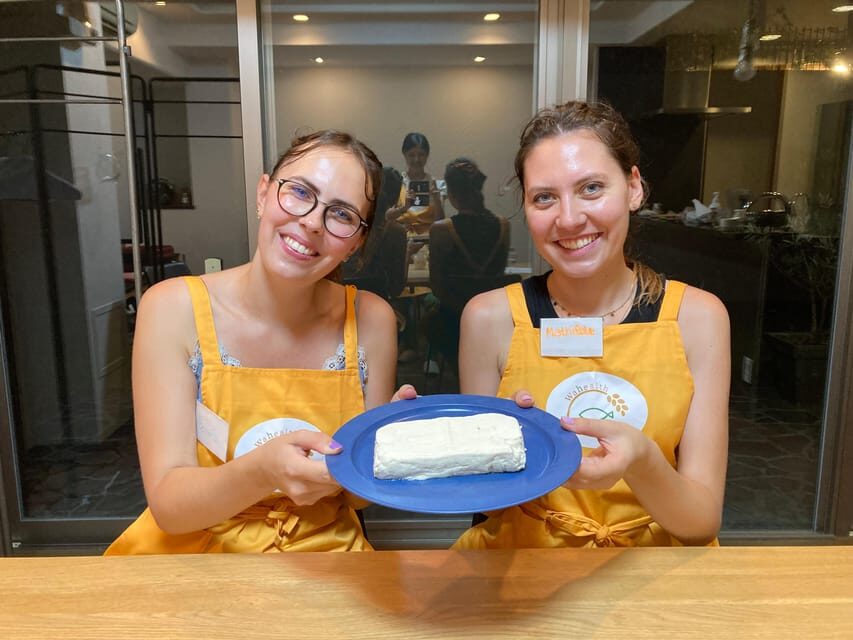
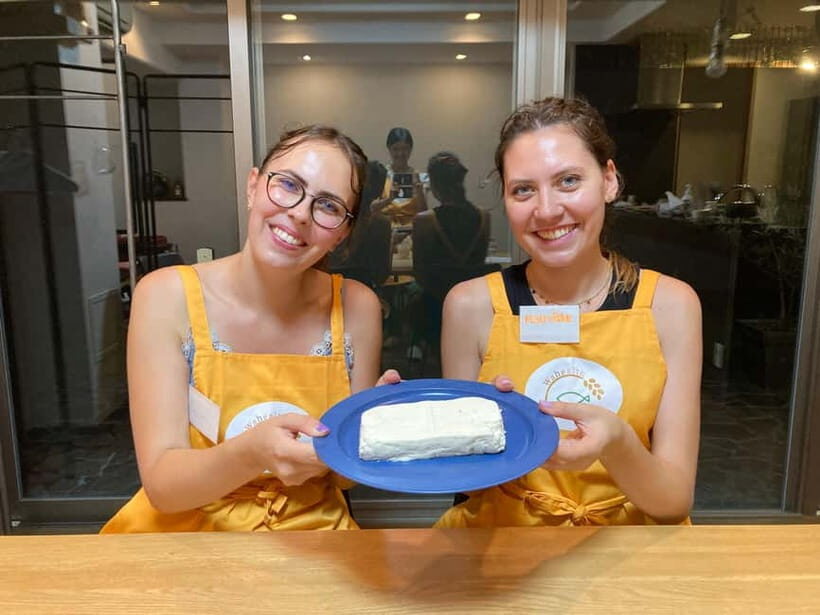
This is a 90-minute masterclass with a small group (up to 6), taught in English and Japanese. You begin with an introduction—what tofu is, how it’s made from soybeans, and how to think about tofu in Japanese meals. The practical value here is that once you can explain to yourself what makes tofu different, it gets easier to order in Kyoto.
A good sign: the class format is designed for questions. In one past session, the instructor Marie was praised for being friendly and answering questions with ease, and that matters more than you’d think. Tofu can feel like a simple ingredient until you start paying attention to texture and taste. Then suddenly you’re hungry for details—like why certain tofu is more enjoyable when chilled.
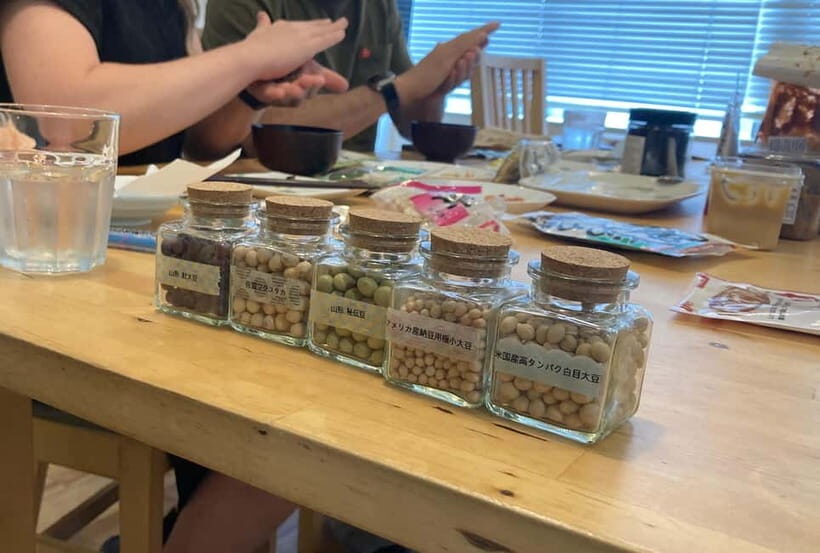
During this part, you’ll also get clarity on the soybean differences—essential context if you’ve ever wondered why one tofu seems bland while another tastes like something more than soy. Even without technical lab talk, you’ll come away with a better feel for what to look for when shopping or ordering.
Turning soybeans into tofu: the hands-on process you can taste
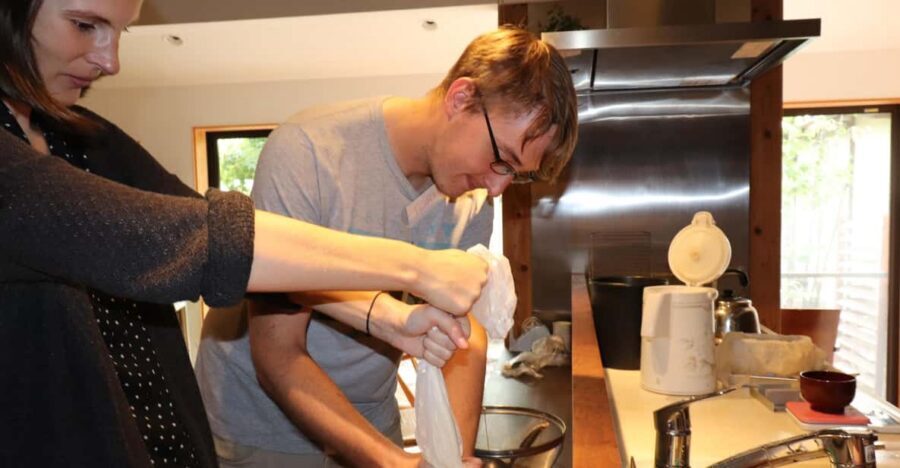
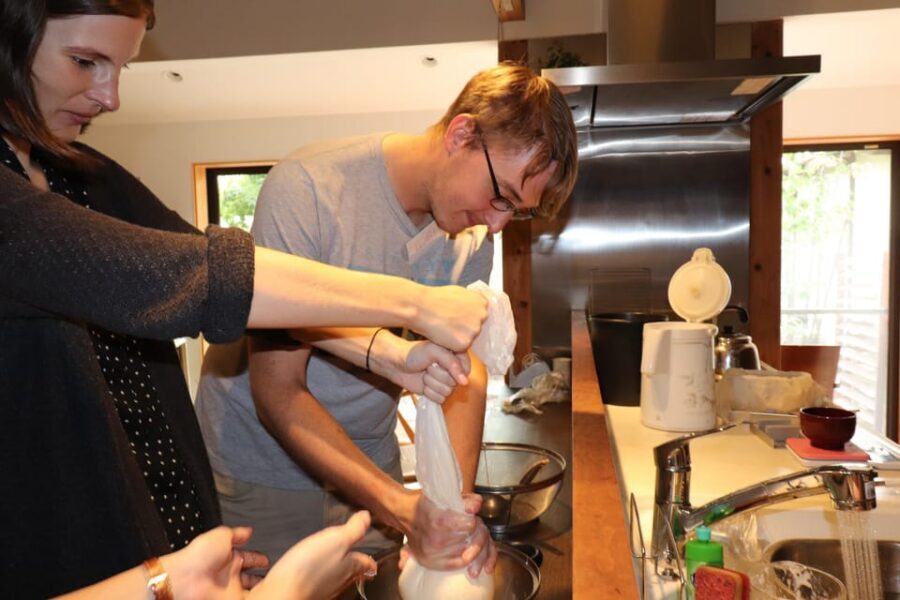
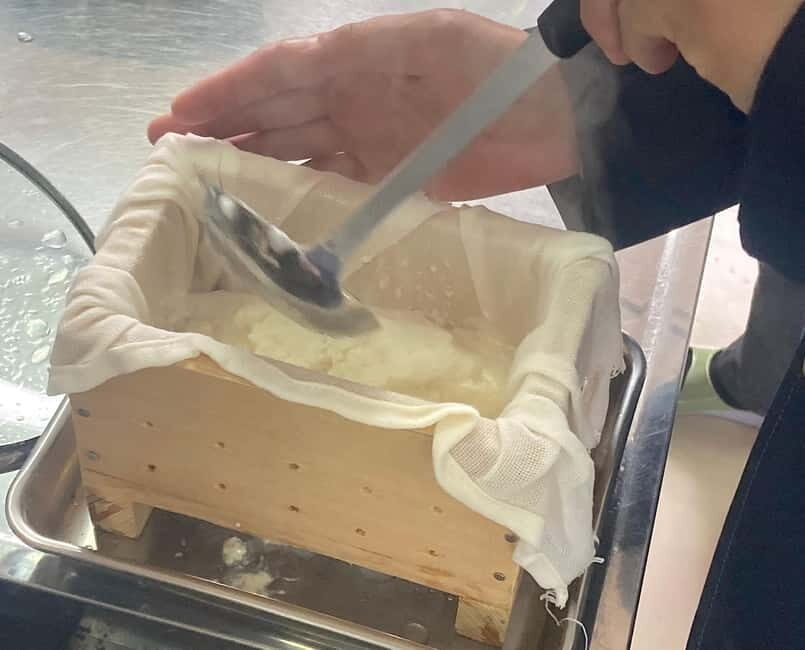
The main event is making tofu from soybeans yourself. You’ll learn how the tofu production works, and you’ll do it with your hands, not just as an audience member. That changes the whole experience because you feel the transformation stages, even if you’re not thinking in chemistry terms.
The key idea the class emphasizes is that handmade tofu has a distinct character. It’s not just a novelty. The thickness and taste you get from a hand-driven process are why people in Japan can eat tofu plain and still feel satisfied.
When you take the first bites of tofu you made, you do it without seasoning. That’s intentional. If you’re used to tofu only as an ingredient that carries sauce, this is a reality check—in the best way. Plain tofu reveals whether you’re tasting the bean, the curd texture, and the freshness.
If you want maximum learning, plan to go slow during the first tastes. You’re training your palate for the rest of your meal in Kyoto, whether that’s a bowl of miso soup or a chilled tofu plate.
Soymilk and oboro-dofu: the production-time treats
One of the most enjoyable details is that you can taste more than just final tofu. During the production process, you also get to enjoy soymilk and oboro-dofu.
That matters because it teaches you tofu isn’t one thing. You’re tasting multiple expressions of soy:
- Soymilk gives you the bean flavor in a liquid form
- Oboro-dofu offers a softer, more delicate texture
Even if you’re already a tofu fan, this part helps you understand the range. You start connecting mouthfeel and flavor to how the food is made, not just to the final serving.
And because it happens during production, it’s fresher than many restaurant experiences where everything arrives already finished. Freshness isn’t just a slogan here. When food hasn’t had time to cool, change, or sit, the taste is more direct—which makes the lesson stick.
Four tofu dishes from your own handmade tofu
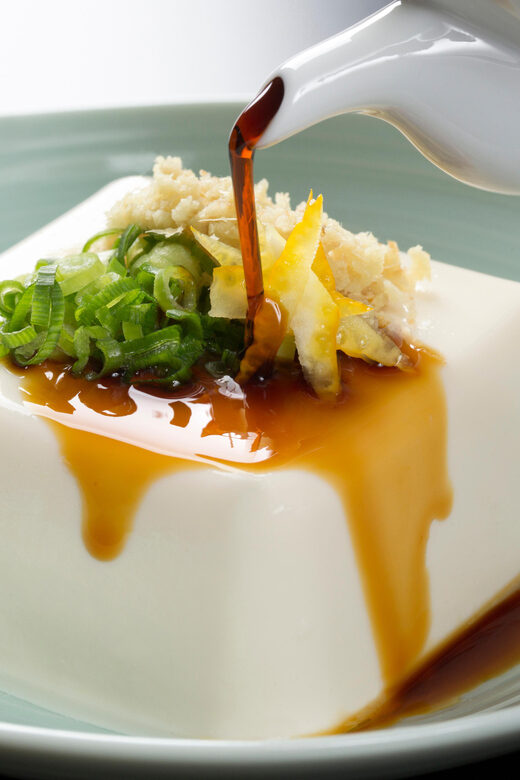
After the production and early plain tasting, the experience expands into four different tofu dishes made with the tofu you created. The class is built around the idea that your tofu is not a one-note product. You’ll see how tofu works in different Japanese presentations.
The order of tasting is important. You begin with tofu without seasoning, then you move toward the dish variations. That teaches you what flavor is coming from tofu itself and what flavor comes from the dish.
What will the four dishes be? The specific recipes aren’t listed here, but you can count on them following Japanese eating logic: tofu as a featured food, not hidden behind strong flavors. Since the instruction includes how tofu is eaten in Japan, you’ll be able to connect what you taste with how you’d order it later.
One practical tip for you: treat this as a structured tasting, not a meal you rush through. Try to notice texture shifts—firm versus soft sensations, how the tofu holds in each dish, and how the soy flavor changes when combined with different Japanese preparations. This is where the class pays off during your Kyoto food days afterward.




Where the workshop fits in your Kyoto day
Logistics are unusually convenient. The meeting point is within a 10-minute walk of Shijo Station or Karasuma Station, so you’re not forced into long cross-city travel just for a class.
The meeting instruction is simple and very specific: take the elevator to the third floor and press the doorbell for 302. That’s the kind of detail that saves you stress, especially if you’re arriving in Kyoto with your day already planned.
Timing-wise, everything runs for 90 minutes. That’s a good length for a food experience because it’s enough time to make, taste, and eat multiple tofu dishes without wiping out your entire day. It also makes it easier to pair with classic Kyoto moments like a shrine walk or a slower evening meal—without feeling like you’re rushed.
If you’re sensitive to being in a smaller indoor space, keep in mind the class is described as taking place in a tiny apartment. Some people actually found that more authentic, because it feels like you’re stepping into a real home-style setting. Still, if you prefer spacious venues, plan accordingly.
Pricing and value: is $56 for tofu worth it?
At $56 per person for a 90-minute class, this sits in the mid-range for hands-on food experiences. The value comes from three things that are hard to fake:
- You make the tofu from soybeans rather than only tasting
- You eat it fresh, including plain tofu without seasoning at the start
- You get multiple tastings, including soymilk, oboro-dofu, and four tofu dishes
If you’ve ever taken a cooking class where you only get a couple of bites, you’ll appreciate the heavier tasting portion here. The price also includes instruction—soybean differences, how tofu is made, and how to eat tofu in Japan. That knowledge has a real carryover effect: it helps you order and evaluate tofu dishes during the rest of your trip.
Also, the group is limited to 6. For a workshop price point, that small size can be the difference between asking questions and watching from the sidelines.
In short: if you like learning with your hands and eating your way through the result, $56 feels fair. If you’re only looking for a quick snack, you might consider spending that time elsewhere.
Who this class is perfect for (and who should skip it)
This experience is best for you if:
- You like Japanese food and want to understand tofu beyond the generic “soy curd” idea
- You’re curious why Japanese tofu is often eaten chilled or in miso soup
- You want a smaller, calmer Kyoto activity that still delivers multiple tastings
- You’re planning future meals and want more confidence ordering tofu
It may be less ideal if you:
- Don’t enjoy hands-on food tasks (this is the core of the experience)
- Prefer large open spaces over a smaller apartment-style setting
Dietary needs: the class is described as gluten-free/vegan/Halal-friendly/allergy-free OK. If you have dietary restrictions, you should let them know in advance so ingredients can be prepared accordingly.
Should you book this Kyoto tofu-making class?
Yes, book it if you want a Kyoto food experience that changes how you taste. This is one of those rare activities where the learning and eating are tightly connected: you make tofu, you taste it plain, and you follow it through multiple tofu dishes.
I’d especially recommend it if you’re the type of traveler who buys food at markets and later wonders what you’re looking at. After this class, tofu won’t be a mystery. You’ll have a clearer sense of why handmade tofu is thicker and tastier, and why Japanese menus treat tofu like a star.
If you’re short on time and only want one meal, you might skip. But if you want a lesson you can carry into your Kyoto dinners, this is a strong choice.
FAQ
How long is the Kyoto tofu-making experience?
It lasts 90 minutes.
How many people are in the class?
It’s a small group, limited to 6 participants.
What languages is the instructor available in?
The instructor speaks English and Japanese.
Is the class suitable for gluten-free or vegan diets?
Yes. The class is described as gluten-free/vegan/Halal-friendly/allergy-free OK, and you should let them know your dietary restrictions so ingredients can be prepared accordingly.
What food do I get to eat during the class?
You’ll taste freshly made tofu, plus soymilk and oboro-dofu made during production. You’ll also enjoy four different tofu dishes made with the tofu you make.
Is transportation included?
No. Transportation to and from the activity location isn’t included.
Where do I meet the instructor?
Meet on the third floor. Take the elevator to the third floor and press the doorbell for 302.