REVIEW · YOKOHAMA
Mount Fuji Full-Day Private Tour from Yokohama Customizable
Book on Viator →Operated by Xplor Japan · Bookable on Viator
Fuji days are a gamble, this helps. This private and customizable full-day trip out of Yokohama Port lets you build a Mount Fuji itinerary around your timing, while still hitting the big hits like Chureito Pagoda and Oshino Hakkai with an English-speaking driver.
I especially like two things: first, the pace is yours because it’s a small private group (up to 5), not a seat-on-a-bus situation. Second, the driver experience means you get real help navigating stops and translating with locals when needed—one driver named Ryu was highlighted for being friendly, informative, and willing to translate.
One thing to consider: it’s about 10 hours in a day that depends on weather, and some places have extra entry fees plus lunch is not included.
In This Review
- Key Highlights You’ll Care About
- Private Mount Fuji From Yokohama Port: Real Value for Real Time
- The 8:00 AM Start Works If You Like Using Your Day Well
- Chureito Pagoda: The Fuji Photo You Remember
- Oshino Hakkai: Eight Ponds, Koi Fish, and a World Heritage Feel
- Kitaguchi Hongu Fuji Sengen Jinja: A Short Shrine Break That Resets the Day
- Lake Kawaguchiko: Lakeside Time With Boat and Ropeway Options
- Oishi Park: Seasonal Flowers and Ice Cream as Part of the Plan
- Saiko Iyashi no Sato Nemba: The Healing Village Feel in 45 Minutes
- Price and Logistics: When $480 Makes Sense
- Weather Reality Check: How to Think About Fuji Visibility
- Should You Book This Mount Fuji Full-Day Private Tour?
- FAQ
- What time does the tour start from Yokohama Port?
- How long is the Mount Fuji tour?
- Is this a private tour?
- What is included in the price?
- What costs extra during the day?
- Are the main sights free to enter?
- What happens if the weather is poor?
- Is cancellation allowed after booking?
Key Highlights You’ll Care About
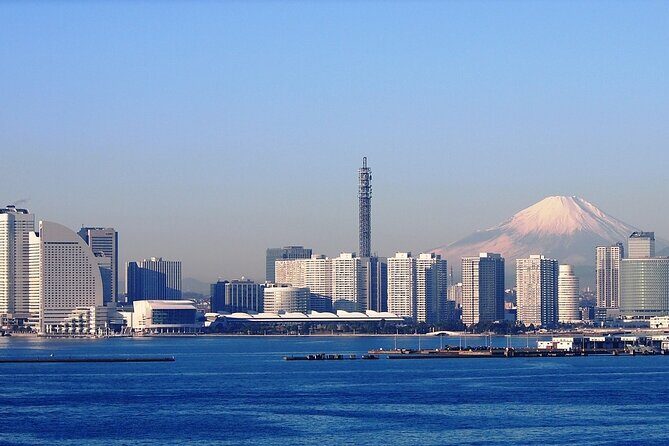
- Small-group privacy (up to 5 people): you can move through stops without feeling rushed by a crowd.
- English-speaking driver with translation support: helpful when instructions get fuzzy at shrines and museums.
- Classic Fuji viewpoints, timed for photos: Chureito Pagoda and Oishi Park are the headline moments.
- Oshino Hakkai World Heritage ponds: eight clear ponds and the koi fish angle make it more than just a photo stop.
- Fuji Five Lakes area variety: lakeside time at Lake Kawaguchiko plus a traditional reconstructed village at Saiko Iyashi no Sato Nemba.
- Good value when split across a group: $480 per group can work out much cheaper per person with 4–5 travelers.
Private Mount Fuji From Yokohama Port: Real Value for Real Time
This is the kind of Mount Fuji day trip that makes sense when you want comfort and control more than you want to play transit roulette. You’re paying $480 per group (up to 5), so your value depends mostly on how many people you bring. If you travel as a pair, it can feel pricier; if you roll with a small group of 4–5, it starts to look like a smart way to buy time and reduce stress.
What you’re really buying isn’t just a checklist of stops. It’s a private ride in an air-conditioned vehicle plus an English-speaking driver who can help you actually get through the day smoothly. That matters because the Fuji area can be busy, and the day can get long. With a private plan, you can keep the flow instead of negotiating every transfer yourself.
Also, the tour is described as customizable, because your inland time might be limited. That’s the practical heart of this experience: you’re not stuck with one rigid route if your schedule needs a tweak. Even without changing the main highlights, having flexibility in how you spend your hours is a big deal on a first trip.
You can also read our reviews of more private tours in Yokohama

The 8:00 AM Start Works If You Like Using Your Day Well
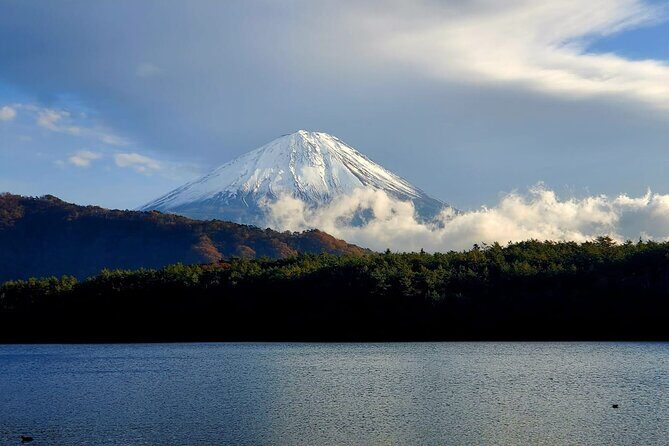
Your day begins at 8:00 am with pickup at the Port of Yokohama (1 Chome Kaigandori, Naka Ward, Yokohama). The tour notes it’s near public transportation, which is a comfort if you’re coordinating from another part of Yokohama.
A full day tour like this is usually all about time management. The total duration is about 10 hours, and the stops are time-boxed: for example, 1 hour at Chureito Pagoda and Oshino Hakkai, 30 minutes at Kitaguchi Hongu Fuji Sengen Jinja, then longer scenic breathing room at places like Lake Kawaguchiko and Oishi Park.
One practical tip: start your day with the mindset that you’ll be moving. You won’t be hiking all day, but you will be going in and out of spots for viewing and photos. If you want Mount Fuji photos without rushing, choosing the right time for each stop matters. A driver who can explain what to expect helps you line up your photos and not waste minutes doing guesswork.
You’ll also use a mobile ticket, which is a small convenience but still saves friction when you’re hopping between places.
Chureito Pagoda: The Fuji Photo You Remember
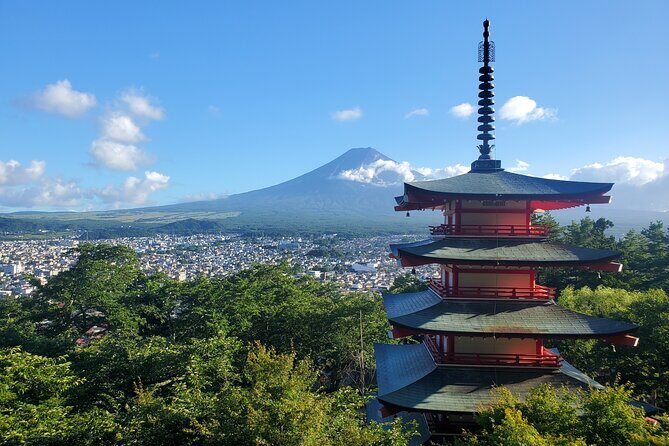
Chureito Pagoda is where most people’s Mount Fuji day becomes real. It’s in Fujiyoshida, and the big charm is the classic image: the pagoda framed against Mount Fuji. The tour gives you about 1 hour here, and you’ll likely want most of that time for photos from a couple angles.
Why this stop is worth your time:
- It’s a cultural scene, not just a view. The pagoda gives the mountain context in a way that photos alone can’t always do.
- It’s simple to enjoy even if you’re not a serious photographer. You can stand, look, and absorb the vibe without needing a big plan.
What to watch for:
- This is also a “clear day” kind of stop. If Fuji is hidden by cloud, the moment can feel less magical. Your best defense is to keep your schedule flexible and your expectations calm—then enjoy the culture even if the mountain isn’t cooperating.
Good news: the tour lists admission ticket as free for this stop, so you’re not risking wasted money on the weather.
Oshino Hakkai: Eight Ponds, Koi Fish, and a World Heritage Feel
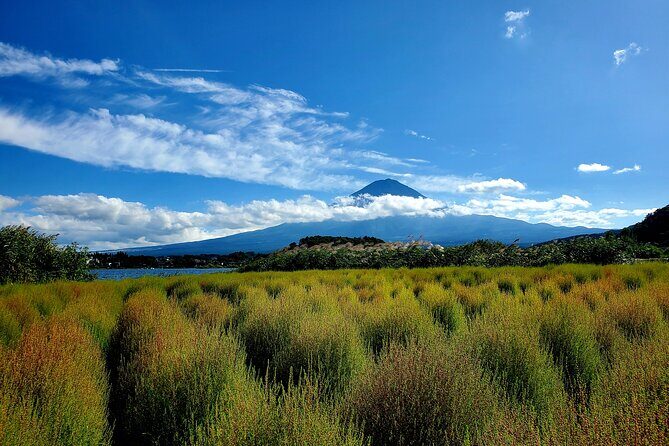
Next up is Oshino Hakkai, a World Heritage Site known for eight ponds fed by Mount Fuji’s natural spring water. The tour describes the ponds as clear, and it specifically calls out rare koi fish—nice details because they give you more to look for than just a single viewpoint.
You get about 1 hour here, and the experience is built around variety:
- The ponds themselves (and the chance to spot koi)
- Samurai houses and a museum area
- Views of Mount Fuji, when it’s visible
Admission is mostly free for the core stop, but there is an added Oshino Hakkai Museum fee (300 yen per person) noted as optional. That’s actually a good setup for your planning. You can skip it if you’re short on time, or add it if you want more depth.
One possible drawback: Oshino Hakkai can be a bit of a “walking and looking” stop. If you’re the type who wants long sitting time or a lot of hands-on experiences, keep an eye on your energy. Still, for a first Fuji day, it’s a strong choice because it connects the mountain to everyday water and local culture.
Kitaguchi Hongu Fuji Sengen Jinja: A Short Shrine Break That Resets the Day
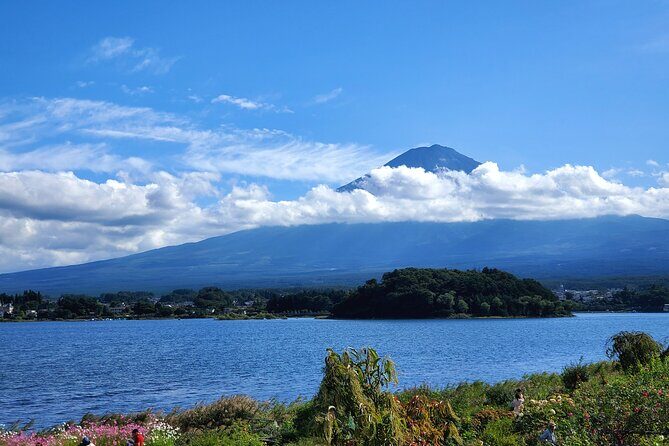
After the ponds, you’ll head to Kitaguchi Hongu Fuji Sengen Jinja for about 30 minutes. This is the kind of stop that works because it’s short enough to feel like a breather, not another marathon.
What you’ll likely notice right away is the atmosphere: the shrine complex is described as serene and sacred, with structures like torii gates and a main hall. Even in a short time window, shrines like this can give you a tonal shift—less photo-chase, more calm walking and noticing.
This stop is also listed as free for admission, which keeps your day predictable.
The main consideration here is simple: 30 minutes goes fast. If you want time to read details or linger for better light, arrive ready to move. Your driver can also help you understand what you’re looking at, especially since the tour includes an English-speaking driver and the experience has a translation-ready vibe (Ryu is an example mentioned as particularly helpful with local conversation).
A few more Yokohama tours and experiences worth a look

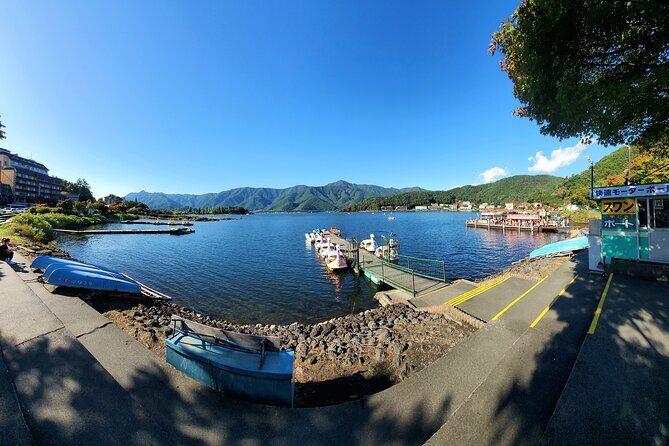
Lake Kawaguchiko: Lakeside Time With Boat and Ropeway Options
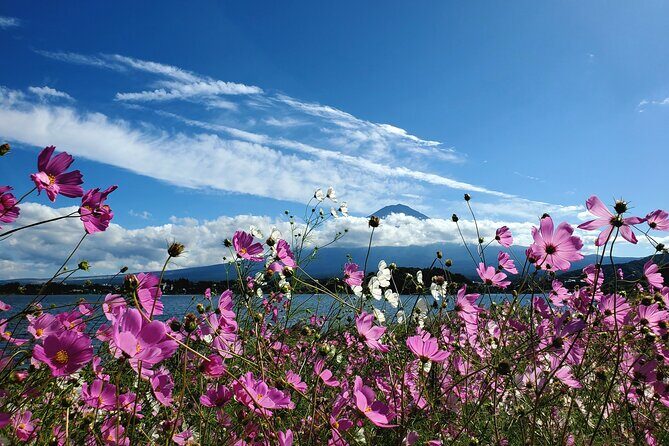
Then it’s time for Lake Kawaguchiko, described as the second largest of the Fuji Five Lakes. You get about 1 hour here, and the tour description points to what you can do around the shore area: windsurfing facilities, camping sites, excursion boats, and a ropeway.
Important: the tour notes admission is not included for this stop, and it specifically says the boat experience is not included either. So your hour is partly flexible depending on what you choose.
Why I like this part of the day:
- It widens the Fuji experience beyond one iconic shot. A lake changes the feel of the view.
- It gives you options. If you want to stay grounded, you can enjoy the shore. If you want the “experience” angle, you can look at boats or ropeway options while you have time.
What to consider:
- One hour can feel short if you decide to do a boat or ropeway activity. If you’re committed to a specific ride, plan for it at the expense of just wandering. This is one place where it really helps to ask your English-speaking driver what’s most efficient with your schedule.
Oishi Park: Seasonal Flowers and Ice Cream as Part of the Plan
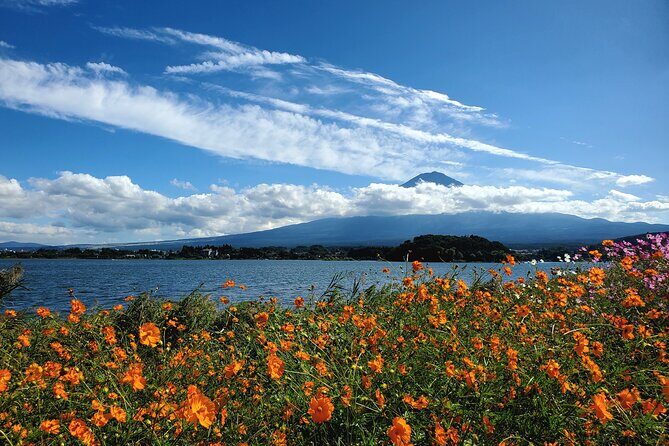
At Oishi Park, you get another 1 hour, and it’s built around what you can enjoy even when the mountain is partly cloudy: seasonal flowers and classic Fuji views.
The tour highlights the park’s magnificent views of Mount Fuji and calls out that you can enjoy some of the town’s most delicious ice cream. That’s not just a cute detail. It signals something practical: this stop is designed to be a relaxed pause, not a quick photo dash.
You can also find flower-garden-style spots in this area. One mention includes the Ocean Flower Garden name, which gives you a clue about what to look for when you’re there—especially if you’re visiting during a season when blooms are at their best.
Here’s the best way to use this hour:
- Give yourself time to walk slowly first. Then use the last part of the hour for photos if the mountain clears.
- If your main goal is Fuji photos, keep your camera ready but don’t ignore the flowers and the everyday pace. That’s where the day stops feeling like a collection of stops and starts feeling like a real place.
Admission is listed as free for Oishi Park, which makes this stop a good return on time.
Saiko Iyashi no Sato Nemba: The Healing Village Feel in 45 Minutes
For a different flavor of Japanese culture, you’ll go to Saiko Iyashi no Sato Nemba, also called the Healing Village. The tour describes it as a traditional village on the shores of Lake Saiko and notes it was reconstructed to preserve the beauty and culture of the original village.
You get about 45 minutes, and the admission fee is listed as 500 yen (not included). That’s a manageable extra cost if you want something more atmospheric than just viewpoints.
Why it’s a smart pairing after the lakes:
- The lake stops handle the view side.
- This village handles the culture side—how people lived, how traditions are preserved, and what “time slowed down” can feel like.
The main consideration: since it’s reconstructed, you’re not going there to see an untouched original site. You’re going there to see a careful preservation approach. If that fits your style, it’s a strong mid-to-late-day option because it’s calmer than chasing views.
Price and Logistics: When $480 Makes Sense
Let’s put the money into a practical lens.
- Price: $480 per group (up to 5 people)
- Duration: about 10 hours
- Included: English-speaking driver, air-conditioned vehicle, private transportation
If you fill the group with 5 people, that’s $96 each for a full-day private Fuji experience. If it’s only 2 people, it becomes $240 each, which is when value shifts from “great deal” to “paying for convenience.”
So who is this best for?
- Families or small groups who want the comfort of a private vehicle and don’t want to split responsibilities across multiple transit tickets.
- Couples who want flexibility and a driver to handle the hard parts.
- Anyone who values translation help and hates feeling lost at multiple stops.
What’s not included matters too:
- Lunch
- Oshino Hakkai Museum fee (300 yen per person, optional)
- Saiko Iyashi no Sato entrance fee (500 yen)
- Lake Kawaguchiko activities like boat experience are not included
One more practical note: the tour requires good weather, and if it’s canceled due to poor weather, you’re offered a different date or a full refund. That’s important to internalize up front. Fuji can’t be forced, so you’re paying for a well-run plan that’s designed to work when visibility is good.
Weather Reality Check: How to Think About Fuji Visibility
This tour is clearly positioned as a good weather day. And that’s not just a warning label—it’s the core reality of Mount Fuji viewing.
What you can do:
- Keep your expectations flexible. If Fuji is faint or cloudy, prioritize the parts of each stop that are still enjoyable: shrine atmosphere, ponds, flowers, and village culture.
- Plan your day with comfort in mind, not just photos. You’ll be in a vehicle most of the day, and the stops are time-boxed—so it helps to enjoy each stop rather than treating each one like a single shot.
The weather requirement is also why booking ahead can be smart. The experience is described as being commonly booked far in advance, which usually means demand is strong for the clear-day window.
If Fuji does show up, this itinerary is built to catch it at multiple points: Chureito Pagoda, Oshino Hakkai views, and the lake and park stops. That’s the strategy—more than one chance to get the photo and the feeling.
Should You Book This Mount Fuji Full-Day Private Tour?
Book it if you want a private, comfortable day with minimal hassle and a clear path through the Fuji area. The biggest strengths are the private size (up to 5), the included English-speaking driver, and the way the day mixes classic Fuji viewpoints with cultural stops like Oshino Hakkai and Saiko Iyashi no Sato Nemba. It’s also strong value if you’re splitting the group cost.
Skip it (or reconsider timing) if:
- You’re traveling solo and the $480 per group price feels too high for you.
- You’re expecting a long, slow, unhurried day where you can linger for hours at each spot. This is a full-day sampler, not a slow wander.
If you’re on a first visit and want to make your limited inland time count, this is the kind of plan that saves energy and increases your odds of a memorable Fuji day.
FAQ
What time does the tour start from Yokohama Port?
The start time is 8:00 am, with pickup at the Port of Yokohama (1 Chome Kaigandori, Naka Ward, Yokohama).
How long is the Mount Fuji tour?
The tour runs for about 10 hours.
Is this a private tour?
Yes. It’s a private tour, and only your group participates. The group size is up to 5.
What is included in the price?
The tour includes an English-speaking driver, an air-conditioned vehicle, and private transportation.
What costs extra during the day?
Lunch is not included. Oshino Hakkai Museum has an optional fee of 300 yen per person, and Saiko Iyashi no Sato Nemba entrance is 500 yen. Lake Kawaguchiko activities are not included, including the boat experience.
Are the main sights free to enter?
Most stops are listed as free for admission, including Chureito Pagoda, Oshino Hakkai (core visit), Kitaguchi Hongu Fuji Sengen Jinja, and Oishi Park. Only specific museums/village fees are listed as extra.
What happens if the weather is poor?
This experience requires good weather. If it’s canceled due to poor weather, you’ll be offered a different date or a full refund.
Is cancellation allowed after booking?
Yes, you can cancel for free up to 24 hours in advance of the experience’s start time for a full refund.
If you want, tell me how many people are in your group and your travel month—I can help you think through whether the extra paid stops are worth adding for your style of day.