REVIEW · TOKYO
Mt. Fuji 6 Attractions Tour: Lake Kawaguchi, Oshino Hakkai
Book on GetYourGuide →Operated by Wandering Japan Adventures · Bookable on GetYourGuide
One day feels like a pilgrimage. This Mt. Fuji tour strings together shrines, lake scenery, and UNESCO-linked viewpoints in a single packed day. I like how the schedule mixes quiet faith spots with places that practically beg for a postcard.
The second thing I like: the guides. Names like Anna and Evita come up for a reason—they’re careful with timing, explain what you’re looking at, and help you get the best angles without turning the trip into chaos. One drawback to plan for: Mt. Fuji visibility depends on the weather, and it’s a group day with a firm departure rhythm.
If you want Mt. Fuji without the stress of trains, transfers, and ticket lines, this is a strong value day. You’re set up with coach transport and admissions, then guided between the best “wow” stops around Lake Kawaguchi.
In This Review
- Key moments that make this Mt. Fuji day trip work
- Why Mt. Fuji by shrines, springs, and lake views is a smart one-day plan
- Morning in Tokyo: what the coach day feels like (and what to watch)
- Arakura Sengen Shrine + Shinkurayama Sengen Park: the 398-step view everyone chases
- Honcho Street + the Hikawa Clock Shop: nostalgia with a Fuji twist
- Oshino Hakkai: eight springs that come from Fuji’s snow
- Lake Kawaguchi Oishi Park at 2:30 PM: the classic Fuji-over-the-lake frame
- Seasonal limited add-ons: Maple Corridor and Cherry Blossom Festival
- The Lawson convenience store stop: a surprisingly good photo angle
- Price, value, and what your $50 covers
- Weather reality: how to handle a clear day versus a cloudy one
- Who should book this Mt. Fuji 6 Attractions Tour (and who shouldn’t)
- Should you book it? My honest recommendation
- FAQ
- What are the main stops on this Mt. Fuji day trip?
- What time does the tour start and end?
- Are meals included?
- Is Mt. Fuji visibility guaranteed?
- What language support is available?
- Do I need cash?
- Is this tour easy for wheelchair users or older participants?
Key moments that make this Mt. Fuji day trip work
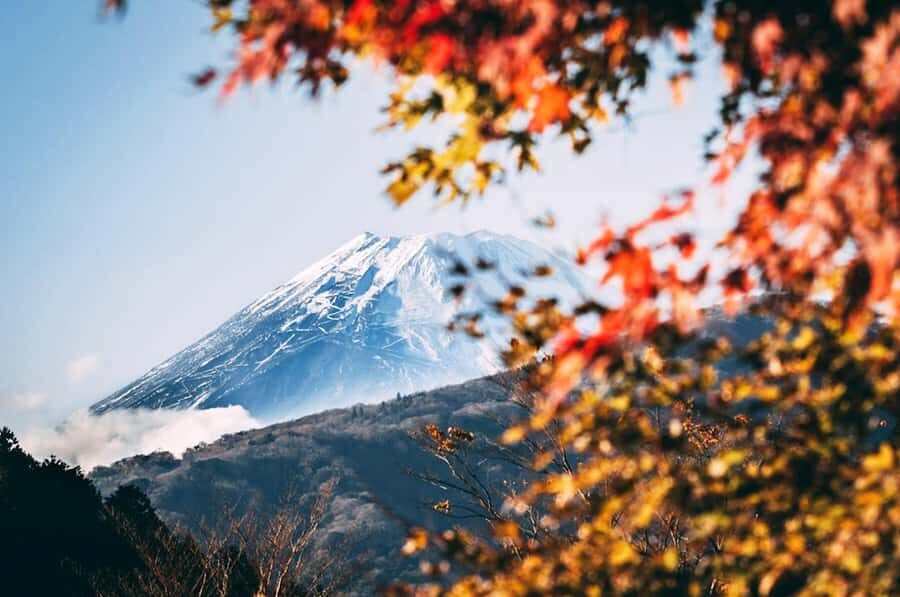
- Arakura Sengen Shrine + Shinkurayama Park: 398 steps and a classic pagoda-and-Fuji viewpoint.
- Oshino Hakkai: eight crystal-clear springs fed by Fuji’s snowmelt over decades.
- Oishi Park at Lake Kawaguchi: one of the best seasonal frames for Mt. Fuji over the water.
- Honcho Street + the Clock Shop stop: a nostalgic stroll with views that feel spiritually close yet always just out of reach.
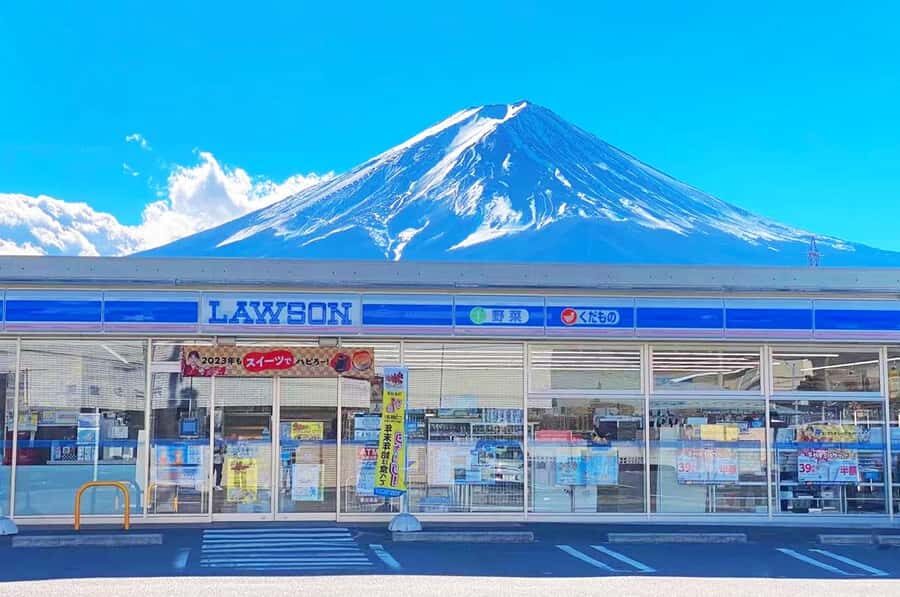
- A Lawson convenience store at the lake: a simple, weirdly perfect photo angle.
Why Mt. Fuji by shrines, springs, and lake views is a smart one-day plan
Mt. Fuji can feel like one big mountain and one big photo. This tour adds meaning. You don’t just look at the peak—you move through places tied to pilgrimage, nature, and local life around it.
That’s what makes the itinerary click for a day trip. You’re cycling through different ways to experience Fuji: sacred stairs and shrines, traditional streets, UNESCO-listed surroundings, then springs that trace directly back to the mountain’s snow. It’s a full loop of “why people care,” not just “what it looks like.”
Also, the logistics help. You start with a coach from Tokyo, you get dropped at the right places, and you’re guided through the flow so you’re not spending your whole day figuring out where to go next. With a price listed at $50 per person, you’re mostly paying for organization: transport, admissions, and a multilingual guide setup.
You can also read our reviews of more tours and experiences in Tokyo.



Morning in Tokyo: what the coach day feels like (and what to watch)
You depart Tokyo at 8:00 AM, meeting your guide at a designated pickup point. Then it’s a comfortable coach ride through the countryside toward Mt. Fuji. The biggest practical benefit here is timing: in one day, you hit multiple regions around Lake Kawaguchi without needing a rental car.
The company sends guide and bus details by 9:00 PM the night before, so you can check what vehicle you’ll be on and where you should meet. Do that—late arrivals at the meeting point are treated as no-shows, and the bus leaves on time.
One more thing: your return time can shift. The usual return to Tokyo is about 5:00–6:00 PM, but in busy seasons it can run late, sometimes as late as 9:00 PM. If you have dinner reservations back in the city, pick something flexible.
Finally, plan for payment reality. Some shops may not take cards, so bring some cash.
Arakura Sengen Shrine + Shinkurayama Sengen Park: the 398-step view everyone chases
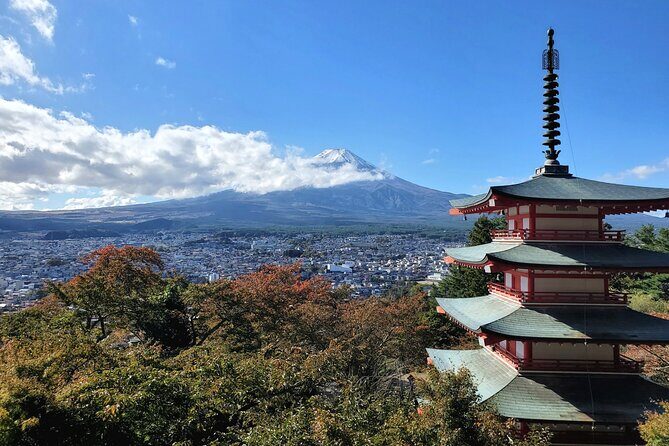
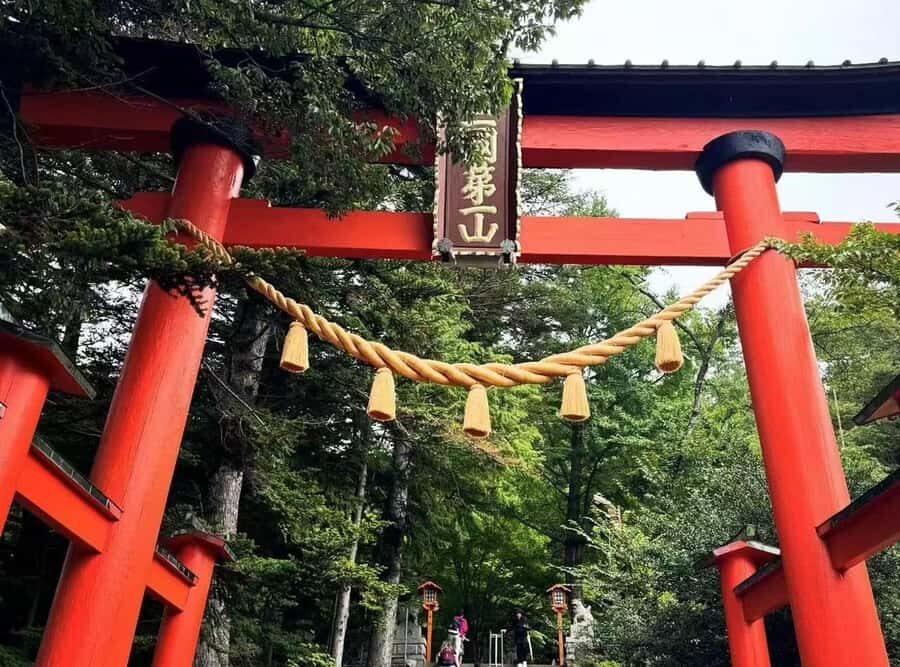
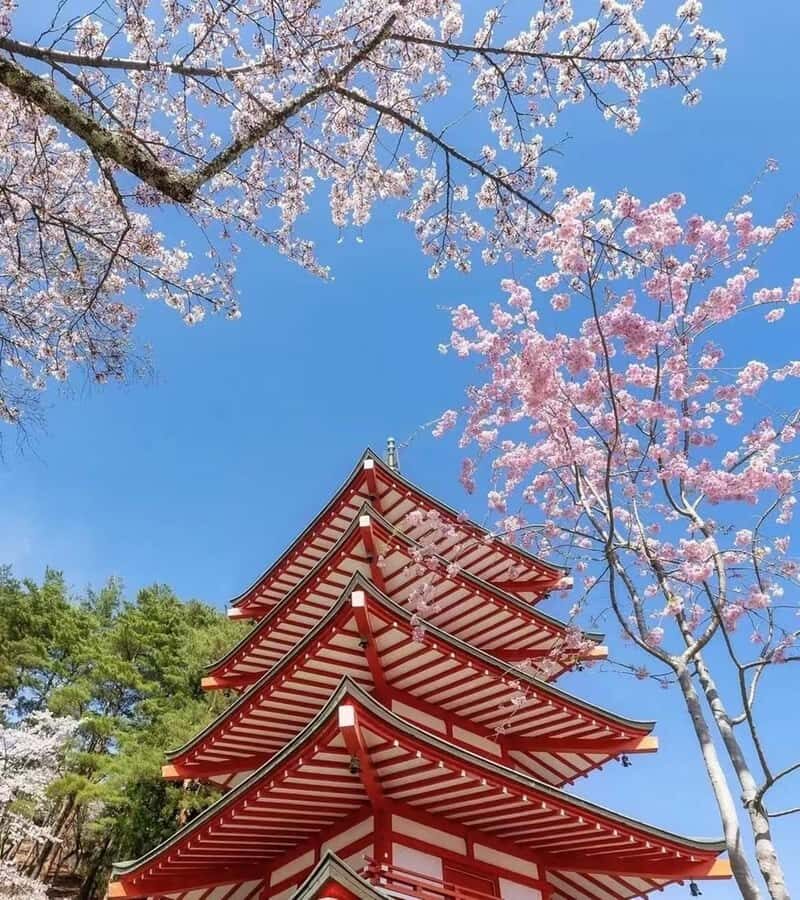
At 10:30 AM, you reach Arakura Sengen Shrine and Shinkurayama Sengen Park—one of the most famous Mt. Fuji “framing” spots. The highlight is the 398 steps up the approach, ending with a view of Mt. Fuji alongside a five-story pagoda and the rooftops of Fujiyoshida below.
What makes this stop worth your energy is contrast. You get sacred architecture in the foreground, a strong religious vibe from the shrine grounds, and then Fuji working like the final boss in the background. It’s also seasonal in a very visible way:
- Spring can bring cherry blossoms that soften the scene.
- Autumn turns the area into a color-warm photo zone.
- Winter can deliver a snow-capped peak look that’s all sharp angles.
There’s a small drawback to acknowledge: these stairs can be tiring in a group day, especially if you aren’t used to long step climbs. This isn’t the moment for a casual stroll.
Honcho Street + the Hikawa Clock Shop: nostalgia with a Fuji twist
Next, at 11:40 AM, you move to Hikawa Clock Shop and Honcho Street—often described as a kind of “Sky Ladder” town vibe. The street is traditional and calm, with older-style shopfronts that feel like Japan’s Showa-era character instead of modern tourist strip energy.
Why it matters: this stop shifts the mood. Arakura is dramatic and vertical. Honcho Street is slower and horizontal, letting you connect to everyday rural Japan. You also get views that feel like they point toward Mt. Fuji, symbolizing closeness yet eternal distance—exactly the kind of spiritual idea that makes a pilgrimage feel like more than sightseeing.
Practical note: this segment is a good time to buy a snack or small souvenir if you see something you like, because your next big natural stop is coming soon.
Oshino Hakkai: eight springs that come from Fuji’s snow
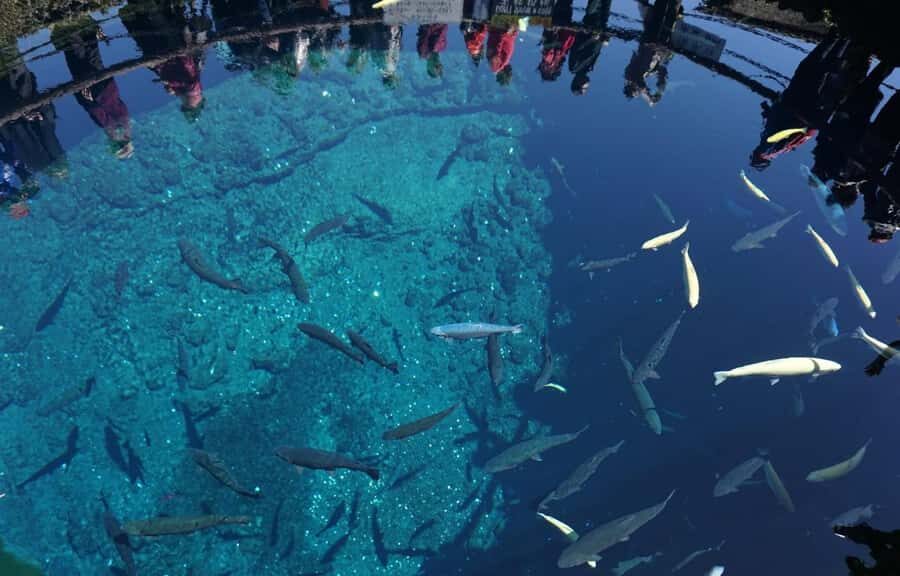
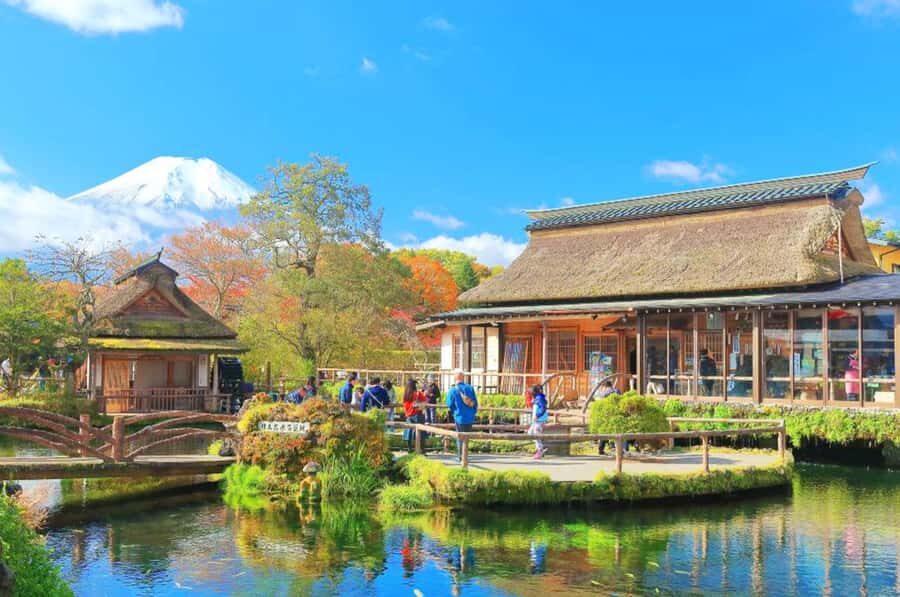
At 12:30 PM, you arrive at Oshino Hakkai. This is a scenic village shaped by water—specifically eight crystal-clear springs fed by Mt. Fuji’s melted snow filtered through layers over time.
Oshino Hakkai isn’t just pretty. It’s recognized as a Natural Monument and part of the wider Mt. Fuji UNESCO World Heritage context. That connection matters because you’re seeing how the mountain literally becomes life downstream, turning snow into drinking-water springs for locals and visitors alike.
What you’ll do here is wander at an easy pace, stopping to look closely at the springs and the surrounding village. It’s a good contrast to the shrine-and-stairs part of the day—more quiet, more nature-focused, and often less “climb, then snap photo” energy.
If you like small details, this is where you notice them: water clarity, the way the spring paths move, and how the village holds onto a traditional atmosphere.





Lake Kawaguchi Oishi Park at 2:30 PM: the classic Fuji-over-the-lake frame
At 2:30 PM, the tour lands at Kawaguchiko Oishi Park, on the northern shore of Lake Kawaguchi. This is the stop that many people book the day for: iconic Mt. Fuji views framed by seasonal flowers.
The key detail is framing. Oishi Park is set up so Fuji doesn’t just sit in the distance—it becomes part of the composition with the lake and the flower displays. Depending on season, you can get:
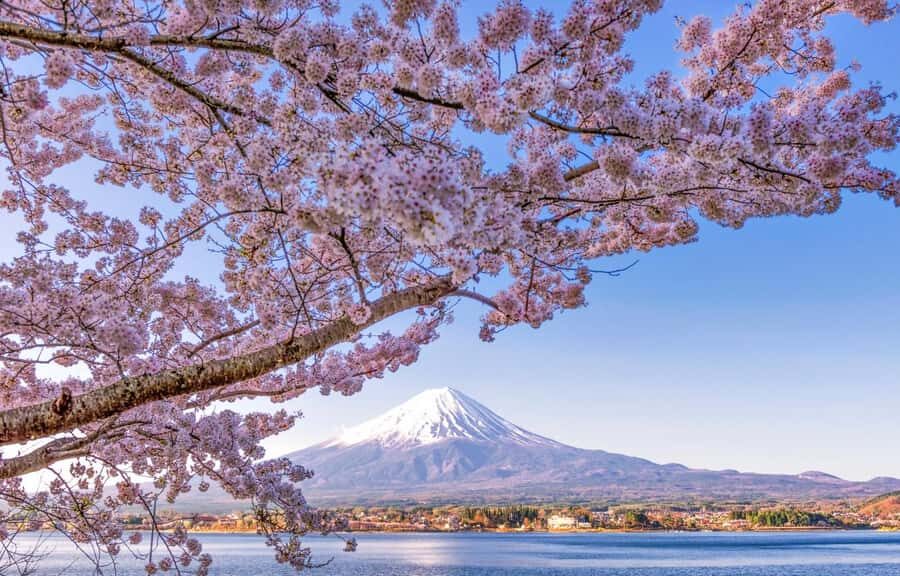
- Cherry blossoms that turn the area into a pink-and-water mirror scene.
- Autumn tones that add warm contrast.
- Winter snow that makes Fuji look crisp and graphic.
You’ll also see the Mt. Fuji Assembly Memorial Monument, built from rocks sourced across Japan. It’s one of those symbolic touches that helps explain why Fuji draws people from far beyond the region.
Possible drawback: because this is a “must-see view” spot, it can feel busy at peak times. The good news is that you still get enough time to take photos and walk around at a comfortable pace.
Seasonal limited add-ons: Maple Corridor and Cherry Blossom Festival
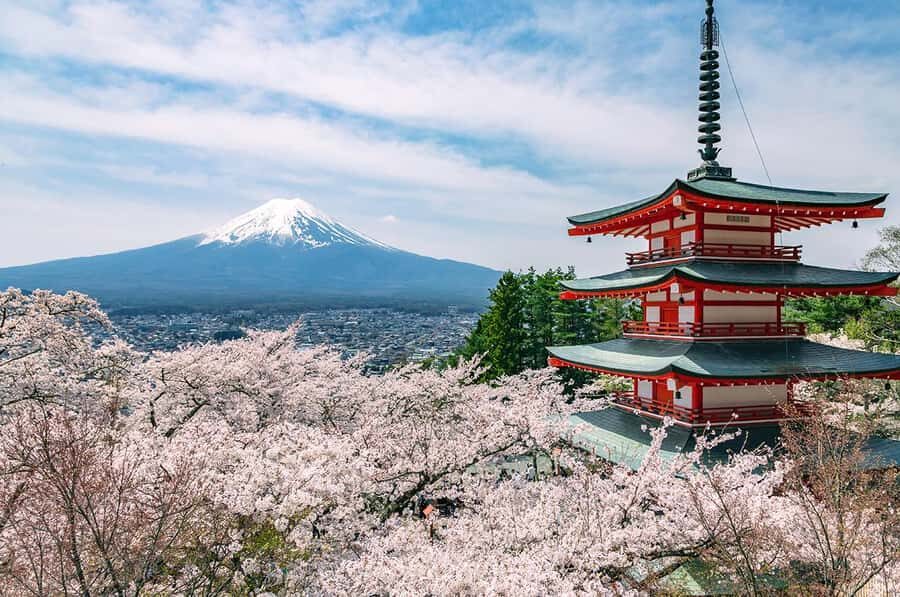
This tour has seasonal options that are limited, meaning timing matters. Two big ones are:
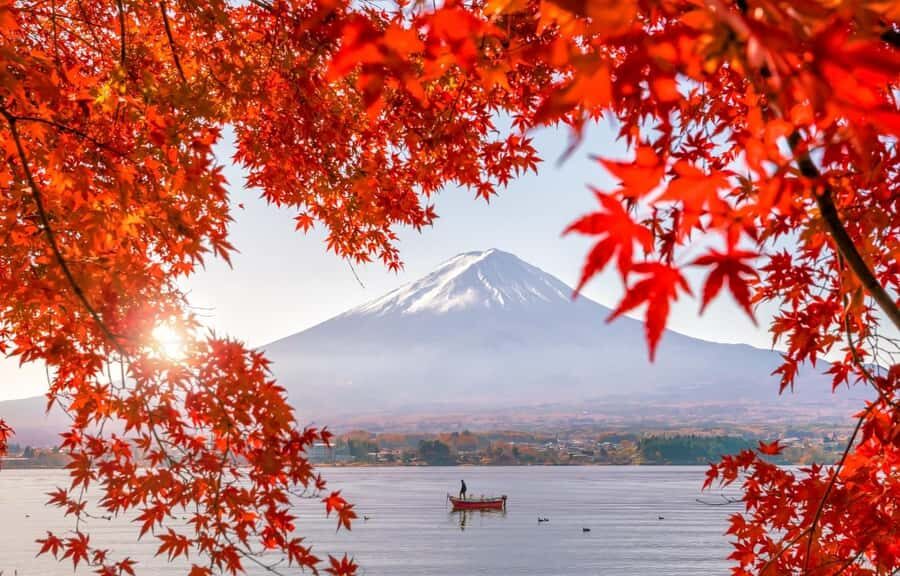
- Kawaguchiko Maple Corridor: Mt. Fuji with fiery red maple leaves. This is described as a once-a-year spectacular.
- Kawaguchiko Cherry Blossom Festival: the famous northern shore area where you can capture Mt. Fuji, the lake, and cherry blossoms all in one frame.
If you’re choosing travel dates, this is where you’ll feel the biggest difference. The same tour stops, but the seasonal “lens” changes the mood and the color palette.
Also, don’t treat winter as only photography season. Even if you’re not chasing snow views, winter light can make the mountain look sharper. Just be ready for colder outdoor walking time.
The Lawson convenience store stop: a surprisingly good photo angle
At 3:40 PM, you get a short break at a Lawson convenience store by Lake Kawaguchi, timed like a rest stop but designed like a photo stop. Yes, it’s a convenience store. No, it’s not random.
The special part is the viewpoint. You’re in a place where modern life and Mt. Fuji meet at the same frame, and that mix can make your photos feel more real and less staged.
I also like this stop because it gives you a reset. Group tours can start to feel long by late afternoon. A quick snack, a drink, and a few minutes to look at Fuji from a different angle can bring your energy back before the return.
Price, value, and what your $50 covers
The price listed is $50 per person. At first glance, that can sound low for a day trip from Tokyo. The value comes from what’s bundled:
- Coach transport with a professional driver
- Pick up and drop off at a meeting point
- English/Chinese/Japanese-speaking guide support
- Admissions to the attractions
- Air-conditioned bus
Meals aren’t included, so you’ll plan your food on your own. But you do have a built-in break time for a Lawson stop, and there’s flexibility since you can bring cash for places that don’t take cards.
So how do you decide if it’s worth it? If you want Mt. Fuji without the hassle of self-planning and you’d rather pay for smooth organization than spend your day figuring out routes, this kind of package usually wins.
If you’re the type who’s happy to travel independently and you already know the area well, you might not value the admissions + guide bundle as much. But for a first Mt. Fuji day, the structure is a big part of the appeal.
Weather reality: how to handle a clear day versus a cloudy one
There’s an honest warning built into the experience: Mt. Fuji’s visibility depends on the weather. If the mountain is hidden, you can’t force it to appear.
Here’s how I’d handle that emotionally. Think of this tour as a full day of meaningful places around Fuji, not a guarantee of the perfect summit photo. Even in less ideal conditions, the shrines, the village atmosphere at Oshino Hakkai, and the lake-area walking still deliver.
That also means you should be flexible with your expectations. Bring your patience. Watch the sky through the day. And if you get a clear view at one viewpoint but clouds later, enjoy the moment you get.
Who should book this Mt. Fuji 6 Attractions Tour (and who shouldn’t)
This tour is a good fit if you:
- Want a day trip that hits multiple Mt. Fuji highlights without car logistics.
- Like guided explanations and photo help.
- Prefer a planned route with steady pacing across shrine, springs, streets, and lake views.
It may not fit if you have accessibility needs. It’s listed as not suitable for wheelchair users and not suitable for people over 95 years. Also, there are stairs involved at Arakura (398 steps), so plan around that if mobility is an issue.
Group-tour style is part of the deal. The schedule is designed to keep you together and on time, and guides tend to push the day along at a good pace.
Should you book it? My honest recommendation
Book this tour if you want a one-day Mt. Fuji overview that mixes sacred places and the practical beauty of Lake Kawaguchi, with Oshino Hakkai as the nature-and-water anchor. The value at $50, plus the admissions and coach setup, makes it a strong option for first-timers.
Don’t book it if your top priority is a guaranteed Mt. Fuji sightline no matter the weather. You’re paying for the plan, not a guaranteed mountain reveal. If you can accept that, then the structure makes it easy to have a satisfying day—even when Fuji is playing hard to see.
If you’re deciding between seasons, pick based on the seasonal “frame” you want: cherry blossoms for softness, maple red for drama, summer for trekking-friendly conditions, and winter for that sharp snow-peak photography look.
FAQ
What are the main stops on this Mt. Fuji day trip?
You visit Arakura Sengen Shrine & Shinkurayama Sengen Park, Hikawa Clock Shop & Honcho Street, Oshino Hakkai, Kawaguchiko Oishi Park, plus a seasonal limited stop (either Maple Corridor or Cherry Blossom Festival, depending on timing). You also stop at a Lawson Convenience Store at Lake Kawaguchi.
What time does the tour start and end?
It departs Tokyo at 8:00 AM and returns to Tokyo in a typical window of 5:00–6:00 PM. During peak seasons, return time may be later, sometimes as late as 9:00 PM.
Are meals included?
No. Meals and beverages are not included.
Is Mt. Fuji visibility guaranteed?
No. Mt. Fuji visibility depends on the weather, and it’s not guaranteed for every day.
What language support is available?
The tour includes English / Chinese / Japanese-speaking guide support, and English and Japanese are listed for the experience.
Do I need cash?
It’s recommended. Some local shops and attractions may not accept cards.
Is this tour easy for wheelchair users or older participants?
No. It’s listed as not suitable for wheelchair users, and it’s also not suitable for people over 95 years.