REVIEW · TOKYO
Nihonbashi Ningyocho Tour Seven Lucky Shrines and Treats
Book on Viator →Operated by Tomo · Bookable on Viator
A lucky walk beats a shopping sprint. This private Nihonbashi Ningyocho tour threads together seven Shichifukujin shrines in a very manageable 2.8km loop, where you’ll pray, draw an omikuji fortune, and collect stamps without feeling rushed. I especially like how the route keeps Tokyo’s Edo-period mood close by, and I like that the guide, Tomo, helps you make sense of shrine customs with easy-to-follow visuals. One small catch: extra costs can add up at the shrines for amulets, omikuji, Goshuin, and coin offerings, even though the basic visit flow is free.
If you’re the kind of traveler who likes a plan but also wants breathing room, this fits well. The tour runs about 3 hours 30 minutes, and it’s designed as a compact, efficient stroll rather than a sprint across town.
In This Review
- Key Points You’ll Care About
- Nihonbashi Ningyocho: Seven Lucky Shrines Without the Tokyo Rush
- Price and What $68 Really Buys You
- The Meeting Point and How the Tour Gets You Oriented
- Why the 2.8km Route Works (and When It Might Not)
- Stop-by-Stop: Your Seven Lucky Shrine Circuit
- Stop 1: Koami Shrine
- Stop 2: Suitengu Shrine
- Stop 3: Suginomori Shrine
- Stop 4: Kasama Inari Shrine Tokyo Bessha
- Stop 5: Suehiro Shrine
- Stop 6: Matsushima Shrine
- Stop 7: Chanoki Shrine
- Customs, Fees, and What You Should Expect to Pay
- Snacks and the Best Part After the Tour Ends
- Weather, Timing, and Keeping It Comfortable
- Should You Book This Tour?
- FAQ
- How long is the Nihonbashi Ningyocho Seven Lucky Shrines and Treats tour?
- Is this tour private?
- What is included in the price?
- Are the amulets, Goshuin, and omikuji free?
- Where does the tour start and end?
- Is the ticket mobile?
- Is the tour affected by weather?
Key Points You’ll Care About
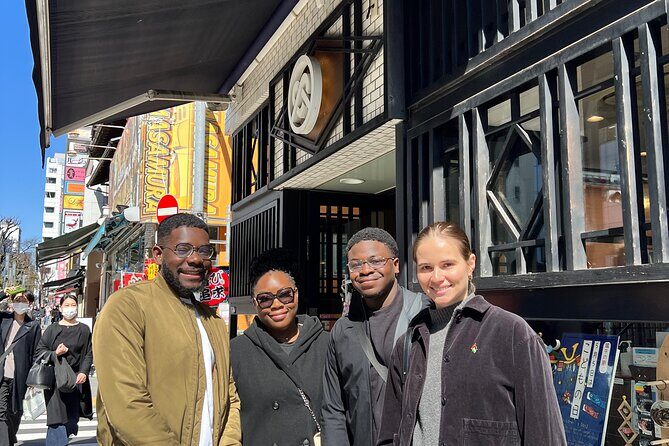
- Seven Lucky Gods shrine circuit with focused time at each stop, so you can actually enjoy the places
- 2.8km, easy walking route that keeps the day from turning into a long commute
- Tomo’s practical guidance with friendly explanations and clear visuals
- Goshuin and omikuji moments built into every shrine visit
- Two snack treats included, perfect for keeping energy steady during the walk
- Private group + adjustable start time if you message to coordinate
Nihonbashi Ningyocho: Seven Lucky Shrines Without the Tokyo Rush
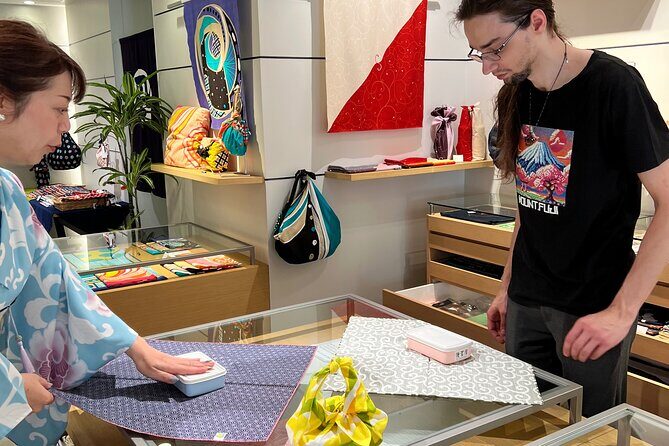
Nihonbashi Ningyocho is the kind of part of Tokyo that feels calmer than the big-name sights. You still get the city, but the streets and storefront rhythm lean more old-school. This tour takes that vibe and points it toward the Seven Lucky Gods (Shichifukujin), using seven shrines as your map.
What I like most is that it’s not just checkbox sightseeing. Each stop has a clear purpose: pray, wish, and do the small rituals that make Japanese shrine visits feel personal. And because the route is only 2.8km, you’re not constantly checking directions or losing momentum.
You can also read our reviews of more tours and experiences in Tokyo.



Price and What $68 Really Buys You
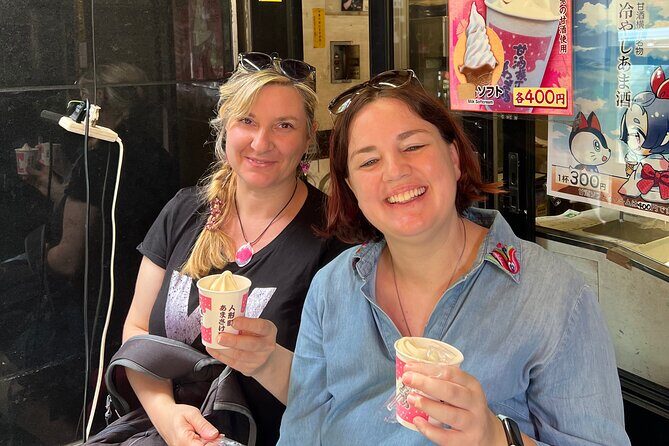
At $68 per person, you’re paying for the structure and guidance: a private tour, a set of seven shrine visits, and two snacks included. The tour also uses a mobile ticket, which is handy in Tokyo when you don’t want to juggle printouts.
Here’s the value angle that matters: almost everything in this experience is activity-based rather than admission-based. The tour lists shrine admissions as free, but it also clearly notes that you may pay for certain optional shrine items. That’s normal at shrines, but it’s good you know ahead of time.
So the real question isn’t just price. It’s: will you likely buy an amulet, do an omikuji, or collect Goshuin? If yes, budget a bit extra. If you only want the prayers and the stroll, the tour cost stays easier to manage.
The Meeting Point and How the Tour Gets You Oriented
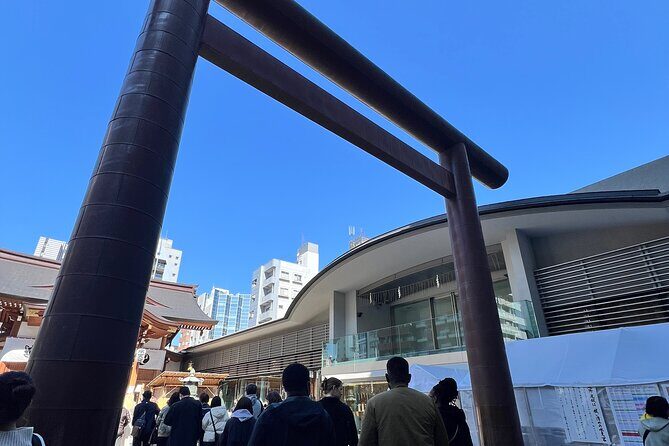
You start at 人形町しずか皮ふ科 Japan, 103-0013 Tokyo, Chuo City, Nihonbashiningyōchō, 1-chōme1410 三原堂本店ビル 5F. The tour ends back at the same meeting point, which is a small but real stress reducer.
This matters because Ningyocho is compact. If you have to backtrack or navigate on your own at the end, it can spoil the flow. Instead, you finish where you began.
The tour is also near public transportation, and service animals are allowed. Most travelers can participate, and it’s built for people who want a guided walk more than a museum-style experience.
Why the 2.8km Route Works (and When It Might Not)
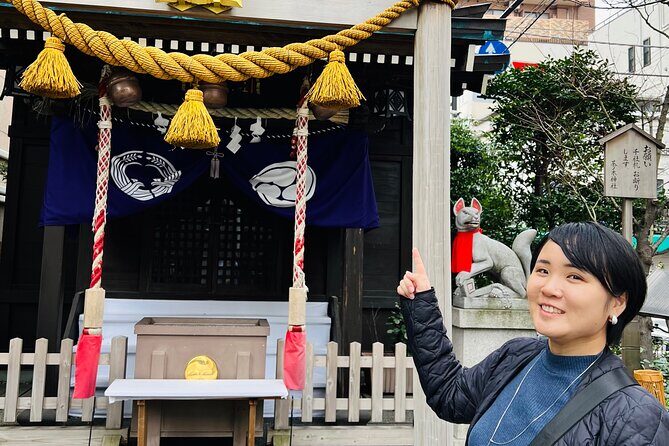
The route length is a big deal here. 2.8km is short enough to stay comfortable for most people, but long enough to feel like you did something meaningful. The schedule is also timed tightly:
- Koami Shrine and Suitengu Shrine: about 15 minutes each
- The other shrines: about 10 minutes each
That structure means you won’t spend your whole morning standing around deciding what to do next. You’ll be led from one place to the next with enough time to follow the routine.
A possible drawback: because it’s private and compact, it’s not built for slow wandering and long photo stops at every corner. If you want to linger for 20–30 minutes at one shrine, you may feel slightly time-conscious. Still, the benefit is that you get to see all seven shrines without exhausting yourself.
Stop-by-Stop: Your Seven Lucky Shrine Circuit
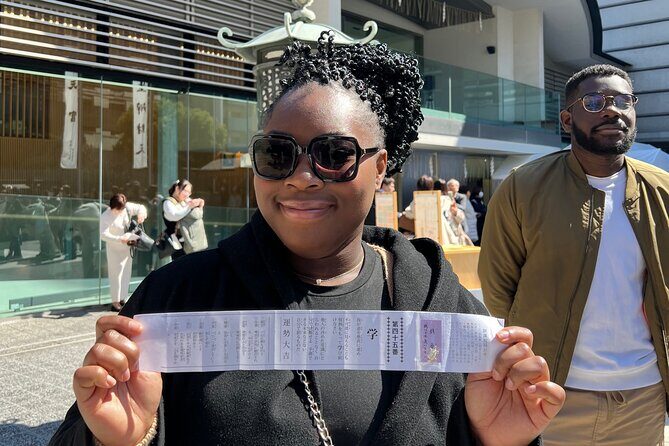
This tour is set up so each shrine visit follows the same core flow. That consistency helps you learn the rhythm quickly, instead of relearning it from scratch every stop.





Stop 1: Koami Shrine
Koami Shrine is one of the anchor points of the whole tour. It’s known for great fortune, and people come from all over Japan for it. Here’s what you’ll do:
- Offer prayers and make a wish
- Buy a protective amulet (optional, but available)
- Draw an omikuji fortune slip
- Receive a Goshuin stamp
The time is about 15 minutes, so you get a full shrine moment without it dragging.
Stop 2: Suitengu Shrine
Suitengu Shrine is connected to prayers for safe childbirth and healthy babies. If that theme resonates, this stop often feels more emotionally grounded than the generic lucky-shrine vibe.
You’ll follow the same practical sequence:
- Pray and make a wish
- Purchase a protective amulet
- Draw an omikuji
- Get a Goshuin stamp
Also about 15 minutes here, which is helpful if you want to slow down just a bit while you read things on-site.
Stop 3: Suginomori Shrine
Suginomori Shrine is tied to the birthplace of the lottery, which is a fun detail if you like to see local culture attached to everyday hopes. You’ll:
- Offer prayers and make a wish
- Buy a protective amulet
- Draw an omikuji
- Receive a Goshuin stamp
This one is shorter at about 10 minutes, so it works best if you’re ready to move in a calm, focused way.
Stop 4: Kasama Inari Shrine Tokyo Bessha
This is another quick, solid shrine visit. In about 10 minutes, you’ll do the core actions:
- Pray and make a wish
- Buy a protective amulet (optional)
- Draw an omikuji
- Collect a Goshuin stamp
Inaki-style shrine energy can change from place to place, even when the routine is similar. You might find the architecture and layout feel distinct enough to make the stop feel worthwhile.
Stop 5: Suehiro Shrine
Suehiro Shrine keeps the circuit moving. You’ll get about 10 minutes, focusing on the ritual essentials:
- Prayers and a wish
- Amulet option
- Omikuji fortune slip
- Goshuin stamp
If you’re collecting items, this stop is where you’ll likely start to feel how the time adds up. That’s normal—this tour is designed to keep the flow smooth.
Stop 6: Matsushima Shrine
Matsushima Shrine follows the same structure in about 10 minutes:
- Offer prayers and make a wish
- Protective amulet option
- Draw an omikuji
- Goshuin stamp
This is where the “pattern learning” starts paying off. Once you’ve done two or three shrines, you’ll feel more confident about where to stand and what to do.
Stop 7: Chanoki Shrine
Your final shrine visit is Chanoki Shrine. You’ll wrap up around 10 minutes with:
- Prayers and a wish
- Amulet option
- Omikuji draw
- Goshuin stamp
Finishing here makes sense because you’ll likely be in a better headspace than when you started. By the last stop, you’ve already learned the rhythm, and the area around you will feel more readable.
Customs, Fees, and What You Should Expect to Pay
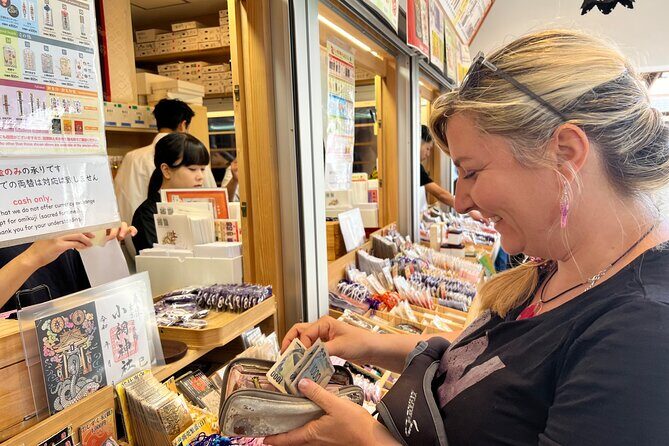
The tour’s shrine admissions are listed as free, and the visit process includes the ritual steps. But you should expect extra spending at the shrines for:
- Coin offerings
- Amulet fees
- Goshuin fees
- Fortune slip (omikuji) fees
This is the part that separates a budget trip from a souvenir trip. If you plan to buy something at most stops, set aside extra cash or a plan for card/changes where available.
Here’s my practical advice: decide your goal early. Are you:
- Mainly here for the walk and prayers
- Here for the Goshuin stamps and omikuji
- Here to collect amulets too
Picking one goal helps you avoid the feeling of paying for everything out of momentum.
Snacks and the Best Part After the Tour Ends
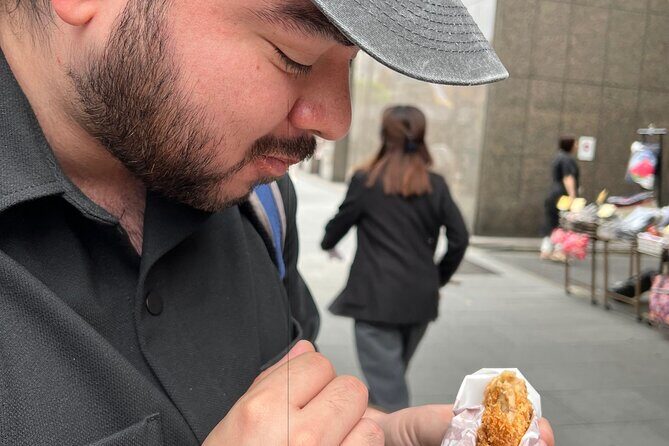
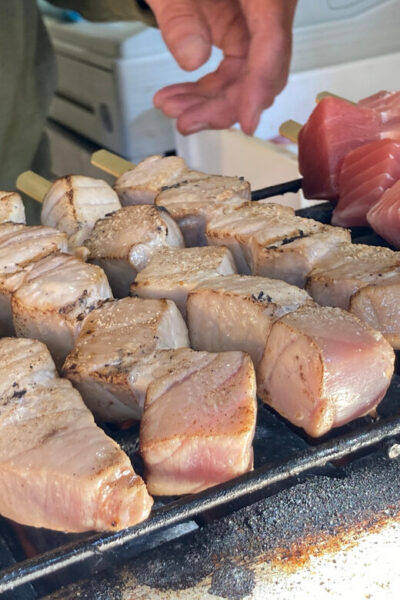
Two snacks are included. That matters more than it sounds. You’re walking and doing small rituals at each stop, so you’ll likely appreciate a break that isn’t a rushed convenience store stop.
And the tour doesn’t end at the shrines emotionally. With guidance from Tomo, I’d expect you to leave with practical ideas for nearby shops and restaurants. The guide also leans into flexibility, which can help if you want to adjust the pace slightly or if the group moves differently on the street.
If you want souvenirs, keep an eye out right after the last shrine. You’ll be in that mindset already, and shops in this area tend to feel more local than the tourist traps.
Weather, Timing, and Keeping It Comfortable
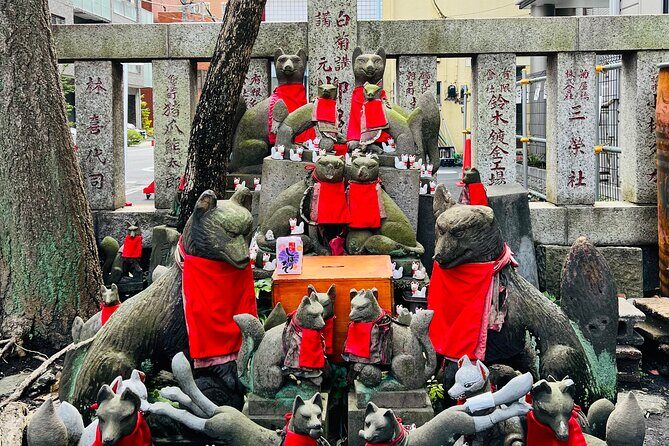
This experience requires good weather. If the forecast looks bad, you may be offered a different date or a full refund. It’s also a good idea to wear shoes you trust. Even though the route is only 2.8km, you’ll be on foot for the whole 3 hours 30 minutes.
Timing is set for short shrine visits, so you’ll want to arrive on time at the meeting point. The tour is private and only for your group, so there’s less waiting around for a big bus crowd. That’s great for the vibe, but it also means lateness can squeeze the schedule.
Should You Book This Tour?
Book it if you want:
- A guided, private way to see Seven Lucky Gods shrines in one compact area
- A calm walk with clear stops and a manageable distance
- A chance to do omikuji and Goshuin with someone who helps you follow the flow
Consider skipping or pairing with extra independent time if:
- You hate optional shrine spending and don’t want to deal with possible amulet/fortune/stamp fees
- You want long stays at every shrine with lots of free-form wandering
For most people who enjoy rituals, street atmosphere, and efficient Tokyo days, this is a strong pick. It gives you structure without turning the experience into a race.
FAQ
How long is the Nihonbashi Ningyocho Seven Lucky Shrines and Treats tour?
It’s approximately 3 hours 30 minutes.
Is this tour private?
Yes. It’s a private tour, and only your group participates.
What is included in the price?
The tour includes 2 snacks. Shrine admissions are listed as free, but some optional shrine-related costs are not included.
Are the amulets, Goshuin, and omikuji free?
No. Coin offering, amulet fees, Goshuin fees, and fortune slip (omikuji) fees are not included.
Where does the tour start and end?
It starts at 人形町しずか皮ふ科 Japan, 1-chōme1410 三原堂本店ビル 5F and ends back at the same meeting point.
Is the ticket mobile?
Yes, it uses a mobile ticket.
Is the tour affected by weather?
The experience requires good weather. If it’s canceled due to poor weather, you’ll be offered a different date or a full refund.