REVIEW · KYOTO
Photography Service
Book on Viator →Operated by Osaka Bar Hopping · Bookable on Viator
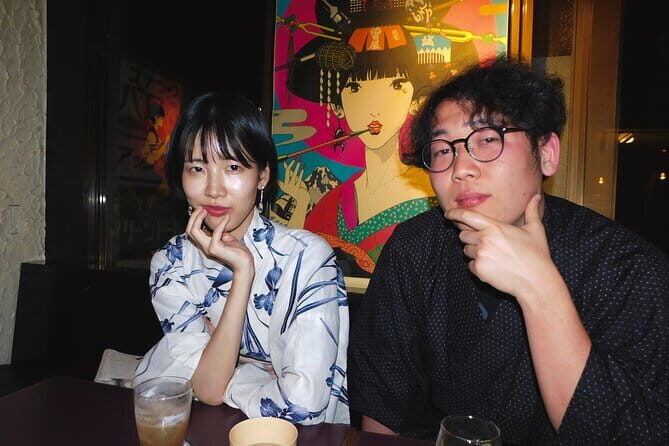
Kyoto is made for photos. What’s different here is the exclusive photographer setup and the way you get unlimited photos during your walk. I like that you’re not boxed into one photo spot, but you do need to plan around the reality that photography is prohibited at some temples and shrines.
This is a private, 3-hour experience starting at 2:00 pm from the Taxi Rank (Alighting Only) at Kyoto Station, and it ends back at the same meeting point. You’ll get a tour guide alongside the photographer, and you can expect local-style suggestions for where to go and what to eat (since they’re Japanese locals).
One more thing to keep in mind: entrance fees and transportation are not included, so your final cost can move a bit depending on which extra areas your photo plan includes and how you get there.
In This Review
- Key points before you go
- How this 3-hour Kyoto shoot really works
- Price and logistics: what $123.56 covers (and what doesn’t)
- Meeting at Kyoto Station at 2:00 pm (and how to avoid stress)
- Sanneizaka: classic Kyoto streets, but follow the rules
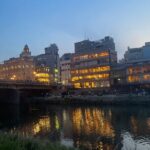
- Kamogawa as your style switch
- Nara Park: a second scene with different photo energy
- What you’ll get from the photographer (beyond button pushing)
- Who this tour suits best (and who might want to skip it)
- Practical tips so your photos come out better
- Should you book this Kyoto photo tour?
- FAQ
- Where is the meeting point for the Kyoto photography tour?
- What time does the tour start, and how long does it last?
- Is this a private tour?
- Is photography unlimited, and are there restrictions on where photos can be taken?
- What’s included in the price, and what costs extra?
- What happens if the weather is bad?
Key points before you go

- Unlimited photos with one exclusive shooter so you can slow down, restart, and try again without feeling rushed
- No strict location limits, but temple/shrine rules still apply for photography
- Sanneizaka is a top pick for classic Kyoto streetscapes, with Kamogawa also recommended
- Nara Park is an optional shooting stop in the plan, with entrance fees on you
- Private tour for your group only, so the pace and stops are easier to manage
- Weather matters, since the experience requires good weather
How this 3-hour Kyoto shoot really works
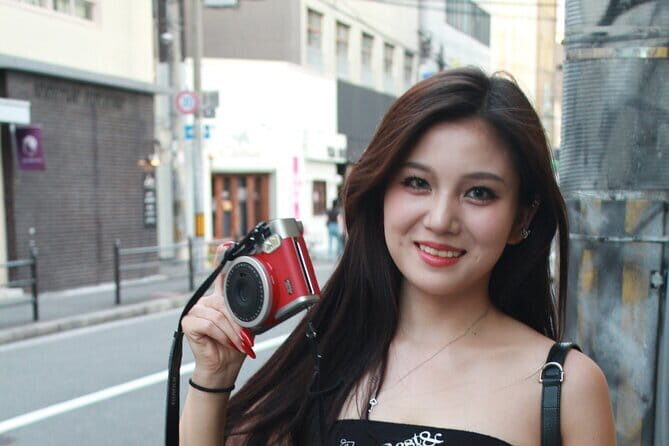
Think of this as a guided photo walk with a pro photographer in your corner. The description frames it as accompanying you to the place you want for about two hours to take unlimited photos, with the full session landing at roughly 3 hours total. In practice, that means you’ll spend most of your time shooting, not waiting around.
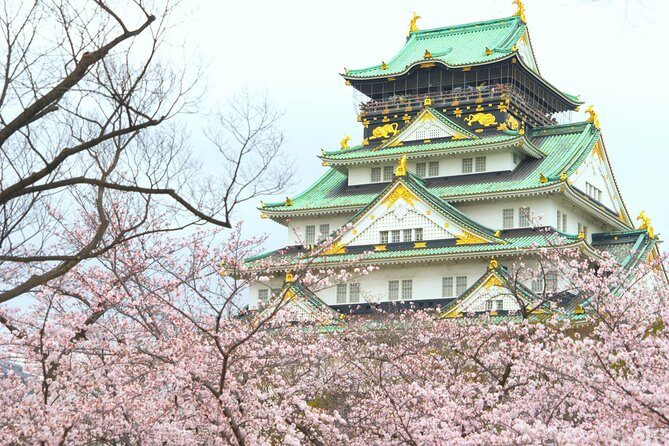
You also have flexibility. While Sanneizaka is called out as a recommended place, the guide also mentions you can shoot in other areas—Kyoto options like Kamogawa, and even day-trip style locations like Nara Park or Osaka Castle if you want those backdrops instead.
That flexibility is the main value. Kyoto has a lot of look-alike “postcard streets,” but the best results usually come from choosing the right streets for your style—soft and traditional, river views, or more open scenery—then having someone who knows where light lands and how to frame the scene.
You can also read our reviews of more photography tours in Kyoto
Price and logistics: what $123.56 covers (and what doesn’t)

The price is $123.56 per person for approximately 3 hours, and it includes the photography service and a tour guide. What’s not included is important:
- entrance fees
- transportation fees
So your budgeting depends on what you choose. If you mostly stay in public streets and viewpoints, you might keep extra spending low. If you go into areas with ticketed entrances, that’s on you.
The good part is that the tour setup is private and structured—meeting time is set, the photographer is exclusive, and you have unlimited shots. That combination is often the difference between getting a few decent photos and leaving with a real set of images that look like you meant to hire someone.
Also note the format: you’ll receive a mobile ticket, and confirmation comes at booking. You’ll want your phone charged and your confirmation handy so you can keep things smooth at the start.
Meeting at Kyoto Station at 2:00 pm (and how to avoid stress)
The meeting point is very specific: Taxi Rank (Alighting Only), Kyoto Station Hachijo Entrance (Higashishiokoji Kamadonocho, Shimogyo Ward, Kyoto, 600-8215, Japan). Start time is 2:00 pm, and the activity ends back at that meeting point.
Why this matters: Kyoto day plans can get messy fast. Being anchored at Kyoto Station helps you join the session without guessing your way through neighborhood landmarks—especially on your first afternoon. If you’re taking trains or walking over from your hotel, I recommend building in a buffer so you’re not sprinting with camera-shy energy.
You’re also told it’s near public transportation, which usually means getting there shouldn’t be a major headache. Still, Kyoto Station is big, so arrive a few minutes early and get oriented before you meet your photographer.
Sanneizaka: classic Kyoto streets, but follow the rules
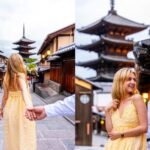
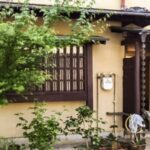
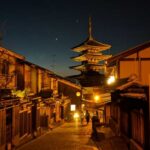
Sanneizaka is the first stop, and it’s easy to see why it’s recommended. It’s one of those Kyoto areas where the streets already look styled: traditional architecture vibes, photogenic corners, and a natural flow that works well for a walking shoot.
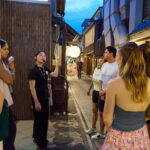
The photographer’s role is the key advantage here. You’re not just snapping from the sidewalk. You’re getting direction on composition and pacing, plus someone who can capture you in motion—so the photos feel like part of your day, not just posed headshots in front of buildings.
Now for the drawback to plan around: the guide notes that there are no restrictions on where to take photos generally, but photography can be prohibited at some temples and shrines. In Kyoto, that means your “perfect angle” might be off-limits once you approach certain entrances or courtyards.
How to handle that smoothly:
- When you see signs or barriers, treat them as the final answer—don’t try to work around it.
- Use the photographer’s guidance to pivot quickly to nearby street scenes that are allowed.
If you’re hoping for temple-style images, this tour can still work well—you just need to accept that you’ll be choosing allowed views, not pushing into no-photo zones.
Kamogawa as your style switch
Even though Kamogawa isn’t listed as its own numbered stop, it’s explicitly recommended as a place to shoot. Kamogawa-style settings can break up the “same street, same architecture” feeling, especially if your Sanneizaka time gives you the classic look and you want water or river-side framing afterward.
If you like the idea of variety, ask your photographer whether Kamogawa fits your schedule and walking comfort.

Nara Park: a second scene with different photo energy
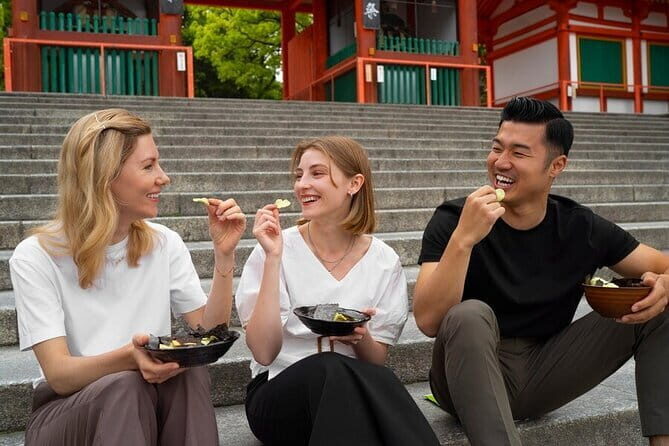
The second stop in the plan is Nara Park, listed as about 2 hours. Even though it’s described as a possible shooting location, the itinerary includes it as Stop 2, so you should expect it to be part of the session unless the day-of plan changes.
Nara Park (as a general idea) gives you a different feel from Kyoto streets. Where Kyoto often leans into narrow alleys and historic streetscapes, a park setting tends to widen your options—more room for full-body framing, open-space compositions, and breathing room between shots.
The practical point: transportation and entrance fees aren’t included. If your Nara Park time involves paid areas or specific locations inside the park that require tickets, you’ll be handling those costs.
The upside is that you’re already paying for the photographer time. Unlimited photos during your Nara Park portion means you can experiment—different poses, different timings, and multiple composition attempts—without feeling like you’re burning through a limited “photo quota.”
What you’ll get from the photographer (beyond button pushing)
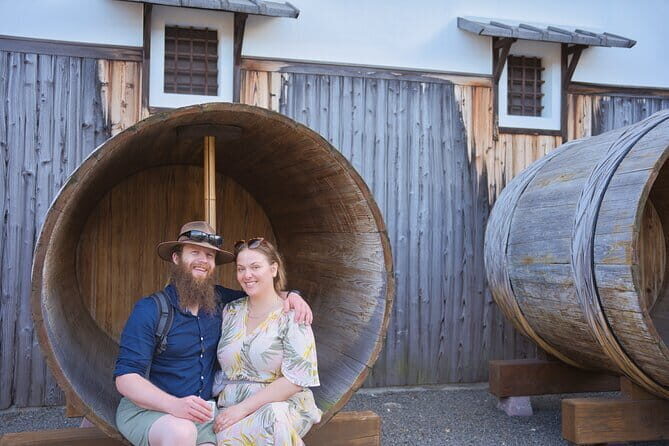
The heart of the experience is simple: a professional Japanese photographer is your exclusive shooter for the session. The plan says they’ll take one-of-a-kind memorable photos, and you’ll have unlimited photos.
That unlimited part matters because it changes your mindset. Instead of getting tense about whether a single shot is good enough, you can try:
- a few different angles
- walking moments vs. still moments
- close-up details vs. full scene framing
You’ll also get a tour guide who can offer practical advice. The experience describes that if you want restaurant tips and general things to do in Japan, they can give better recommendations as Japanese locals. That’s useful because it turns the photo session into a mini “what to do next” reset for your trip, not just a one-time service.
Who this tour suits best (and who might want to skip it)
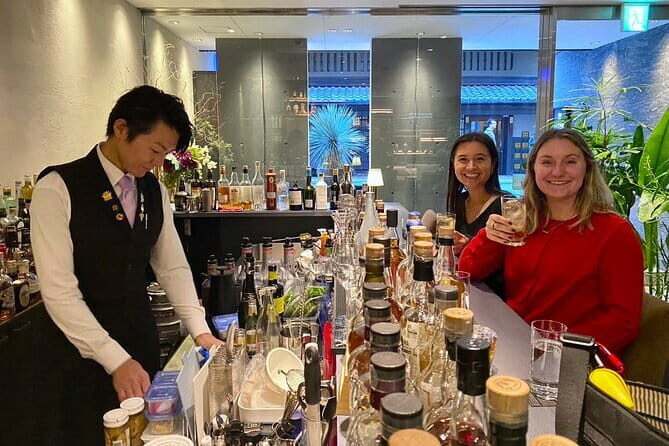
This is a great fit if you fall into one of these categories:
- You want photos without the stress. If self-timed photos often turn into awkward attempts, this gives you direction and momentum.
- You care more about results than wandering. Kyoto can be overwhelming. A guided plan helps you focus.
- You like classic Kyoto looks. Sanneizaka is a strong starting point for that.
- You want local advice. The guide component can help with where to eat and what to do after your shoot.
It might be less ideal if:
- You’re traveling super budget-first and want zero added costs beyond the ticket. Since transportation and entrance fees aren’t included, you’ll want to accept that possibility.
- You’re chasing strict temple/shrine interiors where photography is often restricted. This tour can still help in nearby allowed areas, but you’re not guaranteed every inside-the-gate photo you might imagine.
Practical tips so your photos come out better
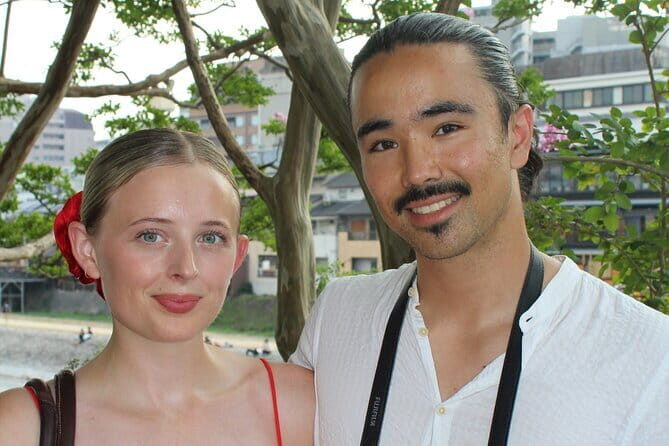
A few simple moves can make the session feel effortless—and help you get the kind of images you’ll actually want to print or keep on your phone.
- Wear comfortable shoes. You’re walking for a couple of hours, and Kyoto streets reward good footing.
- Bring an outfit plan. If you have two outfits you love, you can decide which matches the mood you want for each stop (street vs. park feel).
- Be ready to ask for variety. You’ll have unlimited photos, so don’t be shy about requesting different framing ideas.
- Respect photo rules instantly. When you hit a no-photo area, switch locations quickly. That’s usually where the photographer can guide you to allowed views that still look great.
Also, the experience notes that service animals are allowed and that most travelers can participate. If you have accessibility needs or specific concerns, it’s worth checking with your provider so they can match the pace and walking route to you.
Should you book this Kyoto photo tour?
I’d book it if you want stress-free, high-quality photos in Kyoto with an exclusive pro doing the hard part. The price is reasonable for a private session with unlimited shooting time, and the added benefit of local guidance (food and what to do next) makes it feel like more than just a photo bill.
I’d think twice if you’re determined to keep everything ultra-cheap or if your heart is set on specific temple/shrine photography where rules may limit access. In those cases, you can still have a good shoot, but you’ll need flexibility in what you can capture.
If you want one strong photography plan instead of a dozen “maybe we’ll take pictures” moments, this is a smart way to get your Kyoto memories in a form you’ll actually enjoy looking at later.
FAQ
Where is the meeting point for the Kyoto photography tour?
You meet at the Taxi Rank (Alighting Only), Kyoto Station Hachijo Entrance (Higashishiokoji Kamadonocho, Shimogyo Ward, Kyoto, 600-8215, Japan).
What time does the tour start, and how long does it last?
The start time is 2:00 pm, and the duration is approximately 3 hours.
Is this a private tour?
Yes. It’s a private tour, so only your group participates.
Is photography unlimited, and are there restrictions on where photos can be taken?
You get unlimited photos. There are no general restrictions on where you can take photos, but photography is prohibited at some temples and shrines, so the guide recommends locations like Sannenzaka and Kamogawa.
What’s included in the price, and what costs extra?
Included are the photography service and a tour guide. Entrance fees and transportation fees are not included.
What happens if the weather is bad?
This experience requires good weather. If it’s canceled due to poor weather, you’ll be offered a different date or a full refund.