REVIEW · TOKYO
Private Day Tour In Tokyo with a Native English Speaker
Book on Viator →Operated by japaninyourbackpocket.com · Bookable on Viator
Tokyo without the guesswork is real. This private day tour strings together the headline sights in a way that feels controlled, not chaotic. You’ll have an English-speaking guide (also Japanese-speaking) who handles navigation, answers questions, and keeps the pace friendly, whether you want temple time, street fashion, or shopping for anime gear.
Two things I like a lot: first, the private, just-for-your-group setup means you can actually steer the day instead of following a rigid script. Second, having help with trains matters in Tokyo; your guide can guide you through the subway system and even help with small purchases you might not be able to manage comfortably on your own.
One consideration: this is not a sit-and-watch tour. It’s built around several stops over 3 to 6 hours, with walking between areas—so you’ll want shoes and a moderate fitness level.
In This Review
- Quick hits before you book
- A private Tokyo day that actually feels private
- Asakusa and Sensoji: traditional Tokyo, straight to the point
- Shibuya crossing and Hachiko: modern energy with a friendly anchor
- Tsukiji fish market time: food culture even if you skip seafood
- Harajuku and Akihabara: choose your Tokyo personality
- Harajuku: kawaii culture and street-style browsing
- Akihabara: electronics plus anime and cosplay culture
- The flexible “Tokyo” slot: where your day turns personal
- Transport, timing, and walking: keep it easy for 3 to 6 hours
- Price and value: what $145 buys you in Tokyo time
- Who should book this private Tokyo highlights tour
- Should you book this private day tour?
- FAQ
- How long is the private day tour in Tokyo?
- What sights are included on the tour?
- Is pickup available?
- What is included in the price?
- What extra costs should I plan for?
- Is cancellation free?
Quick hits before you book
- English and Japanese guide on your schedule so you’re not stuck translating every turn
- Pickup within a 7 km radius of Tokyo Station for a smoother start
- Flexible itinerary where you can adjust the mix instead of following one fixed route
- Tokyo highlights across five iconic neighborhoods with time to actually look, not just pass by
- Mobile ticket and a private-group format for easier day-of flow
- Public transportation costs are extra (plan about $15 for transit)
A private Tokyo day that actually feels private
Tokyo can be wonderful—and slightly overwhelming. This kind of private tour is built for that exact moment when you want highlights but you don’t want to spend your day figuring out trains, exits, and etiquette rules.
You’ll travel with a guide who speaks both English and Japanese, which is a big deal for comfort. It’s not only about understanding words. It’s about knowing where to stand, when to cross, what’s worth your time, and what’s more hype than payoff. If you’re planning for a “first Tokyo trip,” that guidance saves hours of trial and error.
Because it’s private, you’re not negotiating pace with a group of strangers. You can pause for a photo, slow down for shopping, or spend extra minutes near a temple entrance. The operator also offers group discounts, which can make a private setup feel more budget-friendly if you’re traveling with more than one or two people.
A practical plus: the tour uses a mobile ticket, and it’s described as starting near public transportation. That means you’re not stuck in a remote meeting point far from everything. The guide will keep you moving in a logical sequence—especially handy when you’re jumping between very different Tokyo vibes.
You can also read our reviews of more private tours in Tokyo



Asakusa and Sensoji: traditional Tokyo, straight to the point
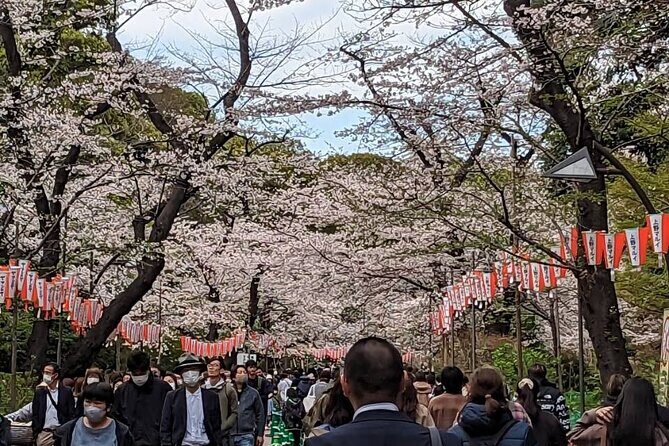
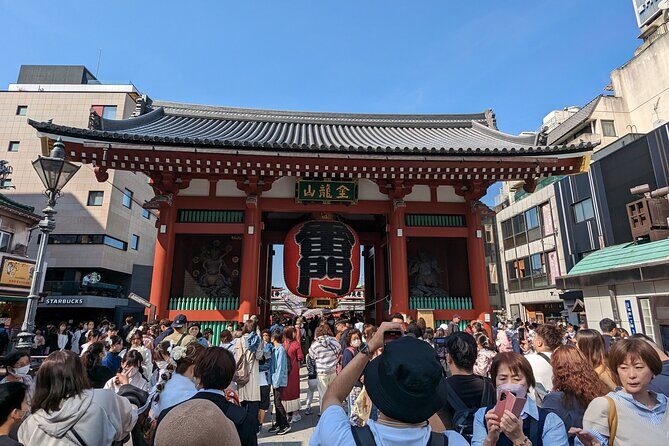
Asakusa is where Tokyo turns more old-school. You’re going to spend about an hour here, focused on Sensoji Temple, one of the city’s best-known religious sites.
What makes this stop worthwhile is not just the photo spots. It’s the experience of being in a neighborhood that feels designed for walking: you can take in the temple presence, browse around the surrounding area, and feel how daily life looks in this part of town. Even if you’re not a temple person, Asakusa tends to work because it’s easy to understand what you’re looking at. There’s a rhythm to it.
A real benefit of a guide here is context. Tokyo’s temple etiquette can be confusing if you haven’t done it before. A guide can steer you on what to do and what not to do, and help you get your bearings fast—without making the day feel like a lecture.
Potential drawback: if you’re extremely time-sensitive, Asakusa can be popular and you may want to be ready to adjust your exact timing. The private format helps because your guide can control how long you linger where.
Shibuya crossing and Hachiko: modern energy with a friendly anchor
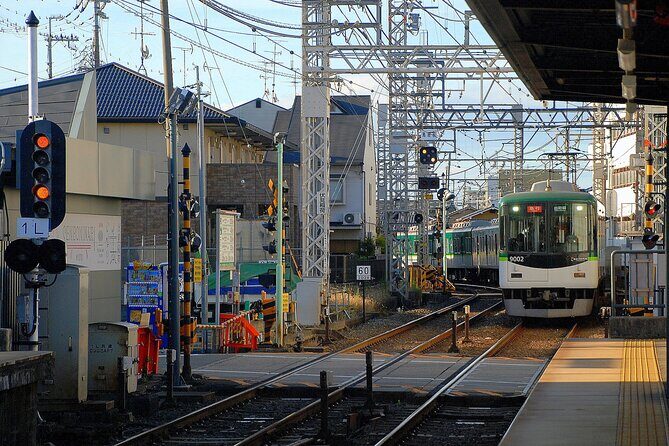
Then you head to Shibuya, one of Tokyo’s most recognizable areas. Expect about an hour, with stops that typically focus on the Shibuya pedestrian crossing and the Hachiko statue.
The crossing is iconic for a reason. It’s a great place to watch how Tokyo manages movement—how people flow like they know the choreography. You don’t need to be a nerd about cities to enjoy it; it’s visual, fast, and oddly satisfying.
Hachiko adds a different mood. Instead of street chaos, you get a human story anchored in the middle of a modern shopping district. It’s an easy contrast that makes the area feel more than just a place to take a dramatic photo.
One tip for getting value from this stop: decide ahead of time what you want more of—people-watching at the crossing, or time strolling the surrounding shopping streets. With a private guide, you can bias your hour toward your preference.
Consideration: if you’re sensitive to crowds, Shibuya is not the place to hide from them. Plan for steady walking time and expect it to feel busy at peak moments. The guide can help you position yourself for better viewing without wasting time.
Tsukiji fish market time: food culture even if you skip seafood
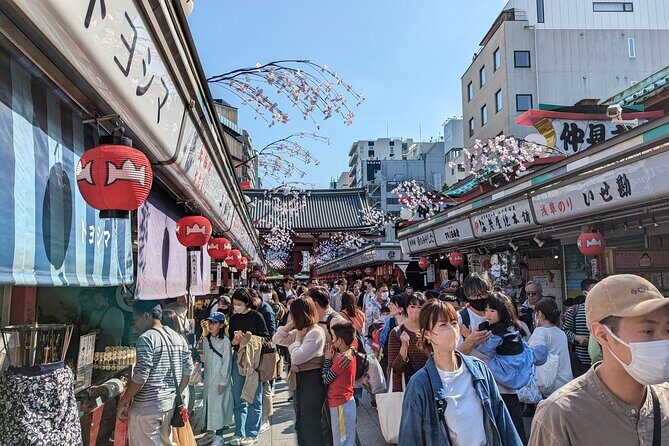
Next up is Tsukiji, known as the fish market hub. You’ll get about an hour here, with a focus on the market atmosphere and the seafood culture—think stalls and quick bites rather than a sit-down meal.
Here’s why this stop can work even if you’re not a seafood devotee: Tsukiji is still a place to understand how Tokyo eats and shops. You’ll see what people look for, how vendors present food, and how the market experience feels as a street-level event. It’s the kind of place where you can enjoy the sights and pick one or two small things that fit your comfort.
In a private tour, the value isn’t that you’re being marched through. It’s that you don’t waste time wandering in the wrong lanes. A guide can steer you toward areas where you can view activity and understand what’s going on without turning your hour into aimless roaming.
Potential drawback: market areas can involve a lot of sensory input—smells, noise, and busy aisles. If you’re prone to motion sickness or sensory overwhelm, you may want to keep your expectations realistic and take a short break when needed. You’re not stuck doing it alone; your guide can help you adjust pace.
Harajuku and Akihabara: choose your Tokyo personality

This tour covers two neighborhoods that feel like they were built for different kinds of Tokyo lovers: Harajuku and Akihabara. Each is set for about an hour.






Harajuku: kawaii culture and street-style browsing
Harajuku is where you go for youthful fashion energy and kawaii culture—the cute, playful side of Japanese pop aesthetics. This is the part of the tour where it’s easiest to turn your day into shopping and discovery.
The value here is your guide acting like a filter. Tokyo has endless shops, but without context you can burn time. A guide can point you toward the kinds of stores you’ll actually enjoy based on your interests—fashion browsing, novelty items, or just soaking up street style.
Akihabara: electronics plus anime and cosplay culture
Akihabara is famous for electronic stores and also for anime and cosplay. If you’re even slightly into Japanese pop culture, this area tends to be a highlight because the shops are so specific. It’s not generic shopping; it’s a whole themed world.
One reason I really like the private format for this stop: a good guide can help you navigate purchase situations. In past tours, the guide has supported guests with things like finding and buying anime figures, plus handling getting around by train to reach stores efficiently. That kind of help turns a potentially frustrating shopping hour into a fun one.
Potential drawback: if you’re not into fashion or pop culture at all, these neighborhoods might feel like too much of a theme. The good news is you can often adjust the mix under the tour’s customization approach, especially at the flexible end of the day.
The flexible “Tokyo” slot: where your day turns personal
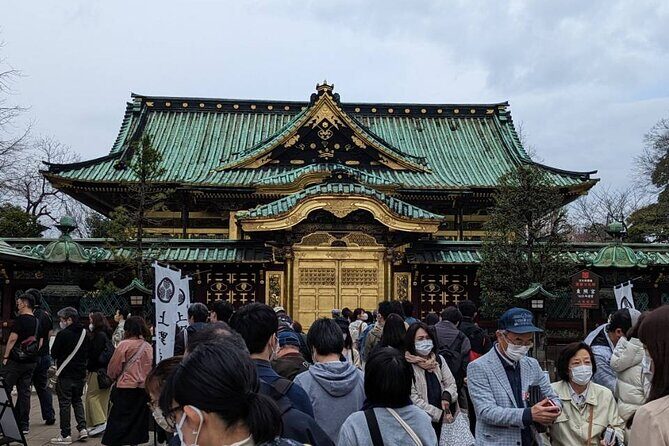
The itinerary leaves room for a broader Tokyo stop where the plan can shift based on what you want to see. If you don’t see a specific destination on the list, this is the section designed for you to propose alternatives.
This is where private tours beat pre-made group itineraries. You’re not locked into a script. You can say what you care about—shopping, temples, neighborhoods with a certain vibe, or a specific place you’ve been dreaming about—and your guide can build the route around that.
If you’re a first-timer, a smart use of this flexibility is adding one “you” stop that rounds out the day. For example, if your first Tokyo day feels too focused on big landmarks, you can ask for something smaller and more neighborhood-like. If you’re a hardcore shopping person, you can bias your free time toward stores.
Transport, timing, and walking: keep it easy for 3 to 6 hours
This experience is designed around 3 to 6 hours, and each featured stop runs around an hour. That’s a useful structure, because it prevents the classic mistake of trying to do too much in too little time.
Public transportation isn’t included. The guide handles navigation, but you should budget about $15 for transport. That number is your hint to plan for train/subway rides rather than expecting everything to be walkable.
Pickup is available only within a 7 Kilometer radius from Tokyo Station. If you’re staying farther out, you’ll want to consider meeting somewhere reachable by train or planning your own way to the start point. The good news is the tour is described as near public transportation, so you’re usually not stuck arranging complicated travel just to begin.
Physical effort matters. The tour notes moderate physical fitness is recommended. Translation: you’ll walk, you’ll stand, and you’ll move between neighborhoods. Plan shoes that handle sidewalks and station stairs without complaint. And don’t pack an over-ambitious lunch schedule the same day—your energy will get used.
Price and value: what $145 buys you in Tokyo time
At $145 per person, this is not a budget group tour. But it’s also not trying to be. You’re paying for three things that are hard to recreate on your own:
First is the private guide time across several major neighborhoods. That’s not just commentary. It’s route planning, translation, and pacing you can control.
Second is navigation support. Tokyo transit is efficient, but it’s not intuitive if you’re new. Paying for help here is like paying for fewer wrong turns and less wasted waiting. If you’ve ever wandered into the wrong station exit and watched your whole day drift, you’ll understand the value.
Third is the flexibility to steer. When the day can adjust to your interests, the “headline highlights” approach becomes more personalized. That’s the kind of customization you’re usually stuck paying extra for in big-city tours.
So is it worth it? If you’re traveling as a small group and you want a confident, low-stress route through iconic areas, it often is. If you’re a fearless solo traveler who already knows Tokyo transit well, you could do it cheaper on your own. The question is whether you want to spend your day optimizing logistics or sightseeing.
Who should book this private Tokyo highlights tour
This tour makes the most sense if you fit one of these profiles:
- You want a first-time Tokyo experience that covers big-name areas without feeling lost
- You’re traveling in a small group and want private flexibility
- You care about pop culture enough to enjoy Harajuku and Akihabara
- You want help navigating trains and finding your way between areas
- You’d rather pay for guidance than spend your time researching routes and station exits
It also works well for travelers who like structure but still want control. You get a solid set of stops, then you can reshape the end of the day to match your interests.
If you’re traveling with kids or an older relative, the pace will matter. Since the tour includes walking and multiple neighborhoods, you’ll want to consider comfort and stamina first.
Should you book this private day tour?
I’d book it if you want a Tokyo day that feels organized but not stiff—especially if you’re juggling navigation stress, want an English-speaking guide who can also work in Japanese contexts, and you’re excited about mixing classic Tokyo (Asakusa) with modern neighborhoods (Shibuya) and pop culture playgrounds (Harajuku and Akihabara).
Skip it if you’re the type who already knows Tokyo transit well, doesn’t care about guided context, and can happily build a DIY route across several neighborhoods without losing time. In that case, you might prefer to spend your money on museum tickets and meals instead.
If you’re on the fence, think about what you’d rather trade: time for research, or money for confidence. This tour leans hard toward buying back your time.
FAQ
How long is the private day tour in Tokyo?
The tour runs about 3 to 6 hours.
What sights are included on the tour?
The planned stops include Asakusa (Sensoji), Shibuya, Tsukiji Fish Market, Harajuku, Akihabara, plus a flexible Tokyo stop you can customize.
Is pickup available?
Pickup is offered, but only within a 7 Kilometer radius from Tokyo Station.
What is included in the price?
It includes a tour guide who speaks both English and Japanese to guide you throughout the day, and the tour is private for your group.
What extra costs should I plan for?
Public transportation is not included (about $15), and food and drink are not included.
Is cancellation free?
Yes. You can cancel for a full refund if you cancel up to 24 hours in advance of the experience start time.