REVIEW · TOKYO
Ride a rickshaw wearing a kimono in Asakusa! Enjoy authentic traditional culture!
Book on Viator →Operated by 浅草着物レンタル華雅 · Bookable on Viator
Kimono and rickshaw in Asakusa is fast magic. The kimono dressing and hair setup makes you look traditional without wrestling extra layers, and the rickshaw ride lands you right by Kaminarimon and Sensoji for instant sightseeing. The only real catch is that kimono sizing can mean an extra fee if you need a larger fit.
I like that this is built for calm, not chaos: the shop supplies the basics, the group is small (up to 5), and you get time to wander on your own after the ride. You will just need to plan for your day’s comfort, especially if you’re visiting during summer humidity or cooler months.
In This Review
- Quick hits you’ll care about
- Entering Asakusa for the Day: Why This Combo Works
- Check-in at HANAKAJapan: From Subway to Dressing Room
- The First 30 Minutes: Kimono Rental With Hair and Accessories
- Picking the Kimono and Getting the Fit Right
- The Rickshaw Window: A Short Ride That Sets Your Day
- Where You Go Next: Free Time Near Kaminarimon and Sensoji
- Price and Value: What $52.17 Really Covers
- Logistics That Can Surprise You (In a Good, Mostly Clear Way)
- Who Should Book This Kimono-and-Rickshaw Day
- Extra Ways to Make It Your Day
- Tips to Stay Comfortable in Kimono (and Still Have Fun)
- Should You Book This Asakusa Kimono and Rickshaw Experience?
- FAQ
- How long is the kimono and rickshaw experience?
- What’s the price per person?
- What is included in the rental?
- Do I need to bring anything?
- Where do I meet, and where does it end?
- Can I choose where to get off the rickshaw?
- What if I need a larger kimono?
- Is there a refund if I cancel?
Quick hits you’ll care about
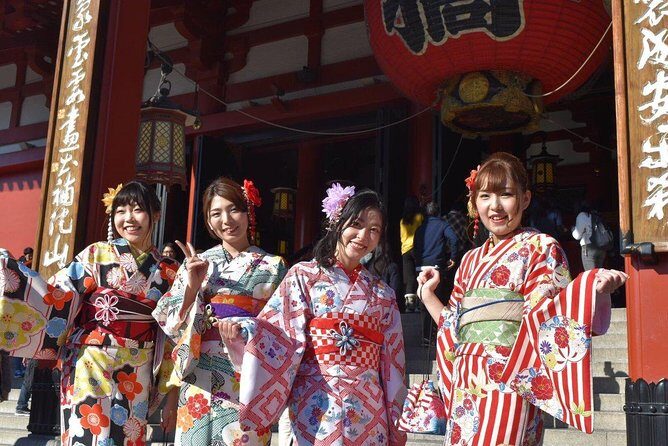
- 30 minutes to get dressed: full kimono rental includes hair steps and accessories, plus sandals.
- Easy drop-off for Asakusa exploring: talk with the driver about where to get off near Kaminarimon/Sensoji.
- Commemorative photos included: the staff takes a photo for the ride, and you’re guided on photo moments.
- Small group vibe (max 5): more attention during dressing and a smoother rickshaw schedule.
- Extra cost may apply for larger sizes: plan for a possible add-on fee on the day.
Entering Asakusa for the Day: Why This Combo Works
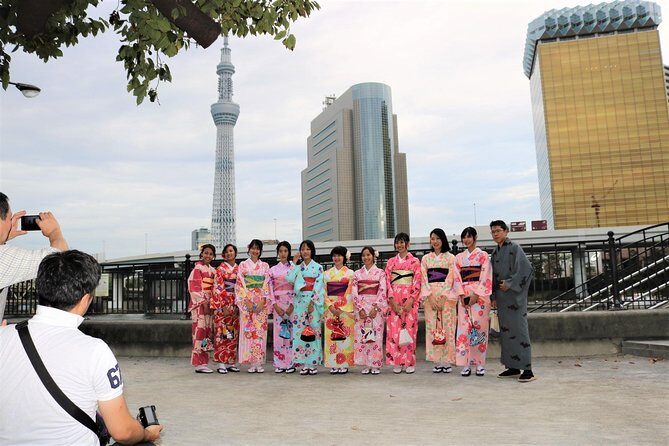
Asakusa is one of those Tokyo neighborhoods where the streets feel like they remember older Japan. Doing it in a kimono makes the whole area click faster—less “tourist mode,” more “I’m part of the scene.” And the rickshaw is the useful part, not just the fun part: it’s a short ride that places you right where you want to start walking.
What I like most is that the experience is not trying to be a full-day walking tour. You get set up (kimono + hair) first, then you use the rickshaw as a gentle launch into sightseeing. After that, you’re free to eat, take photos, and browse at your own pace until the return time.
The “civilization-era” rickshaw feel also matters. It’s not a theme park ride; it’s a slow, old-fashioned way to move through the Asakusa-Shitamachi vibe, with tourist info delivered from the car’s side.
You can also read our reviews of more tours and experiences in Tokyo.



Check-in at HANAKAJapan: From Subway to Dressing Room
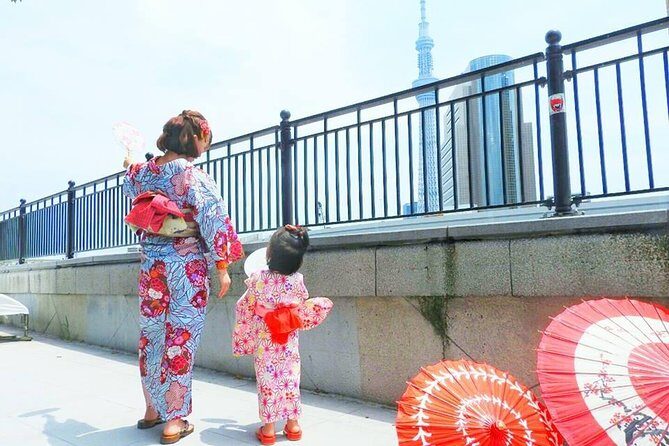
Your meeting point is HANAKAJapan in the Kaminarimon area of Taito City (111-0034 Tokyo, Taito City, Kaminarimon, 2-chōme 37 Dueru Asakusa IV 4F). This is near public transportation, and it’s in the general Asakusa orbit where Google Maps is your best friend.
Plan to arrive within the shop’s available window. The opening hours listed are 11:00 AM to 2:00 PM. If you show up late, you may reduce your comfort—dressing takes a fixed amount of time, and you’ll want a little buffer before your rickshaw pick-up.
One practical note: the store has clear rules about shoes inside. You likely won’t be carrying shoes into the main area. The staff helps manage what you wear during the rental, so you don’t spend the first part of the day stuck fiddling with footwear.
The First 30 Minutes: Kimono Rental With Hair and Accessories
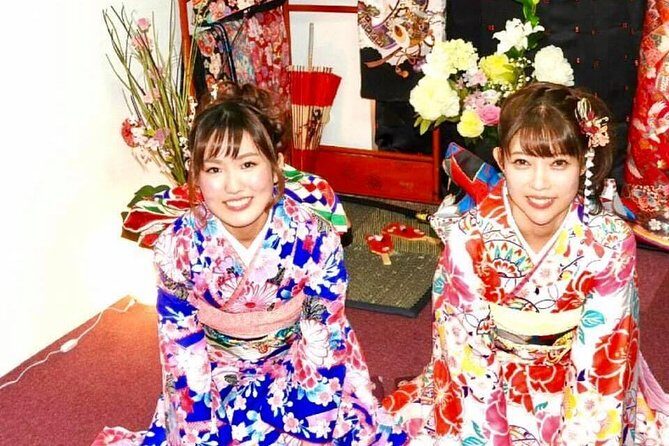
The dressing session runs about 30 minutes. This is a complete rental, meaning you don’t bring clothing or extra items. What you do get is the full sequence: basic hair work, hair accessories, and the kimono itself.
I like that the setup is run by professionals. The kimono dressing instructor and the hairdresser (with a national qualification) are part of the package, and the information says hygiene management is handled firmly since the hairdresser is a full-time shop. That matters because kimono days can feel awkward if you’re worried about cleanliness or how personal the process is.
The rental also adapts for seasons. From June to September, yukata is used. That’s a real comfort factor—yukata is generally lighter for summer heat, which helps if your plan includes extra walking after Sensoji.
If you need a larger kimono for your body size, be ready for an add-on fee of 1,000 to 2,000 yen, paid directly on the day. Also note the stated size guidance: women should be at least 168 cm and men at least 175 cm for the standard sizing fit, and some sizes may require extra fees. In plain terms: if you’re above-average in height or bust/waist measurements, budget a little extra and don’t treat the kimono choice as a “one size for all” deal.
Picking the Kimono and Getting the Fit Right
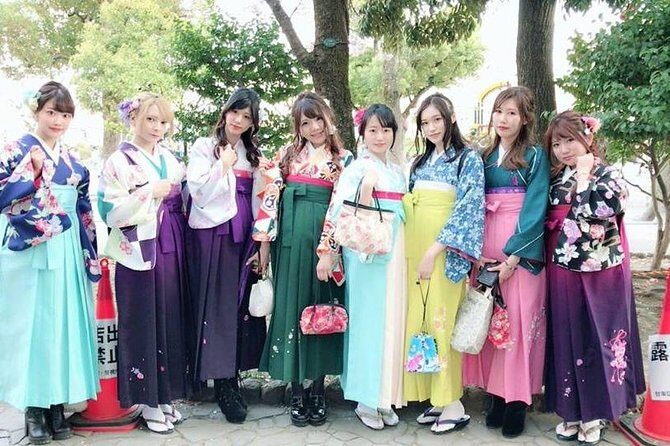
You can choose your kimono with peace of mind, and the experience is designed so you don’t need to figure out the complicated parts yourself. You select a kimono from what’s available at the shop, and then the staff adjusts the styling steps for you.
A key detail here is that kimono sizing follows standard Japanese sizes, and larger sizes can be custom-made if needed. That’s good news for comfort and photos, but it’s why the extra fee can appear. A kimono that looks right and feels secure makes the whole day easier—especially when you switch between standing for pictures and walking near busy temple streets.
One more small comfort detail: the set includes a drawstring bag and sandals (with summer clogs in summer). You’re not stuck hunting down footwear or accessories after your dressing appointment. And because this is a rental bundle, the staff can keep everything coordinated—so you spend your time in Asakusa, not in shops looking for the right shoes.
The Rickshaw Window: A Short Ride That Sets Your Day
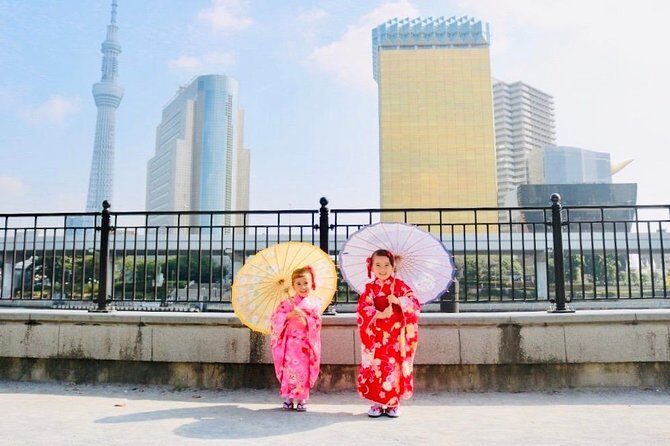
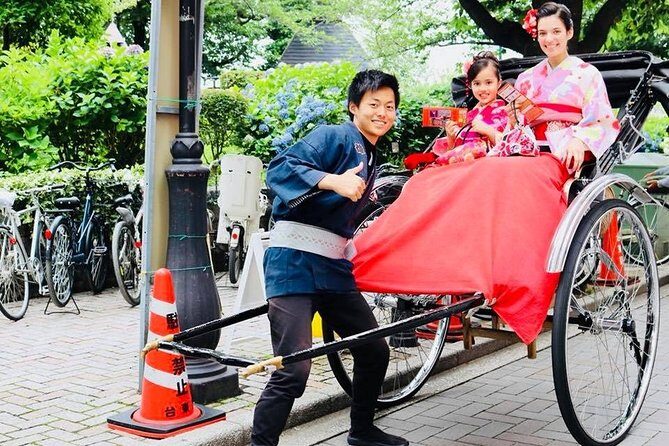
A rickshaw comes to pick you up in front of the shop. Before you go, there’s a commemorative photo moment, then you board the rickshaw. The ride itself is brief—about 12 minutes.
That short duration is intentional value. You get the “wow” moment of sitting in a rickshaw and moving through Asakusa without burning most of your afternoon inside the vehicle. It’s the kind of ride that feels special because it’s short, not because it drags on.
You also get one of the most useful features: you can discuss where to get off with the driver. That means you’re not locked into a single exact stop. Most people get off near Kaminarimon and Sensoji Temple, which is exactly where the walking fun starts.
Some guides are especially good at photo moments. In the feedback I saw, one person specifically called out a guide named Kai for taking incredible pictures. You should still assume your photos depend partly on your comfort with directions and timing, but you’re not left totally alone with a phone.





Where You Go Next: Free Time Near Kaminarimon and Sensoji
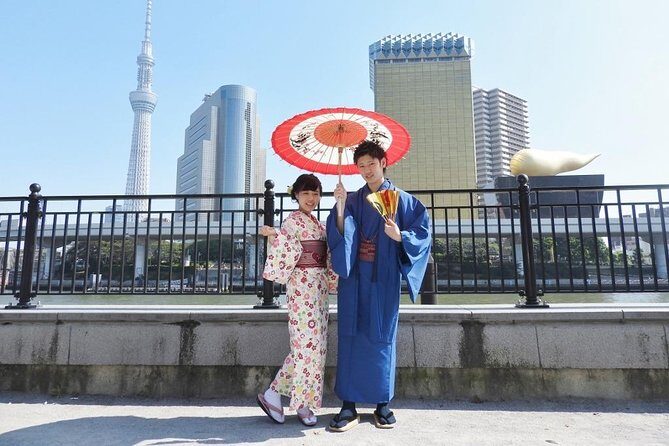
After you get off near Kaminarimon and Sensoji Temple, you have time to explore Asakusa until the return time at 6:00 PM. This is where the day becomes yours.
This is not a rigid itinerary with forced stops. It’s more like: you get placed in the right neighborhood, and you decide how you want to spend the hours. That usually works best in places like Asakusa, where your interests can run from temple sights to snack breaks to souvenir browsing.
If you want photos, focus early and aim for variety: temple fronts, street scenes, and the moment you step into side streets away from the main flow. The kimono makes all of it look more “framed,” and you don’t need a professional camera to get good results.
If you want food, treat it like a scavenger hunt. You’re in one of Tokyo’s most comfortable areas to graze, so you can pick what looks good rather than chasing a single restaurant reservation.
A practical comfort tip: kimono walking can be slower than you expect. Even if you’re comfortable, you may find yourself taking shorter steps to keep the fit neat. Build in time for “slow moments” rather than sprinting between photo spots.
Price and Value: What $52.17 Really Covers
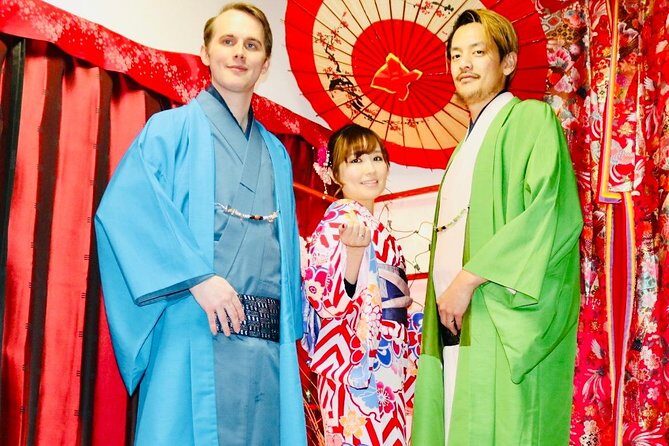
At $52.17 per person, the big value is that you’re buying time and coordination, not just clothing. This includes:
- kimono rental with accessories and hair steps
- sandals (and summer clogs in summer)
- a drawstring bag
- the rickshaw experience plus commemorative photo
Then there are the possible add-ons, which is where your value judgment matters:
- Extra fee of 1,000 to 2,000 yen may apply for larger kimono sizes.
- If you need a larger fit due to measurements (including stated height guidance and bust-related sizing), you may pay more on the day.
In one piece of feedback, an extra payment around 2,200 yen was mentioned for larger bust needs. I’d treat that as a signal to check your expectations ahead of time: if you’re worried about the fit, plan for an extra add-on as a normal part of the process—not a surprise.
What’s not included is also part of the value math:
- private transportation is not included
- photography equipment/accessories are not included
- rain gear and cold protection aren’t included
So if the weather is questionable, bring your own basic protection. If you’re visiting in cooler months, having a strategy for warmth matters because kimono days can feel chilly once you stop moving.
Logistics That Can Surprise You (In a Good, Mostly Clear Way)
The shop is not described as a giant storefront. Some people find it easy to locate from a subway exit; others note it can be tricky and that you’ll want Google Maps. If you’re the type who hates last-minute searching, arrive a few minutes early so you don’t stress about the alley approach.
Language is another small variable. The dressing experience is clearly structured, but some feedback suggests the operators may not speak much English. That’s not automatically a problem if you follow instructions carefully and keep questions simple. You’ll get better results if you communicate the basics—your height/bust comfort needs, and any preferences for the vibe of your kimono—without over-explaining.
Also, treat the dressing time as “efficient” rather than “slow.” The good side: it’s usually quick and well-organized. The less-good side: if you want lots of personal chatting or extremely leisurely pacing, the process may feel rushed.
Who Should Book This Kimono-and-Rickshaw Day
This experience is a strong fit if you want a classic Tokyo cultural moment with minimal planning. It’s especially good for:
- first-timers in Japan who want one high-impact cultural activity
- couples and small groups who like photo-friendly sightseeing
- families who want a structured start, then freedom to explore
- anyone who doesn’t want to manage kimono details alone
It may be less ideal if:
- you have specific expectations about kimono fit and want no chance of add-on fees
- you’re uncomfortable with a more hands-on dressing process
- you hate the idea of possible language friction during the appointment
If you’re tall, or if you’re concerned your bust measurements might require a larger size, I’d still book. Just budget for the possibility of the on-day fee and arrive with patience.
Extra Ways to Make It Your Day
There’s at least one example of an extension option. One feedback note mentioned adding an extra 30 minutes of rickshaw time for 10,000 yen for two rickshaws. If this is offered on the day, it can be a nice way to get more of the neighborhood from the seat—especially if you really want the rickshaw moments for photos.
And remember: you don’t need to over-plan the “after.” Your return time is set for 6:00 PM, but the walking and browsing are flexible. That flexibility often turns into better memories because you’re not stuck following someone else’s checklist.
Tips to Stay Comfortable in Kimono (and Still Have Fun)
- Wear practical underlayers so the kimono feels secure and not scratchy.
- Move slowly in the first hour. Your brain needs a second to learn the step rhythm.
- Bring a phone for photos, but don’t assume you’ll have tripods or equipment.
- Don’t forget basic weather protection; rain gear and cold items aren’t included.
- If you want specific photo spots near Sensoji, plan a rough order: temple front first, then street scenes.
Also, keep an eye on shoe comfort. You’ll be in sandals/clogs provided by the rental. They’re fine for sightseeing, but they’re not sneakers. Choose your walking pace accordingly.
Should You Book This Asakusa Kimono and Rickshaw Experience?
I think you should book if you want a high-impact cultural day with clear structure: dressing first, rickshaw second, then free time where Asakusa does the rest. The included hair and kimono rental are the real value, and the drop-off near Kaminarimon and Sensoji saves you time.
I wouldn’t book if you’re extremely sensitive about fit issues or you expect a no-add-on guarantee for sizing. The extra fee possibility is real, and it depends on body measurements. Still, for most people, it’s a manageable cost for a day that feels genuinely special.
If you’re willing to follow instructions, arrive ready to be dressed, and budget a little for fit adjustment, this is a memorable way to see Asakusa like you’re stepping into the old streets for a few hours.
FAQ
How long is the kimono and rickshaw experience?
It runs about 6 hours in total (approx.).
What’s the price per person?
The price is $52.17 per person.
What is included in the rental?
The included items are a drawstring bag and sandals (summer clogs in summer). The experience also includes the kimono rental with hair setup.
Do I need to bring anything?
No. This is a complete rental, so you don’t need to bring items for the kimono or hair setup.
Where do I meet, and where does it end?
You meet at HANAKAJapan (111-0034 Tokyo, Taito City, Kaminarimon, 2-chōme 37 Dueru Asakusa IV 4F). The activity ends back at the meeting point.
Can I choose where to get off the rickshaw?
Yes. You can discuss where to get off with the rickshaw driver, and you’ll typically get off near Kaminarimon and Sensoji Temple.
What if I need a larger kimono?
If a larger size is needed due to your body size, there is an additional fee of 1,000 to 2,000 yen, paid directly on the day.
Is there a refund if I cancel?
Free cancellation is available. You can cancel up to 24 hours in advance for a full refund; if you cancel less than 24 hours before the start time, the amount paid is not refunded.