REVIEW · TOKYO
From Tokyo: Mount Fuji Full-Day Customized Private Tour
Book on GetYourGuide →Operated by Travellers Japan · Bookable on GetYourGuide
Fuji and Hakone in one packed private day. What makes this tour interesting is that you’re not just doing one famous stop—you’re stringing together Mount Fuji viewpoints, the Lake Ashi cruise, and Hakone sights in a smooth, private-car plan.
I particularly like the mix of photo-worthy Fuji moments plus a real orientation to the mountain. You also get a National Government Licensed English-speaking guide, and the tour includes skip-the-ticket-line support where applicable, which matters on busy days.
One real consideration: visibility is weather-dependent. If conditions are poor, you may still get an alternate route, but you should plan your expectations around the fact that Mt. Fuji sightings can’t be guaranteed.
In This Review
- Key things I’d plan around
- A full-day route that stays flexible (and still hits the big names)
- Morning Fuji planning: 5th Station and the Komagatake ropeway
- Oshino Hakkai, Chureito Pagoda, and shrine stops for photos that actually work
- Lake Kawaguchi and Oishi Park: where Fuji views meet a slower rhythm
- Hakone without the stress: Owakudani Valley and the Open-Air Museum
- The Lake Ashi cruise: your calm payoff in a long day
- Gotemba Premium Outlets: optional shopping, built-in time
- Price and logistics: why $321 can make sense (or not)
- Real-world tips: weather, walking, and the right questions to ask
- Should you book this Mount Fuji and Hakone private tour?
- FAQ
- How long is the Mount Fuji full-day private tour?
- What does it cost, and how many people are in a group?
- Where can the tour pick you up and drop you off?
- Does the tour include a Lake Ashi boat cruise and a visit to Mt. Fuji 5th Station?
- Is lunch included on the tour?
- What should I bring for the day?
- What if the weather is poor or Mt. Fuji isn’t visible?
Key things I’d plan around
- Private group, up to 6 means you can move at your pace and get easier family-friendly timing
- 5th Station + Komagatake ropeway focuses the day on big views, not just storefront sightseeing
- Lake Ashi cruise adds a calmer pace break between shrine, valley, and museum stops
- Multiple Fuji photo viewpoints across Kawaguchi and surrounding areas help even out imperfect weather
- Skip-the-ticket-line support helps you spend less time waiting and more time looking
- A guide who speaks English (with Hindi/Arabic options) can make the cultural stops feel clearer
A full-day route that stays flexible (and still hits the big names)
This is built as a 10-hour private day from the Tokyo area, priced at $321 per group (up to 6 people). That price is often what makes this attractive for small groups: if you split it among four to six people, it can turn into a sensible way to buy time, comfort, and a guide who handles the hard parts.
You also get real pickup and drop-off options. You can start from Tokyo, Fujikawaguchiko, Chiba, or Shinjuku City, and you can end back at Shinjuku City, Tokyo, Fujikawaguchiko, or Chiba. The tour notes different start and end options depending on what you choose, so you can match the plan to your hotel location instead of forcing a long commute twice.
What I like most is that the day is not a single rigid checklist. It’s organized around Fuji-and-Hakone themes, then filled in with well-known stops where you’ll usually want time for photos, short walks, and a bit of browsing. If you’re the type who hates rushing, the private format helps. If you prefer to move fast, your guide can usually adjust the order of how you pace within each stop.
And yes, the day is full. You’re going to be in a car between places, then out walking for moderate stretches. If you want a slow, half-day version, this likely isn’t it—but if you want one strong day that covers a lot of ground, this format fits.
You can also read our reviews of more private tours in Tokyo

Morning Fuji planning: 5th Station and the Komagatake ropeway
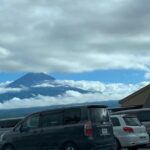
The backbone of the day is the Fuji experience: you’ll make a stop at the 5th Station of Mount Fuji and also ride a ropeway to the summit of Mount Komagatake for wider views over the Hakone region. That combo matters because it gives you two different kinds of perspective: one tied to the famous mountain route, and another that’s more about panoramic viewpoints.
The tour also includes a safety briefing connected to the Fuji segment (set for about 30 minutes). Even if you’ve been to lookouts before, this is a practical add-on. It sets expectations for weather shifts, visibility, and how to handle walking around busy viewing areas.
What to keep in mind is the mountain itself. The tour is subject to favorable weather conditions, and the visibility of Mt. Fuji can vary. The operator says an alternative itinerary may be offered if conditions are poor. So, you’re not betting your entire day on perfect skies—you’re just smart to pack for both cold and cloudy.
Also, bring warm clothing and comfortable walking shoes. This tour involves moderate walking, and higher-elevation viewpoints can feel colder and windier than the city. A camera helps, but so does patience. On days when the mountain is clear, your photos will look dramatic. On days when it isn’t, the day still has enough stops that you can enjoy Hakone sights and the lake cruising segment.
Oshino Hakkai, Chureito Pagoda, and shrine stops for photos that actually work
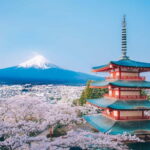
Between major Fuji moments, the tour layers in several smaller stops that are all about sightlines and atmosphere. You start with Oshino Hakkai (about 30 minutes), then move to the classic Chureito Pagoda area (about 45 minutes). After that, you’ll also visit Arakura Fuji Sengen Shrine.
These stops are popular for a reason, but your guide’s role is what makes them enjoyable instead of stressful. In a busy area, finding the right angle and knowing when to walk versus when to wait can save you time. With a private guide, you’re not stuck in a big group shuffle.
One thing I’d plan for: your real time here is about viewing and positioning. Expect some walking, and expect it to be more about where you stand than what you do. That’s why it helps to have a guide who can manage timing.
Then the day keeps going with more scenery around Lake Kawaguchi and additional shrines, including Kitaguchi-hongu Fuji Sengen Shrine (about 1 hour). Spending an hour at a shrine stop might sound long if you’re only chasing photos, but it’s also a good pace reset. It gives you a chance to slow down, observe the details at a real cultural site, and take photos when the crowd level makes sense.
If you’re traveling with kids or with people who tire quickly, the private setup is a plus. The stops are short enough to keep the day manageable, but not so short that you feel like you’re just passing through.
Lake Kawaguchi and Oishi Park: where Fuji views meet a slower rhythm
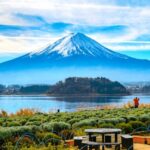
After the early Fuji photo circuit, you shift into a more relaxed phase around Lake Kawaguchi. The plan includes about 1 hour here for sightseeing and self-guided time, plus another 1 hour at Oishi Park.
I like this part of the day because it breaks up the intensity. You’ve got big sightline moments earlier, then you get a chance to breathe. Lakeside areas are also where you often notice the weather change. If it’s clear, you’ll feel it immediately in the way light falls on the mountain and shoreline. If it’s cloudy, you still get a different mood and plenty of scene options for photos.
There’s also a practical stop at LAWSON Kawaguchiko Station (around 30 minutes). Don’t underestimate convenience stores in Japan—they’re often the easiest way to grab water, snacks, and quick rest breaks without having to plan ahead. It’s also a clean way to manage the day for anyone who gets hungry on long road trips.
You’ll also spend about 30 minutes on Shimoyoshida Honcho Street. This is your chance to mix shopping with a casual stroll. It’s not framed as a formal museum stop; it’s more about letting you wander a familiar shopping street style area while the guide keeps you on schedule.
If you’re a detail person, this middle-of-the-day section is where your guide can add context. Even when the stops are self-guided, a licensed guide with language support can help you understand what you’re looking at and why it’s meaningful. That turns a simple “photo stop” into a stop that feels like part of the bigger story.
Hakone without the stress: Owakudani Valley and the Open-Air Museum
Hakone enters the day after your Kawaguchi area time. You’ll have a Hakone sightseeing stop (about 30 minutes), then go to Owakudani Valley (about 1 hour) with time for sightseeing and shopping. After that, you’ll visit the Hakone Open-Air Museum (about 1 hour).
This is a smart sequence because it offers variety. Owakudani Valley is more about scene changes and the feel of the area. Then the museum gives you something different: a slower, more structured place to walk around and reset your pace.
The biggest value here is that you don’t have to stitch together transport on your own. Getting around Hakone can be manageable, but it’s also easy to waste time figuring routes and connections—especially when your day is already long. A private guide handles the transitions so you can spend time actually looking.
One tip: keep your expectations realistic about museum energy. One hour is enough to see key parts, but it’s not enough to “complete” a place if you love museums. If you’re the type who likes to read every label, you may want to pick a few focus areas and not aim to cover everything.
Also, you’re moving through Hakone as part of a day plan that includes Fuji and a lake cruise. So if you’re sensitive to walking distance, wear shoes that handle uneven outdoor surfaces. This is one of those tours where the car helps, but outdoor time still adds up.
A few more Tokyo tours and experiences worth a look

The Lake Ashi cruise: your calm payoff in a long day
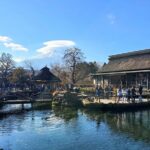
Lake Ashi is where the day relaxes again. You’ll get about 30 minutes at Lake Ashi, and the tour highlights specifically call out a boat cruise on the lake.
For a lot of people, this is the emotional payoff. After shrines, viewpoints, valleys, and museum walking, a boat cruise is a reset button. You also get a different angle on the Hakone area—less “stand and shoot,” more “watch the scenery glide.”
This is also a good place to regroup with your group. If you’re traveling as a family or with mixed interests, the lake time tends to satisfy everyone: it’s scenic, it’s not overly demanding, and it gives you a moment to slow down.
One practical note: since you’re also dealing with weather earlier for Fuji visibility, treat the day like two layers. If Fuji is clear, you’ll feel the magic twice—first in the mountain stops, then in the broader views from the ropeway and the region around Hakone. If Fuji is obscured, the cruise still gives you something worthwhile: you’re still in Hakone, and the lake ride gives you a distinct experience separate from the mountain.
If you like taking photos, use the cruise time to capture the wider scene rather than just close-ups. During calm moments on the water, you often get better composition for the whole region.
Gotemba Premium Outlets: optional shopping, built-in time
Late in the day, you’ll visit Gotemba Premium Outlets for about 1 hour. This is a straightforward add-on for people who want a retail stop without needing a separate plan.
I see this as a useful option because it handles the real-world question of what to do after sightseeing. You get a planned window to stretch your legs, shop if you want, or simply sit with a snack if you’re tired.
That said, only you know your style. If shopping is your thing, you’ll be happy this is included. If it’s not, you might find that hour could feel like a bonus rather than a highlight. Either way, it’s a controlled block of time, which makes the overall schedule feel more predictable.
Price and logistics: why $321 can make sense (or not)
Let’s talk value, because private tours can go either way.
At $321 per group up to 6, this can feel like a bargain when you fill the group size. Private transport plus an English-speaking, National Government Licensed guide is a lot of labor for one day. You’re also getting a day plan that includes ticket-line help (skip-the-ticket-line is explicitly mentioned) and a route that covers both Fuji and Hakone.
If you’re just two people, the math shifts. You’re still buying comfort and time, but your per-person cost rises compared with a fully loaded group. In that case, I’d ask yourself what you’re paying for: not just the sights, but the reduced friction—no train changes, fewer timing headaches, and a guide who speaks your language.
Another factor: the tour is 10 hours. That’s long enough to be worth private transport, but short enough that you may still feel the day’s pace. If you have limited stamina or back issues, the tour notes it’s not suitable for back problems and also lists pregnancy as not suitable. For anyone with mobility concerns, the documentation is a little mixed: it says wheelchair accessible but also says it’s not suitable for wheelchair users. If this is relevant for you, confirm directly with the provider before booking.
Finally, a practical note from real service life: even great tours can have rare hiccups. One verified booking in the provided information described a guide not showing up. I’m not trying to scare you—just be smart. Make sure you have the pickup instructions in writing and a clear way to contact the guide on the morning of your tour, so you can resolve problems fast.
Real-world tips: weather, walking, and the right questions to ask
Because the tour itself warns that Mt. Fuji visibility can’t be guaranteed, you should plan like a realist. Bring warm layers. Pack for sun and for cold. And don’t treat the mountain like a guarantee—treat it like a chance.
Comfort is not optional. The tour recommends comfortable walking shoes, and it involves a moderate amount of walking. That means your footwear should be reliable for outdoor paths and uneven surfaces.
Language support can be a deciding factor, too. The tour mentions an English-speaking licensed guide, and the driver can be English, Hindi, or Arabic. If you or someone in your party benefits from Hindi or Arabic, ask before the day so you’re not stuck improvising.
If you want food included, look for the option for a Japanese-style lunch at a local restaurant. The plan doesn’t automatically promise lunch in every format, so if meals matter to you, choose that option in advance.
One more question worth asking: where will the guide try to position you for Fuji views on the day? Your guide can’t control fog, but a good guide can help you use the time you have—by adjusting vantage points and timing so you get the best shot at clear conditions.
Should you book this Mount Fuji and Hakone private tour?
Book it if you want one guided day that hits the major Fuji icons and pairs them with Hakone without the stress of planning transport. It’s especially good value when you have a group closer to the full size of up to six people, and you like the idea of a guide who handles ticket-line friction and route coordination.
Skip or reconsider if you need a low-walking day, have back problems, or you’re heavily dependent on a guaranteed Mt. Fuji sighting. Also, if wheelchair access is essential, double-check the accessibility details directly since the information provided is inconsistent.
If your goal is a memorable Fuji-and-Hakone day with time for photos, cultural stops, a lake cruise, and a bit of shopping, this private format is a practical, confidence-building choice.
FAQ
How long is the Mount Fuji full-day private tour?
It runs for 10 hours, with different starting times depending on availability.
What does it cost, and how many people are in a group?
The price is $321 per group for up to 6 people.
Where can the tour pick you up and drop you off?
Pickup options include Tokyo, Fujikawaguchiko, Chiba, and Shinjuku City. Drop-off options include Shinjuku City, Tokyo, Fujikawaguchiko, and Chiba.
Does the tour include a Lake Ashi boat cruise and a visit to Mt. Fuji 5th Station?
Yes. The highlights specify a boat cruise on Lake Ashi and a visit to the 5th Station of Mount Fuji.
Is lunch included on the tour?
Lunch is available if you select the option for a Japanese-style lunch at a local restaurant.
What should I bring for the day?
Bring comfortable shoes, warm clothing, and a camera.
What if the weather is poor or Mt. Fuji isn’t visible?
The tour depends on favorable weather, and Mt. Fuji visibility can’t be guaranteed. The operator may provide an alternative itinerary if conditions are poor. You can also cancel up to 24 hours in advance for a full refund.