REVIEW · TOKYO
Samurai Experience – Learn Bushido through Kendo, in Tokyo
Book on Viator →Operated by Kendo Spirit · Bookable on Viator
Kendo in a real Tokyo dojo. This is the kind of activity that swaps “look, take a photo” for hands-on training, guided by Daichi. I love that you train in a working dojo (not a staged performance), and I love that the setup is beginner-friendly with your kendo gear handled for you.
You’ll spend about 2 hours working on the essentials of kendo: focus, posture, and timing. It’s taught in English, and the class keeps a small feel, so questions don’t get lost in the crowd.
One consideration: it’s mostly physical practice. If you’re hoping for a light, sit-down cultural tour, plan for movement instead.
In This Review
- Key things I’d circle before you book
- A Working Tokyo Dojo and the Coach Named Daichi
- What You’ll Learn: Focus, Posture, Timing, and Bushido in Motion
- Gear, Clothing, and Why You Don’t Need to Worry About Equipment
- The Two-Hour Flow: From Basics to a Duel
- Culture You Can Feel: Training the Spirit, Not Just the Sword
- Price and Value: Is $132.14 Worth It
- Who This Tokyo Kendo Class Suits Best
- Quick Practical Tips for Your 10:00 AM Start in Nihonbashi
- The Photo and Video Bonus (What You’ll Receive After)
- Should You Book This Samurai Experience in Tokyo?
- FAQ
- How long is the Samurai Experience?
- Where does the experience start and end?
- What time does it start?
- Is this class beginner-friendly if I have no martial arts experience?
- Do I need to speak Japanese?
- What should I bring?
- Is there a limit on group size?
- Are photos and videos included?
- Is food included?
Key things I’d circle before you book
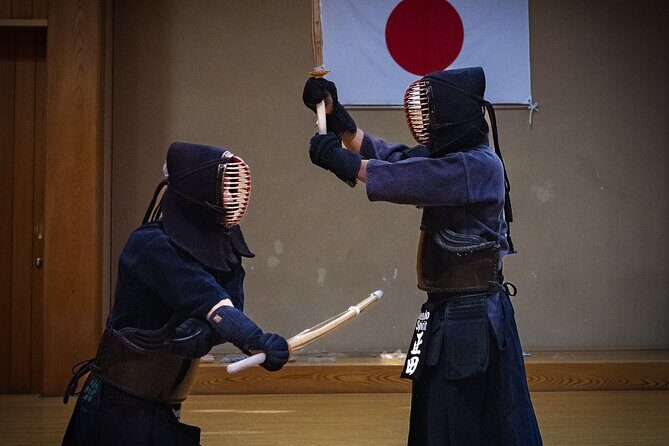
- Train with Daichi, an active kendo practitioner with 19 years of training
- A real Japanese dojo setting where modern practitioners hone sword skills
- Beginner comfort built in, with slow teaching and a small group (max 8)
- Gear rental included (kendo attire plus shinai/bamboo sword)
- Photos and videos included, sent to you by email after the session
- A duel at the end that turns all the basics into something exciting
A Working Tokyo Dojo and the Coach Named Daichi
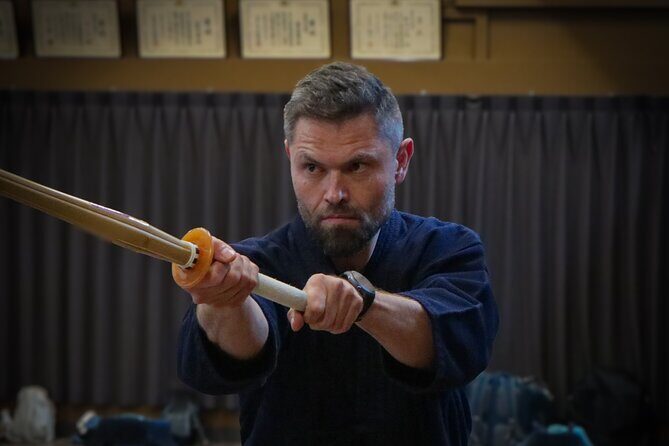
Tokyo has no shortage of experiences that explain Japanese culture from behind glass. This one flips the script. You go into a local dojo and train in the same environment where kendo is practiced today.
The biggest reason I think this works is the person in charge. Daichi teaches the session, and he’s not just a presenter. He’s an active kendo practitioner with 19 years of training, so the instruction is built on ongoing practice, not theory.
Also, you’re not stuck playing silent charades. Daichi speaks fluent English, and the class is designed so you can ask questions anytime. That matters because kendo is part physical and part mental. If you only understand half the cues, you’ll feel lost. With English instruction, you keep up.
You can also read our reviews of more tours and experiences in Tokyo.



What You’ll Learn: Focus, Posture, Timing, and Bushido in Motion
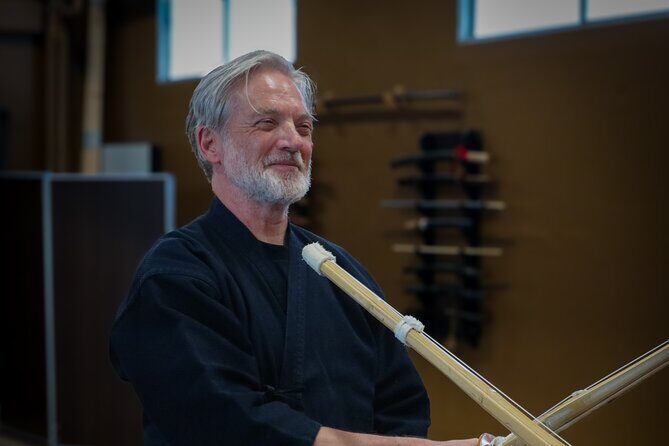
The core idea is simple: bushido isn’t just a story about honor. In this session, bushido becomes practical habits—how you carry yourself, how you control your mind, and how you judge distance and timing.
You’ll work on:
- Focus (staying present and steady)
- Posture (how you stand and hold your body)
- Timing (when you move and when you strike)
This isn’t presented like a history lecture. It’s more like learning a skill you can feel in your body. Even the reviews underline the same theme: people leave talking about the mental and spiritual side as much as the sword play.
And yes, there’s a payoff. The session ends with a contest-style moment where your basic skills and discipline come together. That gives you a clear before-and-after feeling in just two hours.
Gear, Clothing, and Why You Don’t Need to Worry About Equipment
Here’s where the experience gets practical fast: you don’t need to source anything. You’ll get kendo attire rental and a shinai (bamboo sword) rental as part of the session.
They also provide clothing you wear under the uniform—specifically T-shirts and pants—so you’re not improvising layers on the fly. That’s helpful in Tokyo, where weather can change quickly and you don’t want “what am I wearing” to become a stress loop.
You’ll also get bottled water and a souvenir, plus a guide. In other words, this isn’t one of those activities where you pay and then realize you forgot cash for gear, drinks, or a translator.
Quick note for planning: snacks are not included. If you’re sensitive to low energy mid-morning, grab something before you go.
The Two-Hour Flow: From Basics to a Duel
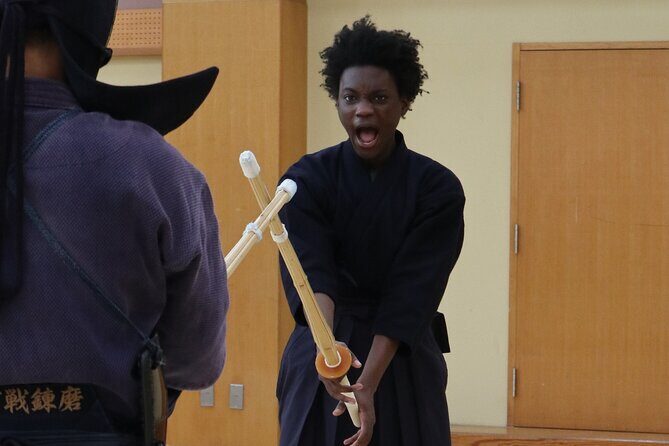
The session is about 2 hours, and the format is designed for beginners. The group max is 8 travelers, which means you’re not competing for attention or standing around waiting forever.
For a typical beginner, the learning path is:
- Get oriented in the dojo setting and how the practice works.
- Learn the basics step-by-step, slowly and carefully.
- Practice the moves until you can swing the shinai and land strikes with real intent.
- Finish with a match/duel moment that adds pressure and excitement.
The reviews repeatedly mention that people came in with no kendo background and still learned enough to actively participate. One person even noted that even a little taekwondo helped with footwork, but the key point is that the class isn’t built only for athletes. They teach the fundamentals through repetition and clear coaching.
There’s also a spiritual rhythm to kendo that you’ll notice in practice. Reviews mention the energy you build and the role of spirit in striking. You don’t have to “perform” it. But the class helps you understand why it’s central to how kendo is done in Japan.
Culture You Can Feel: Training the Spirit, Not Just the Sword
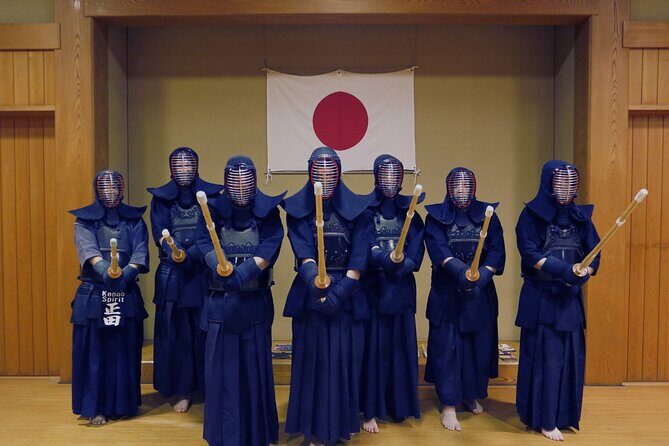
A lot of travel experiences claim authenticity. This one signals it in how it’s structured: you’re training in a real dojo and learning a cultural practice still used in modern Japan.
Bushido shows up as discipline in action. You’re not just learning a move; you’re learning control—control of your body, your timing, and your mindset. That’s why the experience is described as a purposeful break from passive sightseeing.
If you’re the type who likes Japan beyond shopping streets and picture stops, this is a strong fit. You get a living practice instead of a museum-style explanation. And because the class emphasizes posture, focus, and timing, the “history” feeling comes through your own movement.
One more cultural touch: they include Japanese cultural experience tools rental. The tour doesn’t frame everything as kendo alone. It gives you a broader sense of the environment and traditions around the practice.






Price and Value: Is $132.14 Worth It
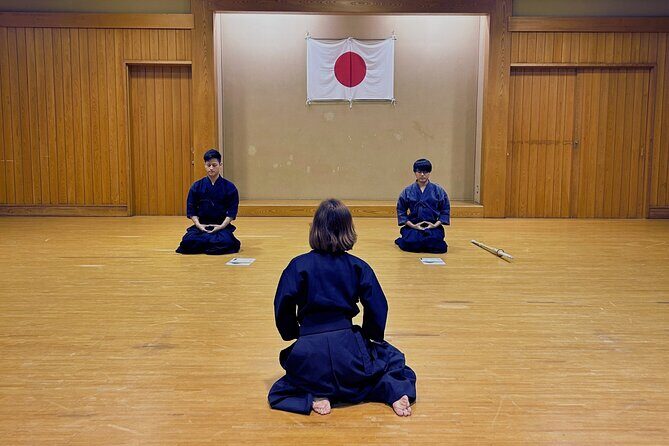
At $132.14 per person for a roughly two-hour session, the value comes down to what’s included and what you get instead of just watching.
Included items matter here:
- Kendo attire rental
- Shinai/bamboo sword rental
- Japanese cultural experience tools rental
- Bottled water
- Souvenir
- Guide
- Photos and videos taken during the session (sent by email after)
What you’re paying for isn’t just access. It’s hands-on instruction, equipment rental, a small group size, and the chance to train inside an operational dojo with an active instructor.
Could you do kendo practice on your own after? Maybe. But this gives you the starting structure in a language-friendly way, with the safety and guidance that beginners need. For many people, the real value is walking away with a clear sense of what kendo training feels like and how to continue if you want to.
If you’re purely budget-driven and want the lowest-cost cultural experience, this might feel like a splurge. If you want a meaningful “I did something real” morning in Tokyo, the package pricing makes more sense.
Who This Tokyo Kendo Class Suits Best
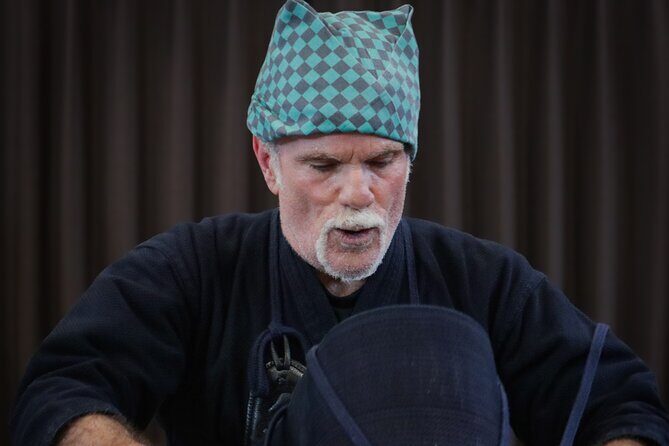
This one is especially good if you fall into any of these buckets:
- You’re a beginner who wants to try a martial art without feeling intimidated. The session is set up so over 90% of participants are beginners, and they keep group teaching small and slow.
- You want more than sightseeing. If you’re tired of tours where you only observe, you’ll likely appreciate the physical focus.
- You travel with family or teens. One review describes a father and his 12-year-old joining, and the instructors were presented as experienced and communicative with English. (If your kid is very young or has mobility limitations, you’ll want to think carefully, since it is still physical training.)
- You like disciplined, structured instruction. Reviews repeatedly highlight the attention to history/technique/spirit and the fact that the instructors keep you involved rather than passive.
If you hate getting sweaty, or you’re expecting a mostly seated cultural class, treat this as a workout first, sightseeing second.
Quick Practical Tips for Your 10:00 AM Start in Nihonbashi
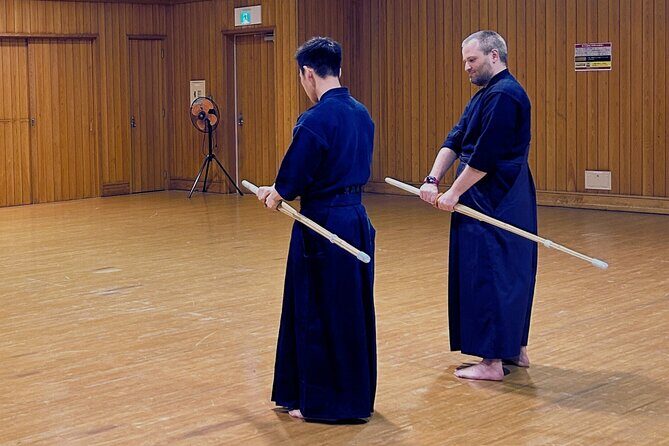
You’ll meet at Japan, 103-0024 Tokyo, Chuo City, Nihonbashikobunachō, 29 Sec日本橋ビル and the activity ends back at the meeting point. Start time is 10:00 am, and it’s near public transportation.
Because you don’t need to bring gear, your planning gets easier. The big things to remember are:
- Wear comfortable clothes for getting changed and moving.
- Since snacks aren’t included, consider eating beforehand if you need fuel.
- Bring your best “learner mindset.” Kendo is technical, and you’ll progress faster if you lean into the step-by-step coaching.
Also, a mobile ticket is used, and you should receive confirmation at booking. That helps reduce last-minute confusion.
The Photo and Video Bonus (What You’ll Receive After)
This is one of the nicest “admin details” that actually matters. A photographer takes both photos and videos during the session, and you’ll get the data by email after the experience.
That means you’re free to focus on practice instead of trying to film your own form in the middle of training. If you want something shareable for Instagram or just a memory for later, it’s a real plus.
Should You Book This Samurai Experience in Tokyo?
If you want one Tokyo activity that actually involves your body, this is a strong yes. The small group size, beginner-friendly teaching, and English support (with Daichi at the helm) make it feel approachable without turning it into a watered-down demo.
I’d especially recommend it if you’re tired of passive sightseeing and want a living practice inside a real dojo. The dual-style moment at the end gives closure, and the photos/videos make it easy to keep the memory.
Book it if you’re open to physical movement and you’ll appreciate discipline, focus, and timing as part of culture. Skip it if you want a slow, mostly seated tour or if you’re expecting a lecture-style history stop.
Either way, it’s the kind of Tokyo morning that tends to stick because you don’t just learn about bushido. You experience the habits behind it.
FAQ
How long is the Samurai Experience?
It’s about 2 hours (approx.).
Where does the experience start and end?
It starts at the meeting point in Tokyo (Chuo City, Nihonbashikobunachō, 29 Sec日本橋ビル) and ends back at the same meeting point.
What time does it start?
The start time is 10:00 am.
Is this class beginner-friendly if I have no martial arts experience?
Yes. Over 90% of participants are beginners, and the group is kept small with slow, careful teaching.
Do I need to speak Japanese?
No. Your instructor, Daichi, has overseas work experience and speaks fluent English.
What should I bring?
Nothing at all. T-shirts and pants are provided to wear under the kendo uniform, and you’ll receive the kendo attire rental and shinai rental.
Is there a limit on group size?
Yes. The maximum group size is 8 travelers.
Are photos and videos included?
Yes. A photographer takes photos and videos, and the data is sent to you by email after the experience.
Is food included?
Bottled water is included, but snacks are not included.