REVIEW · KYOTO
Shamisen Discovery in Kyoto 【Group】
Book on Viator →Operated by Shamisen Dojo · Bookable on Viator
A shamisen lesson that turns into music fast. In Kyoto, this 60-minute group class gives you hands-on instruction from Jack Sensei at Shamisen Dojo, plus a history crash course so the sounds make sense. I like the small-group size (max 5) because it keeps the coaching personal, and I also love the built-in performance moment—an instructor photo session and a jam where you play along.
Here’s the trade-off: it’s only about an hour, so you’ll leave with basics and confidence, not full mastery. If you’re hoping to become a shamisen player in one session, you’ll be disappointed. But if you want a real taste of Japanese traditional music with rental shamisen + guided practice, this is a smart use of your time in Kyoto.
In This Review
- Key Highlights You Should Know Before You Go
- Meeting Jack in Kyoto’s Kita Ward: What the Start Feels Like
- The 60-Minute Shamisen Plan: How You Get From Zero to Playing
- The Photo Session Isn’t Just a Souvenir Moment
- Jam Session + Instructor Accompaniment: The Point Where It Clicks
- Why the Coffee or Tea Break Actually Helps
- Left-Handed Friendly: A Real Win for Lefty Players
- Pricing and Value: $65.89 for an Hour You’ll Remember
- Who This Shamisen Lesson Is Best For
- Practical Tips Before You Book
- Should You Book This Kyoto Shamisen Discovery?
- FAQ
- How long is the shamisen discovery group lesson in Kyoto?
- What is the price per person?
- Where does the experience take place?
- How many people are in the group?
- What ticket type do I need?
- What’s included in the class?
- Is a coffee or tea break included?
- Do they provide an instrument, or do I bring my own?
- Do they offer a shamisen option for left-handed players?
- Is transportation included?
- Is free cancellation available?
Key Highlights You Should Know Before You Go

- Small-group format (up to 5 travelers): more time to ask questions and get corrected.
- Rental shamisen included: you don’t have to worry about bringing or finding an instrument.
- History + technique in one hour: enough context to connect technique to sound.
- Photo session with the shamisen: the instructor takes photos while you play.
- Jam session with accompaniment: you create melodies with guidance, not just drills.
- Lefty shamisen available: the teacher offers an option for left-handed players.
Meeting Jack in Kyoto’s Kita Ward: What the Start Feels Like

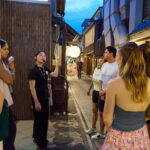
This class meets at Murasakino Nakakashiwanocho, Kita Ward, Kyoto. It’s listed as near public transportation, so you can usually plug it into a normal day without a private car. The session ends back at the meeting point, which keeps your schedule clean.
You’ll arrive, get oriented, and get your instrument situation sorted quickly. Since a rental shamisen is included, you can focus on learning instead of logistics. The vibe is practical: you’re there to hold the instrument correctly, learn the basic right-hand motion with the bachi (pick), and start producing the core sounds that make shamisen music instantly recognizable.
If you’re the type who likes to see a cultural activity in action rather than just watch, this start matters. A lot of Kyoto experiences can feel like a one-way show. This one is set up so you end the hour knowing what your hands are supposed to do.
You can also read our reviews of more tours and experiences in Kyoto.


The 60-Minute Shamisen Plan: How You Get From Zero to Playing

The course is about 1 hour and is designed as a beginner-friendly introduction. You’ll start with basic information about shamisen—types and history—so you’re not learning finger positions in a vacuum. The idea is simple: when you understand what you’re doing and why it’s meaningful, your progress feels faster.
Next comes the hands-on part. You’ll learn:
- Basic shamisen playing techniques
- One shamisen scale introduction
- Free time to play on your own
That “free time” is more important than it sounds. It gives you a chance to test what you just learned and figure out what feels natural. In a short class, that’s often where confidence forms. You also get instructor guidance through the process, and the lesson is built for people at different levels, not just strict beginners.
Some lessons stop at technique. This one keeps moving, so you don’t get stuck in the frustrating first stage for too long.
The Photo Session Isn’t Just a Souvenir Moment

One of the most fun parts is the photo session holding the shamisen. The instructor takes photos while you’re playing, which turns the lesson into something you can actually remember beyond a vague sense of having tried it.
Why I think this detail is worth your attention: when you’re learning a new instrument, your posture and grip can feel different from your mental picture. Getting photos right after you’re taught the right form helps you connect the dots later. It also lowers the pressure during the class, because you’re not hunting for the “perfect moment” to ask someone to take a picture.
And since the instrument is the one you like (you choose a rental shamisen option), you’re more likely to feel comfortable with what’s in your hands when photos happen.
Jam Session + Instructor Accompaniment: The Point Where It Clicks

The highlight for most people is the jam session. After you’ve done the basics, the instructor provides accompaniment using signature sounds, and you get time to create melodies with the support of the teacher.
This is a big deal for two reasons:
- You’re not only practicing what sounds correct—you’re learning how shamisen music works with rhythm and accompaniment.
- Even if you don’t know the tradition yet, the structure gives you something to latch onto immediately.
The lesson description mentions “five signature sounds,” and the jam format matches that idea: you’re guided through recognizable musical building blocks, then you experiment within that framework.
In reviews, people also emphasize that Jack tunes into students and guides step by step. That matters during the jam session, because the moment you start playing with someone else’s rhythm, you either feel confident—or you feel lost. This experience is built to keep you in the “I can do this” zone.
Why the Coffee or Tea Break Actually Helps

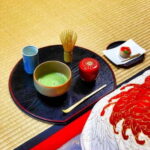
You get a coffee or tea break (green tea included) during the session. In a 60-minute class, that’s not wasted time—it helps you reset so you can keep listening and adjusting.
Learning an instrument is physical and mental. Your hands get tired, your ears get overloaded, and technique needs repetition. A quick break makes it easier to absorb the next stage, especially the part where you transition from practice to playing along in the jam.
Also, sharing a drink in a small group makes it feel less like a school lesson and more like a cultural workshop. You’re likely to leave in a better mood than you’d have after a purely instructional hour.



Left-Handed Friendly: A Real Win for Lefty Players

A lot of music activities quietly assume you’re right-handed. Here, they specifically note that lefty shamisen are available. That removes a common frustration where you either struggle with awkward positioning or have to pretend you’re fine with it.
If you’re left-handed, this is one of the best reasons to book this particular lesson. You’ll spend the hour actually learning, not compensating for equipment that was never meant for you.
Pricing and Value: $65.89 for an Hour You’ll Remember

At $65.89 per person for about an hour, this isn’t the cheapest activity in Kyoto. But it’s also not overpriced for what you’re getting.
Here’s the value case:
- You get a rental shamisen included, which saves you money and hassle.
- You get small-group access with max 5 travelers, so you’re not competing for attention.
- You get more than “watch and leave”: there’s history, technique, scale work, free playing time, a jam, and instructor photos.
- You get a coffee/tea break, which improves the flow of the session.
Also, it’s typically booked about 25 days in advance, so if you’re traveling at peak times, you’ll want to plan early. The upside is that this kind of workshop tends to sell out when the schedule is full.
If your goal is a quick, low-effort activity, this might feel a little intense. But if you want an experience where you come away with real participation and a new skill you can use immediately, the price starts to make sense.
Who This Shamisen Lesson Is Best For

This works especially well for:
- Musically curious beginners who want to try the shamisen hands-on.
- People who like short, structured workshops with a clear payoff by the end of the hour.
- Travelers who want something cultural but not trapped inside a crowded show.
- Families and mixed-age groups, since the lesson is designed so most people can participate.
If you’re already an advanced musician looking for deep technical training for hours, you might find the format a bit limited. But that’s not really what the class is designed to do. It’s designed to get you playing and understanding the instrument quickly.
Practical Tips Before You Book
- Bring your curiosity, not prior skills. The lesson is built for beginners and adapts to what you can do during the hour.
- Plan transit time to Kita Ward. Your meeting point is in Murasakino (Kita Ward), so check your route from your hotel.
- Wear something you can move in. You’ll be holding and playing the instrument the entire session, and you’ll want to feel comfortable while your grip is corrected.
- If you’re left-handed, take advantage of the lefty shamisen option. That can make the whole experience easier.
One more helpful note from the instructor’s replies: if you purchase a shamisen, he mentions it can come with free online lessons. Even if you’re not planning to buy, it’s good to know the learning support can continue after the class.
Should You Book This Kyoto Shamisen Discovery?
Book it if you want an experience that’s hands-on from the first minute and ends with you actually playing. The small-group format, rental shamisen, instructor photo session, and guided jam are a strong set of reasons to choose this over a more passive activity.
Skip it only if you’re expecting a long, intensive training program or a full mastery path. With a one-hour structure, it’s an introduction—just a very effective one.
If your Kyoto plan includes major sites and you want one memorable, music-based activity that feels personal, this workshop is a good match.
FAQ
How long is the shamisen discovery group lesson in Kyoto?
It runs for about 1 hour.
What is the price per person?
The price is $65.89 per person.
Where does the experience take place?
The meeting point is Murasakino Nakakashiwanocho, Kita Ward, Kyoto, 603-8312, Japan, and it ends back at the meeting point.
How many people are in the group?
The class has a maximum of 5 travelers, which keeps it small-group.
What ticket type do I need?
You’ll receive a mobile ticket.
What’s included in the class?
Included are a rental shamisen, a photo session with the shamisen you like, coffee and/or tea (green tea), an introduction to shamisen information, basic playing techniques, time to play freely, and a jam session with accompaniment.
Is a coffee or tea break included?
Yes, coffee and/or tea is included, including green tea.
Do they provide an instrument, or do I bring my own?
A rental shamisen is included, so you don’t need to bring your own instrument.
Do they offer a shamisen option for left-handed players?
Yes. Lefty shamisen are available for left-handed players.
Is transportation included?
No. Private transportation is not included.
Is free cancellation available?
Yes. You can cancel for a full refund up to 24 hours before the experience starts.