REVIEW · TOKYO
Sushi Making Experience in Shinjuku【Temaki】
Book on Viator →Operated by Bancre Inc. · Bookable on Viator
A hands-on sushi class beats a museum. In Shinjuku’s Flower Wall Mone, you build your own temaki rolls at the table, plus you also learn Japan’s dashi-maki tamago rolled omelet with a sushi chef. The best part is how practical it feels: you get ingredients and tools ready for you, and staff step in with clear guidance even when English is limited.
I especially like the pace. You start with a short demonstration, then you roll at your own speed with your favorite toppings, including options like tuna, salmon, cucumber, and avocado. One thing to consider: the class is small and can run with some translator support, so if you want a ton of independent cooking time without any help, you may find the guidance feels structured.
In This Review
- Key things I’d watch for
- Temaki lessons at Flower Wall Mone, right in Shinjuku
- What you actually make: temaki hand-rolls and dashi-maki tamago
- The class rhythm: demonstration, then rolling at your own speed
- Toppings, customization, and the fun of choosing
- English support and staff names you’ll likely remember
- Food quality, portions, and what a $47.09 price covers
- Logistics you can plan around in Shinjuku
- Who this temaki class is best for
- Should you book it? My take
- FAQ
- How long is the sushi making experience?
- What does the $47.09 price include?
- What do I make during the class?
- Can I choose my own sushi toppings?
- Is there any smoking involved?
- Is there help if I don’t speak much English?
- How many people are in each group?
- Is there a cancellation window for a full refund?
Key things I’d watch for

- Small group size (up to 8): more attention during rolling and fewer waits while you learn.
- You make more than one dish: temaki sushi plus dashi-maki tamago at the same session.
- Topping choice is part of the fun: you select multiple toppings to customize your hand-rolls.
- Smoking step is included: you may try smoked fish options (one session mentioned Sakura wood chips).
- One drink is included: plan around that if you want to keep the meal simple.
- English support varies: some staff use translation tools, but the aim is clear communication.
Temaki lessons at Flower Wall Mone, right in Shinjuku

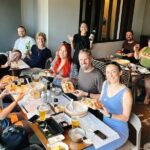
If you’re looking for a Tokyo activity that feels active, not scripted, this temaki making session works fast. You meet at FLOWER WALL MONE (フラワーウォール モネ)新宿, a café and bar in Shinjuku. The setting is part of the appeal: you’re surrounded by flowers, and you’re not crammed into a warehouse-style kitchen. It feels like a calm break from the city rush, even though Shinjuku is never truly quiet.
The flow starts with you checking in at the venue and telling staff you have a reservation for the Temaki Sushi Experience. Right away, you place a drink order (since one drink is included), and the team prepares the sushi items for your group size. That matters because it reduces the usual beginner anxiety. Instead of hunting for what you need, you’re handed ready-to-use ingredients and utensils so you can focus on learning technique.
The total time is about 1 hour 30 minutes, so this isn’t a half-day project. It’s the kind of class that fits a busy itinerary: before dinner plans, after a shopping walk, or even as a main event if you’re a foodie.
You can also read our reviews of more tours and experiences in Tokyo.



What you actually make: temaki hand-rolls and dashi-maki tamago

A lot of sushi experiences stop at rolling a single type of hand-roll. Here, you get two distinct wins.
First is temaki sushi, the hand-rolled style. You assemble using seaweed and sushi rice, then add toppings like tuna, salmon, cucumber, and avocado (and you’ll be choosing among topping types). The ingredients are already cut and portioned, and the tools are provided. That’s a big practical point for you: you get the joy of building your own roll without needing knife skills.
Second is dashi-maki tamago, a Japanese rolled omelet. You learn it together with the chef as part of the session. Rolled omelet sounds simple on paper, but it’s one of those core Japanese techniques that gives you a deeper sense of cooking beyond sushi fish. It also changes the feel of the class. Half the time you’re assembling a roll with toppings; the other half you’re learning a classic egg technique.
This combination is where the value tends to land. For $47.09 per person with taxes and one included drink, you’re not just paying for entertainment—you’re paying for a couple of skills you can remember and even recreate later.
The class rhythm: demonstration, then rolling at your own speed

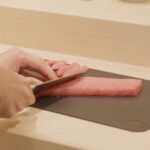
Here’s how the session typically runs once you’re seated. Sushi items arrive at your table for the number of participants. Then you start rolling. You can do it on your own, but the team demonstrates the process first, so you have a model to copy.
That structure is key for beginners. If you’ve never rolled a hand-roll before, it helps to see how the seaweed wraps, how the rice is positioned, and how you place toppings so the roll doesn’t become a pile. The demo gives you the right starting point.
After the demonstration, you’ll roll your own temaki with the ingredients and sushi rice you’re given. Staff step back, and you work at your own pace. One practical note: the venue mentions that some staff may not be fluent in English, and translation tools may be used. In real-world terms, that means you should go in expecting that you might not get perfect conversation, but you’ll still get the essential directions through a mix of demonstrations and support.
Also, the class ends back at the meeting point, so there’s no complicated transfer to a second venue. It’s designed for an easy Tokyo day: arrive, create, eat what you make, then head on.
Toppings, customization, and the fun of choosing

Temaki is at its best when it’s personal. The experience encourages you to select three types of sushi toppings and build your hand-rolls around those choices. That matters more than it sounds, because it lets you tailor the rolls to your tastes instead of being stuck with one default combo.
You’ll see common topping categories like tuna and salmon, plus crunchy options like cucumber and creamy options like avocado. Even if you don’t know what you like yet, you can build two or three roll variations and sample your own lineup.
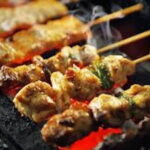
And then there’s the special twist: smoking. The experience includes the chance to smoke options as part of the activity. One class specifically mentioned fish smoked in Sakura wood chips, which is exactly the kind of small, memorable detail that makes a class feel like more than just basic rolling.
If you’re the type who likes food with a distinct aroma, the smoking step is one you’ll likely remember long after the rice cools.
English support and staff names you’ll likely remember

Tokyo classes can be either language-light or language-heavy. This one is built to be doable even if your Japanese is basic.
Some staff may not speak fluent English, and they may use a translator machine. That means you should treat the session like a hands-on workshop first, conversation second. The important part is the method: demonstration, then guided rolling when needed.
In the reviews you can see names showing up—Nina and Kai are mentioned as especially kind and friendly. People also mention a translator with very clear, fluent English support. Another name that pops up is Miss Kashima, who was credited with recommending the class. Even if your staff team isn’t the exact same group, the theme is consistent: the team works to make sure you feel comfortable and can follow along.
For you, the practical takeaway is simple: don’t stress about perfect questions. Bring a willingness to watch, copy, and ask for help if you get stuck. The class is designed so you can progress either way.




Food quality, portions, and what a $47.09 price covers

The big question is always value. This class is $47.09 per person, lasts about 1 hour 30 minutes, and includes all fees and taxes plus one drink. What’s not included is transportation to the meeting point and any bottled drinks or extra meals.
In other words, the price is mostly paying for ingredients, chef instruction, and the venue experience. Because you’re making multiple items—temaki plus dashi-maki tamago—the food value is more than a snack. You’re essentially paying for a mini meal made by your own hands.
Portion expectations: the information says ingredients are prepared for the number of participants, and you’ll enjoy the meal you make. It doesn’t promise a huge buffet, but it does promise a real hands-on experience and enough food to feel like you participated, not just watched.
If you’re the kind of traveler who hates paying for activities that don’t feed you, this one tends to make more sense. You’re not just learning technique; you’re also eating what you created.
Logistics you can plan around in Shinjuku

Let’s keep this practical.
- Meeting point: Flower Wall Mone, Shinjuku (address listed as 3-chōme 5۳ 高山ランド b1f, Tokyo 160-0022). Plan to arrive a few minutes early so you can find the entrance quickly.
- Group size: up to 8 travelers. Small groups are a plus here because it usually means quicker help when you’re rolling.
- Mobile ticket: you’ll have a mobile ticket, which simplifies entry.
- Age notes: participants under 20 must be accompanied by a parent or guardian.
- Alcohol rule: underage drinking is prohibited under Japan’s minors’ alcohol law. Since there’s a drink order step, this matters for families.
One small reality: Shinjuku is easy to get to, but it’s also easy to lose time. Give yourself buffer, especially if you’re pairing this with shopping or an evening plan. The class itself is short, so late arrival can shrink your hands-on time.
Who this temaki class is best for

This experience fits best if you want food culture you can touch, not just read about.
You’ll enjoy it most if:
- You’re traveling with friends or family and want shared activity time.
- You’re a beginner who wants step-by-step technique without needing advanced cooking knowledge.
- You like customization and want to choose toppings instead of accepting a single preset roll.
It’s also a strong pick for a first Japan food workshop. Temaki sushi is beginner-friendly because it’s flexible: hand-roll form means you can focus on wrapping and balance rather than perfect slicing like nigiri.
If you’re an advanced sushi cook, you might wish for more precision training. But for most people, it’s a fun way to pick up real technique—especially the rolled omelet piece, which is often overlooked in casual sushi experiences.
Should you book it? My take
Book it if you want a small-group hands-on class with real instruction, not a show-and-tell. The combination of temaki rolling plus dashi-maki tamago, along with topping choice and a smoking option, makes it feel like more than one simple gimmick.
Skip it (or adjust expectations) if you expect a long, free-form cooking session or lots of fluent conversation in your preferred language. The structure includes demonstrations and tool support, and some staff may rely on translation support. That’s not a deal-breaker—but it shapes the experience.
If your calendar is tight and you want a memorable Shinjuku evening with food you helped make, this is one of the clearer bets.
FAQ
How long is the sushi making experience?
It runs for about 1 hour 30 minutes.
What does the $47.09 price include?
The price includes all fees and taxes, plus 1 drink. Bottled drinks and transportation to the meeting place are not included.
What do I make during the class?
You make temaki sushi (hand-rolled sushi) and also dashi-maki tamago (Japanese rolled omelet). You’ll also add selected sushi toppings.
Can I choose my own sushi toppings?
Yes. You can select three types of sushi toppings.
Is there any smoking involved?
The experience includes the option to try smoking. One mention includes fish smoked using Sakura wood chips.
Is there help if I don’t speak much English?
Staff may not speak fluent English, and a translator machine may be used. A demonstration is provided, and you can contact for questions if needed.
How many people are in each group?
The maximum group size is 8 travelers.
Is there a cancellation window for a full refund?
Yes. You can cancel up to 24 hours in advance of the experience start time for a full refund.